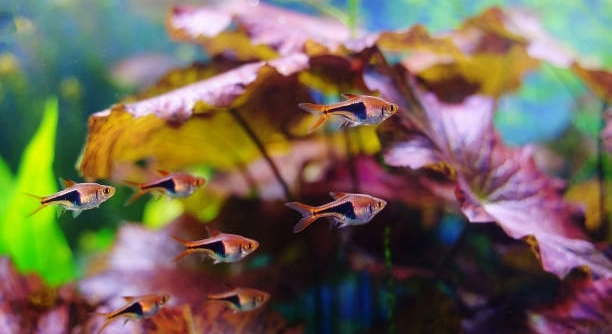
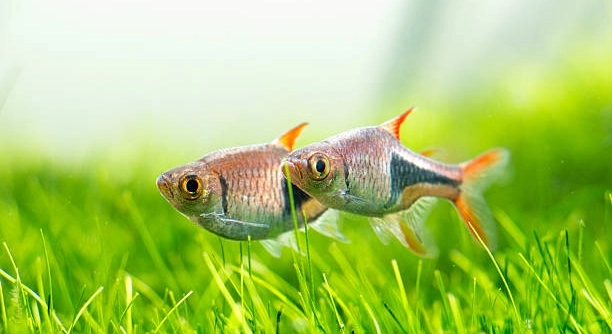
7 Times Rasbora Avoid the Water Flow

Do your Rasboras often seem to swim away from the current, choosing still areas of the tank instead of active ones? Rasboras avoid water flow when the current is too strong, inconsistent, or creates stress. Their natural habitats are calm streams and ponds, so high movement in tanks can cause discomfort or fatigue, leading them … Read more
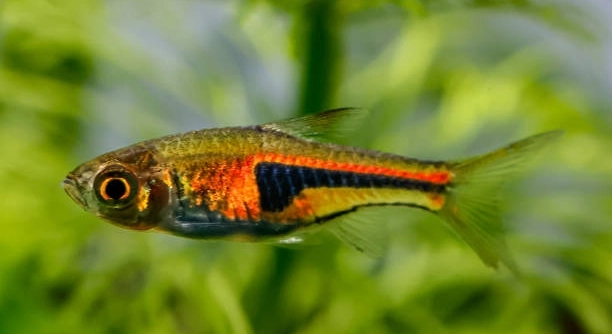
Why Rasbora Avoid Certain Lighting Angles

Rasboras are small, colorful fish often kept in home aquariums. They live in environments where light can change a lot. Many fish, including rasboras, respond carefully to different lighting conditions to feel safe and comfortable. Rasboras avoid certain lighting angles because bright or direct light can cause stress and make them feel exposed to predators. … Read more

7 Small Changes That Disrupt Rasbora Routine

Many aquarium owners enjoy keeping rasboras because of their peaceful nature and lively swimming patterns. These small fish thrive best when their routine is consistent and stable. Even slight changes in their environment can affect their behavior and health. Small disruptions like changes in water temperature, lighting, diet, tank mates, or water chemistry can significantly … Read more

7 Natural Instincts Rasbora Display Indoors

Have you ever observed your rasboras and felt they were behaving differently indoors compared to their natural habitat in the wild? Rasboras exhibit several natural instincts indoors, including schooling, darting behavior, foraging, hiding, territorial displays, surface feeding, and color changes. These behaviors are rooted in survival, social bonding, and environmental responses even within an aquarium … Read more

7 Quiet Tank Tools Rasbora Actually Like

Do you ever find yourself trying to create a calm, well-balanced tank environment for your rasboras but feel unsure about what tools truly suit them? Rasboras thrive best in tanks equipped with quiet tools that maintain stable water conditions and minimize stress. Choosing soft filtration systems, gentle aeration, and reliable heaters helps create a peaceful … Read more

7 Tips for Breeding Rasbora at Home

Breeding rasboras at home can be a rewarding hobby for fish enthusiasts. These small, colorful fish are popular in many aquariums, and learning how to breed them properly can add to their charm. Understanding the basics will help create a healthy environment for successful breeding. Successfully breeding rasboras requires proper tank setup, stable water conditions, … Read more

Can Rasbora Be Kept with Corydoras?

Rasboras and Corydoras are popular choices for community aquariums. Both species are peaceful and active swimmers, making them appealing for many hobbyists. Understanding their behavior and care needs is important before housing them together. Rasboras and Corydoras can generally be kept together in the same tank due to their compatible temperaments and similar water requirements. … Read more

Why Rasbora Might Be More Active at Dawn

Have you ever noticed how some fish seem more active in the early hours of the day, darting around with extra energy? Rasbora fish often show heightened activity at dawn due to natural circadian rhythms, light changes, and feeding behaviors. These conditions closely mimic their natural habitats, where early daylight encourages foraging and movement, supporting … Read more

7 Causes of Rasbora Acting Skittish

Rasboras are popular small fish known for their peaceful nature and lively swimming. Sometimes, they act skittish, which can worry their owners. Understanding why they behave this way can help create a better environment for these delicate fish. Skittish behavior in rasboras is commonly caused by sudden changes in water conditions, poor tank setup, overcrowding, … Read more

What Rasbora Might Be Doing When They “Hover”

Rasboras are small, active fish often seen in home aquariums. They sometimes appear to “hover” in the water, staying still for moments instead of swimming around. This behavior can be interesting to observe and understand. When rasboras hover, they are often resting, sensing their environment, or regulating their buoyancy. This stillness allows them to conserve … Read more