7 Problems With Mixing Age Groups in Tanks
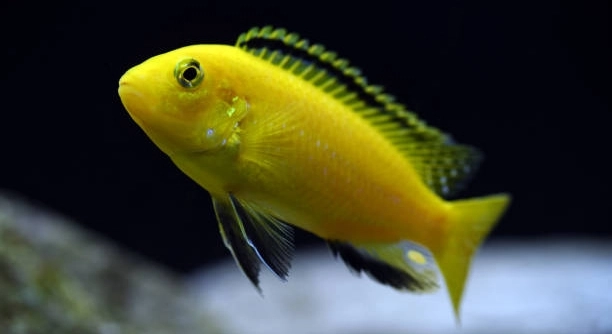
Mixing different age groups in fish tanks can seem harmless at first. Younger fish often appear lively and adaptable, while older fish seem calmer and more experienced in the environment. This combination may appear balanced and visually appealing to many hobbyists. However, mixing age groups in tanks can lead to multiple challenges. Older fish may … Read more

Are Convict Cichlids Protective or Controlling?

Convict cichlids are known for their strong personalities and striking patterns. These freshwater fish can make fascinating additions to home aquariums. Observing their behavior often raises questions about their interactions with other fish and their environment. Convict cichlids display both protective and controlling behaviors depending on breeding status and territory. During spawning, they guard eggs … Read more

Do Convict Cichlids Ever Show Affection?

Do your convict cichlids sometimes seem more than just territorial in their tank? These small freshwater fish can show behaviors that hint at bonding with each other and even respond to their environment in unique ways. Convict cichlids can exhibit forms of affection, particularly toward their mates or offspring. They engage in behaviors such as … Read more

7 Signs Fry Are Ready for Solid Food

Are your fry growing fast and showing signs of curiosity about their surroundings? Many fish owners notice small changes in behavior and activity that can indicate readiness for more than just liquid nutrition. Observing these cues helps ensure proper growth. Fry are ready for solid food when they display consistent swimming, active hunting behavior, and … Read more

Can Convict Cichlids Learn From Each Other?

Do you ever notice how convict cichlids interact in your aquarium and wonder how they pick up new behaviors from one another? These fish are lively and social, often showing surprising levels of awareness in their environment. Convict cichlids are capable of learning from each other through observation and social interaction. Research shows that they … Read more

7 Things to Do When Cichlids Refuse to Spawn

Many cichlid owners enjoy watching their fish breed, but sometimes these colorful pets refuse to spawn despite ideal conditions. Understanding why this happens can save frustration and help maintain a healthy aquarium environment for both fish and owner. Cichlids often refuse to spawn due to stress, improper water conditions, or lack of suitable breeding pairs. … Read more

Is Your Convict Cichlid Happy? (+How to Tell)

Is your convict cichlid truly thriving in its aquarium, or is it showing subtle signs of stress? These colorful fish have distinct behaviors that reveal their comfort and overall wellbeing in their environment. A happy convict cichlid displays vibrant colors, active swimming patterns, and healthy feeding habits. Consistent territorial behavior without excessive aggression or hiding … Read more

7 Reasons to Choose a Long Tank Over a Tall One

Choosing the right tank for your aquarium setup can feel overwhelming, especially when faced with options like long and tall tanks. Many hobbyists focus on height, but length often brings practical advantages that improve both aesthetics and functionality. Long tanks offer more horizontal swimming space, which promotes healthier fish movement and natural behavior. They also … Read more

Why Did My Cichlid Suddenly Darken in Color?

Watching a cichlid suddenly darken in color can feel surprising and a little worrying for any aquarium keeper who cares deeply about fish health, daily behavior changes, and the balance of a peaceful tank environment. Sudden darkening in cichlids is most commonly linked to stress responses triggered by environmental changes, social aggression, or health disturbances. … Read more

Why Is My Convict Cichlid Tail Twitching?

Is your convict cichlid’s tail twitching more than usual, leaving you concerned about its health and behavior? Observing these subtle movements can be worrying, especially when you want to ensure your fish is comfortable in its tank. Tail twitching in convict cichlids is commonly caused by stress, irritation, or minor infections. Factors such as poor … Read more