
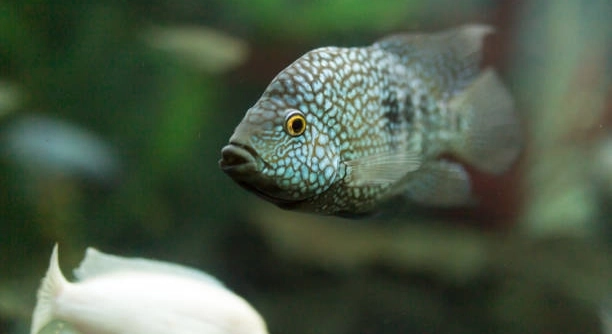
Jack Dempsey fish are known for their vibrant colors and energetic behavior. Observing them flash or change color can be both fascinating and concerning for aquarists who want to maintain a healthy tank environment.
Flashing in Jack Dempsey fish is typically a result of environmental stressors, parasites, poor water quality, aggressive tank mates, sudden changes in lighting, inadequate diet, or disease. Identifying the underlying cause is essential for proper care and treatment.
Understanding why your Jack Dempsey is flashing can prevent further health issues. The causes may seem minor, but addressing them ensures a stable and thriving aquarium.
Common Causes of Flashing in Jack Dempsey Fish
Jack Dempsey fish often flash due to changes in their environment or internal discomfort. Poor water quality is a frequent reason, as high levels of ammonia, nitrite, or nitrate irritate their skin. Stress from aggressive tank mates or overcrowding can also trigger flashing. Sudden shifts in temperature or lighting may shock the fish, prompting them to rub against surfaces. Parasites are another concern, as external parasites can cause itching and discomfort. Even diet plays a role; insufficient nutrition weakens their immune system, making them more sensitive to stress and infection. Observing their behavior and tank conditions closely helps identify patterns and potential issues. Preventing flashing involves maintaining a stable and clean environment, monitoring water parameters, and ensuring a balanced diet. Awareness and consistent care can reduce stress and keep your Jack Dempsey healthy and vibrant, minimizing the chances of frequent flashing and potential illness.
Flashing is a visible sign that something in the tank needs attention. Addressing it quickly supports overall fish health.
By observing when and where the fish flash, you can identify triggers like aggressive neighbors or poor water flow. Small changes, such as rearranging decor or improving filtration, often help. Monitoring diet, ensuring high-quality food, and keeping the tank clean will reduce stress. Regular testing of water parameters is essential to prevent recurrence, keeping your fish comfortable.
How Parasites and Disease Trigger Flashing
Parasites or disease often cause Jack Dempsey fish to flash when their skin or gills are irritated. Parasites like flukes or ich attach to the fish, causing constant discomfort. Stress from illness makes their immune system weaker, which can increase flashing behavior. Early detection is crucial to prevent worsening symptoms. Watching for additional signs, like lethargy, spots, or clamped fins, helps determine if medical intervention is necessary. Treatments vary depending on the type of parasite or disease, ranging from medicated baths to tank-wide treatments. Proper quarantine practices for new fish reduce the risk of spreading disease. Ensuring stable water conditions and a nutritious diet supports recovery and minimizes stress-related flashing. Maintaining a consistent care routine allows the fish to regain normal behavior while preventing relapses.
Flashing from parasites or disease requires careful observation and immediate action to avoid long-term health issues.
Addressing flashing caused by parasites involves isolating the affected fish and treating the tank appropriately. Medicated treatments often target specific parasites, while improving water quality strengthens the fish’s resistance. Avoid overcrowding and remove aggressive tank mates to reduce stress during recovery. Consistent monitoring of temperature, pH, and ammonia levels ensures a stable environment. Providing a balanced diet with proper nutrients supports the immune system, allowing the fish to heal faster. Preventive measures, such as quarantining new fish and maintaining cleanliness, help avoid future outbreaks. Quick and deliberate actions protect both the affected Jack Dempsey and other fish in the tank, reducing flashing incidents.
Water Quality Issues
Poor water quality is a main reason Jack Dempsey fish flash. High ammonia, nitrite, or nitrate levels irritate their skin and gills. Sudden changes in pH or temperature also trigger flashing. Regular water testing and maintenance are essential to prevent these problems.
Keeping water clean requires frequent monitoring and adjustments. Ammonia and nitrite should always be at zero, while nitrate should remain low. Partial water changes, proper filtration, and avoiding overfeeding help maintain stable conditions. Tank decorations and substrate must be cleaned regularly, and old uneaten food removed to reduce waste accumulation. A stable, clean environment minimizes stress and keeps the fish healthy.
Water flow and aeration also affect flashing. Strong currents can tire fish, while stagnant water reduces oxygen, making them more sensitive. Consistent temperature and pH levels are necessary, as rapid fluctuations cause stress. Maintaining balance in all these areas creates a safe environment and reduces flashing incidents. Observing behavior after changes helps identify if conditions are appropriate or if further adjustments are needed.
Aggressive Tank Mates
Aggressive tank mates often provoke flashing in Jack Dempsey fish. Constant chasing or nipping irritates their skin, causing rubbing and color changes. Stress from such interactions can weaken the immune system, making them more prone to disease and parasites.
Separating aggressive fish or rearranging tank space helps reduce tension. Providing hiding spots and visual barriers can give Jack Dempsey fish safe areas to retreat. Observing interactions allows you to identify problem fish quickly. Ensuring adequate tank size reduces territorial disputes, as crowding often increases aggression.
Long-term tank harmony depends on careful selection of compatible species. Mixing territorial cichlids with peaceful fish often leads to constant stress. Providing proper feeding schedules and consistent environmental conditions further reduces conflicts. Monitoring behavior and making adjustments when necessary ensures that Jack Dempsey fish can thrive without unnecessary flashing caused by aggressive neighbors.
Sudden Changes in Lighting
Sudden changes in lighting can make Jack Dempsey fish flash. Bright or flickering lights startle them, causing rapid color shifts and rubbing against surfaces. Gradual adjustments help reduce stress and maintain normal behavior.
Consistent lighting schedules support natural rhythms. Using timers and avoiding sudden on/off cycles keeps the fish comfortable. Proper light intensity and placement also prevent unnecessary flashing and promote overall tank health.
Poor Diet
A poor diet can lead to flashing by weakening the immune system. Jack Dempsey fish require high-quality, varied food to stay healthy. Nutrient deficiencies make them more sensitive to stress and illness, increasing the likelihood of flashing.
Parasites
External parasites like ich or flukes attach to the skin and gills, causing irritation. This makes Jack Dempsey fish flash frequently to relieve discomfort. Regular observation and early treatment are necessary to prevent severe health issues.
Temperature Fluctuations
Sudden temperature changes trigger stress in Jack Dempsey fish. Rapid shifts can make them flash, weaken their immune system, and increase susceptibility to disease. Maintaining a stable, appropriate temperature is essential for their comfort and overall health.
FAQ
Why is my Jack Dempsey flashing constantly?
Constant flashing usually indicates stress or discomfort. Common reasons include poor water quality, aggressive tank mates, parasites, sudden changes in temperature or lighting, or an inadequate diet. Observing their environment and daily habits can help pinpoint the issue. Addressing the cause quickly is essential for their health.
Can flashing harm my Jack Dempsey?
Yes, frequent flashing can lead to physical injury from rubbing and skin irritation. It also signals stress, which weakens the immune system and increases susceptibility to disease. Resolving the underlying problem is important to prevent long-term health complications.
How can I stop my Jack Dempsey from flashing?
Stabilizing water parameters, providing hiding spots, ensuring compatible tank mates, and feeding a nutritious diet all reduce flashing. Gradual lighting changes and careful monitoring for parasites also help. Consistency in the environment keeps stress levels low, allowing fish to behave normally.
Does flashing always mean parasites?
Not always. While parasites are a common cause, flashing can result from stress, poor water quality, or aggressive tank mates. Observing additional signs like white spots, clamped fins, or lethargy helps determine if parasites are present. Early intervention prevents more serious problems.
Should I isolate my Jack Dempsey if it is flashing?
Isolation is recommended if flashing is caused by disease or parasites. Quarantining the fish prevents spreading issues to others in the tank. For stress-related flashing, providing hiding spots and reducing aggression is often sufficient without full isolation.
Can diet affect flashing?
Yes, a poor diet weakens the immune system, making Jack Dempsey more sensitive to stress, disease, and parasites. Feeding high-quality, varied food supports overall health and reduces flashing caused by nutritional deficiencies.
How do I know if water quality is the problem?
Testing ammonia, nitrite, nitrate, and pH levels regularly helps identify poor water quality. Sudden changes or consistently high readings often correlate with flashing. Keeping a stable, clean environment reduces stress and prevents repeated flashing incidents.
Is flashing a sign of aggression from other fish?
Yes, aggressive tank mates can provoke flashing. Constant chasing, nipping, or territorial disputes stress Jack Dempsey fish, leading to rubbing and color changes. Ensuring proper tank size, compatible species, and hiding spaces minimizes aggression and reduces flashing.
Can temperature changes cause flashing?
Sudden temperature fluctuations stress Jack Dempsey fish, triggering flashing behavior. Maintaining stable water temperature appropriate for the species is essential. Using reliable heaters and avoiding rapid changes during maintenance keeps the fish comfortable.
When should I consult a vet or aquatic specialist?
If flashing persists despite stable water conditions, proper diet, and reduced aggression, professional advice is recommended. Persistent flashing accompanied by spots, lethargy, or abnormal behavior may indicate disease or severe parasites requiring targeted treatment.
Can lighting adjustments help reduce flashing?
Yes, sudden bright or flickering lights often trigger flashing. Using timers, gradually adjusting light intensity, and providing shaded areas allow fish to adapt comfortably, reducing stress-related flashing. Consistency in lighting helps maintain normal behavior patterns.
How long does it take for flashing to stop after fixing the cause?
Flashing usually decreases within a few days after resolving water quality issues, dietary deficiencies, or tank stress. Parasite or disease treatments may take longer. Continuous observation ensures that the fish is recovering and returning to normal behavior.
Does overcrowding contribute to flashing?
Yes, overcrowding increases stress and competition for space. Jack Dempsey fish in cramped tanks often flash due to irritation and limited retreat options. Providing adequate tank size and hiding spots reduces tension and minimizes flashing behavior.
Can stress alone cause flashing without disease?
Stress from environmental changes, aggressive tank mates, or poor conditions can cause flashing without any disease present. Reducing stress factors and stabilizing the tank often resolves flashing quickly, preventing additional health issues.
Are some Jack Dempsey more prone to flashing than others?
Individual temperament and sensitivity vary. Some fish react more strongly to minor changes in their environment. Observing each fish closely allows adjustments to care practices that suit their specific needs, reducing flashing and supporting overall health.
Does flashing indicate pain or discomfort?
Flashing is a sign of irritation or stress, which can be uncomfortable for the fish. While not always painful, it signals that something in their environment or health needs attention. Quick action improves comfort and prevents further problems.
How often should I check my tank to prevent flashing?
Daily observation is ideal. Monitoring behavior, checking water parameters, and removing uneaten food regularly prevents stress triggers. Regular maintenance supports overall health and reduces flashing incidents over time.
Can adding hiding spots reduce flashing?
Yes, hiding spots allow Jack Dempsey to retreat from aggression or stress. Rocks, plants, or decorations provide safe areas, reducing flashing caused by territorial disputes or environmental disturbances.
Is flashing a temporary behavior or a long-term problem?
Flashing is often temporary if the underlying issue is identified and corrected promptly. Persistent flashing indicates unresolved stress, disease, or poor conditions, requiring immediate attention to avoid long-term health issues.
What should I do first if I notice flashing?
Check water quality, observe tank mates, and assess diet. Gradual adjustments and careful monitoring help identify the cause. Early intervention prevents worsening stress and potential health complications for your Jack Dempsey fish.
Can flashing indicate multiple problems at once?
Yes, flashing may result from a combination of stress, parasites, diet, and water issues. Addressing all potential factors simultaneously ensures faster recovery and prevents recurring flashing behavior.
Final Thoughts
Jack Dempsey fish are naturally vibrant and active, and flashing is one of the ways they communicate discomfort or stress. Observing this behavior carefully can give insight into their overall well-being. Many factors can trigger flashing, including water quality, temperature changes, lighting, aggressive tank mates, diet, and parasites. Each factor affects the fish differently, but all are connected to creating a stable and comfortable environment. Maintaining proper water parameters, consistent temperature, and balanced nutrition forms the foundation of good care. Simple adjustments, like providing hiding spaces or rearranging decorations, can also make a significant difference in reducing stress. Paying attention to the tank environment and the fish’s behavior allows you to address problems early before they develop into more serious health issues.
Flashing is often a symptom rather than the main problem. For example, a Jack Dempsey rubbing against rocks may appear dramatic, but it is usually responding to irritation caused by parasites or poor water conditions. Similarly, flashing caused by aggressive tank mates is a behavioral response to stress. Identifying the root cause is essential for resolving the issue. Regular monitoring of the fish and their surroundings helps prevent repeated flashing episodes. Observing their daily habits, eating patterns, and interactions with other fish can provide important clues. Consistent care and proactive measures often lead to a noticeable reduction in flashing behavior, and the fish regain their natural colors and calm demeanor.
Addressing flashing requires patience and attention. Some causes, like minor stress or lighting changes, may resolve quickly, while parasites or disease require proper treatment and careful observation. Ensuring high-quality food, stable water conditions, and a peaceful tank environment creates the best conditions for recovery and long-term health. Small, consistent improvements often have a big impact, reducing flashing and keeping the fish active and healthy. By understanding and responding to the reasons behind flashing, you can support your Jack Dempsey’s overall well-being. Over time, these steps help maintain a vibrant, stress-free tank and allow the fish to thrive. Regular attention and care make flashing less frequent and improve the overall quality of life for your fish.

Hello,
If you enjoy the content that we create, please consider saying a "Thank You!" by leaving a tip.
Every little bit helps us continue crafting quality advice that supports the health, happiness, and well-being of pets around the world, for pets of all shapes, sizes, and species.
We really appreciate the kindness and support that you show us!