
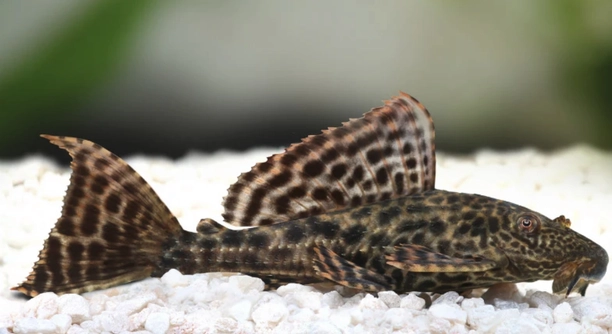
Many aquarium owners enjoy keeping plecos due to their peaceful nature and ability to help maintain tank cleanliness. However, ensuring they receive the proper nutrition can sometimes be overlooked. A well-fed pleco is a happy pleco.
The simplest way to ensure your pleco gets enough food is by providing a balanced diet of algae, sinking pellets, and occasional vegetables. Plecos are bottom-feeding fish, so the food should be easily accessible to them in the tank.
Knowing the right foods and how often to feed your pleco can make all the difference in maintaining its health and tank happiness.
What Do Plecos Eat?
Plecos are primarily herbivores but can also eat some protein sources. Their diet includes algae, detritus, and fallen plant matter in the wild. In an aquarium, they typically need sinking pellets, algae wafers, and fresh vegetables like zucchini or cucumber. Some plecos enjoy occasional protein like bloodworms or shrimp, but this should not be the main part of their diet. A variety of foods ensures that they get the nutrients they need to thrive. Always keep in mind that the food should be accessible to them, especially since plecos often feed at night or near the bottom of the tank.
Many plecos also benefit from a natural algae source in the tank, which can help mimic their wild environment. Algae growth can provide a healthy and tasty snack between feedings. However, relying solely on algae from the tank may not be enough for all plecos, so offering supplemental food is essential.
Providing a diverse range of food helps prevent any nutritional gaps that could lead to health issues. This also keeps your pleco engaged, reducing the risk of boredom or stress.
How Often Should You Feed Your Pleco?
Plecos should be fed once a day, but it’s important to avoid overfeeding. Offering food in the evening is often a good choice, as they are nocturnal feeders. Ensure that the food is gone within a few hours to prevent water quality issues. It’s best to observe your pleco and adjust the amount based on how much it consumes.
Feeding too much can cause uneaten food to decompose, which can pollute the water and affect your pleco’s health. Plecos can go without food for a day or two if necessary, especially if they are getting enough algae and natural food in the tank. Monitor their behavior and adjust accordingly.
If your pleco isn’t eating the food provided, try adjusting the types of food offered. Some plecos are pickier than others. A mix of vegetables, algae wafers, and sinking pellets should satisfy their appetite. Don’t forget to remove any uneaten food after a few hours to keep the water clean.
Signs Your Pleco Is Not Getting Enough Food
A pleco that isn’t eating enough may start showing signs of malnutrition. If your pleco is thin or its body appears to have a sunken stomach, it’s likely not getting the proper nutrition. It’s also common for underfed plecos to exhibit sluggishness or a lack of interest in food altogether.
These signs should be addressed immediately, as malnutrition can weaken a pleco’s immune system. If you notice these symptoms, try adjusting their diet or feeding schedule. It might also be helpful to check if they have access to algae or natural food in the tank, which could be a better option for some plecos.
Remember that not all plecos eat the same way. Some may prefer certain types of food or have specific feeding habits. Consistent monitoring and adjusting their feeding routine will help ensure they are getting enough to stay healthy and active.
Feeding Plecos in a Community Tank
In a community tank, it’s important to ensure your pleco gets its share of food without competition. Other fish may beat the pleco to the food, leaving it hungry. You can avoid this by placing food near the bottom where your pleco is more likely to get to it.
One way to ensure your pleco eats properly is to feed it at night when other fish may be less active. You can also use feeding clips to hold vegetables or algae wafers, making it easier for the pleco to access its meal. This helps ensure it’s getting enough nutrition.
The Best Vegetables for Your Pleco
Plecos enjoy a variety of vegetables like zucchini, cucumber, and sweet potato. These vegetables can be blanched or left raw, depending on your pleco’s preference. It’s best to remove any uneaten veggies after a few hours to avoid contamination in the tank.
Different plecos may have different preferences, so observe how they react to each vegetable. Providing a mix of vegetables can offer the variety needed for optimal health. You can even experiment with offering leafy greens like spinach, which can be a hit with some plecos.
Sinking Pellets vs. Algae Wafers
Sinking pellets and algae wafers are both good food options for plecos, but each has its benefits. Sinking pellets are often packed with nutrients and help ensure that your pleco gets a balanced diet. Algae wafers, on the other hand, offer a more natural food source for plecos that enjoy grazing on algae.
FAQ
How do I know if my pleco is getting enough food?
If your pleco appears healthy, active, and has a full, rounded body without any noticeable thinness or sunken stomach, it’s likely eating enough. Watch how much food it consumes and check for leftovers. Uneaten food can pollute the water, so make sure it disappears within a few hours. If it’s not eating, try offering different foods, such as sinking pellets or vegetables, to see what it prefers.
Can plecos eat just algae in their tank?
While plecos are known for grazing on algae, they shouldn’t rely solely on it for nutrition. Algae may not provide all the vitamins and minerals they need. It’s important to supplement their diet with sinking pellets, vegetables, or algae wafers to make sure they get a balanced diet. If your tank is low on algae, additional food sources are necessary.
Should I feed my pleco at night?
Yes, feeding your pleco at night can be beneficial since they are nocturnal creatures. They tend to be more active and hungry when the lights go off. Offering food in the evening can help ensure that your pleco gets its fair share before other fish can grab it. Just make sure the food doesn’t remain in the tank too long to avoid water contamination.
How often should I feed my pleco?
You should feed your pleco once a day. Depending on the species, some plecos may even do well with feeding every other day. The key is to avoid overfeeding. Giving your pleco the right amount of food each day ensures they’re getting enough nutrition while preventing excess waste in the tank. Watch your pleco’s body condition to gauge if you need to adjust their feeding schedule.
What are some signs of overfeeding my pleco?
Overfeeding can lead to several issues, including cloudy water, excess waste, and a decrease in water quality. If you notice these signs, you may be providing more food than your pleco can consume. It’s also important to watch for uneaten food. If it’s left in the tank for too long, it can cause harmful bacteria to grow, affecting both your pleco and the tank environment.
Can I feed my pleco other types of food besides vegetables and pellets?
Yes, your pleco can occasionally enjoy protein-based foods like bloodworms, brine shrimp, or small pieces of fish. These treats should be given sparingly and should not replace their regular diet of vegetables and algae-based foods. Protein is important for plecos, but they thrive mostly on plant-based foods. Always keep a balance between plant and protein sources.
How do I prepare vegetables for my pleco?
To prepare vegetables for your pleco, you can blanch them first by boiling them briefly and then cooling them down. This makes it easier for the pleco to digest. Vegetables like zucchini, cucumber, and sweet potato are great choices. You can also offer them raw if your pleco prefers them that way. Just make sure to remove any leftover vegetables after a few hours to prevent contamination in the tank.
How do I know which type of food my pleco likes?
Each pleco may have different preferences. Some may love algae wafers, while others prefer sinking pellets or vegetables. Observing your pleco’s feeding habits and experimenting with different foods will help you determine what it enjoys most. It’s important to offer a variety of foods to ensure a balanced diet and avoid boredom.
Can plecos eat fruit?
While plecos are primarily herbivores, some may enjoy small amounts of fruit, like apples or melons. However, fruit should be given in moderation because it contains natural sugars that can affect their digestion. Be sure to remove any uneaten fruit after a few hours to prevent it from decaying in the tank.
Why is my pleco not eating?
If your pleco isn’t eating, it could be due to several reasons. It might be stressed, unwell, or simply not interested in the food offered. Check the water conditions, as poor water quality can make a pleco lose its appetite. Make sure the food is suitable for its dietary needs and try offering different options. If the issue persists, it may be worth consulting a vet.
How can I encourage my pleco to eat more?
To encourage your pleco to eat more, provide a variety of foods like sinking pellets, algae wafers, and fresh vegetables. You can also try feeding at night when it’s more likely to be active. If other tank mates are competing for food, consider using feeding dishes or clips to give your pleco easy access to its meal. Additionally, ensure the water quality is optimal, as poor water conditions can reduce appetite.
Are algae wafers the best food for plecos?
Algae wafers are a great food option for plecos, as they mimic the algae they would naturally graze on. They provide essential nutrients and are designed to sink to the bottom of the tank, where plecos feel most comfortable. However, they should not be the only food in your pleco’s diet. Offering a variety of food options ensures they receive the full range of nutrients needed for their health.
Can I feed my pleco too much algae?
Feeding your pleco too much algae can lead to an imbalance in its diet. While plecos naturally eat algae, they also need a range of other nutrients that algae alone cannot provide. Excess algae in the tank can also cause water quality issues. Therefore, it’s important to complement algae with sinking pellets, vegetables, and occasional protein sources to maintain a balanced diet.
Final Thoughts
Feeding your pleco the right foods is crucial to maintaining its health and well-being. While plecos are primarily herbivores, they require a balanced diet that includes a mix of vegetables, algae, and sinking pellets. Their natural tendency to graze on algae in the wild is beneficial, but they also need additional food sources to ensure they get the proper nutrients. Regularly offering a variety of foods, such as zucchini, cucumber, or algae wafers, will help keep your pleco satisfied and healthy.
When it comes to feeding frequency, it’s important to avoid overfeeding. Plecos do best with one meal a day, though some may thrive with less frequent feedings. Overfeeding can cause water quality issues in the tank, as uneaten food decomposes and creates excess waste. By closely monitoring the amount of food you provide and making sure it’s all consumed within a few hours, you can prevent these problems. Adjusting the feeding schedule based on your pleco’s habits and behavior can also help ensure it gets the right amount of food.
Pay attention to your pleco’s behavior and physical condition as signs of whether it’s getting enough food. If it’s active, healthy, and not showing signs of malnutrition, then your feeding routine is likely on track. On the other hand, if your pleco seems thin or is not eating, it may be time to reassess its diet and feeding habits. Offering a variety of foods, feeding at appropriate times, and ensuring a clean tank environment will go a long way in keeping your pleco healthy and happy.

Hello,
If you enjoy the content that we create, please consider saying a "Thank You!" by leaving a tip.
Every little bit helps us continue crafting quality advice that supports the health, happiness, and well-being of pets around the world, for pets of all shapes, sizes, and species.
We really appreciate the kindness and support that you show us!