
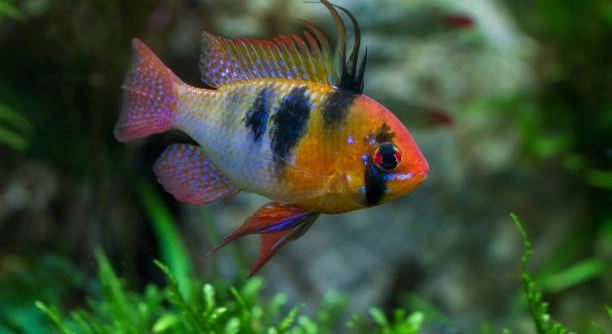
Is your convict cichlid truly thriving in its aquarium, or is it showing subtle signs of stress? These colorful fish have distinct behaviors that reveal their comfort and overall wellbeing in their environment.
A happy convict cichlid displays vibrant colors, active swimming patterns, and healthy feeding habits. Consistent territorial behavior without excessive aggression or hiding indicates a stable environment that supports both physical health and psychological well-being. Monitoring these signs ensures long-term care.
Observing their daily routines and environment closely can reveal important clues about their mood and health. Proper care enhances their quality of life significantly.
Common Signs of a Happy Convict Cichlid
A happy convict cichlid is active and curious, exploring its tank and interacting with its environment. Its colors are vivid, showing clear contrast between stripes. You might notice playful chasing with tank mates, but aggression remains controlled. Healthy appetite is another key sign, as they eagerly eat prepared foods or live foods without hesitation. Fins are fully extended, and the fish swims smoothly without erratic movements. Resting periods are short, and they often hover near structures or decorations, indicating comfort. Hiding occasionally is normal, but consistent hiding or lethargy can suggest stress or illness. Maintaining proper water quality, temperature, and tank size contributes significantly to a cichlid’s happiness. Regular observation helps you notice small changes that may signal a problem early, allowing you to adjust care routines promptly. A stable environment with predictable feeding and minimal disturbances supports their well-being.
Consistency in care encourages a confident, stress-free fish that enjoys its environment fully.
Monitoring behaviors closely ensures you can spot issues before they become serious problems, supporting long-term health.
Factors Affecting Mood and Health
Water conditions play a significant role in a convict cichlid’s happiness. Proper pH levels, temperature, and regular water changes reduce stress and prevent disease. Overcrowding can cause aggression, while a well-decorated tank with hiding spots provides security. Nutrition also affects behavior, as varied diets with proper proteins and vitamins support energy and color. Sudden changes in environment or tank mates can trigger anxiety, leading to hiding or aggression. Providing a balanced habitat and predictable routine helps your cichlid feel secure and exhibit natural behaviors. Regular observation allows quick adjustments to maintain optimal conditions, ensuring a thriving fish.
Diet, tank setup, and social interactions influence how a convict cichlid feels daily. Proper attention to these elements keeps behavior healthy and predictable.
Ensuring the tank is spacious enough for swimming, with rocks or plants for hiding, reduces stress and allows natural exploration. Feeding a mix of flake, pellet, and occasional live foods enhances nutrition and stimulates activity. Maintaining stable water parameters prevents disease and supports vibrant coloration. Watching interactions with other fish helps manage aggression while promoting social behavior. A consistent routine of feeding, cleaning, and observing your fish fosters trust and reduces stress. By combining environmental, dietary, and behavioral care, you create a balanced habitat where your convict cichlid can thrive. Proper planning and observation are key to keeping them active, healthy, and visibly content over time.
Creating a Comfortable Tank Environment
Proper tank size is essential for a convict cichlid’s comfort. A minimum of 30 gallons allows swimming and reduces stress. Decorations like rocks, caves, and plants provide hiding spots and mimic natural habitats. A stable environment helps maintain their routine.
Adding rocks, driftwood, and plants not only provides hiding spaces but also creates boundaries that reduce aggression. Convict cichlids are territorial, and structured areas allow them to claim spaces without constant conflict. Smooth surfaces prevent injury, and placement of decor should allow open swimming areas. Light levels should mimic natural cycles, supporting healthy activity and rest patterns. Observing their interaction with the environment helps adjust decorations and layout for comfort.
Filtration and water movement also play a crucial role. Strong currents can stress these fish, while gentle flow keeps water clean and oxygenated. Regular maintenance ensures stable temperature and pH levels. Hiding spots near the substrate and mid-level areas provide choices for resting or retreating. A combination of open areas and shelters allows natural behavior and reduces stress, keeping your convict cichlid active, healthy, and visibly happy.
Monitoring Behavior and Health
Frequent observation is key to spotting early signs of stress or illness. Watch swimming patterns, appetite, and coloration closely. Subtle changes indicate problems.
Changes in behavior, such as prolonged hiding, erratic swimming, or loss of appetite, often signal health issues or environmental stress. Maintaining a consistent feeding schedule and monitoring interactions with tank mates helps identify potential aggression or bullying. Water testing is necessary to catch chemical imbalances early, preventing long-term harm. Monitoring growth and fin condition ensures the fish develops normally without deformities. Regular observation builds familiarity with your cichlid’s typical behavior, making anomalies easier to detect.
Physical condition is equally important. Look for clear eyes, intact fins, and vibrant colors. Cloudiness, torn fins, or faded stripes can indicate illness or poor water conditions. Keep track of molting or shedding patterns, as irregularities may reflect stress. Healthy cichlids display steady, deliberate movements and interact naturally with the tank environment. Prompt attention to signs of disease, combined with proper care and environmental adjustments, supports long-term health and happiness. Observing both behavior and physical traits ensures a well-cared-for fish that thrives in its aquarium.
Feeding Habits and Diet
A balanced diet keeps convict cichlids healthy and active. They thrive on a mix of flakes, pellets, and occasional live or frozen foods. Overfeeding can cause obesity and water quality issues, so portion control is essential.
Consistency in feeding times helps reduce stress. Observing how eagerly they eat provides insight into their mood and overall health. Offering a variety of foods ensures they receive proper nutrients for growth, coloration, and energy.
Social Behavior in the Tank
Convict cichlids can be territorial, especially during breeding. Maintaining proper spacing and hiding spots reduces conflicts and aggression. Introducing tank mates carefully supports peaceful interactions.
Breeding Indicators
Breeding behavior includes digging, nest building, and pairing off. Observing these actions signals a comfortable and healthy environment that supports reproduction.
Adjusting Water Conditions
Stable water temperature, pH, and cleanliness are critical for happiness. Regular monitoring and small adjustments prevent stress and illness.
FAQ
How can I tell if my convict cichlid is happy?
A happy convict cichlid shows vibrant colors, active swimming, and regular eating habits. It interacts with its environment confidently and may display mild territorial behavior without constant aggression. Fins are fully extended, and resting periods are brief. Watching daily routines helps identify comfort levels.
What signs indicate stress or unhappiness?
Stress can appear as hiding, sluggish swimming, loss of appetite, or faded colors. Erratic movements or aggressive outbursts toward tank mates are also indicators. Sudden changes in behavior, like refusing food or constantly darting around, often point to environmental or health issues.
How important is tank size for their happiness?
Tank size directly affects a convict cichlid’s comfort. A minimum of 30 gallons is recommended for a single fish or pair. More space reduces territorial disputes and allows swimming. Providing hiding spots and open areas mimics natural habitats and supports natural behavior.
What diet keeps them healthy?
A varied diet is crucial. Flakes, pellets, and occasional live or frozen foods provide essential nutrients. Overfeeding leads to obesity and water problems, while underfeeding weakens the fish. Offering food at consistent times promotes routine and reduces stress.
Can they live with other fish?
Yes, but careful selection of tank mates is necessary. Convict cichlids are territorial, particularly when breeding. Avoid small, slow, or docile fish that may be bullied. Larger, similarly active fish with strong temperaments are more compatible in a shared tank.
How do water conditions affect their behavior?
Stable water conditions are vital. Temperature, pH, and cleanliness influence mood, health, and activity. Sudden fluctuations cause stress and weaken immunity. Regular monitoring and gradual adjustments prevent issues, ensuring a comfortable and stable environment.
How often should I clean the tank?
Partial water changes of 20-25% weekly help maintain water quality. Clean filters regularly and remove uneaten food or debris. Maintaining cleanliness reduces stress, prevents disease, and supports healthy behavior. Avoid full tank cleaning, which can disrupt beneficial bacteria.
What are the breeding signs to watch for?
Pairs often dig pits in substrate, chase each other less aggressively, and guard certain areas. Brightened coloration and nest preparation indicate readiness. Breeding behavior is a sign the fish feels secure and content in its environment.
Can they get lonely?
Convict cichlids are social but territorial. Some prefer pairs, while others thrive alone. Overcrowding or improper pairing increases aggression, while thoughtful tank composition provides companionship without stress.
How do I reduce aggression in the tank?
Provide ample hiding spots, structured territories, and sufficient space. Separating overly aggressive individuals or adjusting tank layout can reduce conflict. Observing interactions and intervening early prevents injuries and maintains harmony.
How can I improve their overall happiness?
Stable water, varied diet, enriched environment, and consistent routines are key. Watching behavior closely and making adjustments as needed ensures your convict cichlid remains active, healthy, and visibly content. Small changes often have a significant positive effect.
What are common mistakes to avoid?
Overcrowding, irregular feeding, sudden water changes, and insufficient hiding spaces cause stress. Ignoring early signs of illness or aggressive behavior can lead to long-term problems. Consistency and careful observation prevent most common issues.
How do I know if they are healthy?
Healthy convict cichlids have clear eyes, vibrant stripes, intact fins, and smooth swimming. Lack of appetite, faded coloration, or abnormal movements signal illness. Regular observation and proper care ensure long-term well-being.
Are there environmental enrichments that help?
Yes, rocks, caves, plants, and substrate variation encourage natural behavior and reduce stress. Light cycles that mimic day and night also support healthy activity and resting patterns. Simple enrichment significantly enhances quality of life.
How often should I check water parameters?
Weekly testing of temperature, pH, and ammonia levels is recommended. Frequent monitoring helps catch problems early and maintain a stable, comfortable environment. Prompt adjustments prevent stress and keep your convict cichlid happy.
Can diet alone affect their behavior?
Yes, insufficient nutrients or an unbalanced diet can cause lethargy, aggression, or poor coloration. A mix of proteins, vitamins, and occasional live foods supports energy, health, and positive behavior.
What should I do if my cichlid hides constantly?
Persistent hiding usually signals stress, poor water quality, or aggression from tank mates. Check water parameters, provide additional hiding spots, and ensure tank mates are compatible. Observing changes over several days helps identify and fix the issue.
How do I encourage natural behavior?
Structured territories, hiding spots, varied diet, and consistent routines encourage swimming, foraging, and mild social interactions. Mimicking natural habitats supports mental and physical health. Regular observation ensures adjustments meet their needs effectively.
Can they recognize their owners?
Convict cichlids can become familiar with routine feeding and human presence. They may swim near the front of the tank during feeding times. Recognition is based on consistent interactions and predictable care.
How long do they typically live?
With proper care, convict cichlids can live 8-10 years. Maintaining stable water, good diet, and stress-free environment contributes to longevity and overall happiness.
What are warning signs of illness?
Cloudy eyes, torn fins, faded stripes, erratic swimming, or loss of appetite indicate potential health issues. Early intervention with water adjustments, diet, or treatment improves recovery chances.
Are certain decorations better for them?
Smooth rocks, caves, and live plants are ideal. Avoid sharp objects that may injure fins. Properly placed decorations support hiding, territory formation, and natural behaviors.
How do I handle aggression during breeding?
Pairs become highly territorial. Provide multiple hiding spots and separate aggressive individuals if necessary. Observing interactions closely prevents injuries while allowing natural breeding behavior.
Does lighting affect their happiness?
Consistent light cycles that mimic day and night help regulate activity, feeding, and rest. Sudden or overly bright lights may stress the fish, while natural cycles support healthy behavior.
Can I mix juveniles and adults?
Mixing age groups can increase aggression, especially in smaller tanks. Providing sufficient space, hiding spots, and monitoring interactions is necessary to prevent bullying.
How often should I feed them?
Once or twice daily is sufficient. Overfeeding can pollute water and cause obesity, while consistent routines maintain comfort and reduce stress. Observing appetite helps adjust portions.
Is it normal for them to chase each other?
Yes, mild chasing is typical territorial behavior. It becomes concerning when chasing leads to injury or prolonged stress. Structured territory and hiding spots reduce excessive aggression.
How can I keep them active?
Provide open swimming areas, varied diet, and environmental enrichment. Regular observation ensures adjustments maintain engagement and reduce stress. Active fish display natural behavior and bright coloration.
Do they need companionship?
Pairs or compatible tank mates can support natural behavior. Avoid overcrowding or aggressive pairings, as this increases stress. Proper social setup encourages healthy interactions.
What should I do if a fish becomes lethargic?
Check water quality, diet, and tank conditions. Lethargy often signals stress or illness. Prompt observation and adjustments help prevent worsening health.
How do I maintain stable water conditions?
Regular testing, partial water changes, and careful monitoring of temperature and pH maintain stability. Gradual adjustments prevent shock and support a stress-free environment.
Are there seasonal changes that affect them?
Temperature and light fluctuations can influence behavior. Consistent tank conditions minimize stress and maintain normal activity throughout the year.
How do I prevent fin damage?
Avoid sharp decorations, aggressive tank mates, and overcrowding. Healthy fins indicate proper care and a stress-free environment.
Can they adapt to new tanks easily?
Gradual acclimation to temperature, pH, and tank layout reduces stress. Careful monitoring during the first days ensures a smooth transition.
Is water movement important?
Gentle flow keeps water clean and oxygenated. Strong currents can cause stress, while stagnant water increases the risk of illness. Proper flow supports active and healthy behavior.
How do I handle aggression between tank mates?
Separate overly aggressive fish, provide hiding spots, and ensure sufficient space. Observing behavior and making adjustments prevents injuries and maintains harmony.
Can they get bored?
Yes, lack of environmental enrichment can lead to lethargy. Rocks, caves, plants, and varied diet encourage natural behavior and activity.
What should I do if colors fade?
Faded colors often signal stress, illness, or poor diet. Check water quality, nutrition, and tank conditions to restore vibrancy.
How do I know if the tank is too small?
Limited swimming space, constant aggression, and hiding indicate overcrowding. Providing minimum recommended tank size ensures comfort and reduces stress.
Do they need a specific substrate?
Soft substrate like sand or smooth gravel allows digging and nest building. Avoid rough surfaces that can damage fins.
How can I encourage breeding without stress?
Provide ample hiding spots, stable water conditions, and a calm environment. Gradual introduction of pairs supports natural reproductive behavior.
Is it normal for them to be aggressive with other cichlids?
Yes, territorial disputes are common. Proper tank size, hiding spots, and compatible pairings reduce conflict. Observing interactions prevents injuries.
How often should I observe them?
Daily observation is ideal. Noticing subtle changes in behavior, appetite, or appearance helps maintain health and happiness.
What is the best way to handle illness?
Identify symptoms early, adjust water quality, isolate if necessary, and provide proper treatment. Prompt action increases recovery chances.
Do they need plants in the tank?
Live or artificial plants provide hiding spots, reduce stress, and encourage natural exploration. Placement supports territorial boundaries and activity.
How do I prevent aggression during feeding?
Distribute food evenly, avoid overfeeding, and ensure sufficient space. Observing interactions prevents conflicts and promotes calm feeding behavior.
Can they tolerate changes in temperature?
Gradual changes are tolerable, but sudden fluctuations stress the fish. Maintaining consistent temperature supports health and natural behavior.
How do I know if a tank mate is compatible?
Observe interactions carefully. Compatible fish swim confidently without constant chasing or injury. Adjusting tank layout helps manage conflicts.
What should I do if my cichlid refuses food?
Check water quality, diet, and stress factors. Temporary fasting may be normal, but prolonged refusal signals health or environmental issues.
Can they recognize feeding routines?
Yes, convict cichlids learn patterns and may anticipate feeding times. Consistency in schedule reduces stress and supports activity.
How do I maintain long-term happiness?
Stable environment, varied diet, proper tank mates, and environmental enrichment ensure continued health, activity, and visible contentment. Observation and adjustments are key.
What behavior indicates boredom?
Lethargy, repetitive swimming in small areas, or ignoring surroundings shows lack of stimulation. Enrichment restores activity and engagement.
Is water temperature critical during breeding?
Yes, maintaining optimal temperature supports spawning behavior and egg development. Fluctuations can cause stress or unsuccessful reproduction.
How do I handle sudden aggression?
Provide additional hiding spots, increase space, or temporarily separate aggressive fish. Observing interactions prevents injuries and restores harmony.
Are there signs they are adapting well to a new tank?
Exploring, regular feeding, bright colors, and normal social behavior indicate successful acclimation. Sudden hiding or stress signals adjustment issues.
How do I prevent disease outbreaks?
Maintain water quality, proper diet, and tank hygiene. Quarantine new fish and monitor for early signs of illness. Prevention is more effective than treatment.
Can environmental enrichment improve lifespan?
Yes, stimulating environments reduce stress, encourage natural behavior, and support overall health, contributing to longer life and contentment.
Do they enjoy hiding spots?
Yes, caves, plants, and rocks provide security and reduce stress. Multiple options allow natural choice and territorial behavior.
How do I tell if aggression is serious?
Injury, constant chasing, and prolonged stress indicate serious aggression. Adjusting space, hiding spots, or separating fish prevents harm.
What daily routines support happiness?
Feeding at consistent times, observing behavior, and maintaining water quality foster comfort and reduce stress. Small, consistent actions make a significant difference.
How often should I replace tank decorations?
Only as needed for safety or maintenance. Stable layout supports territory and reduces stress. Frequent changes can unsettle the fish.
Are there signs they are comfortable with tank mates?
Swimming confidently, mild interactions, and shared feeding areas indicate comfort. Avoid constant chasing or hiding.
How do I reduce stress during water changes?
Gradual changes, maintaining temperature, and using partial water replacement prevent shock. Gentle adjustments keep behavior normal and healthy.
What are the best hiding spots?
Caves, smooth rocks, and dense plants offer protection. Variety allows choice and reduces territorial disputes.
How can I tell if a fish is bored or stressed?
Lack of activity, repeated swimming patterns, hiding excessively, or loss of appetite signals boredom or stress. Environmental adjustments restore engagement.
Is occasional aggression normal?
Yes, mild territorial behavior is natural. Persistent or injurious aggression requires intervention.
How do I maintain optimal water chemistry?
Regular testing, partial water changes, and stable temperature prevent stress and illness. Consistent monitoring ensures a healthy environment.
What is the impact of sudden noise or movement?
Sudden disturbances can startle fish, causing stress or hiding. Calm handling supports comfort and natural behavior.
Do they benefit from live plants?
Yes, live plants provide hiding spots, reduce stress, and encourage natural exploration. Proper placement enhances tank structure and comfort.
How do I know if feeding portions are correct?
All food should be consumed within a few minutes. Leftovers indicate overfeeding, while refusal may indicate underfeeding or stress.
Can they become aggressive during nighttime?
Occasionally, especially if territory is challenged. Ensure enough hiding spots and avoid disturbances during rest periods.
How important is observation for happiness?
Daily observation helps detect early signs of stress, illness, or behavioral changes. Prompt attention maintains health and contentment.
What is the most common stressor?
Improper tank size, sudden water changes, or aggressive tank mates are frequent stressors. Addressing these factors supports long-term happiness.
Do they enjoy interaction with humans?
They can recognize feeding routines and may approach the front of the tank during feeding. Interaction is based on consistency.
How do I encourage active exploration?
Provide varied decorations, open swimming areas, and hiding spots. Rotating enrichment occasionally keeps the environment engaging without causing stress.
What behaviors show contentment?
Bright colors, steady swimming, normal appetite, and mild social interaction indicate a happy, comfortable fish.
How do I prevent hiding due to stress?
Stable water, compatible tank mates, and sufficient hiding spots reduce anxiety. Observing patterns helps address underlying causes.
Are tank mates necessary for happiness?
Not always. Some convict cichlids thrive alone, while others prefer compatible pairs. Proper space and structure are key.
Can poor diet cause aggression?
Yes, nutrient deficiencies or hunger may increase territorial behavior. Balanced feeding reduces stress and promotes calm interactions.
How do I tell if breeding behavior is healthy?
Pairs digging, nest guarding, and mild chasing indicate comfort and readiness. Excessive aggression or neglect signals stress or poor conditions.
Is it normal for them to dig substrate?
Yes, digging is part of natural behavior, especially during breeding or establishing territory. Providing soft substrate supports this activity.
How often should I monitor tank temperature?
Weekly checks are sufficient, with adjustments as needed. Sudden changes stress the fish and affect behavior.
Can sudden tank rearrangements affect them?
Yes, frequent changes increase stress and territorial disputes. Maintain consistent layout and only adjust when necessary.
Do they prefer open spaces or hiding spots?
A balance is best. Open areas allow swimming, while hiding spots provide security and reduce conflict.
How do I manage aggressive pairs?
Separate temporarily if fights are severe, provide additional hiding spots, and ensure ample space. Observing interactions prevents injury.
Can lighting influence feeding behavior?
Yes, consistent light cycles support appetite and activity. Sudden or overly bright lights can reduce feeding interest and cause stress.
How do I know if water changes are sufficient?
Stable water parameters and clear tank conditions indicate effective changes. Partial weekly replacements are generally recommended.
Are there signs of social comfort?
Peaceful swimming, shared territory, and mild interactions suggest comfort. Avoid constant chasing or hiding.
Can they adapt to a new diet easily?
Gradual introduction of new foods helps prevent stress and digestive issues. Observing appetite ensures proper adjustment.
How do I prevent overfeeding?
Offer portions consumed in a few minutes and maintain a consistent schedule. Adjust based on appetite and tank population.
Is tank cleanliness linked to happiness?
Yes, clean water reduces stress, prevents disease, and supports normal behavior. Regular maintenance is essential.
Do they need seasonal adjustments?
Stable conditions year-round reduce stress. Minor adjustments in temperature or lighting may mimic natural cycles but should be gradual.
How do I spot early illness signs?
Faded colors, clamped fins, erratic swimming, or loss of appetite signal problems. Early action improves recovery.
Are they affected by tank vibrations?
Yes, excessive vibrations or tapping stress fish and cause hiding or erratic swimming. Calm handling is important.
Can they remember their environment?
Yes, they learn tank layout, hiding spots, and feeding routines, which reduces stress and supports natural behavior.
How do I handle sudden water quality issues?
Immediate partial water change, testing, and adjustments prevent stress. Monitoring ensures conditions stabilize quickly.
What is the ideal temperature range?
75-80°F supports activity, feeding, and breeding. Consistency within this range prevents stress and promotes health.
Do decorations affect aggression?
Yes, properly placed hiding spots reduce territorial disputes. Lack of structure may increase fights.
How do I maintain long-term color vibrancy?
Balanced diet, stable water, and low-stress environment enhance coloration. Observation helps identify fading early.
Can they sense other fish’s stress?
Yes, stressed or injured fish can trigger defensive or aggressive reactions. Stable environment reduces this effect.
How do I know if a fish is thriving?
Bright colors, steady swimming, consistent appetite, and natural social behavior indicate a healthy, happy convict cichlid.
Are partial water changes better than full ones?
Yes, partial changes preserve beneficial bacteria while maintaining water quality. Full changes can
Final Thoughts
Maintaining a happy convict cichlid requires consistent attention to both their environment and daily routines. These fish thrive in tanks that provide sufficient space for swimming and structured areas for hiding. Proper decorations like rocks, caves, and plants create a natural environment where they can explore, establish territories, and feel secure. Observing their behavior regularly allows you to identify changes that may signal stress, aggression, or health issues. Simple actions, such as maintaining a clean tank and stable water conditions, go a long way in supporting their overall well-being. A balanced combination of open swimming areas and safe hiding spots ensures they can express natural behaviors without unnecessary stress.
Diet is another critical factor in a convict cichlid’s happiness. Feeding them a varied diet of flakes, pellets, and occasional live or frozen foods provides the necessary nutrients for energy, coloration, and growth. Overfeeding or underfeeding can negatively affect their health and behavior, so careful portion control and a consistent feeding schedule are essential. Watching how eagerly they eat and noting any changes in appetite can help you gauge their mood and overall condition. Along with nutrition, proper water quality, including temperature, pH, and cleanliness, has a direct impact on their behavior and health. Sudden fluctuations or poor conditions often lead to stress, lethargy, or aggression, making monitoring and adjustments a key part of care.
Social behavior also plays a significant role in a convict cichlid’s well-being. While they can be territorial and aggressive, especially during breeding, providing compatible tank mates and a structured environment reduces conflict and supports natural interactions. Even simple environmental enrichments, such as hiding spots, substrate for digging, and gentle water flow, encourage exploration and activity, keeping them mentally and physically engaged. Paying close attention to both physical and behavioral indicators allows you to respond quickly to any problems, ensuring a long, healthy life for your fish. Consistency, careful observation, and thoughtful adjustments are the most effective ways to maintain happiness, health, and vitality for your convict cichlid.

Hello,
If you enjoy the content that we create, please consider saying a "Thank You!" by leaving a tip.
Every little bit helps us continue crafting quality advice that supports the health, happiness, and well-being of pets around the world, for pets of all shapes, sizes, and species.
We really appreciate the kindness and support that you show us!