
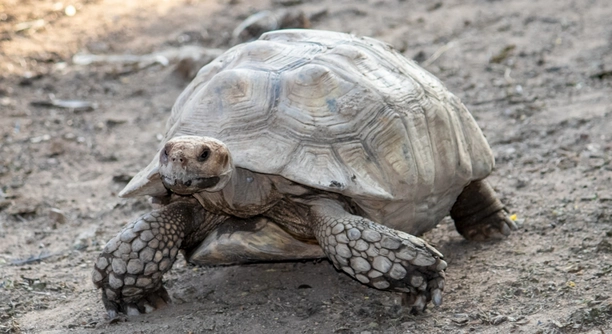
Determining whether your tortoise is male or female can be a bit tricky, especially if you’re new to owning one. Understanding the differences is important for care, breeding, and health purposes.
To identify if your tortoise is male or female, examine physical features such as the shape of the shell, the tail, and the plastron. Males typically have longer tails and a concave plastron, while females are flatter and shorter in the tail.
Recognizing these traits can help ensure proper care and understanding of your tortoise’s needs.
Physical Features to Examine
When determining the gender of your tortoise, the shape of the shell plays a key role. Males often have a slightly raised and more dome-shaped carapace, while females tend to have a flatter one. This difference is important for mating, as a raised shell helps males mount females during reproduction. Additionally, you’ll want to look at the plastron (the bottom part of the shell). Male tortoises usually have a concave plastron, which allows them to sit comfortably on top of females during mating. Females, on the other hand, have a flat plastron for extra room to carry eggs.
Tortoises also exhibit tail differences between genders. Male tortoises generally have longer and thicker tails than females, which are needed for mating purposes. A quick comparison between the tails can give you a clue about their sex.
These physical traits are easy to observe and can provide immediate insight into whether you’re caring for a male or female tortoise. Understanding these signs is essential for anyone looking to give proper care.
Behavior Differences
Male tortoises often display more aggressive behavior, especially during the breeding season. They might try to mount females, and they may even approach other males aggressively. This behavior is most noticeable when they’re looking for a mate. Female tortoises are usually calmer and focus more on foraging and nesting.
While it may be harder to identify behavioral differences at all times, noticing the signs during mating seasons or specific periods of rest will help. Males are often more vocal, making grunting or other noises when they feel threatened or when trying to get the attention of a mate.
Understanding your tortoise’s behavior can help you better interpret its needs, especially when considering breeding or overall care.
Tail Differences
The tail is one of the most noticeable differences between male and female tortoises. Males typically have longer, thicker tails, while females have shorter and more slender tails. The length and shape of the tail are crucial for mating, as males use it to copulate with females.
It’s important to observe the position of the tail as well. Male tortoises usually position their tails to the side when walking, as this allows them to carry their reproductive organs. In contrast, females tend to keep their tails more neutral, without the same sideward tilt. This distinction becomes more obvious as the tortoise matures.
For a clearer identification, gently lifting the tail of your tortoise will provide a better view of its length and shape. While tail differences are most noticeable in adult tortoises, even younger ones show subtle distinctions. This can help you determine the sex even at an earlier age.
Plastron Shape
The shape of the plastron is another key feature for identifying your tortoise’s gender. Males have a concave plastron, which allows them to fit better when mounting a female during mating. In contrast, females have a flatter plastron, providing space for carrying eggs.
This characteristic becomes more apparent as the tortoise matures. Juvenile tortoises may not show a strong concave or flat plastron, but as they grow, the difference becomes clearer. The shape of the plastron helps with reproductive success, ensuring that males can effectively mate with females.
By observing the plastron’s shape, you can easily distinguish between male and female tortoises. The difference isn’t always visible at birth, but it will become noticeable as they approach sexual maturity. This method is highly effective for most species of tortoises.
Shell Shape
Male tortoises tend to have a more domed, raised shell, while females have flatter shells. The raised shell in males helps with mating, allowing them to mount females more easily. Females’ flatter shells provide extra room for carrying eggs, making it an important feature for reproduction.
Observing the shell’s curvature is one of the easiest ways to identify the gender of your tortoise. This difference becomes more apparent as they reach maturity. Male tortoises, with their dome-shaped shells, are more suited for mounting, whereas females have flat shells to facilitate egg-laying.
The shell shape helps with both the tortoises’ mating behavior and the protection of their bodies. This is a clear indication of the differences between males and females, which will be noticeable in adult tortoises.
Size Differences
Generally, female tortoises are larger than males. This is especially true for species where females need more space to accommodate eggs. While males may appear smaller and more compact, this size difference becomes more noticeable as they mature.
As females grow larger, their increased body mass allows for the development of eggs and successful reproduction. Male tortoises, being smaller, are typically more agile and faster, characteristics that help them in finding mates during breeding seasons. This size distinction is consistent across various tortoise species.
By comparing your tortoise’s size to others of the same species, you can get a clearer sense of its sex. This difference is subtle when the tortoise is young but becomes more apparent with age.
Behavior During Mating Season
During mating season, male tortoises become noticeably more active and aggressive. They may chase females or other males in their effort to find a mate. You may also hear loud vocalizations, especially when the males attempt to mount.
This behavior can last for several weeks during breeding season, with males often showing heightened interest in females. They may even try to flip over other males in competition for the attention of a female. These actions are clear signs of their drive to mate.
Females, on the other hand, typically show less aggression and focus mainly on foraging or nesting during the breeding season. They rarely display the same high level of activity as males during this time.
FAQ
How can I tell if my tortoise is male or female?
The easiest way to tell the sex of your tortoise is by examining the physical traits. Males typically have longer tails, a concave plastron, and a more domed shell, while females have shorter tails, a flatter plastron, and a more rounded shell. These features become more noticeable as your tortoise matures.
At what age can I determine the gender of my tortoise?
It’s generally easier to distinguish the sex of a tortoise once it reaches sexual maturity, which is typically around 5-10 years of age depending on the species. Before that, the physical differences are subtle, and gender identification may be difficult.
Do all tortoise species have the same sex characteristics?
While the overall pattern of physical differences is similar across species, the exact traits can vary. For example, some species might have less noticeable shell curvature or tail differences, making it harder to determine the sex. However, the basic physical traits such as the concave plastron and longer tail in males remain consistent in most species.
Why are male tortoises more aggressive?
Male tortoises are more aggressive during mating season as they compete for the attention of females. Their aggression helps them assert dominance and improve their chances of successful mating. They may engage in behavior like chasing and even attempting to flip over other males to get close to a female.
Can I determine a tortoise’s sex by its size?
In many species, females are generally larger than males, as they need extra body space to carry and lay eggs. However, size differences are not always a reliable indicator, especially if the tortoise is still young or if the species doesn’t show a strong size distinction between the sexes.
Do male tortoises have a different diet than females?
There is no significant difference in diet based on gender. Both male and female tortoises require a balanced diet of greens, vegetables, and some fruits. However, pregnant females may need more calcium and protein to support egg production, but their dietary needs do not drastically differ from males outside of this.
Is it possible to sex a baby tortoise?
It can be very difficult to determine the sex of a baby tortoise. The physical traits that differentiate males from females, such as the concave plastron and tail length, are not prominent until the tortoise matures. At a young age, it’s often unclear if a tortoise is male or female.
Why is my male tortoise so noisy?
Male tortoises often make noise, especially during mating season. They may grunt or hiss as they attempt to assert their dominance or get the attention of a female. This vocalization is part of their natural behavior, particularly when they are frustrated or competing for a mate.
Can male tortoises live together peacefully?
Male tortoises can sometimes live together, but it’s important to monitor their behavior closely. During the breeding season, they may become more aggressive, leading to fighting or territorial disputes. If you plan on keeping multiple males, providing plenty of space and hiding spots can reduce aggression.
Do female tortoises lay eggs without mating?
Yes, female tortoises can lay eggs even if they haven’t mated. These eggs are infertile, meaning they won’t hatch. However, it’s a natural process for female tortoises to produce eggs whether or not they’ve had a mate. If you notice eggs without mating, it’s a sign that your female tortoise is reaching maturity.
How do I know if my tortoise is pregnant?
A pregnant tortoise will show some physical signs, such as a swollen belly, especially near the hind legs, as she carries eggs. Behaviorally, she may also become more reclusive and seek out a quiet, safe place to dig a nest. If you suspect your tortoise is pregnant, it’s best to provide her with a suitable nesting area.
Can I tell the sex of my tortoise based on its behavior outside of mating season?
Outside of mating season, it can be harder to distinguish the sex of your tortoise based on behavior alone. Male tortoises may show more aggressive or dominant tendencies during the mating period, but this behavior generally subsides when they are not actively searching for a mate. Females tend to be more calm and focused on foraging and nesting throughout the year.
Do female tortoises need a mate to lay eggs?
Female tortoises do not need a mate to lay eggs. They can lay eggs even if they haven’t mated, but these eggs will not be fertilized and will not hatch. The laying process is entirely natural for females, especially when they reach reproductive maturity.
What happens if I have a male and female tortoise together?
If you house a male and female tortoise together, they may engage in mating behavior, especially if they are of breeding age. If you don’t want them to breed, it’s important to separate them. If you plan to breed them, ensure you provide a safe, suitable environment for egg-laying and care.
Is it normal for male tortoises to fight over females?
Yes, it is normal for male tortoises to fight over females during the breeding season. Males will often become more aggressive, chasing and mounting females, and sometimes even fighting each other to win the female’s attention. These territorial and competitive behaviors are part of their mating rituals.
Final Thoughts
Determining the sex of a tortoise can be a challenge, especially when they are young. While the physical characteristics of male and female tortoises become more evident with age, it can take years before the differences are clearly noticeable. In some species, these traits may be subtle, making it difficult to tell without experience or close observation. However, once you understand the general patterns—like the shape of the shell or the size and length of the tail—it becomes easier to identify the gender as the tortoise matures.
While gender differences are important, they don’t affect the care or health of your tortoise in most cases. Both male and female tortoises need proper diet, shelter, and space. However, knowing whether your tortoise is male or female might help if you plan to breed them or observe behaviors that are common with specific sexes. Males can be more aggressive, especially during mating season, while females may become more reclusive when they are ready to lay eggs. Understanding these patterns can help you provide better care and ensure that both the tortoises’ needs and your expectations are met.
In conclusion, while it may take time to determine your tortoise’s sex, knowing how to tell the difference can be a helpful step in their care. Regardless of gender, every tortoise needs a safe environment to thrive. Understanding their behavior and physical characteristics can allow for better interaction and care. Whether you are looking to breed them or simply enjoy their company, knowing their gender can help you manage their needs more effectively.

Hello,
If you enjoy the content that we create, please consider saying a "Thank You!" by leaving a tip.
Every little bit helps us continue crafting quality advice that supports the health, happiness, and well-being of pets around the world, for pets of all shapes, sizes, and species.
We really appreciate the kindness and support that you show us!