
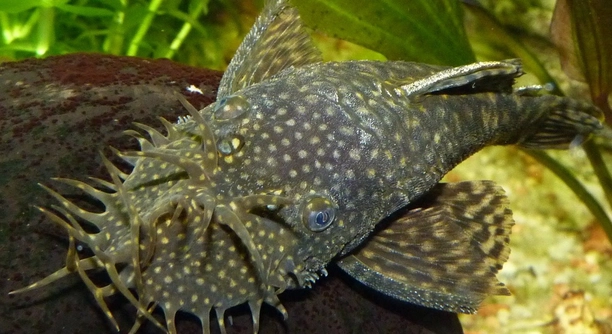
A Plecostomus is a peaceful and resilient fish often kept in aquariums to help with algae control. However, you might wonder if loud tank sounds can disturb or stress your Pleco. Let’s explore the impact of noise.
Loud noises in a tank may not directly harm a Plecostomus, but they can cause stress, affecting their behavior and health. Consistent noise can lead to anxiety in sensitive fish, which might result in reduced feeding and abnormal behavior.
Understanding the sound levels in your tank and how they affect your Plecostomus is important. By keeping noise levels in check, you can help maintain a calm environment for your fish’s well-being.
How Noise Affects Your Plecostomus
Plecostomus fish are known for their calm and peaceful nature, but they are still sensitive to their environment. Loud noises can cause stress in fish, leading to behavioral changes. If your tank is exposed to loud sounds, the fish may hide more often or show signs of distress, such as erratic swimming patterns or loss of appetite. The vibration from these sounds can affect their sense of security, as Plecos are bottom dwellers that thrive in a stable, quiet environment. Over time, consistent noise exposure can weaken their immune system, making them more vulnerable to illness.
Even though Plecostomus are hardy, prolonged noise can make them anxious. For some fish, this could cause a decrease in overall health. It is essential to maintain a peaceful tank environment to keep them comfortable and active.
To ensure your Plecostomus stays healthy, it’s best to reduce unnecessary noise around the tank. Consider moving the tank to a quieter area or adding soundproofing materials. This simple step can improve the comfort of your fish and support their long-term well-being.
Identifying Tank Noises
Tank noises are often not immediately noticeable, but they can be disruptive. Sounds from filters, water pumps, or bubbles may seem insignificant at first but can add up.
The sound of your filter running, the bubbles from aeration systems, or even the water splashing can create a noisy environment. While these sounds are typically low, when combined, they may disturb the Plecostomus, which prefers quiet and stable conditions. Fish are highly sensitive to vibrations and sounds in the water, and too much noise can lead to unnecessary stress. You may not hear them as clearly as your Pleco does, but they can cause irritation.
Regular maintenance and choosing quieter equipment can help manage this issue. Silent filters, low-splash water pumps, and checking for loose components that may rattle can reduce noise. Keeping the noise in check can enhance the environment for your fish and help them feel safe and secure.
The Importance of Tank Placement
Where you place your aquarium plays a significant role in how much noise your Plecostomus experiences. Try to avoid positioning the tank in high-traffic areas or near loud appliances.
Keeping the tank away from areas with frequent movement or noise can make a huge difference. If possible, place your tank in a quieter part of the room or a more isolated space. This will help prevent the Plecostomus from getting startled or stressed by everyday sounds. In the long run, this setup creates a more peaceful environment for the fish.
Even subtle vibrations from passing footsteps can disrupt the peace of the tank. The Plecostomus is a bottom-dwelling fish that is sensitive to any disturbances. Keeping the aquarium in a low-traffic area will help reduce exposure to these disruptions.
Reducing External Noise
There are a few steps you can take to limit external noise reaching your aquarium. Simple adjustments to the room can go a long way.
First, consider adding carpets or rugs to the room to absorb some of the sounds. Soft materials like these can help reduce vibrations. You can also hang thick curtains to dampen external noise. If you live in a noisy environment, these small changes may help provide a quieter space for your Plecostomus.
Also, using soft lighting and avoiding loud speakers nearby can help. While these factors may seem minor, they can add up to a more peaceful tank. By eliminating unwanted sounds, you allow the Plecostomus to feel more secure and at ease in its home.
Tank Equipment and Noise
Certain tank equipment can be loud enough to disrupt the peace. It’s important to choose quieter models when setting up your aquarium.
Filters and air pumps are common sources of noise in a tank. While essential for the health of the fish, these items can produce sounds that stress your Plecostomus. Opt for quieter versions to minimize disturbances.
Using an inline filter or a canister filter can significantly reduce noise compared to hang-on-back filters. Additionally, placing rubber mats under noisy equipment can help absorb vibrations. Keeping these sounds in check will make a noticeable difference in the comfort of your Plecostomus.
Monitoring Tank Vibration
Vibrations can travel through the tank’s glass and water, adding to the noise pollution. Pay attention to how the tank responds to external factors.
External sources of vibration, like nearby electronics or heavy furniture, may cause disturbances in your tank. Even walking too close to the aquarium can create noticeable ripples in the water, which might stress your fish. Be mindful of these factors to ensure a calm environment for the Plecostomus.
The Right Tank Cover
Choosing the right cover for your aquarium can help minimize unwanted noise. A solid lid can make a difference.
A tight-fitting cover reduces the splashing sound and prevents water from moving too much. This will lower any noise caused by water disturbance, giving your Plecostomus a quieter environment.
FAQ
How loud is too loud for a Plecostomus?
A Plecostomus is sensitive to sounds, especially loud or constant noises. If the sound is strong enough to cause vibrations in the water or make the tank tremble, it may be too much for the fish. Excessive noise can lead to stress, reduced feeding, and overall discomfort. If you notice your Pleco hiding more than usual or swimming erratically, this may be a sign that the noise level is disturbing it. Keep noise levels as low as possible to maintain the health of your fish.
Can I reduce tank noise without buying new equipment?
Yes, there are several simple ways to reduce tank noise without having to purchase new equipment. For example, you can place rubber mats underneath your filter or air pump to absorb vibrations. Additionally, check for any loose parts that may rattle and secure them. Using a thick aquarium lid can help minimize splashing sounds, and reducing the water flow or adjusting the water pump speed can also cut down on noise. These small adjustments can make a big difference.
Does the filter make a noticeable difference in the noise level?
Yes, filters can create noticeable noise depending on their type and placement. Hang-on-back filters tend to be louder because they hang outside the tank and can vibrate. Canister filters or inline filters are quieter options because they are more contained and less likely to cause external vibrations. If the noise is bothering your Plecostomus, upgrading to a quieter model may help reduce the disturbances in the tank.
What can I do if my tank is in a noisy room?
If your tank is located in a noisy room, you can try moving it to a quieter space. This may not always be possible, but even shifting it to a corner or away from high-traffic areas can help. Additionally, you can use sound-dampening materials like carpets, rugs, or curtains to reduce noise. Using a thicker lid on the aquarium can also reduce the noise of splashing water. If you can, keep loud appliances, like TVs or speakers, away from the tank to minimize disruptions.
Are there any signs that my Plecostomus is stressed from noise?
Yes, there are several signs that your Plecostomus might be stressed due to noise. If you notice your fish is hiding more than usual, swimming erratically, or showing a lack of interest in food, these can be signs of stress. A stressed Plecostomus might also develop more visible health problems, like faded colors or a weakened immune system. If you see these changes, consider adjusting the environment to reduce noise and make the tank more peaceful.
Should I avoid using air pumps altogether?
Not necessarily. Air pumps are beneficial for increasing oxygen in the tank, but they can be noisy depending on the model. If you find that your air pump is too loud, you can try using a quieter version or position it in a way that reduces the sound, such as placing it further from the tank or on a soft surface to absorb vibrations. Alternatively, you can reduce the air pump’s intensity if it’s creating too much noise. In most cases, a little bit of noise from an air pump isn’t harmful, but it’s essential to balance functionality with comfort for your Plecostomus.
Does vibration from the floor affect the tank?
Yes, vibrations from the floor can affect the tank, especially if it’s placed in a high-traffic area. The vibrations can travel through the glass and water, potentially disturbing your Plecostomus. These vibrations can cause unnecessary stress and disrupt the fish’s peaceful environment. If your tank is on a wooden or hard floor, placing it on a soft surface, like a carpet or rubber mat, can help minimize the impact of external vibrations.
Can I use a quieter filter to reduce noise?
Yes, switching to a quieter filter is an effective way to reduce tank noise. External canister filters are generally quieter compared to internal ones because they don’t produce as much vibration. Another option is using sponge filters or HOB (hang-on-back) filters that are specifically designed to be quieter. Look for equipment that advertises noise reduction as a feature, or check reviews to find the quietest options. Even with quieter equipment, ensuring that it’s properly maintained will help it run as quietly as possible.
Is it okay to keep my Plecostomus in a tank with lots of noise from other fish?
If your tank is filled with noisy fish that make loud splashing sounds or have aggressive behavior, this could cause stress to your Plecostomus. While Plecos are hardy, they tend to prefer calm and peaceful surroundings. If the noise from other fish is excessive, it may be worth adjusting the tank’s setup. Try adding plants or hiding spots to create more security for your Plecostomus or separating aggressive fish from the Pleco to reduce disturbances.
How do I know if my Plecostomus is comfortable in its tank?
A comfortable Plecostomus will exhibit natural behaviors, such as foraging for food, swimming calmly around the tank, and resting quietly at the bottom. If your Plecostomus is active, eating well, and displaying normal swimming patterns, it’s likely content in its environment. On the other hand, if you notice signs of distress, like hiding excessively, disinterest in food, or unusual swimming, it may indicate that something in the tank, including noise, is bothering it. Keep an eye on your fish’s behavior and adjust the environment as needed.
Final Thoughts
Maintaining a peaceful environment for your Plecostomus is essential for its health and well-being. While these fish are generally hardy, they are sensitive to the surrounding conditions, including the noise in the tank. Loud noises, such as filter sounds or vibrations from nearby equipment, can cause stress, which may lead to changes in behavior, reduced appetite, and even weakened immune systems over time. Ensuring your tank is in a quiet location, using quieter equipment, and minimizing external vibrations can go a long way in keeping your Plecostomus comfortable.
Small adjustments can make a noticeable difference. For example, placing your aquarium in a low-traffic area of the room can limit exposure to disturbances. Additionally, choosing quieter filters and pumps will reduce the noise level within the tank. Sometimes, even simple solutions like using rubber mats under equipment to absorb vibrations can significantly improve the environment for your fish. Remember, Plecos are bottom dwellers and thrive in peaceful, stable conditions. The less they are disturbed by noise, the more comfortable and active they will be.
In the end, it’s about creating a space where your Plecostomus feels safe. A quiet, well-maintained tank not only benefits your fish but also enhances the overall experience of aquarium ownership. By being mindful of noise levels and making a few thoughtful changes, you can ensure that your Pleco remains healthy and content for years to come. Every small effort adds up, leading to a better environment for both you and your fish.

Hello,
If you enjoy the content that we create, please consider saying a "Thank You!" by leaving a tip.
Every little bit helps us continue crafting quality advice that supports the health, happiness, and well-being of pets around the world, for pets of all shapes, sizes, and species.
We really appreciate the kindness and support that you show us!