
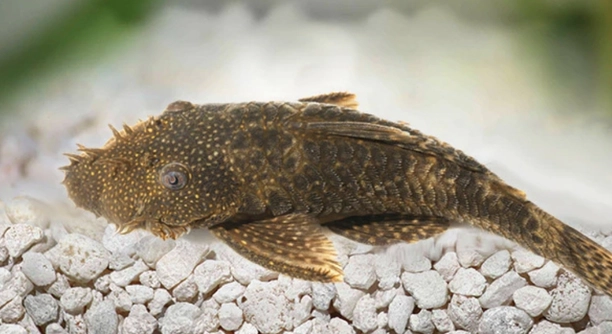
When observing your plecostomus, you may notice behaviors that leave you wondering if they are scratching or simply playing. These fish have unique habits that are important to understand for their care and well-being.
Plecostomus may scratch themselves against surfaces due to irritation, parasites, or injury, but they also exhibit playful behaviors like rubbing or exploring. Scratching can be a sign of discomfort, while playing is a sign of curiosity and natural exploration.
Identifying the difference between scratching and playing is essential for their health. We will look at signs to help you determine what your plecostomus is doing and how to address any potential issues.
Why Do Plecostomus Scratch?
Plecostomus are known for their behavior of rubbing against objects in the tank. This can seem like a sign of scratching, but it’s essential to look for other factors to determine whether it’s a symptom of an issue. If your pleco is frequently scraping against surfaces, it may be dealing with external parasites, such as ich or skin flukes. These conditions irritate their skin, leading them to scratch for relief. Alternatively, they may scratch when they are uncomfortable due to poor water quality or stress.
Sometimes, however, scratching could simply be part of their natural behavior. Plecostomus use surfaces to remove biofilm, algae, and debris from their bodies. It’s part of their cleaning routine and isn’t always a sign of a problem. As long as the fish doesn’t show other signs of distress, such as rapid breathing or loss of appetite, this behavior may just be a part of their daily activities.
Signs to Watch For
Pay attention to any changes in your plecostomus’ appearance or behavior. If the scratching becomes excessive or you notice signs of injury, such as red or swollen areas, it’s time to take action.
A healthy plecostomus should be swimming actively and using surfaces in the tank primarily to clean themselves. If they are scratching excessively, you might need to adjust their environment. Poor water quality or a dirty tank can contribute to irritation. Consider testing the water parameters regularly to ensure a healthy environment.
How to Address Scratching
If you notice your pleco scratching due to skin irritation or parasites, it’s essential to treat the issue quickly to avoid further complications. Begin by testing the water quality. Elevated ammonia or nitrite levels can stress your plecostomus, making them more susceptible to infections. If water quality isn’t the issue, parasites could be the cause. A medicated treatment, such as copper-based medication or formalin, can help eliminate parasites.
Before administering any treatment, make sure to remove any sensitive tank inhabitants, as some treatments can be harmful to them. Additionally, providing your pleco with hiding spots and a stress-free environment will help speed up recovery.
Regular water changes and tank cleaning will also prevent future outbreaks. If scratching continues, it’s worth consulting an aquarium professional to ensure your plecostomus remains in good health.
What Causes Plecostomus to Scratch?
Plecostomus scratching can happen for several reasons, most commonly due to external parasites or poor water quality. If your pleco is scratching frequently, it’s important to examine the water conditions closely. Overcrowded tanks or insufficient filtration can also lead to skin irritation.
Parasites like ich or flukes can trigger scratching because they irritate the skin, leading your pleco to try to relieve the discomfort. On the other hand, stress from fluctuating water temperatures or improper tank conditions can also make them more prone to scratching. Ensuring that your plecostomus’ environment is stable and clean can significantly reduce the chances of scratching.
Water changes and adding a proper filtration system can alleviate many of these issues. Keep a regular schedule for cleaning and monitor the water quality to avoid any future problems.
How to Prevent Scratching in Plecostomus
Regular water testing is crucial for preventing scratching. By checking levels of ammonia, nitrites, and nitrates, you can catch potential water quality issues early. A good filter system is essential for maintaining clean water, and it also ensures your plecostomus won’t be exposed to harmful toxins.
Also, consider giving your pleco more hiding places to reduce stress. Overcrowding the tank can create competition for space, making the pleco feel anxious. By providing plants, rocks, and other decor, you help your pleco feel safe and comfortable. Avoid aggressive tank mates that could further stress out your plecostomus.
Stabilizing the tank’s temperature will also keep your pleco from scratching. Temperature fluctuations cause stress, leading them to scrape their bodies against surfaces.
How to Tell if It’s Scratching or Playing
When a plecostomus is scratching, it will often rub against surfaces repeatedly and in specific areas, like rocks or tank decor. This behavior typically indicates discomfort or irritation. On the other hand, playing looks more exploratory, with the pleco moving around the tank, rubbing lightly, and interacting with its environment.
If the pleco is scratching in various spots or frequently rubbing itself in one area, it’s more likely a sign of a problem. However, if the pleco is moving around the tank, exploring, or rubbing gently on surfaces, it’s likely just playful behavior.
Watch for additional signs like discoloration or swelling, which might indicate skin irritation or parasites.
When to Seek Professional Help
If your pleco’s scratching continues despite water changes and tank improvements, it may be time to consult a professional. A vet specializing in fish can help diagnose underlying issues like parasites or skin infections that may not be obvious at first.
Sometimes, infections or parasites require specific treatments. Professional advice ensures you’re using the right medications or methods. It also helps prevent spreading any issues to other tank inhabitants.
Common Mistakes to Avoid
Many fish owners make the mistake of assuming scratching is always a sign of parasites. However, it can also be linked to environmental factors, such as poor water quality or stress. Always check for water imbalances before jumping to conclusions.
FAQ
What should I do if my plecostomus is scratching a lot?
If your plecostomus is scratching often, check the water quality first. High levels of ammonia, nitrites, or nitrates can irritate your fish, leading to scratching. Test the water regularly and perform water changes as needed. If the scratching persists, look for signs of parasites like white spots, which could indicate ich. In that case, you may need to treat the tank with a medicated solution. If you’re unsure, it’s always a good idea to consult with an aquarium professional.
How can I tell if my plecostomus is sick or just playing?
It can be tricky to differentiate between scratching due to illness and playful behavior. If your pleco is scratching in specific spots, or rubbing against tank surfaces for extended periods, it could be a sign of irritation or infection. Playful behavior typically involves gentle rubbing while exploring the tank or interacting with tank decor. Healthy plecos are curious and will explore, but their movements should appear more relaxed and less frequent than scratching. Pay attention to other signs like loss of appetite, changes in color, or swelling.
Can poor water quality cause scratching in plecostomus?
Yes, poor water quality is a common cause of scratching in plecostomus. High levels of ammonia, nitrites, or nitrates can irritate the skin of fish, leading them to scratch against surfaces. Ensure your filtration system is working properly and test the water regularly. Clean the tank frequently and perform water changes to maintain a healthy environment. By maintaining optimal water conditions, you reduce the chances of scratching due to environmental stress.
Should I treat my plecostomus for parasites if it’s scratching?
If you notice symptoms of parasites, such as white spots or unusual redness on the skin, it’s important to treat your plecostomus. However, scratching can also be due to other factors like poor water quality. First, ensure the tank conditions are ideal. If water quality is not the issue, then it may be time to treat for parasites. Use a medication specifically designed for the type of parasite you suspect. Always follow the instructions carefully and remove any other sensitive tank inhabitants before treatment.
Can scratching indicate stress in plecostomus?
Yes, stress can cause plecostomus to scratch. When fish are stressed, they may scratch against surfaces or exhibit other abnormal behaviors. Stress can be caused by poor water quality, overcrowding, inappropriate tank mates, or changes in temperature. Providing a stable, calm environment with plenty of hiding spots can reduce stress and prevent scratching. If your pleco is consistently scratching and showing signs of stress, evaluate its tank conditions to see what might be causing discomfort.
How can I prevent scratching in plecostomus?
To prevent scratching, ensure your plecostomus is in a clean tank with good water quality. Regular water testing is essential for maintaining healthy conditions. Proper filtration and routine water changes will help keep toxins at bay. Avoid overcrowding the tank and provide plenty of hiding places to reduce stress. Also, check the tank temperature to ensure it stays stable, as fluctuations can contribute to stress and scratching. Keeping the environment calm and healthy is the best way to prevent scratching.
What are the common signs of a plecostomus parasite infection?
Parasite infections in plecostomus are often accompanied by scratching, but you may also notice other symptoms. Look for white spots on the skin (ich), redness or swelling, clamped fins, or abnormal swimming. If you see these signs, it’s important to take action quickly to prevent the infection from spreading. Make sure to adjust water conditions and remove any affected fish immediately. Use a treatment specifically designed for the type of parasite you’re dealing with, and be sure to follow the instructions carefully.
Can plecostomus scratch if they’re just cleaning the tank?
Yes, plecostomus naturally rub against surfaces as they clean. They use their bodies to scrape algae, biofilm, and debris off rocks, glass, and other surfaces. This behavior is not a sign of scratching due to illness but is part of their daily routine. If the pleco is not rubbing excessively and is simply moving around the tank to clean, it’s likely just part of their natural behavior. However, if the behavior becomes excessive or is accompanied by other signs of illness, further investigation may be needed.
Is it normal for plecostomus to scratch at the glass?
Scratching at the glass is normal behavior for plecostomus, especially if they are cleaning the surfaces. Plecos have specialized mouths that allow them to scrape algae and biofilm off surfaces. They will often rub themselves against the tank walls or decorations to remove debris. However, if your pleco is scratching persistently and not just cleaning, it could indicate irritation from poor water conditions, parasites, or stress. If the behavior seems unusual or excessive, it’s a good idea to check the tank’s water quality and examine the fish for any signs of disease.
Can I use aquarium salt to treat scratching in plecostomus?
Aquarium salt can sometimes help treat minor skin irritations or external parasites in plecostomus. However, be cautious when using salt, as some plecos are sensitive to it. If you choose to use salt, make sure to dissolve it in water before adding it to the tank, and monitor your fish for any signs of distress. For more serious conditions like parasites, it’s better to use a medicated treatment designed for the specific issue. Always follow the directions on any product you use to ensure your fish’s safety.
Final Thoughts
Understanding whether your plecostomus is scratching or playing can be tricky at first. Scratching can be a sign of discomfort, often caused by poor water quality, skin irritation, or parasites. It’s important to observe the behavior closely and rule out any issues with the tank environment. Regular water testing and maintenance are essential to ensure a healthy habitat for your fish. If your pleco is simply exploring and interacting with its surroundings, then the behavior is likely normal. But if scratching persists, take a closer look at water parameters, as this is often the first step to identifying the root cause.
When it comes to treating your plecostomus, early intervention is key. If you notice scratching along with other signs of distress, such as loss of appetite, discoloration, or swelling, it might be time to consult an expert. A vet specializing in fish can provide valuable insights and recommend treatments tailored to the specific issue, whether it’s parasites or skin irritation. Always be cautious when introducing medications to your tank, as some treatments can affect the overall ecosystem. If water quality is the primary concern, addressing that first will often resolve the problem before resorting to stronger treatments.
In general, maintaining a clean and stable tank is the best way to prevent scratching and other health problems in your plecostomus. Regular water changes, proper filtration, and monitoring water conditions should be routine tasks for any fish owner. By ensuring your pleco’s environment is optimal, you will reduce the chances of it scratching due to stress or illness. In the end, a healthy tank leads to a healthier, happier plecostomus. Keep a close eye on your fish’s behavior, and don’t hesitate to seek professional help if necessary.

Hello,
If you enjoy the content that we create, please consider saying a "Thank You!" by leaving a tip.
Every little bit helps us continue crafting quality advice that supports the health, happiness, and well-being of pets around the world, for pets of all shapes, sizes, and species.
We really appreciate the kindness and support that you show us!