
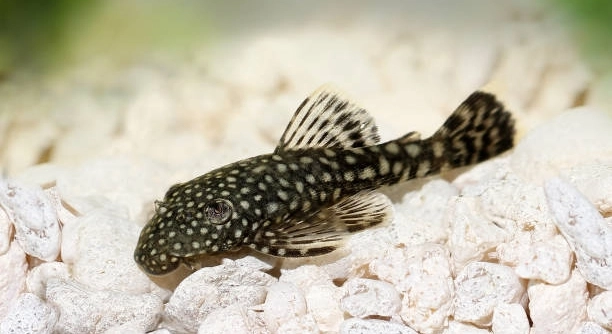
Plecos are fascinating fish with unique personalities, but their behavior can sometimes be confusing to new aquarium owners. Determining whether your pleco is simply shy or showing signs of stress can make all the difference in their well-being.
Plecos can display signs of both shyness and stress, which may appear similar but are caused by different factors. Shyness is typically observed through hiding and avoiding interaction, while stress is often linked to environmental issues such as poor water quality or aggressive tankmates.
Recognizing these differences can help you ensure your pleco is healthy and comfortable. Identifying the root cause of your pleco’s behavior is crucial for maintaining a peaceful aquarium environment.
Understanding Shyness in Plecos
Shyness in plecos is common, especially when they are in a new tank or environment. These fish are naturally more reclusive and prefer to stay hidden during the day, often seeking dark or quiet places to feel safe. Plecos can spend hours nestled in caves, behind rocks, or along the tank’s bottom, staying out of sight. This behavior is perfectly normal and doesn’t usually signal any issues with their health or well-being. It’s simply how they adapt to new surroundings, as they are not typically social creatures like some other fish species. When a pleco is shy, it’s likely not a cause for concern, as they may become more comfortable over time and show more activity.
The shy behavior will typically lessen as the pleco becomes familiar with its new home. Offering plenty of hiding spots and a stable environment can help the pleco feel more secure. A tank with appropriate water conditions and minimal disruptions will allow your pleco to settle in and behave naturally.
With time, your pleco may begin to come out more during feeding or nighttime hours. However, it’s important to not force them out of hiding, as this can add unnecessary stress. Give them space, and they will adjust at their own pace.
Identifying Stress in Plecos
Stress can cause serious problems for your pleco, affecting their health and behavior. Common signs of stress include erratic swimming, hiding excessively, or changes in eating habits. It’s important to check your tank’s water parameters, including temperature, pH, and ammonia levels.
Stress in plecos is most often caused by poor water quality or aggressive tankmates. High levels of toxins like ammonia, nitrites, or nitrates can quickly harm a pleco, causing it to act withdrawn or behave unusually. Similarly, having other aggressive fish in the tank can make a pleco feel threatened and lead to stress. Ensure the pleco has plenty of space and that there are no overly territorial fish nearby.
Beyond water conditions, check your pleco’s behavior closely. A stressed pleco may swim erratically or appear lethargic. They might even develop physical symptoms like clamped fins or rapid gill movement, indicating difficulty breathing. Keep an eye out for any unusual signs, and address water quality and tank dynamics quickly to help reduce stress.
How to Create a Stress-Free Environment for Your Pleco
Creating a stress-free environment for your pleco is essential for their well-being. Start by ensuring the water quality is ideal. Plecos need clean, well-filtered water to thrive, with stable temperatures and proper pH levels.
In addition to water quality, the tank should be equipped with plenty of hiding spots like caves, plants, and driftwood. These provide security, especially for plecos that prefer to remain out of sight during the day. Regular maintenance, including partial water changes, is necessary to keep the tank clean and prevent any toxic build-up. Avoid sudden changes in water parameters or temperature, as these can lead to stress.
Lastly, avoid overcrowding the tank. Plecos need space to move around without being threatened by other fish. When choosing tankmates, select peaceful species that won’t harass or compete aggressively with your pleco for food. By maintaining a calm, stable environment, you’ll help your pleco feel secure and content in their home.
Is It Normal for Plecos to Hide All the Time?
It’s completely normal for plecos to hide frequently, especially when they are adjusting to a new environment. They are naturally nocturnal and prefer staying hidden during the day.
As long as your pleco is eating well and appears healthy when it comes out at night, there’s no need to worry about its hiding habits. A shy pleco might also hide more if it feels threatened or stressed, but in many cases, this is just part of their nature. Over time, with a comfortable environment and minimal disturbance, they may start to venture out more.
Providing more hiding spots and a peaceful tank can help your pleco feel safer and encourage it to spend more time exploring the aquarium. However, it’s essential to be patient, as each pleco will adjust at its own pace.
Signs Your Pleco May Be Stressed
If your pleco is stressed, it may show physical signs like clamped fins, rapid gill movement, or discolored patches on its skin. These could indicate discomfort due to poor water quality or other stress factors.
Stress can also cause your pleco to hide excessively or stop eating. Monitoring your pleco’s behavior and water conditions is essential for identifying and addressing stress early. If you notice any of these signs, act quickly to correct any issues in the tank environment. Regular water changes, proper filtration, and a peaceful tank setup will help your pleco recover.
Providing Proper Tank Conditions for Your Pleco
Proper tank conditions are crucial for keeping your pleco happy and healthy. The water temperature should range between 72-82°F (22-28°C), and the pH level should be between 6.5 and 7.5.
A stable and clean environment can go a long way in reducing stress. Plecos are sensitive to water quality, so make sure to perform regular water changes and ensure the filtration system is working well. Check for ammonia and nitrate buildup, as high levels of these substances can lead to stress or illness.
Having plants, rocks, and driftwood will mimic their natural habitat, offering security and places to hide. A well-maintained tank will help your pleco feel comfortable and reduce stress triggers.
Handling Tankmates with Your Pleco
Tankmates should be chosen carefully to avoid stress for your pleco. Aggressive fish can threaten your pleco, leading to anxiety and hiding behaviors. Choose peaceful species that won’t compete for the same food or space.
Be mindful of plecos’ territorial needs and ensure they have ample room to navigate the tank without feeling overcrowded. Tankmates like peaceful tetras or other small fish work well, as long as the pleco isn’t being harassed. Proper tank dynamics play a big role in the well-being of your pleco, so always consider compatibility when adding new fish to the aquarium.
FAQ
How do I know if my pleco is sick or just stressed?
Stress and illness in plecos can look similar, but there are key differences. A stressed pleco may hide more often, stop eating, or display unusual swimming behavior, but its physical appearance will typically remain normal. Illness, on the other hand, often leads to visible changes such as discoloration, lesions, or abnormal swimming patterns. Check water conditions first. If your pleco’s behavior changes suddenly, it could be a sign of stress or illness. A vet visit is recommended if there are physical signs of disease or if the pleco continues to act abnormally for an extended period.
Is it okay to have more than one pleco in a tank?
Yes, you can have multiple plecos in the same tank, but space is key. Plecos are territorial and may become aggressive toward one another if the tank is too small or overcrowded. Ensure your aquarium has plenty of hiding spots and decorations to give each pleco a place to claim. Also, consider the species; some plecos are more peaceful, while others, like the common pleco, may fight if they don’t have enough space.
Can plecos live with other types of fish?
Plecos can live with many types of fish, but compatibility depends on the tankmates. Plecos tend to get along with peaceful species like tetras, guppies, and corydoras. Avoid keeping them with aggressive fish or species that might stress them out, like cichlids or fast-swimming fish that might compete for food. A well-balanced tank with compatible fish will help your pleco feel at ease.
How much should I feed my pleco?
Feeding your pleco the right amount of food is important for its health. Plecos are not heavy eaters, but they do need a varied diet. A pleco’s diet should consist of algae wafers, vegetables (like zucchini and spinach), and occasional protein, such as bloodworms or shrimp. Offer small amounts once or twice a day, and remove any uneaten food after a few hours to prevent water pollution. Avoid overfeeding, as this can lead to poor water quality and obesity.
How can I help my pleco feel less stressed?
To help reduce stress in your pleco, focus on creating a stable, comfortable environment. Ensure your tank has clean, well-filtered water with the right temperature and pH levels. Provide plenty of hiding spots using driftwood, plants, and caves. Avoid sudden changes to the water parameters, as plecos can be sensitive to fluctuations. Additionally, make sure the tank is not overcrowded, and choose peaceful tankmates to prevent aggression.
What is the best tank size for a pleco?
The ideal tank size for a pleco depends on its species. Small plecos, like the bristlenose pleco, can live in tanks as small as 30 gallons. However, larger species like the common pleco will need a much larger tank, usually at least 75 gallons or more, as they can grow quite large. A larger tank not only gives the pleco more space to swim but also helps maintain better water quality, which is essential for their health.
Why does my pleco stay in hiding all the time?
If your pleco is staying in hiding all the time, it could be due to shyness, stress, or poor tank conditions. As nocturnal creatures, plecos naturally stay hidden during the day and are more active at night. However, if the pleco is hiding excessively or not coming out to eat, it could be stressed due to water quality issues or tankmate aggression. Make sure your tank conditions are optimal, with clean water, the right temperature, and peaceful companions.
What is the lifespan of a pleco?
The lifespan of a pleco varies depending on the species. Smaller plecos, like the bristlenose pleco, typically live for about 5 to 10 years, while larger species, like the common pleco, can live up to 15-20 years in a well-maintained tank. To ensure a long, healthy life for your pleco, provide them with proper care, a stable environment, and a balanced diet.
Can plecos live in a tank with no filter?
While it’s technically possible to keep a pleco in a tank without a filter, it’s not recommended. Plecos are sensitive to water quality, and a filter helps maintain clean, oxygenated water by removing toxins like ammonia and nitrates. Without a filter, waste can quickly build up, leading to poor water quality, which can stress your pleco and even cause health problems. Always use a filter and perform regular water changes to maintain a healthy environment.
What are the common health problems in plecos?
Plecos are generally hardy fish, but they can suffer from a few common health problems. These include skin issues like white spots (which may indicate ich), fin rot from poor water quality, and parasites. Additionally, a pleco may experience digestive issues if not fed the right diet. Regular tank maintenance, proper diet, and monitoring their behavior can help prevent health problems. If you notice abnormal swimming, discoloration, or lesions, consult a vet.
Final Thoughts
Caring for a pleco can be a rewarding experience, but understanding its behavior is key to ensuring its well-being. Plecos are generally peaceful, low-maintenance fish that prefer a calm environment. However, recognizing whether your pleco is simply shy or stressed requires attention to detail. Shyness is a natural part of their personality, especially when they are in a new tank or environment. It’s important to give your pleco time to settle in and adjust without rushing the process. Their natural tendency to hide is often nothing more than their way of feeling safe and secure.
On the other hand, stress is something you’ll want to address promptly. Stress in plecos can arise from various factors such as poor water quality, aggressive tankmates, or overcrowding. Signs of stress might include erratic swimming, loss of appetite, or changes in their appearance. If you notice any of these behaviors, it’s important to check the water conditions and overall tank environment. Ensuring the water is clean, the temperature is stable, and there are enough hiding spots will help reduce stress. If the problem persists, reviewing tankmates and possibly relocating any aggressive species could be necessary to help your pleco feel more at ease.
Ultimately, maintaining a peaceful and stable tank environment is essential for a happy pleco. By creating a space where your pleco feels secure and comfortable, you’ll allow them to thrive. Be patient as they adjust to their new surroundings, and avoid forcing them to come out of hiding. With proper care, attention to water quality, and choosing compatible tankmates, your pleco will likely become a more active and healthy member of your aquarium. Over time, you’ll begin to notice a more relaxed pleco, which means your efforts to maintain a stress-free tank are paying off.

Hello,
If you enjoy the content that we create, please consider saying a "Thank You!" by leaving a tip.
Every little bit helps us continue crafting quality advice that supports the health, happiness, and well-being of pets around the world, for pets of all shapes, sizes, and species.
We really appreciate the kindness and support that you show us!