
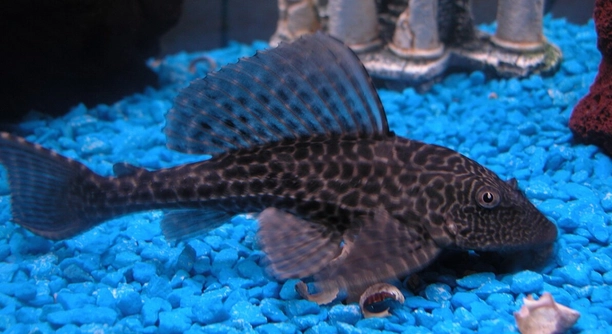
If you have a pleco in your tank, you may have noticed it lying still at the bottom. It’s natural to wonder whether it’s just resting or showing signs of lethargy. Understanding its behavior can help you ensure its well-being.
Plecos are nocturnal creatures, and they spend much of the day resting. However, prolonged periods of lethargy, especially if accompanied by other symptoms, may indicate health issues. Monitoring their behavior and overall condition is key to determining if intervention is needed.
There are simple steps to take if you notice concerning signs. Knowing what to look for can help you respond quickly to ensure your pleco stays healthy and active.
Understanding Pleco Sleep Patterns
Plecos, like many fish, have unique sleep patterns. They are nocturnal by nature, which means they are most active during the night. During the day, they often find a quiet spot in the tank, resting or hiding. This behavior can sometimes be mistaken for lethargy. It’s common for a pleco to spend hours stationary at the bottom, especially after feeding. This period of rest is essential for their energy levels. While some fish may swim around all day, the pleco’s calm demeanor doesn’t necessarily mean something is wrong. Understanding these natural patterns can help avoid unnecessary worry.
However, if your pleco remains inactive for extended periods, it’s important to monitor closely. While resting is normal, lethargy could be a sign of something more serious. Watch for signs such as not responding to food or an abnormal swimming pattern. These could indicate issues with the pleco’s health, such as stress or illness.
Plecos also thrive in environments where the water temperature, pH, and cleanliness are ideal. If these conditions change, it can lead to changes in their behavior. Stress from poor water quality, overcrowding, or sudden environmental changes can make your pleco more sluggish. Ensuring that the tank is well-maintained can help keep your pleco active and happy.
Identifying Health Issues in Plecos
A sudden change in behavior could indicate health problems. If a pleco that usually rests becomes less active and shows signs of distress, it may need attention. Look for signs such as abnormal swimming patterns, loss of appetite, or visible injuries. A pleco’s fins should be smooth and unruffled, as damage could lead to further complications.
Additionally, changes in the appearance of its body could be linked to parasites or skin conditions. Keeping an eye on these signs and addressing them early will go a long way in maintaining your pleco’s health. Regular water changes and ensuring proper tank conditions can minimize risks and keep your pleco healthy.
Water Quality and Its Impact on Pleco Behavior
Water quality plays a huge role in a pleco’s activity level. Poor water conditions, like high ammonia or nitrate levels, can lead to stress. This stress often causes the pleco to hide or become lethargic. Regular water testing ensures your pleco thrives. Without proper filtration and routine water changes, harmful substances build up and affect your pleco’s health.
Make sure your tank’s filtration system is working properly and that the water is regularly changed. Plecos prefer clean, stable environments. Sudden changes in temperature or pH levels can also stress them out, leading to lethargy. Keep the water temperature between 72-82°F (22-28°C) for optimal conditions.
If you notice your pleco becoming less active after water changes or filtration adjustments, it’s worth double-checking the water quality. Using a water test kit can help identify any potential issues, ensuring a healthy and happy pleco. Consistent water care is crucial for preventing problems that can lead to lethargy.
Stress and Overcrowding in the Tank
Plecos can become stressed if their tank is overcrowded. Fish need space to swim freely, and overcrowding causes competition for food and territory. This stress often results in sluggishness and hiding, especially if the pleco feels threatened. Ensure your tank has enough space for all its inhabitants.
You can prevent overcrowding by sticking to the recommended tank size for each species. A pleco requires at least a 30-gallon tank, with additional space for each fish you add. Adding too many fish can disrupt the peaceful environment that plecos thrive in, leading to health problems.
When considering adding new tank mates, research the specific needs of each species to avoid stress. Plecos are peaceful but require their own space. Giving them room to move around and access to food ensures they stay active and healthy.
Pleco Diet and Feeding Habits
A poor diet can cause your pleco to feel sluggish. Plecos are omnivores, needing both plant-based foods and protein. If their diet lacks variety or nutrients, they may become inactive or lethargic. Providing a balanced diet helps keep them healthy and energetic.
Feeding your pleco a mix of algae wafers, vegetables, and occasional protein sources like shrimp will help them stay active. Avoid overfeeding, as uneaten food can deteriorate water quality, causing stress. Monitor your pleco’s eating habits and adjust their diet as necessary to ensure they receive proper nutrition.
Temperature and Environmental Stability
Temperature fluctuations can make a pleco sluggish. If the water temperature is too high or low, your pleco may become inactive. Consistent, stable conditions are essential for their well-being. A heater and thermometer are good investments to help maintain the proper water temperature.
Ensuring the environment remains stable helps reduce stress and keeps your pleco active. Sudden changes in temperature or other environmental factors can cause stress and lethargy. Make sure your tank is not exposed to drafts or direct sunlight, as these can lead to unwanted temperature shifts that impact your pleco’s behavior.
Pleco Size and Growth
As plecos grow, their activity level can change. Larger plecos often become more sedentary as they mature. It’s normal for a fully grown pleco to rest more, but if the change is sudden or paired with other symptoms, it’s important to assess their health.
Larger plecos require more space, so make sure your tank is big enough to accommodate them. If the tank is too small, the pleco may feel cramped and stressed, leading to inactivity. Keep an eye on their growth to ensure they have enough room to move around comfortably, which will help prevent lethargy.
FAQ
Why is my pleco not eating?
There are several reasons your pleco might not be eating. Stress from poor water quality, incorrect tank temperature, or overcrowding can cause a loss of appetite. Plecos are also nocturnal, so if you’re feeding them during the day, they may not be hungry. Ensure your pleco’s tank conditions are optimal and offer food during the night when they are most active. If it still refuses to eat, check for signs of illness or parasites.
How do I know if my pleco is stressed?
Stressed plecos often exhibit behaviors like hiding, not eating, or swimming erratically. They may also show signs of rapid gill movement or a dull appearance. Stress can be caused by poor water quality, overcrowding, or a change in environment. To reduce stress, ensure the tank is clean, and water conditions are stable. If you notice prolonged signs of stress, further investigation may be needed.
Can a pleco survive without algae?
While algae is a primary food source for plecos, they can survive without it if they are given the right alternative foods. Plecos are omnivores and will thrive on a diet that includes algae wafers, vegetables like zucchini, and protein sources like shrimp or worms. If your tank doesn’t produce enough algae, make sure to supplement their diet to keep them healthy.
What should I do if my pleco has white spots?
White spots on your pleco could indicate a parasite infection, commonly known as “Ich” or “white spot disease.” This is a common issue for freshwater fish. Treatment involves raising the water temperature slightly and adding medication specifically designed to treat Ich. You may also need to isolate the pleco to prevent it from spreading to other fish.
Why is my pleco floating at the top of the tank?
If your pleco is floating at the top of the tank, it could be a sign of swim bladder disease, which affects the fish’s buoyancy. This can be caused by overfeeding, constipation, or an underlying health issue. Limit the amount of food and feed them smaller, more frequent meals. If the problem persists, consider isolating your pleco and consulting a vet for further treatment.
How often should I change the water in my pleco tank?
Water changes should be done regularly to maintain a healthy environment for your pleco. It’s recommended to change 25-30% of the water every 1-2 weeks, depending on the tank’s size and fish load. Larger tanks may require less frequent water changes, while smaller tanks need more attention. Regular water testing can help ensure the water quality stays optimal.
Why is my pleco staying in one spot?
Plecos are generally more active during the night, and during the day, they often find a quiet spot to rest. However, if your pleco is staying in one spot for a long time, it could be a sign of stress, poor water conditions, or illness. Check the water parameters and make sure your pleco has a hiding spot that makes it feel secure.
Is it normal for my pleco to breathe rapidly?
Rapid breathing can be a sign of poor water quality or a lack of oxygen in the tank. Ensure your filtration system is working properly and that the water is oxygenated. You can add airstones or increase the surface agitation to improve oxygen levels. If the rapid breathing continues, check for any signs of disease and consider a water change.
Can plecos live with other fish?
Yes, plecos can live with other fish as long as their tank mates are peaceful and don’t compete for food or territory. Plecos are generally calm and can coexist with many types of fish, but they do need enough space to avoid aggression. Avoid placing them with overly aggressive species, as they might cause stress to your pleco.
What’s the best tank size for a pleco?
Plecos require ample space to grow and thrive. A minimum of 30 gallons is recommended for a small pleco, but larger species can require even more space. A 55-gallon or larger tank is ideal for larger plecos, as it allows them to move around freely. Adequate space helps reduce stress and improves overall health.
Why is my pleco’s skin turning dark?
A pleco’s skin can darken due to stress, poor water quality, or illness. Stressful conditions like overcrowding or sudden changes in the tank can cause discoloration. In some cases, a pleco’s skin may also change color as it matures. Ensure your pleco’s environment is stable, and check for other symptoms such as loss of appetite or unusual behavior.
How do I help my pleco grow?
Providing your pleco with the right environment and diet is key to helping it grow. Make sure the water quality is optimal and that the tank is large enough to accommodate its growth. Feed your pleco a varied diet, including algae wafers, vegetables, and protein. As they grow, they may need more space to move around comfortably.
Do plecos need to be in a group?
Plecos are solitary creatures, and they do not need to be kept in groups. In fact, they may become territorial, especially when they are larger. It’s best to keep them in a tank with other peaceful fish but avoid overcrowding. Plecos are happiest when they have their own space to retreat when needed.
Can I trim my pleco’s fins?
It’s not recommended to trim your pleco’s fins unless it’s necessary for medical reasons. In most cases, plecos’ fins should grow naturally. Trimming them could cause injury or stress. If your pleco has damaged fins, make sure the water quality is optimal and treat any injuries appropriately.
Why is my pleco’s tail rotting?
Tail rot can be caused by bacterial infections, poor water quality, or injuries. It’s important to check the water conditions, as improper pH, ammonia, or nitrate levels can contribute to tail rot. If you notice this issue, it’s crucial to quarantine the pleco, treat the infection with an appropriate antibiotic, and clean the tank thoroughly.
How do I treat parasites on my pleco?
If your pleco has visible parasites, such as white spots or lesions, you may need to treat the tank with an anti-parasitic medication. Follow the instructions on the product carefully. It’s also a good idea to isolate the infected pleco to prevent the spread of parasites to other fish. Keep the water quality high and maintain good tank hygiene to support recovery.
Can a pleco live with a betta?
Plecos can sometimes be kept with bettas, as they are peaceful bottom dwellers. However, bettas can be territorial, especially males. Ensure that the pleco has enough hiding spots to retreat if needed. It’s also important to monitor the tank closely for any signs of aggression. If necessary, provide more plants and decorations to create barriers between the two species.
Final Thoughts
Taking care of a pleco can seem challenging at first, but with the right knowledge, it becomes much easier. These fish are hardy and can thrive in a variety of tank environments as long as their basic needs are met. It’s important to provide them with a clean, spacious tank, along with a stable water environment. Regular water changes, proper filtration, and the right tank mates can help ensure your pleco stays healthy. Monitoring their behavior and checking for signs of illness early can also help you address any potential issues before they become serious.
When it comes to feeding, plecos have a varied diet that includes algae, vegetables, and sometimes protein. It’s essential to offer them a balanced diet, especially if your tank doesn’t produce enough algae. Overfeeding can lead to health problems, so it’s important to be mindful of portion sizes. Ensure your pleco has access to food during the night when they are most active. While plecos are relatively low-maintenance fish, their health is directly linked to the conditions in their tank, so regular monitoring is key to keeping them in good shape.
Ultimately, the health and happiness of your pleco depend on creating the right environment and giving them the care they need. By following the tips outlined here, you can provide a suitable habitat that promotes your pleco’s well-being. With the right attention to water quality, diet, and tank setup, your pleco will thrive for many years. Keep an eye on their behavior and maintain a clean environment to ensure they stay happy and healthy in your tank.

Hello,
If you enjoy the content that we create, please consider saying a "Thank You!" by leaving a tip.
Every little bit helps us continue crafting quality advice that supports the health, happiness, and well-being of pets around the world, for pets of all shapes, sizes, and species.
We really appreciate the kindness and support that you show us!