
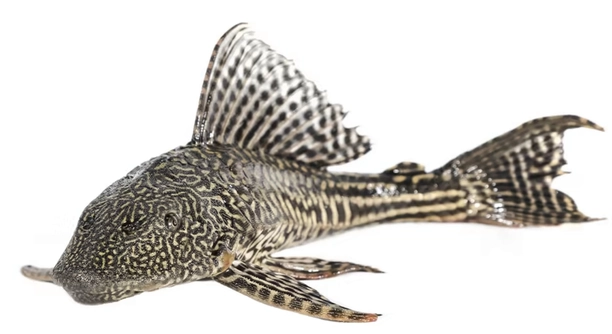
Plecostomus, or plecos, are popular aquarium fish known for their algae-eating habits. They can grow quite large, and monitoring their growth is important for keeping your tank healthy. However, sometimes they seem to grow slower than expected.
Plecos grow at different rates depending on factors like tank size, water quality, diet, and temperature. If your pleco is growing slowly, it might be due to suboptimal conditions in its environment, which can hinder its growth.
Identifying the cause behind your pleco’s slow growth can help you make the necessary adjustments. A few simple changes could improve its health and development.
Common Reasons for Slow Growth
A slow-growing pleco is often linked to its environment. If your pleco’s tank is too small, it may not have enough space to thrive. When plecos are cramped, their growth slows down as they struggle to find food or hide from stress. Another factor could be water quality. Poor water conditions, like high ammonia or nitrite levels, can prevent your pleco from growing at a normal rate. High levels of toxins can lead to illness or make the pleco feel stressed, which affects its development.
Water temperature plays a significant role as well. Plecos prefer warm water temperatures between 74-80°F (23-27°C). If the water is too cold or too hot, it may cause your pleco to slow down or even stop growing altogether. Consistent temperatures are crucial for maintaining their health.
You can test the water parameters to check if anything is out of balance. Make sure your tank is properly heated and that the water conditions are stable.
Feeding Your Pleco
Diet plays a big role in your pleco’s growth rate. They are primarily herbivores but also need protein. If your pleco isn’t getting the right mix, growth could be delayed.
Make sure you provide high-quality foods, like algae wafers, fresh vegetables, and occasional protein supplements. This balanced diet will give your pleco the nutrients it needs to grow properly. It’s also important to feed it enough, as plecos are opportunistic feeders. They might not get enough if other tankmates are eating most of the food.
Add variety to their meals to ensure they get a complete range of nutrients. Plecos enjoy things like zucchini, cucumber, and spinach, along with their regular algae wafers. This will help them grow stronger and faster.
Water Quality and Temperature
Water quality is a major factor in your pleco’s growth. Poor water conditions, like high levels of ammonia, nitrites, or nitrates, can stunt your pleco’s development. Regular water changes help keep the levels balanced.
When your pleco is exposed to high levels of toxins, it becomes stressed, and that stress can affect its overall health. Ensure your tank is properly filtered, and monitor the water parameters regularly using test kits. Regular water changes will help prevent toxic buildup.
Temperature is another key element in growth. Plecos need a stable, warm environment to thrive. Water that is too cold or too hot will affect their ability to grow. It’s best to keep the water within the recommended range of 74-80°F (23-27°C). A heater and thermometer will help maintain this temperature.
Tank Size
A small tank can limit your pleco’s growth. Plecos can grow quite large and need enough space to move around. If your pleco is in a cramped environment, it can lead to stress, affecting its development. A larger tank will give it room to grow and thrive.
Plecos can grow to be over 12 inches long, depending on the species. For proper growth, a tank should be at least 50 gallons. If the tank is smaller, your pleco may not be able to reach its full potential. It’s important to keep in mind that they also need hiding spots and places to explore. These factors all contribute to a healthier, more comfortable environment.
Larger tanks allow you to maintain better water quality and ensure your pleco has enough space to thrive. When a tank is too small, it can lead to overcrowding, making it harder to keep the water clean, which ultimately slows down your pleco’s growth.
Overcrowding
Too many tankmates can be harmful to your pleco’s growth. Overcrowding leads to increased waste, which can affect water quality and oxygen levels. In such conditions, your pleco may not get the space it needs to feed and grow properly.
Plecos need their space, so it’s important to consider the number of fish in the tank. Other species may compete for food, reducing the amount of nutrients available for your pleco. Tankmates can also cause stress, further hindering growth. Avoid keeping too many fish that are aggressive or territorial, as this can stress out your pleco.
A well-balanced tank, with just a few tankmates, ensures that the pleco has a better chance of thriving. Also, make sure the other fish are compatible with the pleco. Peaceful community fish are best for sharing space with a pleco.
Illness and Stress
If your pleco is sick or stressed, it won’t grow properly. Stress can come from poor water quality, sudden changes in the tank, or overcrowding. Illnesses, like skin infections or parasites, can cause lethargy, poor appetite, and stunted growth.
Monitor your pleco closely for signs of illness, such as discoloration, abnormal behavior, or loss of appetite. Stress can also manifest in behaviors like hiding too much or swimming erratically. Identifying and addressing the cause of stress is essential for growth. Treat illnesses quickly and ensure the environment is stable to promote healthy development.
Filtration and Water Movement
Plecos thrive in tanks with good water filtration and gentle water movement. Strong currents can be stressful, while poor filtration leads to poor water quality. Both can slow down growth.
Plecos prefer tanks with mild water movement, which helps them feel comfortable while foraging for food. An effective filtration system keeps the water clean, removes excess waste, and prevents harmful toxins from building up. A proper filter will help maintain water quality, supporting overall health and growth.
Lighting and Day-Night Cycle
Proper lighting helps create a healthy day-night cycle for your pleco. A consistent light-dark pattern is crucial for its overall well-being and growth. Plecos do best with a regular light cycle of around 10 to 12 hours of light daily.
If the lighting is too bright or inconsistent, your pleco may experience stress, which can affect growth. Set up a timer to regulate the light, ensuring your pleco gets enough rest at night. You can also use dim lights or shaded areas to help replicate natural conditions in the wild.
FAQ
How fast should my pleco grow?
Plecos grow at different rates depending on their species, diet, water conditions, and tank size. On average, you can expect a pleco to grow about 1 inch per month during the first year of its life. However, this can vary. For instance, a common pleco might reach 6 inches within the first year, while some other species, like the bristlenose pleco, may grow more slowly. If your pleco is growing much slower than this, you might want to assess its environment and health to see if any changes are needed.
What is the best tank size for a pleco?
The size of the tank is crucial for your pleco’s growth. A tank that’s too small can stunt its growth and lead to stress. For smaller plecos like the bristlenose pleco, a 30-gallon tank might be sufficient. However, larger species such as the common pleco need at least a 50-gallon tank to accommodate their size. Providing ample space allows your pleco to swim freely, reducing stress and ensuring proper growth.
Can my pleco grow too large for my tank?
Yes, it’s possible for a pleco to outgrow its tank. Some species, especially the common pleco, can grow up to 18 inches long, which is too large for smaller tanks. If your pleco is in a tank that’s too small, it can experience stress, poor health, and hindered growth. Always research the species of pleco you have and plan for its maximum potential size. If needed, upgrade to a larger tank to ensure it has enough space to grow.
How often should I feed my pleco?
Plecos need a consistent, balanced diet to grow properly. Feed your pleco once or twice a day, offering a variety of foods. Algae wafers should be the staple, but you can also include fresh vegetables like zucchini or cucumber, along with occasional protein such as shrimp or bloodworms. Be mindful not to overfeed, as uneaten food can pollute the tank. It’s important to adjust the feeding schedule based on your pleco’s needs and ensure it gets enough food to support healthy growth.
What water temperature is ideal for a pleco?
Most plecos thrive in water temperatures between 74°F and 80°F (23°C to 27°C). This temperature range mimics their natural habitat and supports optimal growth. Water that’s too cold or too warm can cause stress, reduce appetite, and slow down growth. Use a heater to maintain a stable temperature and monitor it regularly with a thermometer to ensure your pleco remains in a comfortable environment.
Can poor water quality slow my pleco’s growth?
Yes, poor water quality is a major factor that can stunt a pleco’s growth. High levels of ammonia, nitrites, and nitrates can poison your fish and slow down its development. It’s essential to maintain clean water by performing regular water changes and using a good filtration system. Test the water frequently to ensure the levels of harmful substances are within safe ranges. Clean, well-maintained water promotes healthy growth and reduces the risk of stress or illness.
How can I tell if my pleco is stressed?
Stress in plecos can manifest in several ways. If your pleco is frequently hiding, swimming erratically, or has a decreased appetite, it might be stressed. You may also notice behavioral changes such as excessive scratching against tank surfaces or strange movements. Stress can be caused by factors such as poor water quality, overcrowding, or tankmates that are too aggressive. Identifying stress early can help you address the underlying issues and create a healthier environment for your pleco.
Do plecos need a filter?
Yes, plecos need a good filtration system to maintain clean water. Plecos produce a lot of waste, and a filter helps remove toxins and debris from the water. Without proper filtration, the water can quickly become polluted, leading to poor water quality and stunted growth. Choose a filter that is appropriately sized for your tank, and make sure to clean it regularly. Good filtration is key to maintaining the overall health of your pleco and supporting its growth.
Is algae important for my pleco’s diet?
Algae is a primary food source for plecos in the wild, and it’s also important for their diet in the aquarium. While you may feed them algae wafers, some plecos also enjoy nibbling on live or growing algae on rocks or the tank walls. Providing a source of algae will help keep them healthy, but it should not be their only food. Offer a balanced diet with vegetables, proteins, and occasional algae for the best growth.
Can I keep multiple plecos together?
It depends on the species of pleco. Some plecos are territorial and may fight with others, especially if the tank is too small. It’s generally better to keep just one pleco per tank unless you have a very large setup and the species are known to tolerate each other. Bristlenose plecos, for instance, can sometimes live together, but larger species like the common pleco should be kept alone to avoid aggression. Always consider the tank size and species compatibility before adding multiple plecos.
What size filter do I need for my pleco tank?
The size of the filter depends on the size of the tank and the number of fish you have. A general rule is that the filter should be able to turn the entire tank’s water volume over 4 to 5 times per hour. For example, if you have a 50-gallon tank, you’ll need a filter rated for at least 200 to 250 gallons per hour. Be sure to choose a filter with adjustable flow, especially if you have a pleco species that prefers less current.
Can I use a heater for my pleco tank?
Yes, a heater is essential for maintaining the proper water temperature for your pleco. Plecos are tropical fish and require warm water to thrive. Without a heater, the water temperature may fluctuate too much, leading to stress and poor growth. Use an aquarium heater that’s suitable for your tank size and ensure it maintains a consistent temperature in the ideal range of 74°F to 80°F (23°C to 27°C).
Why isn’t my pleco eating?
A pleco might stop eating due to stress, illness, or poor water quality. If your pleco isn’t eating, first check the water parameters and make sure everything is in balance. If the water is fine, look for other signs of illness, such as cloudy eyes or abnormal behavior. It could also be that the pleco isn’t getting the right type of food. Try offering a variety of vegetables, algae wafers, or protein sources to see if it will eat. If the problem persists, consult a vet to rule out health issues.
Final Thoughts
Watching your pleco grow can be a rewarding experience, but it’s important to remember that there are many factors that influence its development. Tank size, water quality, diet, and temperature all play crucial roles in how quickly and healthily your pleco grows. If you notice that your pleco is growing slower than expected, it’s worth checking these factors to ensure that everything is in the best condition for your fish. A little adjustment in the tank environment can make a big difference in your pleco’s growth rate.
It’s also important to understand that every pleco is different. Some species naturally grow faster than others, and even within the same species, individual plecos can grow at different rates. Keep in mind that some plecos, like the common pleco, grow much larger than others, such as the bristlenose pleco. Understanding the needs of the specific species in your tank will help you make the right adjustments. Regular monitoring of water quality, feeding habits, and overall tank conditions will help ensure your pleco remains healthy and grows at a steady pace.
Finally, patience is key when it comes to plecos. They are not fast-growing fish, and even with ideal conditions, growth can take time. Instead of worrying about how quickly your pleco is growing, focus on creating a stable and supportive environment. With the right care, your pleco will grow strong and healthy, and you’ll be able to enjoy watching it thrive in your aquarium for years to come. Taking the time to address any issues and provide the best care will ultimately reward you with a beautiful, well-developed fish.

Hello,
If you enjoy the content that we create, please consider saying a "Thank You!" by leaving a tip.
Every little bit helps us continue crafting quality advice that supports the health, happiness, and well-being of pets around the world, for pets of all shapes, sizes, and species.
We really appreciate the kindness and support that you show us!