
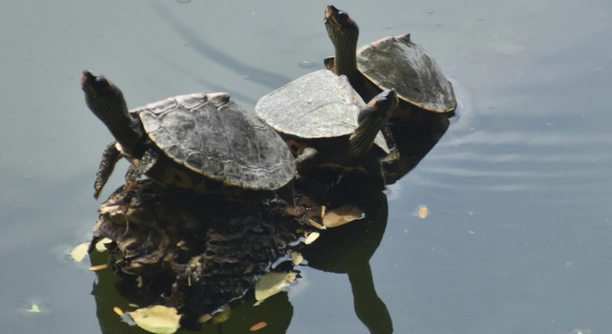
Is your Indian roofed tortoise displaying unusual behavior, making you wonder if she might be pregnant? Recognizing the signs of pregnancy in a tortoise can help you provide the right care and environment for her during this crucial time.
A pregnant Indian roofed tortoise, or a gravid female, may show signs such as increased digging, restlessness, and a noticeable weight gain. Other indicators include a rounded abdomen, decreased appetite, and attempts to find a suitable nesting spot for egg-laying.
Understanding these signs will help you determine if your tortoise is gravid and needs special care. Creating a proper nesting environment ensures her health and the safe development of her eggs.
Signs Your Indian Roofed Tortoise Might Be Pregnant
A gravid Indian roofed tortoise may exhibit noticeable behavioral and physical changes. She might become restless, spending more time digging or searching for a nesting area. A sudden decrease in appetite is also common, as hormonal changes can affect her eating habits. You may observe a rounder abdomen, and her shell might appear slightly raised due to egg development. If you gently feel her lower abdomen, you may detect firm, round shapes, indicating the presence of eggs. Providing a warm, quiet space can help reduce stress and support her natural instincts.
If your tortoise seems more irritable or withdrawn, this could be another sign of pregnancy. She may prefer solitude, avoiding interaction and displaying defensive behavior when disturbed. These changes indicate she is preparing for egg-laying and needs a suitable environment.
Observing her activity and appetite is essential in determining if she is gravid. If she is showing multiple signs, preparing a nesting area with soft, moist soil can encourage her to lay eggs comfortably. Ensuring she remains hydrated and receives proper calcium intake will also support her health during this time. Monitoring her closely and minimizing stress will help ensure a smooth egg-laying process.
How to Care for a Pregnant Indian Roofed Tortoise
Providing the right environment is essential for a gravid tortoise. A nesting area with loose, damp soil allows her to dig and lay her eggs safely. Ensuring proper humidity levels helps prevent complications and supports healthy egg development.
A calcium-rich diet is necessary for strong eggshell formation. Offer foods such as leafy greens, cuttlebone, and calcium supplements to maintain her health. Keep her enclosure quiet and undisturbed, as stress can interfere with the laying process. Hydration is also important, so always provide fresh water.
Once she lays her eggs, avoid disturbing the nesting site. If you plan to incubate them, maintain consistent temperature and humidity levels to improve hatching success. If she appears weak or struggles to lay eggs, consult a reptile veterinarian. Proper care and monitoring will ensure she remains healthy and has a successful egg-laying process.
Creating the Ideal Nesting Area
A gravid Indian roofed tortoise needs a proper nesting space to lay her eggs safely. The area should have soft, damp soil at least six inches deep, allowing her to dig comfortably. A warm, quiet environment reduces stress and encourages natural nesting behavior.
The nesting site should maintain a temperature between 80°F and 85°F, as warmth supports the egg-laying process. Keep the substrate slightly moist, but avoid excessive water, which can cause discomfort or fungal growth. Placing the nesting area in a secluded section of the enclosure helps her feel secure. If she struggles to find a suitable spot, providing a covered area with loose soil can encourage her to lay.
Regularly check the nesting area for any signs of digging or egg-laying behavior. If she appears restless but does not lay eggs, she may need adjustments in humidity or temperature. In some cases, a tortoise may retain her eggs due to stress or unsuitable conditions, which can lead to complications. Ensuring the nesting site is comfortable and undisturbed will support a smooth egg-laying process.
Signs of Egg Retention and When to Seek Help
If a gravid tortoise fails to lay her eggs, she may be experiencing egg retention. Signs include prolonged restlessness, repeated digging without success, and a swollen abdomen. She may also become lethargic, lose appetite, or show signs of discomfort when moving.
Egg retention can occur due to inadequate nesting conditions, dehydration, or calcium deficiency. If she struggles to lay eggs despite having a suitable nesting area, increasing humidity and offering warm soaks can help. Ensuring she receives enough calcium supports muscle contractions needed for laying. If she appears weak or strains excessively, veterinary intervention may be necessary.
A veterinarian can assess her condition using X-rays to determine if eggs are stuck. In some cases, medication or manual assistance may be required to help her lay. Delayed treatment can lead to serious health risks, so seeking help early ensures her safety.
Incubating the Eggs
Once the eggs are laid, handle them carefully to avoid damaging the delicate shells. Keep them in the same position as they were found to prevent disrupting embryo development. A proper incubation setup ensures a higher chance of successful hatching.
Maintain an incubation temperature between 82°F and 86°F with humidity around 70%. Use a container filled with moist vermiculite or perlite to keep the eggs stable. Regularly check for mold growth or signs of dehydration. Avoid rotating the eggs, as improper handling can harm the embryos.
Caring for Hatchlings
Hatchlings need a warm, humid environment with proper UVB lighting for healthy growth. A shallow water dish should always be available, and their diet should include finely chopped leafy greens and calcium supplements.
Monitoring Health During Pregnancy
Regularly observe her behavior, weight, and appetite to detect any issues early. If she shows signs of distress, weakness, or prolonged inactivity, consult a veterinarian to ensure she remains healthy throughout the pregnancy.
FAQ
How long is the pregnancy period for an Indian roofed tortoise?
The pregnancy period for an Indian roofed tortoise typically lasts between 60 to 90 days. The duration can vary depending on environmental factors, such as temperature and humidity, as well as the individual tortoise. During this time, it’s essential to provide a stable environment to reduce stress and ensure she remains healthy.
What should I feed my pregnant Indian roofed tortoise?
A pregnant tortoise needs a diet rich in calcium and fiber. Offer a variety of leafy greens like collard greens, dandelion greens, and mustard greens. You can also provide small amounts of fruits such as strawberries or melons. It’s crucial to supplement her diet with calcium and vitamin D3 to support egg development and shell strength. Avoid overfeeding high-protein foods, as this can lead to health problems.
Can I handle my pregnant tortoise?
It’s best to minimize handling your pregnant tortoise to avoid causing her unnecessary stress. While light interaction may not harm her, excessive handling can disturb her nesting instincts and make her more restless. If you need to handle her for health checks, keep it brief and gentle.
Should I separate my male tortoise from the pregnant female?
Yes, it’s a good idea to separate the male tortoise from the gravid female. Male tortoises can sometimes become overly aggressive towards a pregnant female, especially during the nesting period. The female may need a quiet, secure environment to lay her eggs without being disturbed.
What are the signs of egg retention?
Signs of egg retention in a pregnant tortoise include prolonged digging without egg-laying, a swollen abdomen, and unusual lethargy. If she continues to show these signs without laying eggs, it’s crucial to monitor her closely and provide a proper nesting area. If she still doesn’t lay after a few days, it’s advisable to consult a veterinarian.
How can I prepare a nesting area for my pregnant tortoise?
To create a suitable nesting area, use soft, moist soil that’s at least six inches deep. The area should be in a warm, quiet part of the enclosure to reduce stress. Keep the temperature around 80°F to 85°F and maintain humidity levels at 60% to 70%. This will encourage the tortoise to dig and lay her eggs naturally.
Can I incubate the eggs myself?
Yes, you can incubate the eggs yourself if you carefully replicate the conditions a female would naturally provide. Place the eggs in a shallow container with moist vermiculite or perlite, ensuring the temperature stays between 82°F and 86°F with 70% humidity. Avoid turning the eggs once they’re laid, as this could harm the embryos.
How do I know if the eggs are fertilized?
Fertilized eggs may appear slightly translucent or have a yellowish tint, while unfertilized eggs may look more opaque and have a firm texture. X-rays can confirm whether the eggs are fertilized. A veterinarian may be able to determine the viability of the eggs by checking for signs of embryo development.
What happens if my tortoise doesn’t lay her eggs?
If your tortoise doesn’t lay her eggs, she may experience egg retention, which can be dangerous if left untreated. Retaining eggs can lead to health issues, such as egg-bound conditions, where the eggs become stuck inside the tortoise. If she hasn’t laid after several days of restlessness, it’s important to seek veterinary help.
How can I tell if my tortoise is gravid?
Signs that your tortoise may be gravid include increased digging behavior, a noticeable increase in her abdomen size, and changes in appetite. She may also appear more restless, searching for an appropriate place to lay her eggs. If you notice these changes, provide her with a quiet, secure space for nesting.
What should I do if my tortoise is struggling to lay eggs?
If your tortoise is struggling to lay eggs, first ensure she has a suitable nesting area with proper temperature and humidity. You can help by soaking her in warm water to encourage relaxation and provide additional calcium to support muscle contractions. If she continues to struggle, seek veterinary assistance to prevent complications.
What temperature should I keep the nesting area?
The temperature in the nesting area should be kept between 80°F and 85°F. This warmth helps the tortoise feel comfortable and promotes successful egg-laying. Ensure the area is not too hot, as this can cause stress, and not too cold, as this may prevent the tortoise from laying her eggs properly.
How long does it take for Indian roofed tortoise eggs to hatch?
Indian roofed tortoise eggs usually take between 60 and 90 days to hatch, depending on temperature and humidity levels. The temperature should remain stable, between 82°F and 86°F, and humidity should stay around 70% for optimal hatching conditions. Keep the eggs undisturbed, and avoid opening the incubation container too frequently.
What should I do after the eggs hatch?
Once the eggs hatch, provide a warm, humid environment for the baby tortoises. Set up a small enclosure with shallow water for hydration and soft bedding for comfort. Offer them a diet of finely chopped greens and ensure they get enough calcium for proper shell development. Keep them in a secure area, away from predators or overly curious adults.
Can a gravid tortoise become stressed?
Yes, a gravid tortoise can become stressed, especially if she is unable to find a suitable nesting spot or if the enclosure is too noisy or crowded. To reduce stress, provide a quiet, calm environment, avoid excessive handling, and ensure she has access to a comfortable nesting area.
Final Thoughts
Understanding the signs of pregnancy in an Indian roofed tortoise is important for ensuring the health and well-being of both the female tortoise and her eggs. Pregnancy in tortoises can be a delicate process, and providing a proper environment for the female is essential. Pay attention to her behavior, appetite, and any signs of nesting activity, such as digging. Creating a secure, quiet space for her to lay eggs will help reduce stress and encourage her to lay naturally.
Proper care during pregnancy includes providing a balanced diet rich in calcium and fiber, as well as ensuring she has access to adequate UVB light. This supports the development of both the eggs and the tortoise’s overall health. Regular monitoring of the temperature and humidity in her environment is equally important to avoid any potential complications. With the right care, you can provide the best chance for your tortoise to successfully lay her eggs and give birth to healthy hatchlings.
If any issues arise, such as egg retention or a lack of nesting behavior, it’s essential to act quickly. These conditions can lead to health problems if left unchecked. Consulting with a veterinarian early on can help address any concerns and ensure that your tortoise stays healthy throughout the pregnancy and beyond. By being proactive and informed, you can help make this process as smooth as possible for your tortoise.

Hello,
If you enjoy the content that we create, please consider saying a "Thank You!" by leaving a tip.
Every little bit helps us continue crafting quality advice that supports the health, happiness, and well-being of pets around the world, for pets of all shapes, sizes, and species.
We really appreciate the kindness and support that you show us!