
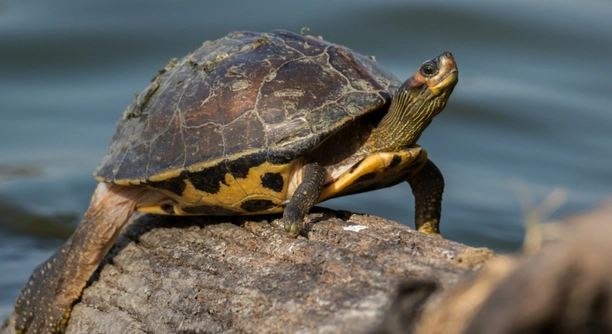
Understanding the differences between male and female Indian Roofed Tortoises can be difficult, but recognizing their physical traits will help you identify their gender. This guide provides clear details and helpful pictures to assist with the process.
Male Indian Roofed Tortoises typically have a concave plastron, longer tails, and broader hind limbs. In contrast, females have a flatter plastron, shorter tails, and narrower hind limbs. These traits help in distinguishing their sex.
Recognizing these characteristics will simplify the process of identifying your tortoise’s gender. Knowing this can enhance their care and help ensure they are well looked after.
Identifying Male Indian Roofed Tortoises
Male Indian Roofed Tortoises have certain characteristics that set them apart from females. One of the most noticeable traits is the concave shape of their plastron. This curved area on their underside allows them to mount the female during mating. Additionally, male tortoises tend to have longer tails compared to females. Their tails are thicker and extend farther from their body, which is another indicator of their gender. Another clear distinction is found in their hind limbs. Males generally have larger and more muscular hind limbs, enabling them to perform better during mating rituals.
The combination of these features makes it easier to identify males in the species. The more you observe these traits, the easier it becomes to distinguish males from females in a group. These physical signs will become increasingly obvious as your tortoise matures.
For proper care, it is important to know your tortoise’s sex. Knowing whether you have a male can affect how you care for them, especially if you plan to house them with others. Males tend to be more territorial and may need more space.
Recognizing Female Indian Roofed Tortoises
Female Indian Roofed Tortoises have a flatter plastron compared to males. This helps provide more space for their eggs when they are gravid. The flatter shape of their plastron helps them in laying eggs. Females also have shorter tails, which are not as pronounced as those of males.
The physical traits of female Indian Roofed Tortoises are essential for their ability to reproduce. Their shorter tails and flatter plastron make it easier for them to carry and lay eggs. The structure of their body is designed for egg-laying, with more room in their underside. Additionally, their hind limbs are not as bulky as those of males, as they do not need them for mating.
As a female tortoise matures, these physical changes become more apparent. If you are caring for a female, understanding these traits can help you provide the proper environment for egg laying. Female tortoises may need more privacy and a comfortable nesting area to lay eggs successfully.
Male vs. Female Tortoise Behavior
Male tortoises are often more active and can exhibit territorial behaviors. They may engage in mating rituals, such as mounting objects or other tortoises. This behavior is driven by their instincts to find a mate. Additionally, males can become aggressive, especially during breeding seasons.
Their territorial nature might cause them to chase after other tortoises or even fight for space. If there are multiple males in the same habitat, this can lead to more frequent confrontations. It’s important to monitor their behavior, as aggressive actions can cause stress or injury. Keeping males in larger, separate enclosures may reduce these behaviors.
Females, on the other hand, tend to be less aggressive and more focused on foraging or resting. During breeding seasons, they may become more active as they search for suitable nesting sites. However, they are typically more passive compared to males and will avoid confrontation if possible. Providing females with a quiet, comfortable environment will help minimize stress and promote healthy behavior.
Mating and Reproduction
Mating season brings noticeable differences between males and females. Male tortoises often become more vocal and will display mating behaviors like chasing or mounting. Males might also make loud noises while courting. Female tortoises typically focus on finding a proper nesting spot to lay their eggs.
Mating can sometimes be a challenging process for female tortoises, as they must be prepared to carry and lay eggs. The male will pursue her, often making rapid movements to gain her attention. If the female is not ready to mate, she will resist, leading to a potential chase. It’s important to provide ample space for the female during this time, as she may seek solitude for nesting.
The female’s nesting behavior is quite distinct. She will dig a hole to lay her eggs, ensuring that the site is secure. Once the eggs are laid, she will cover them and move away from the area. This process can be taxing on the female, and providing her with a calm environment helps ensure successful egg laying.
Differences in Size
Male Indian Roofed Tortoises are generally smaller than females. This size difference is often more apparent when they reach maturity. Males tend to have a more compact body, while females grow larger overall to accommodate egg production.
This size difference can be subtle in younger tortoises but becomes more obvious as they age. Female tortoises are usually about 20% larger than males, especially when it comes to their shell size. While size isn’t the only distinguishing factor, it’s a noticeable one.
Shell Shape
Males often have a more curved shell, particularly in the plastron area. This allows for easier mounting during mating. Females, in contrast, have a flatter plastron to make room for egg laying. This difference is crucial for identifying their sex.
As the tortoises grow, the shell’s shape will become more distinct. The males’ curved plastron helps them during the mating process. Female tortoises require a flatter underside to lay eggs successfully. This change is necessary for their reproductive process and is visible once they reach maturity.
Tail Differences
Male Indian Roofed Tortoises have significantly longer tails than females. Their tails are thicker and extend far beyond the edge of their shells. This difference is one of the easiest ways to tell the sex of a tortoise.
The length of the tail is linked to the tortoise’s reproductive system. Males need longer tails to mate effectively. These tails also make it easier to identify them in a group. In contrast, females have much shorter and less noticeable tails.
FAQ
How can I tell if my Indian Roofed Tortoise is male or female?
The most reliable way to distinguish between male and female Indian Roofed Tortoises is by examining the shape of their plastron. Males have a concave plastron, which allows them to mount females during mating. In contrast, females have a flatter plastron, which accommodates egg-laying. Additionally, males generally have longer, thicker tails that extend beyond their shells, while females have shorter tails. The size difference also plays a role, with females being larger overall, especially as they mature.
Does the size difference between male and female tortoises affect their care?
While the size difference is noticeable, it doesn’t significantly affect the basic care of Indian Roofed Tortoises. However, it may impact their space requirements. Since females are larger, they may need a slightly larger enclosure to move around comfortably. Providing enough space for both genders is essential for their overall well-being. The most important factor is offering an environment where they can display natural behaviors, such as digging or foraging, regardless of their size.
Are male Indian Roofed Tortoises more aggressive than females?
Yes, male Indian Roofed Tortoises tend to be more territorial and aggressive, especially during mating season. They may chase after other tortoises or become more active in defending their space. This can lead to confrontations if there are multiple males in the same area. Ensuring that males have adequate space and that their territories are respected can help minimize aggression. Females, on the other hand, are generally less territorial and more passive, focusing on foraging or resting.
Do male and female tortoises behave differently during breeding season?
Yes, male and female tortoises exhibit different behaviors during breeding. Males become more active and may show increased interest in chasing or mounting females. They may also vocalize and engage in other mating behaviors. Female tortoises, however, are more focused on finding a suitable nesting site to lay eggs. Their behavior changes, especially when they are gravid, as they seek out a quiet, secure location to bury their eggs. Understanding these behaviors can help provide the right environment for mating and egg-laying.
How do I care for my female Indian Roofed Tortoise during egg-laying season?
Caring for a female Indian Roofed Tortoise during egg-laying requires offering a quiet, comfortable, and safe space for her to nest. Providing a digging area with soft soil or substrate will encourage her to lay eggs. Make sure she has access to plenty of food and fresh water, as laying eggs can be exhausting. It’s important to minimize stress during this time and provide her with privacy. After laying, she will bury her eggs, and you should avoid disturbing her during this process.
Is it possible to determine the gender of a baby Indian Roofed Tortoise?
Determining the gender of a baby Indian Roofed Tortoise can be difficult since their physical traits, such as the plastron shape and tail length, are not fully developed until they mature. In younger tortoises, the differences between males and females are less obvious. As they grow, the traits that distinguish their gender, such as the concave plastron in males and the flatter plastron in females, will become more apparent. It may take several months or even a few years for these traits to become easily identifiable.
Can a male and female Indian Roofed Tortoise live together peacefully?
Yes, a male and female Indian Roofed Tortoise can live together, but you need to monitor their interactions, especially during mating season. Males tend to become more territorial, which can lead to conflicts if not managed properly. If you house them together, make sure the enclosure is large enough for both to have their own space. Providing hiding spots and separate feeding areas can help reduce tension. It’s also essential to ensure that the female is not stressed during egg-laying, so she has a quiet area to nest.
What should I do if my male tortoise becomes overly aggressive?
If your male tortoise is becoming too aggressive, it’s important to assess his environment. Sometimes, overcrowding or limited space can lead to increased territorial behavior. Ensure that your tortoise has enough room to roam and that his territory is respected. You may need to separate him from other males to prevent aggressive confrontations. In cases of severe aggression, providing distractions, like hiding spots or different substrates, can help calm him. If aggression continues, consulting a veterinarian or reptile expert may be necessary to address underlying issues.
Are there any health differences between male and female Indian Roofed Tortoises?
Generally, there are no significant health differences between male and female Indian Roofed Tortoises. Both genders require proper care, including a balanced diet, UVB lighting, and an appropriate enclosure temperature. However, female tortoises may experience additional health considerations related to reproduction, such as egg retention or difficulty laying eggs. Providing a suitable nesting area can help avoid these issues. Regular veterinary check-ups are recommended for both sexes to ensure they remain healthy throughout their lives.
Can I keep multiple female Indian Roofed Tortoises together?
Yes, female Indian Roofed Tortoises are generally more peaceful when housed together. They tend to be less territorial and aggressive compared to males. However, it’s still important to provide enough space and resources to prevent competition. Multiple females can live together without significant issues as long as the environment is large enough for them to establish their own territories and access food and water. Regularly checking their health and behavior can ensure they are comfortable in a shared space.
Final Thoughts
Determining the sex of your Indian Roofed Tortoise can be an interesting and useful task for any owner. By observing key characteristics such as the shape of the plastron, the tail length, and overall size, you can easily identify whether your tortoise is male or female. These traits become more noticeable as the tortoise matures, making it easier to distinguish between the two sexes. While it may take time for these features to become clear, the process is relatively straightforward and helps you better understand your pet’s behavior and needs.
Understanding the differences between male and female tortoises is also crucial for their care. Males may display more territorial behavior, especially during the mating season, while females focus on laying eggs when they reach maturity. Knowing this can help you set up your tortoise’s living environment in a way that reduces stress and promotes healthy development. Whether you have one tortoise or several, providing enough space, proper food, and quiet areas for egg-laying is essential to their well-being. Recognizing these behaviors and providing the right environment will ensure they thrive.
Lastly, it’s important to remember that both male and female Indian Roofed Tortoises require similar care when it comes to diet, habitat, and health. However, understanding the differences between the sexes will allow you to adjust their care as needed, especially during breeding seasons or when a female is preparing to lay eggs. With proper attention to these details, your tortoise will lead a healthy and fulfilling life.

Hello,
If you enjoy the content that we create, please consider saying a "Thank You!" by leaving a tip.
Every little bit helps us continue crafting quality advice that supports the health, happiness, and well-being of pets around the world, for pets of all shapes, sizes, and species.
We really appreciate the kindness and support that you show us!