
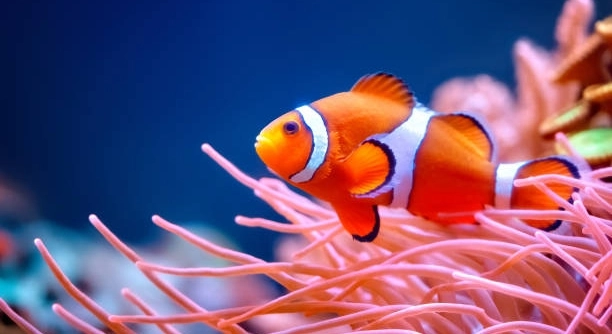
Is your clownfish showing signs of unusual behavior or stress? Many fish owners notice changes that might mean their pet is feeling overwhelmed. Understanding these signs can help you provide a calmer environment for your aquatic friend.
Clownfish can become overstimulated due to excessive light, loud noises, overcrowding, or sudden changes in their environment. Overstimulation often leads to erratic swimming, hiding, or loss of appetite, which are indicators that adjustments are needed for their well-being.
Recognizing these signs early will help you create a more comfortable space for your clownfish and improve its overall health and happiness.
Signs Your Clownfish Is Overstimulated
When a clownfish becomes overstimulated, its behavior changes noticeably. You might see it darting quickly around the tank or hiding more often than usual. These fish can also show a loss of appetite or appear restless. Overstimulation often results from too much noise, bright lighting, or sudden movement nearby. If the tank is crowded with other fish, this can add to their stress. Sometimes, frequent changes in water temperature or poor water quality increase their discomfort. Watching your clownfish’s behavior closely helps you catch these signs early. When overstimulation occurs, the fish’s immune system may weaken, making it more vulnerable to illness. Reducing external disturbances and maintaining stable water conditions are key steps to helping your clownfish feel secure again. Adjusting the environment to be quieter, dimmer, and less chaotic often calms them down.
Observing your clownfish daily allows you to notice these subtle changes and take action before the stress worsens.
Keeping a steady routine and a calm environment supports your clownfish’s health and comfort, which encourages natural behavior and growth.
How to Create a Calm Environment for Your Clownfish
A calm environment means fewer stress triggers and more stable conditions. Lighting should be moderate, avoiding intense or flashing lights that can overwhelm your fish. It is helpful to limit loud noises around the tank, such as music or heavy foot traffic. Regular tank cleaning is important to keep water quality high, which reduces stress from pollutants. If you have multiple fish, ensure the tank size is adequate to prevent overcrowding. Hiding spots and decorations provide safe spaces where clownfish can retreat when feeling overwhelmed. Avoid sudden changes to water temperature or chemistry, as these can increase discomfort. A consistent feeding schedule also helps maintain stability. Monitoring these factors closely creates a peaceful habitat for your clownfish.
Avoid frequent rearranging of tank decorations to maintain familiarity for your fish.
A calm setting allows your clownfish to thrive, reducing stress and promoting healthier behavior overall.
Common Causes of Overstimulation in Clownfish
Bright lighting, loud noises, and overcrowding often cause clownfish stress. Sudden movements near the tank can also upset them. Poor water quality adds to their discomfort, making it harder for them to stay healthy and calm.
Sudden changes in the environment can startle clownfish, leading to frantic swimming or hiding. Too many tank mates increase competition for space and food, raising stress levels. Excessive light or loud noises from household activities can disturb their natural rhythm. Water parameters like ammonia or nitrite spikes further strain their health. All these factors together can make your clownfish feel unsafe and overwhelmed.
Managing these stressors requires close observation and timely intervention. Adjusting light intensity, reducing noise, and keeping the tank clean create a stable environment. Ensuring enough space between fish and maintaining water quality lowers overstimulation risks. Small changes in care can make a big difference in your clownfish’s well-being.
How to Calm an Overstimulated Clownfish
To calm your clownfish, reduce bright lighting and minimize noise near the tank. Provide hiding spots to help them feel secure. Keep water conditions stable and consistent, avoiding sudden changes.
Adjusting the tank setup to include caves, plants, or coral can give your clownfish a refuge from stress. Gradually dimming lights during the day mimics natural conditions and helps prevent overstimulation. Limiting activity around the tank reduces external disturbances. Monitoring water temperature, pH, and cleanliness is crucial for preventing further stress. Feeding smaller, frequent meals supports digestion and keeps the fish comfortable. Consistency in care routines builds a sense of security for your clownfish, helping it recover from overstimulation more quickly.
Monitoring Your Clownfish’s Behavior
Watch your clownfish regularly to notice any sudden changes in activity or appetite. Early detection of overstimulation helps prevent long-term health issues.
Keep a log of behavior patterns and environmental changes. This can help identify triggers and improve care strategies over time.
Adjusting Tank Conditions to Reduce Stress
Maintaining stable water temperature and quality is essential. Use a reliable heater and filtration system to avoid fluctuations. Regular water tests ensure the environment stays safe for your clownfish. Sudden changes can increase stress and lead to illness. Keeping the tank clean and removing uneaten food reduces harmful bacteria. A calm, balanced environment helps your fish stay healthy and relaxed. Consistency in care routines, including feeding and lighting, supports their natural behavior and reduces anxiety. These small but important steps promote a peaceful home for your clownfish.
When to Seek Professional Help
If your clownfish shows persistent signs of distress despite adjustments, consulting a marine veterinarian is advised.
FAQ
How can I tell if my clownfish is stressed or just active?
Clownfish are naturally active swimmers, but stress shows as sudden darting, hiding, or loss of appetite. If your fish seems restless or avoids usual areas for long periods, it may be stressed. Regular observation helps distinguish normal activity from signs of distress.
What causes overstimulation in clownfish?
Common causes include bright or flashing lights, loud noises, overcrowding, poor water quality, and sudden environmental changes. These factors disrupt their comfort and can lead to erratic behavior or hiding.
Can water quality affect my clownfish’s mood?
Yes, poor water quality directly impacts their health and stress levels. High ammonia, nitrite, or nitrate levels cause discomfort. Maintaining clean water with regular testing reduces overstimulation and promotes wellbeing.
How often should I clean my clownfish tank?
Cleaning frequency depends on tank size and filtration, but generally, partial water changes of 10-20% every week or two help maintain water quality. Remove uneaten food and debris to prevent harmful buildup.
What kind of lighting is best for clownfish?
Moderate, consistent lighting is ideal. Avoid intense or flashing lights that may overwhelm them. Mimicking natural light cycles with timers supports their natural rhythms and reduces stress.
Is tank size important to prevent overstimulation?
Yes, a properly sized tank reduces overcrowding and territorial disputes. Clownfish need enough space to swim and hide comfortably. Small or crowded tanks increase stress and aggressive behavior.
Should I add hiding spots for my clownfish?
Providing caves, rocks, or coral gives clownfish places to retreat when feeling overwhelmed. These safe spots help reduce stress and support natural behavior.
Can sudden changes in temperature cause overstimulation?
Absolutely. Sudden shifts in water temperature disrupt metabolic processes and stress the fish. Maintaining a stable temperature within their preferred range is crucial.
What can I do if my clownfish stops eating?
Loss of appetite often signals stress or illness. First, check water conditions and reduce disturbances. Offering varied, high-quality food can encourage eating. If the problem persists, consult a marine veterinarian.
How do I reduce noise around the tank?
Place the tank away from high-traffic areas or noisy appliances. Soft padding under the tank can absorb vibrations. Keeping the environment calm helps your clownfish feel secure.
Can overcrowding cause overstimulation in clownfish?
Yes, too many fish in a tank increase competition and stress. Keeping a balanced number of tank mates and ensuring enough space helps reduce conflicts.
Are there any signs that indicate my clownfish is recovering from overstimulation?
Improved appetite, regular swimming patterns, and increased interaction with the environment are good signs. When your clownfish begins exploring and feeding normally, it is likely calming down.
Is it normal for clownfish to hide frequently?
Some hiding is natural, especially when feeling threatened or during rest. However, constant hiding can indicate stress or illness and should be monitored closely.
How long does it take for a clownfish to calm down after overstimulation?
Recovery time varies but usually takes several days to weeks with proper care. Patience and a stable environment are key to helping your clownfish regain normal behavior.
When should I seek professional help for my clownfish?
If signs of distress persist despite environmental improvements, or if your clownfish shows physical symptoms like discoloration or lesions, a marine veterinarian’s advice is necessary to diagnose and treat underlying issues.
Clownfish are sensitive creatures that respond to their environment in many ways. Recognizing signs of overstimulation early is important for their health and well-being. Changes in behavior like hiding, erratic swimming, or loss of appetite often indicate that the fish is feeling stressed. Understanding these signals allows you to make necessary adjustments to their habitat. Simple changes such as lowering lighting, reducing noise, or improving water quality can make a significant difference. It is important to provide a calm, stable environment where the clownfish can thrive without unnecessary stress.
Maintaining consistent care routines is one of the best ways to prevent overstimulation. Regular water testing and cleaning, proper tank size, and avoiding sudden changes in the environment help keep the fish comfortable. Providing hiding places within the tank gives the clownfish a sense of security, which reduces anxiety. Monitoring their behavior daily helps catch problems early before they affect the fish’s health. With patience and attention, it is possible to create a peaceful home that supports the natural habits of your clownfish.
If your clownfish shows persistent signs of distress despite your efforts, seeking advice from a marine veterinarian is a wise step. Sometimes stress can be linked to illness or other underlying issues that require professional care. Overall, staying observant and responsive to your clownfish’s needs ensures a happier, healthier pet. By creating a balanced environment and avoiding overstimulation, you help your clownfish live a long and comfortable life.

Hello,
If you enjoy the content that we create, please consider saying a "Thank You!" by leaving a tip.
Every little bit helps us continue crafting quality advice that supports the health, happiness, and well-being of pets around the world, for pets of all shapes, sizes, and species.
We really appreciate the kindness and support that you show us!