
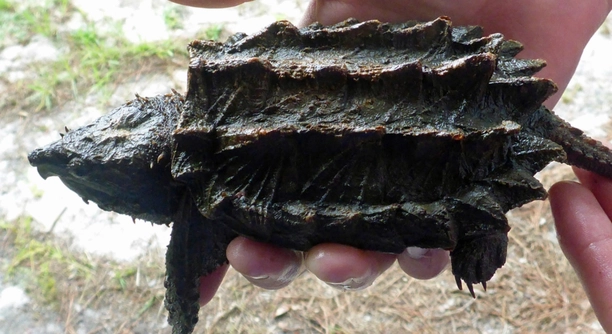
If you’re a proud owner of an alligator snapping turtle, understanding its health and behavior is key. One important thing to consider is whether your turtle might be pregnant. Knowing the signs can help you provide the best care.
To determine if your alligator snapping turtle is pregnant, look for key signs such as changes in behavior, increased appetite, a noticeable bulging of the abdomen, or nesting activity. These indicators can help confirm pregnancy and guide your care efforts.
Understanding these signs can help you support your turtle during this important time. Keep reading to learn more about the seven ways to tell if your alligator snapping turtle is pregnant.
1. Increased Appetite
When a female alligator snapping turtle is pregnant, one of the first signs you might notice is an increase in appetite. This is due to the growing demands of carrying eggs. She will likely eat more than usual, trying to get the energy needed for egg development.
If you see your turtle consuming larger portions of food or frequently seeking out more food, it’s a good sign that something is changing. This could be an early indication that she’s expecting. Be sure to provide a balanced diet that includes the necessary nutrients to support her during this time.
In addition to her increased food intake, your turtle may also display more curiosity about her surroundings. She might roam more, showing more interest in her habitat. If you notice both behavior changes together, it’s a good idea to keep an eye on her for any further signs of pregnancy.
2. Behavioral Changes
Pregnancy can cause notable changes in the alligator snapping turtle’s behavior. She may become more territorial and even act more aggressively than usual. This could be due to the natural instincts to protect herself and her potential eggs. It’s important to give her space during this time, especially as she becomes more protective of her environment.
You may also see her spending more time in certain areas of her habitat, such as near water or places where she feels safer. If she begins to stay in specific spots for long periods, it could indicate that she is getting ready for nesting.
Behavioral shifts are key to noticing pregnancy in your turtle. Recognizing these signs early on allows you to provide a calm and secure environment for her. Be mindful of her needs, as they can become more pronounced during this period.
3. Abdominal Changes
Another significant sign of pregnancy is the noticeable bulging of the abdomen. As the eggs develop inside her, her body will begin to show physical signs of pregnancy. The abdomen will appear larger and firmer, especially as the eggs grow in size. This is one of the most reliable indicators that your alligator snapping turtle is carrying eggs.
If you notice any significant changes in her abdomen, it’s essential to avoid unnecessary stress on her. Keep her environment quiet and stable to avoid any discomfort. Make sure the water temperature and quality are suitable for her needs, as these factors are important during the development of her eggs.
When she’s close to laying, her abdomen will become much more pronounced. At this stage, she might start looking for a safe place to nest. It’s important to be prepared to support her during this time.
4. Nesting Behavior
Pregnant alligator snapping turtles often begin to exhibit nesting behavior as they near the time to lay eggs. She may start digging in the substrate or searching for a spot outside the water where she feels safe. This behavior usually occurs a few weeks before egg-laying, and it’s a clear sign that she’s preparing for the nesting process.
Keep an eye out for any changes in her behavior around the time she begins to dig. She will be very focused on finding the right spot to deposit her eggs, and you may notice her using her hind legs to create a hole in the sand or soil. Providing an appropriate nesting site is essential for her well-being and for the successful laying of eggs.
During this period, it’s important to avoid disturbing her too much. Offering her a quiet, comfortable space will encourage her to go through the process naturally and with minimal stress. Make sure she has access to both water and a dry nesting area.
5. Physical Appearance Changes
Pregnant alligator snapping turtles may experience visible changes in their physical appearance. The most noticeable is the increase in size due to the developing eggs inside her body. Her shell may appear rounder, and she may move slower than usual as her body works to accommodate the extra weight.
These physical changes can help you identify if your turtle is pregnant. However, keep in mind that other factors, such as weight gain or health issues, can also cause her to appear larger. It’s important to monitor her behavior and other signs to confirm if she’s expecting. If she becomes noticeably sluggish or lethargic, it may be due to the increased load from her growing eggs.
Providing a calm environment with easy access to food and water can support her as she adjusts. Make sure she is not over-exerting herself or experiencing stress. This will help her stay comfortable as her body undergoes these natural changes.
6. Changes in Swimming Habits
Another sign that your alligator snapping turtle may be pregnant is a change in her swimming behavior. Pregnant turtles tend to spend more time on the bottom of their habitat, resting or searching for nesting areas. This behavior change may be due to the extra weight from the eggs, which can make swimming more difficult for her.
Pregnant turtles are also more likely to stay in shallow areas or near the edges of the water. They may avoid deep or fast-moving water, preferring more secure and stable spots to rest. If your turtle has previously been very active in the water and suddenly becomes more sedentary, it could indicate she’s nearing the end of her pregnancy.
Supporting her by ensuring clean, stable water conditions will help keep her comfortable. You might also want to give her access to both shallow and deeper areas so she can find a spot that feels most comfortable.
7. Changes in Activity Levels
A pregnant alligator snapping turtle may become less active as her body changes. She might rest more often, moving slowly or not at all. This is because the developing eggs take a toll on her energy.
While it’s normal for turtles to be more lethargic when pregnant, watch for signs of distress. If your turtle is overly inactive or not eating, it could indicate health issues. Make sure her habitat is safe and comfortable. A stable environment will help her manage the physical demands of pregnancy.
8. Increased Nesting Instincts
As your turtle gets closer to laying her eggs, her nesting instincts will become stronger. You’ll notice her looking for areas to dig or prepare a nest. This is a clear sign she’s nearing the end of her pregnancy.
She may act more restlessly, searching for a place that feels secure to lay her eggs. It’s important to offer her a dry, quiet space with suitable substrate for nesting. This will allow her to lay her eggs naturally without stress.
9. Hormonal Changes
During pregnancy, hormonal shifts in your alligator snapping turtle may cause changes in her behavior and physical appearance. These hormonal fluctuations help her body prepare for egg-laying. She might become more territorial or protective, especially in the days leading up to laying her eggs.
These hormonal changes can affect her interactions with her environment and may even influence her appetite or social behavior. It’s important to respect her space and avoid overstimulating her during this time. Keeping her habitat calm will help her stay comfortable as her body goes through these natural processes.
FAQ
What should I do if my alligator snapping turtle is pregnant?
If you suspect your alligator snapping turtle is pregnant, the first thing to do is ensure she has a calm, stress-free environment. Provide her with a suitable nesting area that includes a dry spot with substrate where she can lay her eggs. Monitor her closely for any changes in behavior, such as increased aggression or the need to dig, and make sure her habitat’s water conditions are ideal. Keep her food intake stable and be prepared for her to eat more than usual. If you’re unsure about her health or the pregnancy, consult a vet for advice.
How long is an alligator snapping turtle pregnant?
The gestation period for an alligator snapping turtle can vary but generally lasts around 3 to 4 months. During this time, the turtle will develop her eggs inside her body before laying them. The exact duration can be affected by factors such as temperature, water conditions, and overall health. After the gestation period, she’ll begin searching for a nesting site to deposit her eggs. It’s essential to provide a suitable environment for her during this period to ensure a successful laying process.
How can I tell if my alligator snapping turtle is going to lay eggs?
When an alligator snapping turtle is about to lay eggs, you will likely notice changes in her behavior. She may begin searching for a nesting site and become more territorial. Look for signs of increased digging or digging behavior around the edges of her habitat. Her abdomen may become more pronounced as her eggs grow. Additionally, she may spend more time out of the water, especially when she’s near her laying time. These behaviors are a clear indication that she is getting ready to lay her eggs.
What type of nesting area does my alligator snapping turtle need?
For a successful nesting experience, an alligator snapping turtle needs a dry, secure area to lay her eggs. You should provide a shallow area with soft substrate, such as dirt, sand, or a mixture that allows her to dig easily. The nesting area should be secluded and quiet, ensuring that she feels safe to lay her eggs. Make sure the space is large enough for her to move around comfortably, and consider keeping the temperature of the area stable, as extreme heat or cold can negatively affect the eggs.
Can I help my alligator snapping turtle lay her eggs?
While it’s best to allow your alligator snapping turtle to lay her eggs naturally, you can help by providing a proper nesting area. It’s important not to disturb her too much during the egg-laying process. Offer her an appropriate spot with the right substrate and allow her the privacy she needs. If she seems unable to lay the eggs or if there are complications, it’s important to seek help from a reptile vet. In most cases, the turtle will know when and where to lay her eggs.
What happens if my alligator snapping turtle can’t lay her eggs?
If your alligator snapping turtle is unable to lay her eggs, it can lead to serious health issues, such as egg retention, which may cause her discomfort or even infection. If she seems to be struggling to lay her eggs, it’s essential to consult with a vet. The vet may be able to assist in helping her pass the eggs safely or determine if there are any complications that need treatment. Providing a quiet, stress-free environment is crucial during this time to help her successfully lay her eggs.
Do I need to incubate my alligator snapping turtle’s eggs?
Unlike some reptiles, alligator snapping turtles typically incubate their eggs naturally by burying them in the substrate. Once laid, the eggs need to be kept in a safe and stable environment, typically at a temperature of around 75 to 80°F (24 to 27°C). You don’t need to incubate the eggs manually unless there is a concern with temperature or humidity levels in the nesting area. If you’ve removed the eggs for any reason, it’s best to replicate the natural conditions as closely as possible to ensure they hatch successfully.
How long does it take for alligator snapping turtle eggs to hatch?
Alligator snapping turtle eggs typically take around 100 to 120 days to hatch. The exact duration can depend on the temperature and humidity of the environment. Warmer temperatures tend to speed up the incubation process, while cooler temperatures may slow it down. During this time, it’s important to monitor the eggs for any signs of issues, such as cracking or abnormal color changes. Once they hatch, the baby turtles will need to be carefully monitored to ensure they are safely placed in a suitable habitat.
How can I tell if my alligator snapping turtle is healthy during pregnancy?
During pregnancy, a healthy alligator snapping turtle should still show interest in food, though she may eat more than usual. Her behavior should change slightly as she looks for nesting spots, but she shouldn’t become overly lethargic or agitated. Her shell and skin should appear normal without signs of injury or infection. If she seems excessively sluggish, refuses to eat, or displays abnormal behavior, it’s important to seek veterinary help. A healthy environment with appropriate water conditions will also support her pregnancy.
Final Thoughts
Caring for a pregnant alligator snapping turtle can be a rewarding yet challenging experience. Understanding the signs of pregnancy, such as increased appetite, changes in behavior, and nesting instincts, helps ensure you are prepared for the process. Providing a suitable environment is crucial for the turtle’s health, especially during the egg-laying stage. This includes maintaining a calm, quiet space, as well as offering a proper nesting area with soft substrate. It’s also important to keep the water conditions optimal to support her throughout the pregnancy.
If you suspect your turtle is pregnant, it’s vital to monitor her closely for any signs of stress or difficulty. Be mindful of any changes in her behavior, such as lethargy or reluctance to eat, as these can indicate potential health issues. Ensure that she has access to fresh food, water, and a stress-free environment. If she has trouble laying her eggs, it’s important to seek the advice of a veterinarian who can help guide you through the process or assist with any complications. While most alligator snapping turtles are capable of laying their eggs without assistance, some may need a little help in rare situations.
Overall, with proper care and attention, your pregnant alligator snapping turtle will likely have a successful pregnancy and egg-laying process. By staying informed and providing the right environment, you can support her during this time. This is an opportunity to observe the natural behavior of these fascinating reptiles and ensure they are given the best possible conditions for a healthy outcome. While it can be a waiting game, the experience is both educational and rewarding, knowing you have helped your turtle through such a significant stage in her life.

Hello,
If you enjoy the content that we create, please consider saying a "Thank You!" by leaving a tip.
Every little bit helps us continue crafting quality advice that supports the health, happiness, and well-being of pets around the world, for pets of all shapes, sizes, and species.
We really appreciate the kindness and support that you show us!