
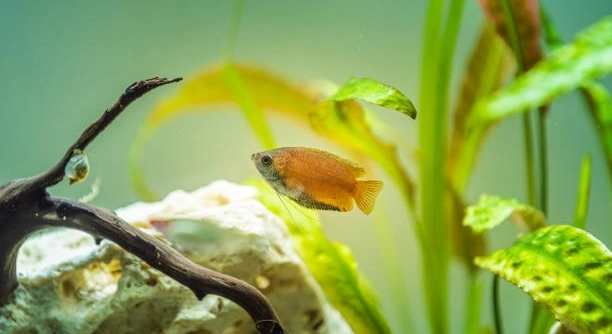
Is your gourami a beloved part of your aquarium, swimming gracefully and adding life to your tank? Many aquarists enjoy observing these fish up close and occasionally wonder about interacting with them gently.
Touching a gourami’s head or body is generally not recommended. Physical contact can stress the fish, damage delicate scales, or disturb their protective slime coating, which is essential for disease prevention and overall health. Minimal handling is advised.
Learning safe ways to interact with your gourami helps maintain its health. Proper care ensures your fish remains vibrant and stress-free in its aquatic home.
Why Handling Gouramis Can Be Risky
Gouramis are delicate fish with sensitive scales and a protective slime coat that keeps them healthy. When you touch their body or head, this layer can be damaged, leaving them vulnerable to infections and stress. Even gentle contact can cause behavioral changes, making them hide more or become less active. Repeated handling may increase their susceptibility to illness and reduce their lifespan. Many aquarists underestimate how fragile gouramis can be, thinking a soft touch is harmless. Their natural instincts make them easily startled, so sudden movements near them can trigger stress responses. Maintaining a calm environment without physical interference helps them stay active and display normal behaviors. Using tools like nets should be done carefully and only when necessary, such as during tank cleaning or medical treatment. Observing them without touching is the safest way to enjoy their beauty while keeping them healthy and thriving.
Even brief handling can cause lasting stress to a gourami, so minimize physical contact as much as possible.
Keeping gouramis healthy requires understanding their fragility. Their slime coat protects against bacteria and parasites, so disrupting it can have serious consequences. A single rough touch may not be immediately obvious, but repeated contact can weaken their immunity. Stress from handling affects feeding and social behaviors, making them more prone to hiding or aggression. If you need to move a gourami, always use soft, wet hands or a net designed for delicate fish. Regular water quality maintenance and a calm tank environment reduce the need to handle them. Providing hiding spots and stable conditions helps them feel secure, decreasing the likelihood of stress-related illness. By minimizing contact and focusing on gentle observation, you support your gourami’s long-term health and natural behavior patterns. Understanding these practices ensures they remain active, vibrant, and resistant to common diseases.
Safe Ways to Interact with Your Gourami
Observing gouramis without touching allows them to stay healthy and confident in their environment.
You can interact safely by maintaining visual contact and creating a calm, predictable environment. Avoid tapping the glass or making sudden movements near the tank, as gouramis can be startled easily. Feeding them by hand using long tweezers or placing food in the tank can encourage gentle interaction without physical contact. Watching their behavior, noting changes in activity or appetite, helps you monitor their well-being. Providing plants, hiding spots, and stable water conditions allows them to explore and feel secure. Training them to respond to your presence through consistent feeding routines can build trust, creating a connection without compromising their health. Using soft lighting and maintaining a quiet environment also reduces stress. These methods help you enjoy your gouramis while respecting their delicate nature, ensuring that both observation and interaction are safe and rewarding.
Recognizing Signs of Stress in Gouramis
Stress in gouramis can show through changes in behavior and appearance. They may hide more, swim erratically, or lose interest in food. Faded colors and clamped fins are also common indicators of discomfort or illness caused by handling or environmental factors.
Behavioral signs like rapid gill movement, erratic swimming, or aggression toward tank mates often indicate stress. Physical signs such as faded coloration, frayed fins, or abnormal mucus production suggest that their protective slime coat has been compromised. Stress can weaken their immune system, making them more susceptible to bacterial or parasitic infections. Observing these warning signs early allows for timely adjustments in care, such as reducing disturbances, improving water quality, or adding hiding spaces, ensuring that the fish remain healthy. Consistent monitoring helps maintain a calm environment, allowing gouramis to regain confidence and display natural behaviors.
Environmental factors, including sudden temperature changes, poor water quality, or overcrowding, can worsen stress in gouramis. Handling them unnecessarily compounds this problem. Creating a stable environment, maintaining clean water, and limiting physical interaction are key to preventing chronic stress. Incorporating plants and decorations gives them safe spaces to retreat, reducing fear responses and supporting normal activity. By prioritizing these measures, you promote a healthier and more comfortable habitat, ensuring that your gouramis remain active, vibrant, and less prone to illness caused by stress.
Proper Tank Setup for a Stress-Free Gourami Habitat
A well-designed tank reduces stress and encourages natural behavior in gouramis. Proper plants, hiding spots, and calm water conditions are essential for their well-being.
Gouramis thrive in tanks that mimic their natural habitat. Floating plants provide cover at the surface, while dense foliage offers resting and hiding areas, reducing stress and giving them a sense of security. Maintaining stable water parameters, including temperature, pH, and filtration, ensures their immune system stays strong. Gentle water flow prevents them from struggling against currents, which can tire and stress them. Regular tank maintenance, without sudden changes, supports their comfort. By thoughtfully arranging the tank, you create an environment where gouramis can swim freely, display natural behaviors, and interact safely with their surroundings. Consistent care allows them to remain healthy and visually vibrant, enhancing their overall well-being.
Handling Techniques to Avoid
Using your hands to move a gourami can easily damage its scales or slime coat. Nets should be soft and used only when absolutely necessary, such as during tank cleaning or medical treatment.
Rough handling or squeezing the fish increases stress and may cause injury. Avoid any direct contact unless it is unavoidable.
Monitoring Water Quality
Maintaining clean and stable water is crucial for gouramis. Regular testing of pH, ammonia, nitrite, and nitrate levels helps prevent stress and disease. Consistent partial water changes keep the environment safe and comfortable. Stable temperature and low water movement mimic their natural habitat and reduce anxiety.
Recognizing When Intervention Is Necessary
If a gourami shows persistent stress, illness, or abnormal behavior, intervention may be required. Minimal handling combined with water adjustments and proper care can restore health.
FAQ
Is it ever safe to touch a gourami?
Minimal contact is generally safe only in rare cases, such as transferring the fish during tank cleaning or medical treatment. Always wet your hands or use a soft net to reduce damage to the slime coat and scales. Unnecessary handling should be avoided.
What happens if I touch a gourami too often?
Repeated handling can stress the fish, weaken its immune system, and damage its protective slime layer. This makes the gourami more prone to infections, slow healing, and behavioral changes such as hiding or reduced activity. Long-term contact can negatively impact overall health.
Can touching a gourami make it sick immediately?
Physical contact doesn’t always cause immediate illness, but it compromises the slime coat, which protects against bacteria and parasites. This increases the risk of infections over time, even if symptoms aren’t apparent right away. Stress from handling can also reduce appetite and energy.
How can I safely move my gourami?
Use a soft, fine-mesh net or a wet container to transfer the fish. Avoid sudden movements and keep the water temperature consistent. Limit exposure to air, and return the fish to the tank quickly to minimize stress and protect its slime coat.
Are certain gourami species more sensitive to touch?
Yes, smaller species and those with longer fins, like the dwarf gourami, are particularly delicate. Their fragile scales and fins make them more susceptible to injury and stress from handling compared to larger, hardier species.
Can gouramis recognize their owners without touch?
Gouramis can become familiar with people through visual cues and feeding routines. They may approach the tank or swim near you when they see you, showing trust and curiosity without any physical contact. Interaction doesn’t require touching to form a connection.
What are the signs of damage from touching?
Signs include torn fins, scratches, clamped fins, faded coloration, or increased mucus production. Behavior changes such as hiding, reduced movement, or loss of appetite also indicate stress or physical harm. Monitoring these signs helps prevent serious health issues.
Is it okay to pet a gourami gently?
Even gentle petting can disturb the slime coat or scales. The safest approach is to enjoy observing them rather than touching. Indirect interaction, such as feeding or using tools to encourage movement, is much safer.
How can I reduce my gourami’s stress without touching it?
Provide hiding spots, maintain water quality, and create a calm environment. Floating plants, stable temperature, and minimal tank disturbances make them feel secure. Consistent feeding routines and observing behavior from outside the tank also reduce stress.
When should I consult a vet about handling-related stress?
If your gourami shows persistent hiding, unusual swimming patterns, or signs of infection after contact, a veterinarian or aquatic specialist should be consulted. Early intervention prevents long-term damage and helps restore health efficiently.
Can water changes replace handling for tank maintenance?
Yes, performing regular partial water changes reduces the need for direct handling. Using nets and containers designed for fish transfers ensures the tank stays clean while keeping your gourami safe. Regular maintenance is key to avoiding stress and injuries.
Do gouramis forget stress from being touched?
They may recover physically if handled minimally, but repeated negative experiences can cause long-term behavioral changes. Creating a calm, predictable environment helps them regain confidence and reduces lingering stress responses.
What tools are safest for interacting with gouramis?
Soft, fine-mesh nets, feeding tweezers, and containers designed for fish transfers are ideal. Avoid rigid nets, sharp tools, or any equipment that could damage scales or fins. Proper tools make necessary interactions safe and reduce stress.
How can I build trust with my gourami without touching?
Consistency is key. Feeding at the same time, speaking softly near the tank, and providing predictable routines helps them associate your presence with positive experiences. Gouramis respond well to visual cues and gentle observation, forming trust over time.
Can touching gouramis affect their breeding behavior?
Yes, stress from handling can disrupt mating behaviors, reduce egg production, or cause aggression between breeding pairs. Maintaining a calm environment and minimizing interference supports natural breeding cycles.
What’s the best way to introduce new gouramis without touching existing ones?
Quarantine new fish first to prevent disease spread. Use a container to float them in the tank for acclimation. Avoid transferring them directly by hand. This method minimizes stress for both new and existing gouramis, ensuring smooth integration.
Does tank size influence how sensitive a gourami is to touch?
Smaller tanks increase stress levels, making any contact more impactful. Providing ample space allows them to move freely, reducing the effects of accidental contact and supporting natural behavior. Larger tanks offer better stress management and overall health.
Can gouramis recover from minor injuries caused by touching?
Yes, minor scratches or fin damage can heal if water quality is maintained and stress is minimized. Avoid further handling, provide hiding spaces, and ensure proper nutrition to promote healing. Severe injuries require professional attention.
How often should I observe my gourami to monitor stress?
Daily observation is ideal. Watching swimming patterns, fin position, and color helps detect early signs of stress. Minimal interaction while observing ensures they remain calm and healthy.
Are there alternatives to physical interaction for medical care?
Yes, using medicated water baths or feeding treatments avoids direct handling. Nets and containers can isolate the fish gently for treatment. Minimizing touch while administering care protects the slime coat and reduces stress.
Can touching affect gouramis’ social behavior?
Yes, stressed gouramis may become aggressive, hide more, or avoid tank mates. Maintaining a calm environment and limiting contact preserves social dynamics and natural interactions within the tank.
How can I tell if a gourami enjoys interaction without touch?
Positive responses include swimming toward you during feeding, exploring the tank confidently, and displaying bright colors. Calm, consistent behavior signals comfort and trust, indicating interaction is successful without physical contact.
What are the long-term effects of frequent handling?
Frequent handling increases chronic stress, susceptibility to illness, and potential behavioral changes. It can shorten lifespan and reduce overall vitality. Minimizing contact ensures gouramis remain healthy, active, and visually vibrant throughout their life.
Are there species-specific precautions?
Some gouramis, like kissing gouramis or dwarf varieties, are more delicate. Research your species’ sensitivity to handling, provide appropriate hiding spaces, and minimize interactions to ensure their well-being.
Can I use gloves to touch my gourami?
Gloves may still damage the slime coat and scales. Wetting your hands is safer, but it’s best to avoid touch entirely unless necessary. Tools designed for fish transfer remain the safest option.
Is it safe to remove a gourami from water briefly?
No, exposing gouramis to air even briefly can stress them and damage gills. Transfers should be done using water-filled containers or soft nets, keeping them submerged as much as possible.
How do I balance care and interaction?
Focus on observation, feeding, and environmental enrichment rather than physical contact. Minimal handling, combined with proper water quality and a stable tank setup, ensures health while allowing you to enjoy your gouramis safely.
Can touching affect a gourami’s growth?
Chronic stress from handling can reduce appetite and nutrient absorption, indirectly affecting growth. Maintaining minimal contact and a stable environment supports healthy development.
What are signs of recovery after stress?
Brightening colors, active swimming, and normal feeding behavior indicate recovery. Hiding less frequently and interacting with the environment are also positive signs that stress is reducing.
Are gouramis more sensitive at certain life stages?
Juvenile gouramis are more delicate, with thinner slime coats and weaker immune systems. Extra caution is necessary during early stages to avoid handling and ensure proper growth.
How do I safely clean the tank without touching my gourami?
Use nets or containers to temporarily relocate the fish. Clean substrate and decorations carefully, avoiding sudden movements. Replace water gradually to maintain stable conditions. This reduces stress and protects their slime coat.
Can stress from touching cause disease outbreaks?
Yes, weakened immunity from stress increases susceptibility to bacterial, fungal, or parasitic infections. Minimizing contact and maintaining excellent water quality prevents health issues and supports recovery from minor stress incidents.
What is the safest way to enjoy gouramis up close?
Observing them through the glass, maintaining a calm environment, and using feeding routines allows interaction without physical contact. This keeps them healthy while fostering a sense of connection.
How do I teach children to respect gouramis’ space?
Explain the risks of touching and encourage observation instead. Using feeding routines or visual interaction helps children engage safely without causing stress or injury to the fish.
Can gouramis sense handling stress in other tank mates?
Yes, stressed fish can influence the behavior of others. Minimizing contact with any tank mates reduces overall tank stress and maintains a calm, healthy environment.
Are there behavioral changes that indicate long-term handling effects?
Persistent hiding, aggression, reduced feeding, or erratic swimming are signs of long-term handling stress. Adjusting care practices and minimizing contact helps mitigate these effects and supports recovery.
How do I gradually build trust without touching?
Consistent feeding routines, gentle presence near the tank, and visual cues over time help gouramis associate you with positive experiences. Patience is key to building trust without physical interaction.
What should I avoid when interacting with gouramis?
Avoid direct touch, sudden movements, tapping the glass, and using rough tools. These actions increase stress and can lead to physical damage or behavioral issues.
Can stress from touching affect appetite?
Yes, stress often causes reduced feeding. Maintaining calm conditions and avoiding contact helps restore normal appetite and ensures proper nutrition.
Are some gouramis naturally more tolerant of touch?
Some larger or hardier species may tolerate brief handling better, but minimal contact is still safest. All gouramis benefit from gentle care and limited physical interaction.
How does tank lighting impact interaction stress?
Bright, sudden lighting can startle gouramis, increasing stress during observation or feeding. Soft, consistent lighting creates a comfortable environment and supports natural behavior.
Can stress from touching trigger aggression in gouramis?
Yes, stressed gouramis may bite or chase tank mates. Reducing handling and maintaining a calm environment prevents aggression and preserves social harmony in the tank.
How do I safely introduce tank decorations without disturbing gouramis?
Add decorations slowly, using nets or containers to temporarily move the fish if necessary. Avoid sudden placement that may startle them, ensuring a calm and secure environment.
Is it possible to rehabilitate a gourami after repeated stress?
Yes, with consistent care, minimal handling, and a stable environment, gouramis can recover physically and behaviorally. Patience and careful observation are essential for full rehabilitation.
What are common mistakes when handling gouramis?
Using dry hands, squeezing, transferring without water, and frequent contact are major mistakes. These increase stress, injury, and disease risk. Proper tools and minimal handling are critical for safety.
How can I ensure long-term health while interacting safely?
Focus on observation, stable water quality, environmental enrichment, and feeding routines. Avoid physical contact, monitor behavior, and provide hiding spaces. These practices maintain health, reduce stress, and allow safe interaction over time.
Do gouramis remember negative experiences from handling?
Yes, repeated stressful handling can lead to long-term fear responses. Avoiding unnecessary contact helps them feel secure and regain natural behavior.
Can touch affect their lifespan?
Chronic stress and repeated injuries from handling may reduce lifespan. Minimizing contact and prioritizing a calm, stable environment helps gouramis live longer, healthier lives.
What is the ultimate rule for interacting with gouramis?
Minimize physical contact and prioritize their health. Observation, environmental stability, and careful routines create a safe, low-stress environment where gouramis thrive.
Gouramis are delicate and beautiful fish that require careful attention to their environment and handling. Their protective slime coat and sensitive scales make them particularly vulnerable to stress and injury from direct contact. Even gentle touches can disrupt this protective layer, leaving them more susceptible to infections and behavioral changes. While it may be tempting to interact with them physically, observing them from outside the tank is the safest way to enjoy their natural beauty. Providing a stable and clean tank environment allows them to swim freely, explore, and display natural behaviors without unnecessary stress. Consistency in care, including regular feeding routines, proper water parameters, and gentle tank maintenance, ensures that gouramis remain healthy and active. By understanding the risks of handling and prioritizing their well-being, aquarists can build a harmonious and low-stress environment that supports long-term health.
Stress in gouramis can manifest in subtle ways, such as faded coloration, clamped fins, hiding, or reduced appetite. Repeated or rough handling can exacerbate these symptoms, leading to more serious health issues over time. It’s important to recognize these signs early and adjust care practices accordingly. Providing ample hiding spaces, stable water conditions, and a calm tank environment helps reduce stress and encourages natural behavior. Minimal physical interaction, combined with visual observation, allows gouramis to feel secure while still responding to your presence. Tools like soft nets or containers can be used for necessary interventions, such as tank cleaning or medical treatments, but they should be handled with care to avoid causing injury. By focusing on indirect interaction and prioritizing the fish’s comfort, aquarists can maintain a healthy, thriving population without compromising their well-being.
The long-term health of gouramis depends largely on the environment and how they are treated. Avoiding unnecessary touch, maintaining proper water quality, and creating a secure and enriched habitat are essential for their overall well-being. Even small adjustments, like adding plants for cover or ensuring a stable temperature, can make a significant difference in reducing stress. Consistency in care not only protects their physical health but also supports positive behavior and social interactions within the tank. Observing gouramis without disturbing them fosters a sense of trust and allows them to exhibit natural behaviors, from swimming gracefully to interacting with other fish. While it may require patience to limit physical interaction, this approach ultimately benefits both the fish and the aquarist. By respecting the delicate nature of gouramis and providing a calm, stable environment, they can live long, healthy, and vibrant lives, bringing beauty and life to any aquarium.

Hello,
If you enjoy the content that we create, please consider saying a "Thank You!" by leaving a tip.
Every little bit helps us continue crafting quality advice that supports the health, happiness, and well-being of pets around the world, for pets of all shapes, sizes, and species.
We really appreciate the kindness and support that you show us!