
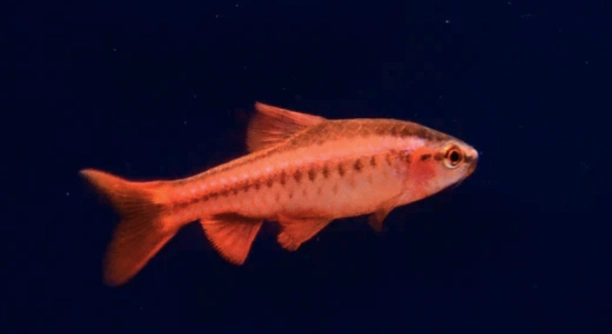
Cherry barbs are colorful and peaceful fish that many aquarium owners enjoy. Crabs are another popular aquarium addition but their compatibility with other species can sometimes be tricky. Understanding how these creatures interact is important for a healthy tank.
When keeping cherry barbs with crabs, it’s important to consider the size and temperament of both species. While cherry barbs are generally peaceful, crabs can be territorial and aggressive, particularly when they feel threatened. Ensuring enough space and hiding spots can help reduce conflicts.
By considering these factors, you can create a more harmonious environment for your tank’s inhabitants. Learning how to set up the best conditions is key to maintaining peace between these species.
Compatibility Between Cherry Barbs and Crabs
When it comes to keeping cherry barbs and crabs together, the most crucial factor to consider is the type of crab. Many crabs are scavengers and may try to eat smaller fish, including cherry barbs, if they feel hungry enough. Additionally, crabs can be quite territorial, especially during molting periods. Cherry barbs, being peaceful fish, may not handle these aggressive tendencies well. It’s best to choose non-aggressive crab species that won’t see the barbs as potential food.
While some aquarists have successfully kept cherry barbs and crabs together, it’s important to monitor their behavior closely. If the tank is large enough and provides plenty of hiding spaces for both species, the chances of peaceful cohabitation improve. It’s also essential to feed both the barbs and crabs regularly to reduce aggression over food.
Proper tank maintenance is essential for the health and happiness of both species. A balanced aquarium setup, with plenty of space, hiding spots, and appropriate water conditions, will help minimize the risk of conflict.
Setting Up the Right Environment
The setup is key to keeping cherry barbs and crabs together. With a properly arranged tank, you can ensure that both species feel secure.
Crabs often seek hiding spots to feel safe, particularly during molting, when they are vulnerable. Cherry barbs, though peaceful, will appreciate plenty of swimming space to avoid any stressful encounters. For a peaceful coexistence, make sure your tank has caves or plants where the crabs can hide. A tank of at least 20 gallons is ideal to provide space for both species. Additionally, check that the water conditions meet the needs of both. Cherry barbs thrive in water temperatures between 72°F and 78°F, while most freshwater crabs require slightly warmer water. Make sure the water parameters are stable and consistent to reduce any stress.
Tank Size and Space Requirements
The tank size is crucial for keeping cherry barbs and crabs together. A larger tank offers more space for both species to establish their territories and feel comfortable. A 20-gallon tank is the minimum, but bigger is always better when combining species with different space needs.
Cherry barbs prefer swimming in schools, so providing ample swimming space is important. Crabs, on the other hand, tend to stay close to the substrate or rocks, so they don’t require as much open swimming space. However, they do need hiding places to retreat to. Adding decorations such as plants, caves, and driftwood will help both species establish territories and reduce stress. This setup will allow them to coexist peacefully without feeling crowded or threatened.
For a balanced environment, keep the tank cluttered enough to provide hiding spots, but ensure there is enough open water for the barbs. Regular cleaning and maintaining water quality also contribute to a healthy environment for both species.
Water Conditions and Maintenance
Keeping the water conditions stable is essential to ensure both species thrive. Cherry barbs prefer slightly acidic to neutral water, with a pH range of 6.5 to 7.5. Crabs generally do well in similar water conditions but require slightly higher salinity levels.
It’s important to check water parameters regularly, including temperature, pH, and hardness. Cherry barbs enjoy temperatures between 72°F and 78°F, while most freshwater crabs thrive in temperatures between 75°F and 80°F. Having a heater can help keep the tank temperature stable for both species. Filtration is also crucial to maintain clean water, as crabs can produce waste that affects the tank’s overall water quality. Performing weekly water changes of 25% will help keep ammonia levels in check and prevent any build-up of harmful toxins.
With regular monitoring and proper equipment, the tank can remain healthy for both cherry barbs and crabs. Keep an eye on water conditions to prevent stress and ensure the best living environment for both species.
Feeding Habits and Diet
Cherry barbs and crabs both have specific dietary needs. Cherry barbs are omnivores, enjoying a diet that includes high-quality flakes, live or frozen foods, and vegetables. Crabs are scavengers and will eat a variety of foods, including sinking pellets, small invertebrates, and algae.
It’s important to feed each species separately to prevent one from taking all the food. Cherry barbs tend to eat quickly, so it’s helpful to scatter the food throughout the tank. Crabs may forage at the bottom for any leftovers, so ensure both species are getting the nutrients they need. Overfeeding should be avoided, as it can pollute the water and lead to health problems.
Behavior and Interactions
The behavior of both species can affect how they interact. Cherry barbs are peaceful and tend to stay in groups, while crabs can be more aggressive, especially when they feel threatened or territorial. This can sometimes lead to issues if the crab decides to attack the fish.
One way to reduce conflict is by ensuring that the crabs have plenty of hiding spaces where they can retreat when feeling stressed. This allows the barbs to swim freely without being disturbed. If there is not enough space for both species, it could lead to territorial disputes and possible harm. Monitoring their interactions regularly will help keep the peace.
Molting and Stress
When crabs molt, they are vulnerable, and this can be a stressful time for them. During molting, crabs may become sluggish and hide more than usual. This behavior can trigger aggression from other tank mates, including cherry barbs.
Providing a separate hiding space for the crab during molting helps reduce stress. Avoid disturbing the crab during this time, as it may cause the animal to feel threatened and become more aggressive. If the tank is overcrowded or lacks proper hiding spots, the crab could be even more stressed, leading to further issues with cohabitation.
FAQ
Can cherry barbs live with all types of crabs?
Not all crabs are suitable tank mates for cherry barbs. While some species of freshwater crabs, like the Thai micro crab, may coexist peacefully with cherry barbs, others, like the larger species, can be more aggressive and predatory. It’s important to research the specific species of crab you intend to keep, ensuring it’s non-aggressive and won’t view the cherry barbs as prey. Smaller crabs generally have a better chance of cohabiting with cherry barbs without causing harm.
Do cherry barbs get along with other fish species?
Cherry barbs are peaceful and social, which makes them compatible with most other peaceful fish. They thrive in a community tank setting where they can school with others of their kind and be surrounded by species that don’t pose a threat. However, they may struggle with larger, more aggressive fish that could bully or eat them. Keep in mind that, like with crabs, it’s essential to ensure the other species won’t disturb or stress the cherry barbs.
What size tank is needed for cherry barbs and crabs?
A minimum of a 20-gallon tank is recommended for keeping cherry barbs and crabs together. This provides enough space for both species to move around without overcrowding. Crabs need hiding spaces, while cherry barbs benefit from swimming freely in schools. Larger tanks are preferable as they give both species more room to establish territories. The larger the tank, the better the chances of peaceful cohabitation between different species.
Can crabs harm cherry barbs?
Yes, crabs can pose a threat to cherry barbs, especially if the crab is territorial or sees the barb as food. While some smaller crab species may not pose a significant risk, larger crabs can be more aggressive and will not hesitate to attack a fish if they feel threatened or hungry. It’s important to choose the right species of crab and provide plenty of hiding spots for both the barbs and crabs to reduce stress and potential conflict.
How often should I feed cherry barbs and crabs?
Both cherry barbs and crabs need regular feeding to stay healthy. Cherry barbs should be fed once or twice a day with a varied diet, including flake food, live or frozen foods, and vegetables. Crabs, on the other hand, can be fed every other day or as needed, with a diet that includes sinking pellets, algae, and occasional live foods. Overfeeding can pollute the tank and cause water quality issues, so it’s essential to feed only what they can consume in a short period.
How can I tell if my crab is molting?
Crabs will often hide during molting as they become vulnerable and may lose their appetite for a few days. You may notice the crab’s exoskeleton appearing dull or damaged, and after molting, it might have a softer, pale appearance until its new exoskeleton hardens. During this period, it’s essential to avoid disturbing the crab to allow it to molt properly. If the crab remains hidden for an extended period, it may be undergoing molting.
Will the crabs compete with the cherry barbs for food?
Yes, crabs can compete with cherry barbs for food, especially if the tank is overcrowded. While cherry barbs are fast eaters, crabs often forage at the bottom of the tank for any food that falls. To prevent one species from dominating the food supply, it’s best to feed the fish and crabs separately or use a feeding ring for the fish. This ensures both species get their fair share of food and prevents one from overeating while the other struggles.
What type of crab is best for keeping with cherry barbs?
Small, non-aggressive freshwater crabs are the best choice for keeping with cherry barbs. Some good options include the Thai micro crab and the red claw crab. These species are small and typically do not pose a significant threat to the barbs. Avoid larger species like the fiddler crab or the rubber-lipped crab, as these can be territorial and may even attack smaller fish. Make sure the species you choose has similar water and temperature needs as the cherry barbs to ensure their overall well-being.
Do cherry barbs need to be kept in schools?
Yes, cherry barbs are schooling fish and should ideally be kept in groups of at least five to six. Keeping them in a school helps reduce stress and encourages natural behavior. When kept in groups, cherry barbs are more active and comfortable, which contributes to their overall health. A school also provides a better chance for the fish to form social bonds, making them feel safer and more secure in the tank.
Can cherry barbs live in brackish water with crabs?
Cherry barbs prefer freshwater and do best in tanks without any salt. Crabs, however, may tolerate slight brackish conditions depending on the species. It’s not recommended to mix cherry barbs with crabs in brackish water unless the crab species is specifically brackish-tolerant, such as the freshwater red claw crab. Maintaining stable water conditions is essential, so it’s better to keep cherry barbs in a freshwater tank with minimal salinity for the crabs to avoid stressing the fish.
How can I reduce stress for both cherry barbs and crabs?
Providing plenty of hiding spots, such as plants, rocks, and caves, can help both cherry barbs and crabs feel secure in their environment. Avoid overcrowding, as both species need their own space to thrive. Regular water changes, proper filtration, and stable water conditions will also reduce stress. Monitoring their behavior is crucial; if the crabs start displaying aggression or if the barbs appear stressed or are hiding, adjustments to the tank layout or the species mix may be necessary.
What are the signs of stress in cherry barbs and crabs?
For cherry barbs, stress is often displayed through hiding, erratic swimming, or loss of color. Crabs may become more aggressive or lethargic when stressed and may refuse to eat. If either species starts showing these signs, it’s important to assess the tank environment, check water parameters, and ensure that they have plenty of space and hiding areas. Reducing stress is key to maintaining healthy and active animals in your tank.
Final Thoughts
Keeping cherry barbs with crabs can work under the right conditions, but it’s essential to understand the specific needs of both species. Cherry barbs are peaceful, social fish that prefer to be kept in groups, while crabs, depending on the species, can be more territorial and sometimes aggressive. By carefully selecting the right type of crab and ensuring there is enough space and hiding spots for both species, you can reduce potential conflicts. It’s important to monitor their interactions regularly to ensure both species are comfortable and safe.
Both cherry barbs and crabs have particular dietary needs, and feeding them separately can help avoid competition for food. Cherry barbs tend to eat quickly, so scattering food throughout the tank can give them a fair chance to feed without overfeeding or polluting the water. Crabs, being scavengers, often forage at the bottom of the tank, which can sometimes lead to them eating leftovers. Overfeeding can lead to water quality problems, so it’s important to feed only what is necessary to keep both species healthy. Proper feeding and water quality maintenance go hand in hand to support the health of your aquarium’s inhabitants.
Lastly, creating a peaceful environment for both species is key. By providing plenty of hiding spots, adjusting the tank layout as needed, and ensuring the water parameters are within the ideal range for both species, you’ll help reduce stress. Pay attention to their behavior—stress in either species can lead to health problems or aggression. If any issues arise, such as the crabs becoming too aggressive or the cherry barbs hiding too much, it may be necessary to make adjustments to the tank environment or even separate the species. A little planning and observation can go a long way in ensuring both cherry barbs and crabs thrive in the same tank.

Hello,
If you enjoy the content that we create, please consider saying a "Thank You!" by leaving a tip.
Every little bit helps us continue crafting quality advice that supports the health, happiness, and well-being of pets around the world, for pets of all shapes, sizes, and species.
We really appreciate the kindness and support that you show us!