
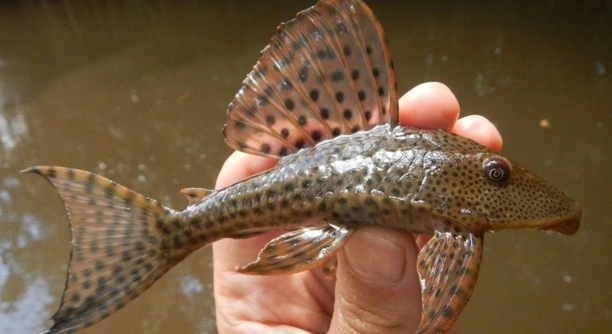
Do you ever find yourself watching your plecostomus swim up to the glass and wonder if it would eat straight from your hand?
Hand-feeding a plecostomus is generally safe when done properly, with clean hands and the right food, but caution is needed to avoid stressing the fish or contaminating the tank.
This gentle approach can strengthen your bond with the fish, but it’s important to understand the right method, timing, and safety steps involved.
Understanding Plecostomus Behavior
Plecostomus, or plecos, are bottom-dwelling fish known for their algae-eating habits and shy nature. They often spend most of their time hiding or sucking on tank surfaces. While not aggressive, they can be territorial, especially around food. Some plecos may become comfortable with human presence, especially in a calm, consistent environment. If they associate you with feeding time, they might approach your hand out of curiosity. This doesn’t mean they are social like other fish, but it does show a level of trust. Patience is key when trying to hand-feed. Rushing the process can make them stressed or cause them to hide. Always approach slowly and stay quiet around the tank. Remember, each pleco is different, and not all will respond the same way. Hand-feeding might take several tries before they feel secure enough to take food directly from you. Keep expectations realistic and observe their behavior closely.
Hand-feeding works best with younger or smaller plecos, as larger ones may prefer to stay hidden or eat privately.
To begin, use sinking algae wafers or blanched vegetables like zucchini or cucumber. Gently hold the food underwater and keep your hand still. Your pleco might ignore it at first, but over time, they may come closer and nibble.
Safety Tips for Hand-Feeding
Make sure your hands are clean and free from lotion, soap, or any other substances that could contaminate the tank water.
Avoid sudden movements, and always feed during their usual active hours. For many plecos, this means early morning or evening. Clean your hands with water only—no soap. It’s also helpful to trim your nails to avoid accidentally scratching your fish or stirring up debris. Choose food that sinks quickly and doesn’t break apart in your hand. Large floating pieces can make feeding messier and stress the fish. Feeding with tweezers is also an option if your pleco is too shy. Never force interaction. If your pleco seems disinterested or swims away quickly, try again later. Watch for signs of stress like rapid swimming or color changes. Over time, a calm and repeated feeding routine may lead to trust. Keep sessions short and consistent, and always remove uneaten food within 30 minutes to keep the tank clean and water levels stable.
Common Mistakes to Avoid
Many people try to feed their pleco during the day, not realizing that most are more active at night. Rushing the process or tapping on the glass can also cause stress and make the fish retreat.
Feeding the wrong type of food is another issue. While plecos are known for eating algae, they still need a balanced diet with variety. Avoid feeding them only wafers or letting them rely solely on tank algae. Overfeeding is also a problem—leftover food can quickly dirty the water. If you hand-feed, don’t keep your hand in the water for too long. This can raise the water temperature slightly and make your fish uncomfortable. Use calm, slow movements, and never try to touch or grab the pleco. These fish need to feel secure to eat from your hand. Keep sessions short, and always remove uneaten food to prevent ammonia spikes.
Using heavily seasoned vegetables or those not properly blanched can upset your pleco’s digestion. Anything you put into the tank should be free from salt, oil, and preservatives. Also, avoid using food that falls apart easily, as it can dirty the tank and make cleaning harder. Plecos are sensitive to poor water conditions, so staying mindful of what you introduce is important. Feeding them in a high-traffic area of the house can also make them more nervous. Choose a quiet time and place, and make sure the aquarium has plenty of hiding spaces nearby so they feel safe during feeding. With the right setup, your pleco will be more likely to eat from your hand calmly and consistently.
Signs Your Pleco Is Comfortable
If your pleco starts coming out more often when you’re near the tank, that’s a good sign. They may begin to hover closer during feeding times and stay visible longer than usual.
You might notice your pleco slowly approaching your hand or food you’re holding. They may not touch it right away, but just being nearby without darting off shows trust. Some plecos may gently suck at your fingers, while others simply stay close while eating. If their color remains normal and they move slowly around your hand, that’s a strong sign of comfort. Fast, jerky swimming or hiding constantly means they’re not quite there yet. Keep interactions brief, positive, and consistent. Over time, you’ll see small changes that show growing trust, like staying out in the open more often or responding to your presence near the tank.
Trust can take weeks or even months to build. Let your pleco set the pace. Never force it to eat directly from your hand if it seems hesitant. Instead, offer food near your fingers without moving too much. Some plecos prefer to eat just inches away while you hold still. As they get used to your scent and movement, they may come closer. If your pleco stays relaxed during the entire process and continues to eat without showing signs of stress, that’s a good indicator that hand-feeding is working. Respect their boundaries, and always end each session on a calm note to build a positive connection.
When to Avoid Hand-Feeding
Skip hand-feeding if your pleco is new to the tank or still adjusting. A stressed or scared fish won’t respond well and may hide more often. Give them time to settle before trying anything new.
Avoid hand-feeding during water changes or when other fish in the tank seem agitated. Stressful conditions can affect their behavior and reduce interest in food or interaction.
Feeding Alternatives That Still Build Trust
If your pleco isn’t ready to eat from your hand, try placing food on a smooth stone or a veggie clip close to where they usually rest. Doing this regularly helps them link your presence to food. Over time, they may come out while you’re still near the tank. Try feeding them at the same time each day to create a routine. You can also slowly move the food location closer to the front glass. This teaches them to be more comfortable in the open, especially with you nearby. These small steps help build trust without needing direct contact.
Best Times to Try Hand-Feeding
Evening or early morning is ideal, especially if your pleco is more active in low light. Avoid bright lighting and try dimming the room to make them feel secure.
FAQ
Is hand-feeding plecos safe?
Yes, hand-feeding a pleco can be safe as long as you follow proper precautions. Ensure your hands are clean and free of any chemicals or oils. It’s also important not to force the interaction. Keep your movements slow and avoid stressing the fish. As long as the pleco feels secure, it will be able to feed without issues.
How do I get my pleco to eat from my hand?
Start by offering food near your pleco without making any sudden movements. Give it time to come closer on its own. Keep feeding sessions calm, and try to be consistent with the times you feed. Over time, your pleco may become more comfortable and begin nibbling directly from your hand.
What should I feed my pleco when hand-feeding?
Plecos mostly eat algae, but they also benefit from other foods like blanched zucchini, cucumber, and spinach. You can also use sinking algae wafers. Choose foods that won’t fall apart quickly, as they can cause a mess in the tank. Keep the food fresh and free from any seasonings.
How often should I try hand-feeding my pleco?
Start slow and try hand-feeding every few days, gradually increasing the frequency as your pleco becomes more comfortable. Don’t try to feed it by hand every day at first, as this may stress it. Let your pleco set the pace and observe its behavior closely.
How do I know if my pleco is stressed?
Signs of stress in plecos include rapid swimming, hiding constantly, and changes in color (such as becoming pale or dark). If your pleco is avoiding food or acting erratically, it might be stressed. Try to avoid forcing interactions and give your fish more time to adjust.
Can I hand-feed my pleco if it’s a large one?
Larger plecos may not be as willing to hand-feed, especially if they are more accustomed to foraging for food. While some larger plecos might accept food from your hand, others may prefer to stay hidden. If you want to try, be patient and use sinking food that encourages them to come to the surface.
Can I feed my pleco while I’m cleaning the tank?
It’s best to avoid hand-feeding while cleaning the tank, as the water may be disturbed or the pleco may be stressed by the activity. Cleaning the tank can disrupt their environment, making them less likely to eat or approach you. Wait until the tank is settled and the water is clear again.
Is it okay to feed my pleco with my other fish around?
While hand-feeding, keep in mind that other fish in the tank might try to steal the food, which can make your pleco feel stressed or pushed away. If your pleco is timid, it might avoid eating in the presence of other fish. If possible, feed your pleco separately or during times when the other fish are less active.
Should I stop hand-feeding if my pleco refuses?
No, if your pleco refuses to eat from your hand, be patient and try again later. Some plecos take longer to warm up to hand-feeding, and others may not be comfortable with the interaction at all. Don’t force it—just continue offering food in a calm, non-intrusive way.
What are the best times to feed my pleco?
Plecos are often more active at night or early in the morning, so these times are best for hand-feeding. Try to feed when the pleco is most active, which will make it more likely to approach your hand. It’s also easier to feed them when the tank lights are dim or turned off.
How can I avoid overfeeding my pleco?
Overfeeding can lead to poor water quality and health problems for your pleco. Only feed as much as your pleco can eat in 10-15 minutes. Remove any uneaten food promptly to prevent it from decaying in the tank. It’s important to stick to a feeding schedule to avoid overfeeding.
Can I use a feeding tube or tweezers to feed my pleco?
Yes, using a feeding tube or tweezers can help feed a shy or larger pleco without requiring direct hand contact. Tweezers are especially useful for placing food in hard-to-reach areas or to keep the food from floating away. It’s a good option if hand-feeding doesn’t work out for you.
Is it normal for my pleco to not eat from my hand?
Yes, it’s normal. Some plecos are more independent and may never eat from your hand, even if they are comfortable in the tank. As long as your pleco is eating regularly and showing no signs of stress, it’s okay if hand-feeding doesn’t happen. Let your pleco approach you on its own time.
Can hand-feeding harm my pleco?
If done properly, hand-feeding shouldn’t harm your pleco. The main concern is making sure your hands are clean and free from harmful substances. Also, ensure that the pleco doesn’t become stressed by the feeding process. Gradually building trust is key to a positive hand-feeding experience.
How do I clean my hands before hand-feeding my pleco?
Rinse your hands with water only before feeding your pleco. Avoid using soap, lotions, or any products that could contaminate the water or harm the fish. A simple rinse with clean, chlorine-free water is all you need to ensure your hands are safe for the tank.
Can I hand-feed plecos in a community tank?
Yes, you can hand-feed plecos in a community tank, but you should be mindful of other fish. If the tank has aggressive fish or others that eat quickly, they may try to grab food intended for your pleco. It’s better to feed your pleco when other fish are less active or use a separate feeding area.
Final Thoughts
Hand-feeding a plecostomus can be a rewarding experience, but it requires patience and attention to detail. These fish are not naturally social like some other aquarium species, so it might take time for them to trust you enough to eat from your hand. Plecos are bottom dwellers and are generally shy, preferring to hide or stay in darker areas of the tank. If you approach the process calmly and consistently, your pleco will gradually begin to associate you with food and feel more comfortable interacting with you. Keep in mind, however, that not all plecos will hand-feed, and some may prefer to stay in their own space. It’s important to respect their comfort levels and avoid forcing them into close contact if they seem hesitant.
Safety is a key factor when it comes to hand-feeding. Always ensure your hands are clean and free from any soaps, lotions, or chemicals before placing them in the water. Even small traces of these substances can harm the delicate balance of the tank’s environment and potentially stress your pleco. Additionally, avoid feeding your pleco while performing water changes or other tank maintenance, as this can disturb them and make them more likely to hide. Offering food at quiet times and in a calm, non-threatening manner can help your pleco feel more secure, leading to more successful interactions over time. If your pleco doesn’t respond to hand-feeding right away, be patient and try again during a different time of day or with different foods.
Finally, remember that hand-feeding isn’t a necessity for a healthy pleco. If your fish prefers to stay away from your hand, that’s perfectly fine. As long as they are eating well and maintaining a good diet, there’s no need to force the interaction. Keep the tank clean, provide a balanced diet, and offer a variety of foods, such as algae wafers, zucchini, and cucumber, to ensure their nutritional needs are met. Your pleco will thrive as long as you create a stable and comfortable environment for them. In the end, it’s about building trust, respecting their boundaries, and creating a peaceful tank setting where they feel safe to eat and be themselves.

Hello,
If you enjoy the content that we create, please consider saying a "Thank You!" by leaving a tip.
Every little bit helps us continue crafting quality advice that supports the health, happiness, and well-being of pets around the world, for pets of all shapes, sizes, and species.
We really appreciate the kindness and support that you show us!