
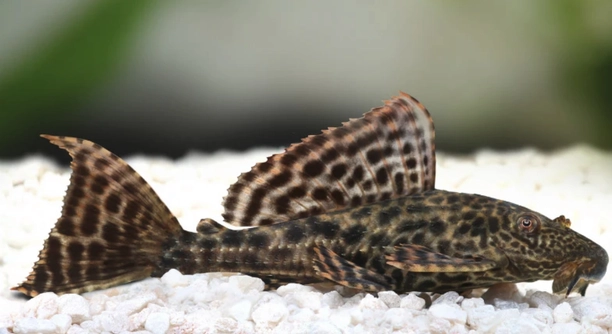
Many aquarium owners wonder if tap water is safe for their plecostomus. The water quality in your tank plays a crucial role in the health of your fish. Knowing whether tap water is appropriate for their needs is essential for their well-being.
Tap water can be used for plecostomus, but it is important to check for chemicals such as chlorine, chloramine, or heavy metals, which can harm your fish. Conditioning the water to remove these elements is essential for their safety.
Ensuring your plecostomus has safe water will lead to a healthier environment. Understanding the proper treatment methods will help you create the best habitat for them.
Understanding Tap Water and Its Impact on Plecostomus
Tap water is commonly used in aquariums, but its suitability for plecostomus requires careful consideration. The quality of tap water varies depending on location and its treatment process. In some areas, tap water contains chlorine, chloramine, and heavy metals, all of which can negatively impact fish health. For plecostomus, which are sensitive to water quality, these chemicals must be removed before introducing them to the aquarium.
Water conditioners are effective in removing chlorine and chloramine from tap water. They neutralize harmful substances, ensuring the water is safe for your fish. Without proper treatment, plecostomus may develop health issues such as skin irritation, respiratory distress, or even death.
Water temperature is another factor to consider. Cold or hot water can cause stress and impact the plecostomus’s immune system. Always ensure that the temperature is consistent with their needs, usually between 74 and 80 degrees Fahrenheit. This creates a stable environment for them to thrive.
How to Make Tap Water Safe for Plecostomus
Proper water treatment is necessary to create a safe home for your plecostomus. Testing the water for harmful chemicals is the first step.
The use of dechlorinators or water conditioners will neutralize chlorine and chloramine effectively. These products are available at most pet stores and are easy to apply. Following the manufacturer’s instructions ensures optimal results for your fish’s safety. It is also advisable to use a water filter to remove excess minerals or contaminants that may not be removed by the conditioner alone.
The Importance of Water Testing
Testing your tap water before using it in your plecostomus tank ensures its safety. You can easily check for chlorine, chloramine, and pH levels with a simple test kit. Without testing, you may unknowingly introduce harmful substances into the aquarium, putting your plecostomus at risk.
Regular testing should be part of your aquarium maintenance routine. Many aquarists test their water weekly or bi-weekly to monitor its condition. Ensuring that all parameters, including hardness and alkalinity, are within acceptable levels will prevent health problems for your fish. If the water is not ideal, it’s better to treat it than risk the health of your plecostomus.
Over time, tap water may change due to seasonal shifts or changes in the water treatment process. This is why consistent testing is necessary, even if your plecostomus seem healthy. A minor issue in water quality can have long-term effects on their health.
How to Adjust pH Levels
If your tap water is too acidic or too alkaline for plecostomus, adjusting the pH is crucial. Use pH adjusters to make the water more suitable for their needs. The ideal pH level for plecostomus is between 6.5 and 7.5.
To lower the pH, you can add driftwood or specific pH-lowering products. These solutions release tannins that reduce the water’s alkalinity. For raising pH, you can use crushed coral or limestone, which slowly increases the pH over time. Always adjust pH levels gradually to avoid stressing your fish.
Avoid sudden pH fluctuations, as they can harm your plecostomus. Changes should be made slowly over a few days to prevent shock. Consistently maintaining a stable pH level helps ensure the health and comfort of your plecostomus.
The Role of Water Temperature
Maintaining a stable water temperature is essential for plecostomus. They thrive in water between 74°F and 80°F. Too hot or too cold water can cause stress, weakening their immune system and making them vulnerable to disease. It’s best to monitor the temperature regularly with a reliable thermometer.
If the water is too cold, you can use a heater to maintain the ideal range. Be sure to choose a heater that suits the size of your tank. Sudden temperature changes can shock your plecostomus, so gradual adjustments are key for their well-being.
The Impact of Hard Water
Plecostomus generally tolerate harder water, but extremely hard water can affect their health. Hard water has a high mineral content, which can lead to scale buildup on their gills and skin. It’s important to monitor water hardness to avoid complications.
To soften hard water, you can use a water softener or mix tap water with distilled water. However, sudden changes can cause stress, so ensure the hardness level remains consistent. Gradual adjustments will ensure your plecostomus remain healthy and comfortable.
The Benefits of Water Filtration
Installing a water filter improves water quality by removing debris, toxins, and excess minerals. A good filtration system ensures clean, well-oxygenated water for your plecostomus. This helps maintain a stable environment and supports their overall health.
A filtration system also reduces the need for frequent water changes. Regular maintenance of the filter ensures optimal performance. Keep the filter clean and replace the media as needed to maintain efficiency.
FAQ
Can I use untreated tap water for my plecostomus?
Using untreated tap water is not recommended. Tap water often contains chlorine, chloramine, or other chemicals that can harm your plecostomus. These substances can damage their gills and skin, leading to health issues or even death. It’s best to treat the water with a dechlorinator or conditioner to remove harmful chemicals before adding it to your aquarium. Always test the water before introducing it to the tank.
How do I know if my tap water has chlorine or chloramine?
You can test your tap water for chlorine or chloramine with a water test kit. Many aquarium supply stores offer kits that can detect both. If you’re unsure, consider contacting your local water supplier for a water report. Typically, chlorine evaporates quickly, while chloramine is more stable, so it requires special treatment.
What’s the best water temperature for my plecostomus?
The ideal water temperature for plecostomus is between 74°F and 80°F. It’s important to maintain a stable temperature to avoid stress. A sudden temperature drop or rise can cause illness. Use a reliable aquarium heater to maintain the water within the optimal range and check the temperature regularly with a thermometer.
Can I use a regular aquarium heater for plecostomus?
Yes, you can use a regular aquarium heater. However, make sure it’s suitable for the size of your tank. Plecostomus are sensitive to temperature changes, so it’s crucial to keep the water at a steady, optimal level. A good heater with adjustable settings will help maintain the correct temperature for your fish.
How do I adjust the pH of my aquarium water?
To adjust the pH, you can use pH adjusters available at pet stores. If the water is too acidic, adding limestone or crushed coral will help raise the pH. For lowering the pH, driftwood or specific pH-lowering chemicals work well. Always make gradual adjustments to avoid shocking your plecostomus.
What happens if the pH level fluctuates too much?
Fluctuating pH levels can stress your plecostomus, weakening their immune system and making them more susceptible to disease. Sudden changes can cause them to become disoriented, affecting their behavior and overall health. It’s essential to keep the pH stable and make adjustments slowly over time to avoid harming your fish.
Should I use a water filter for my plecostomus tank?
Yes, using a water filter is highly recommended. It helps remove waste, debris, and excess minerals that can affect water quality. Filters also promote oxygenation, which is crucial for your plecostomus. Regular maintenance, including cleaning and replacing filter media, is necessary to keep the water clean and healthy.
What type of filter should I use for my plecostomus tank?
A canister filter or a hang-on-back filter is often recommended for plecostomus tanks. These filters provide strong filtration and are effective at keeping the water clean. When choosing a filter, consider the size of your tank and the flow rate. Plecostomus prefer a moderate water flow, so avoid overly strong currents that can stress them.
How often should I change the water in my plecostomus tank?
Water changes are important to maintain water quality, but they should be done regularly but not excessively. Typically, changing 25% to 30% of the water every two weeks is sufficient. If your tank has a high bioload, you may need to change water more frequently. Always treat the new water before adding it to the tank.
Can I use distilled water in my plecostomus tank?
Distilled water is very pure and lacks essential minerals. While it can be used to dilute tap water or soften water, it should not be the sole water source for your plecostomus. Using distilled water alone can cause mineral deficiencies in your fish. It’s best to mix distilled water with tap water to maintain proper hardness and mineral levels.
Is it safe to use a water conditioner for plecostomus?
Yes, water conditioners are safe and beneficial for your plecostomus. They neutralize chlorine and chloramine in tap water, making it safe for your fish. Always follow the manufacturer’s instructions to ensure proper dosing. Some conditioners also help remove heavy metals, further improving water quality.
How do I prevent algae growth in my plecostomus tank?
Algae growth can be managed by controlling the amount of light your tank receives. Plecostomus are known for eating algae, so they help keep it under control. However, if algae growth is excessive, reduce the light exposure to the tank and avoid overfeeding, as this can contribute to algae buildup.
What is the ideal hardness for plecostomus water?
Plecostomus prefer water with a hardness level of 10 to 20 dGH (degrees of general hardness). If the water is too soft, they may have difficulty absorbing the minerals they need. Conversely, if the water is too hard, it can cause stress and lead to scale buildup. Regular testing will help ensure the water is within the correct range.
Can I use a tap water filter instead of conditioning the water?
Using a tap water filter can be an option, but it’s not a substitute for conditioning the water. Filters typically remove large particles and some chemicals, but they may not eliminate chlorine, chloramine, or heavy metals. It’s best to use a combination of filtration and water conditioning to ensure your plecostomus tank is safe.
How can I tell if my plecostomus is stressed?
Signs of stress in plecostomus include erratic swimming, loss of appetite, and hiding more than usual. They may also develop skin issues or appear lethargic. Stress can be caused by poor water quality, sudden temperature changes, or unsuitable tank conditions. Monitoring water parameters regularly can help prevent stress-related issues.
Is it necessary to aerate the water in a plecostomus tank?
While plecostomus are not heavy oxygen users, adding an air pump or sponge filter can help increase oxygen levels in the tank, especially if you have many fish. Aeration also helps keep the water moving, preventing stagnant conditions. Make sure the aeration is gentle, as plecostomus prefer calm water.
Final Thoughts
When it comes to the well-being of your plecostomus, the water quality plays a crucial role. While tap water can be used, it requires careful treatment to remove harmful chemicals like chlorine and chloramine. It’s important to use a water conditioner or dechlorinator to make the water safe for your fish. Additionally, monitoring the water temperature and pH level will help create a more stable environment. Small changes in these factors can lead to stress and health issues for your plecostomus, so taking these precautions is essential for long-term care.
In addition to water quality, filtration and regular maintenance should not be overlooked. A good filtration system will remove waste and toxins from the water, ensuring your plecostomus have a healthy environment. Without proper filtration, waste buildup can quickly affect water quality, leading to a host of health problems. Regular water changes, along with maintaining your filtration system, will help keep the tank clean and ensure that your plecostomus stay healthy. It’s important to avoid sudden changes in water conditions, as plecostomus can be sensitive to rapid shifts in their environment.
Finally, always keep in mind that each fish is different, and you should observe your plecostomus for any signs of stress or illness. Ensuring that water parameters remain stable, and paying attention to small details, will help your fish thrive. While caring for a plecostomus requires some effort, it is well worth it. A healthy plecostomus can live for many years, and with proper care, you can enjoy their presence in your aquarium for a long time.

Hello,
If you enjoy the content that we create, please consider saying a "Thank You!" by leaving a tip.
Every little bit helps us continue crafting quality advice that supports the health, happiness, and well-being of pets around the world, for pets of all shapes, sizes, and species.
We really appreciate the kindness and support that you show us!