
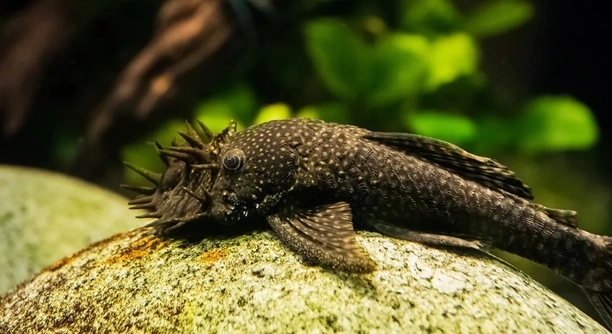
Plecos are popular fish among aquarium enthusiasts due to their unique appearance and helpful algae-eating habits. However, if you are considering adding them to a community tank, there are some important factors to keep in mind.
Yes, plecos can generally live in community tanks, but certain conditions must be met to ensure their well-being. They require adequate space, suitable tank mates, and proper care to thrive in these environments without causing harm to other species.
Choosing the right tank setup is essential for maintaining a peaceful community. Knowing what to consider can make all the difference in creating a harmonious aquarium for everyone involved.
What Plecos Need in a Community Tank
When adding a pleco to a community tank, it’s important to consider their specific needs. Plecos can grow quite large, so a spacious tank is essential. A tank of at least 30 gallons is recommended, depending on the species. They also prefer hiding spots like caves or driftwood to feel secure, as they are nocturnal and tend to be shy during the day. Adequate water conditions, including proper filtration and regular water changes, are also crucial for their health. A pleco’s diet should be varied, consisting of algae, vegetables, and high-quality sinking pellets.
Even though plecos are known for eating algae, they might not be able to keep up with heavy algae growth in the tank. So, regular tank maintenance, including cleaning and algae scraping, is necessary. Tank mates should also be chosen wisely, as plecos can be territorial, especially when they reach adulthood.
When it comes to tank mates, it’s best to select peaceful fish. Aggressive or overly active species can stress out plecos. Avoid smaller fish that may get intimidated or accidentally harmed by the pleco’s large size and behavior.
Are Plecos Suitable for Small Community Tanks?
Smaller community tanks can be challenging for plecos, especially as they grow. Limited space can cause stress and limit their ability to swim freely, which could lead to health issues.
A pleco in a small tank may not thrive in such confined conditions. As plecos grow, they need room to roam and hide when necessary. This means that smaller tanks, under 20 gallons, may not be suitable. You might also face issues with overcrowding, affecting water quality and creating a stressful environment for both plecos and their tank mates.
A 30-gallon tank or larger gives the pleco the room it needs to swim comfortably and find hiding spaces, improving the overall tank environment. Make sure to check the specific species’ growth potential. For example, the common pleco can grow over 12 inches, and it needs ample space to move around. For a smaller community tank, consider choosing a different, more compact species of pleco that is better suited for smaller environments.
Tank Size and Pleco Health
Plecos need enough space to feel comfortable. Inadequate tank size can lead to stress and poor health. A small tank limits their movement, which can cause problems like stunted growth and aggressive behavior.
A 30-gallon tank is a minimum requirement for most pleco species. This space allows them to swim freely and find hiding places. Larger tanks provide better conditions, promoting their overall well-being. Overcrowding is another issue that can arise in smaller tanks, leading to poor water quality, which negatively affects plecos and other tank inhabitants.
The size of your pleco also matters. Species like the common pleco can grow over 12 inches. If you keep a pleco in a small tank, it might outgrow its space quickly, causing further stress. Regular water changes and filtration will be essential in any size tank, but the more room they have, the better their environment will be.
Choosing the Right Tank Mates
Not all fish are suitable tank mates for plecos. They tend to be peaceful but territorial, so it’s important to choose compatible species. Avoid aggressive fish that might bully or fight with the pleco.
Fish like tetras, peaceful barbs, or other calm species typically make good tank mates for plecos. These fish won’t threaten the pleco or crowd it out. It’s also wise to avoid overly active fish, as plecos can be shy and may feel stressed by fast-moving tank mates. Make sure to check each species’ temperament before introducing them to the same tank.
Plecos can also live with other bottom dwellers, like catfish, but again, be mindful of space. They don’t want to compete for hiding spots or territory. Keep in mind that plecos, especially larger species, can sometimes exhibit territorial behavior if they feel crowded. Monitoring your tank closely will help ensure everyone gets along.
Plecos and Aggressive Behavior
Plecos are generally peaceful, but they can show signs of aggression, especially as they mature. This is usually linked to territorial instincts or when they feel crowded. Monitoring their behavior is key to preventing any problems.
As plecos grow, they may become more territorial, particularly when it comes to hiding spaces. If other fish invade their favorite spots, they might chase them off. This is especially true for species like the common pleco. It’s essential to provide plenty of hiding places to reduce any territorial disputes.
Pleco Feeding Habits
Plecos are bottom feeders, so they help clean up algae, but they still require a varied diet. Sinking pellets, vegetables, and algae wafers are great options to ensure they receive proper nutrition.
A diet consisting solely of algae may not provide all the nutrients they need. Offer a mix of fresh vegetables, such as zucchini or spinach, alongside algae-based foods. Occasionally, supplement their diet with high-quality sinking pellets to keep them healthy. Overfeeding can lead to water quality issues, so it’s important to monitor their food intake carefully.
Water Conditions for Plecos
Maintaining proper water quality is crucial for plecos. Clean water with stable temperature and pH levels helps keep them healthy and active. Regular water changes and filtration are essential.
Plecos prefer slightly acidic to neutral water, with temperatures between 74°F and 80°F. Use a high-quality filtration system to maintain water clarity, as plecos are sensitive to poor water conditions. Test your water regularly and perform water changes at least once a week. Keeping the tank well-maintained helps prevent issues like algae overgrowth or health problems in plecos.
FAQ
Can plecos live with other plecos?
Yes, plecos can live with other plecos, but it depends on the species and the size of the tank. Plecos are territorial, especially as they grow. In a small tank, multiple plecos may compete for space and hiding spots, leading to stress and aggression. However, in larger tanks with enough hiding spaces and territory, they can coexist peacefully. It’s important to select plecos of similar size and temperament to reduce the risk of conflicts.
How do I know if my pleco is stressed?
Stressed plecos may exhibit a few common signs, such as hiding excessively, reduced activity, or a loss of appetite. They might also become more aggressive or territorial, particularly if they feel crowded. You might also notice changes in their appearance, like faded coloring or physical damage from fighting. Stress can be caused by poor water quality, insufficient space, or incompatible tank mates. Observing their behavior and making necessary adjustments can help reduce stress.
What do plecos eat?
Plecos are primarily herbivores, but they are also scavengers. They eat algae, plant matter, and any organic debris in the tank. You can supplement their diet with vegetables like zucchini, spinach, and cucumber, as well as sinking algae wafers. Plecos also benefit from protein-rich foods like shrimp or worms on occasion. Ensure their diet is balanced, as they can become malnourished if only fed algae.
How big do plecos get?
The size of a pleco depends on the species. The common pleco (Hypostomus plecostomus) can grow up to 12-15 inches, and some species even exceed 18 inches. On the other hand, smaller species like the bristlenose pleco typically stay around 4-6 inches. When choosing a pleco, it’s important to know how big they’ll get, as larger species require more space and can outgrow smaller tanks quickly.
Can plecos live in a 20-gallon tank?
A 20-gallon tank is generally too small for most pleco species, especially as they grow larger. While smaller species like the bristlenose pleco may fit into a 20-gallon tank, it’s essential to consider the full-grown size of the pleco. Overcrowding and lack of space can stress the pleco, leading to health issues. A minimum of 30 gallons is recommended for most pleco species.
Do plecos need a filter?
Yes, plecos need a filter to keep the water clean. Plecos produce a significant amount of waste, and a good filtration system is essential for maintaining water quality. They also need stable water parameters, which a filter helps maintain. Without proper filtration, the tank can quickly become dirty, affecting the health of all the fish in the tank, including the pleco.
How often should I clean my pleco’s tank?
It’s essential to clean the tank regularly to ensure the health of your pleco. Perform partial water changes of 25-30% weekly to remove excess waste and maintain stable water quality. Clean the substrate, rocks, and decorations to prevent the buildup of algae and debris. The filter should be cleaned every 4-6 weeks, depending on its size and efficiency. However, avoid over-cleaning, as it can disrupt the biological balance of the tank.
Do plecos need caves?
Yes, plecos do best with hiding spots like caves. They are nocturnal and tend to be shy, so having a cave or other hiding spaces in the tank gives them a sense of security. This is especially important for larger plecos, as they need a quiet space to retreat to when they feel threatened or stressed. Caves can be made of ceramic, wood, or other aquarium-safe materials.
Can plecos live with shrimp or snails?
Plecos can live with shrimp and snails, but caution is needed. Smaller species of plecos may leave shrimp and snails alone, especially if they are well-fed. However, larger plecos may try to eat smaller shrimp, especially if the shrimp are slow-moving or weak. Snails are usually safe with plecos, but larger plecos may occasionally disturb them or eat them if they become easy targets. Monitor interactions and provide plenty of hiding spots for shrimp to reduce stress.
Why is my pleco not eating?
If your pleco isn’t eating, it could be due to several factors. Poor water quality is a common issue, as plecos are sensitive to changes in water conditions. Stress from tank mates or lack of hiding spots can also cause them to lose their appetite. Check the temperature, pH, and ammonia levels in the tank. If the water quality is good, try offering a variety of foods, including vegetables, sinking pellets, and algae wafers. If the problem persists, a visit to the vet may be necessary.
How do I breed plecos?
Breeding plecos can be challenging, but it is possible in a well-maintained tank. They require a breeding cave or tube where the female can lay eggs, and the male will guard and fertilize them. To encourage breeding, increase the water temperature slightly and provide plenty of food. Plecos typically breed in pairs, so having a male and female of the same species is important. Once the eggs hatch, the male usually continues to care for the young. You may need to separate the fry from the adults to ensure their survival.
Final Thoughts
Keeping plecos in community tanks can be a rewarding experience if their needs are carefully considered. These fish can thrive alongside peaceful tank mates, provided the tank is large enough and has suitable hiding spots for them to feel secure. Proper water quality is also crucial for plecos to remain healthy and stress-free. Regular maintenance, including water changes and filtration, is necessary to keep the environment stable. The right tank size, food, and care will ensure that your pleco lives a long, healthy life in a community setting.
While plecos are often chosen for their algae-eating abilities, it’s important to remember that they are not a cure for an overgrown tank. Algae control is just one part of the equation, and plecos should not be relied upon to handle all the algae in the tank. Providing a varied diet is essential for their health, including fresh vegetables, sinking pellets, and algae wafers. This helps keep them well-fed and prevents malnutrition. It’s also important to ensure that any algae that the pleco doesn’t eat is regularly cleaned, as excessive algae can still negatively impact water quality.
Ultimately, plecos can make excellent additions to a community tank when the proper conditions are met. Choosing compatible tank mates and ensuring the pleco has enough space to grow is essential. If you’re committed to maintaining the right environment, plecos can be a beautiful and functional part of your aquarium. Just be sure to regularly monitor their behavior, water quality, and overall health. With the right care, your pleco will thrive alongside its tank mates, creating a peaceful and enjoyable aquarium for all.

Hello,
If you enjoy the content that we create, please consider saying a "Thank You!" by leaving a tip.
Every little bit helps us continue crafting quality advice that supports the health, happiness, and well-being of pets around the world, for pets of all shapes, sizes, and species.
We really appreciate the kindness and support that you show us!