
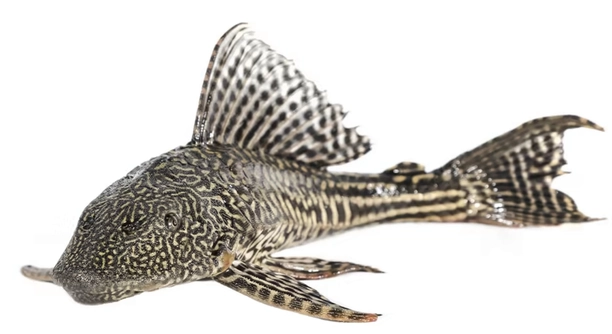
Many aquarium enthusiasts enjoy keeping a variety of fish species together, but choosing the right companions can be tricky. This is especially true when considering species like plecos and barbs, which have unique needs and behaviors.
Plecos can generally be housed with barbs, but careful consideration is needed regarding the size and temperament of both fish. Barbs are active and sometimes aggressive, while plecos are typically peaceful bottom dwellers. Proper tank size and hiding spots are crucial.
Finding the right balance between these two fish will ensure a healthy and peaceful aquarium environment. Learn how to make the right decisions when housing plecos with barbs for a harmonious aquatic space.
Understanding Plecos and Barbs
Plecos are bottom-dwelling fish that help keep aquariums clean by eating algae. They are peaceful and often prefer to hide during the day, becoming more active at night. On the other hand, barbs are known for their energetic and sometimes aggressive nature. They swim quickly and can be territorial, especially if the tank is crowded. When placing these two species together, it’s important to consider their differences in behavior. Plecos, with their slow and peaceful demeanor, could easily become stressed by the fast-moving and sometimes nippy barbs. Therefore, creating a balanced environment is crucial.
Barbs are social fish that thrive in schools, making them more active and bold. Plecos, however, prefer solitude and may not enjoy the constant movement of barbs. It is essential to give both fish enough space to avoid potential stress or conflict. While they can live together, providing hiding spots for plecos can help reduce the stress they might feel from the barbs’ lively nature.
Making sure both species have enough space and hiding spots allows for a peaceful coexistence in your tank. By keeping their unique needs in mind, you can help them thrive together without too much disruption.
Tank Size and Setup
A larger tank is the best option when housing plecos with barbs. Barbs need space to swim freely, and plecos need room to graze and explore. A tank of at least 30 gallons is recommended to give both species enough room. Proper tank setup includes plenty of hiding spots for plecos, such as caves, plants, or driftwood.
Without hiding places, plecos can become stressed, which could affect their health. Barbs may also need room to school and engage in natural behaviors. A well-planted tank not only provides shelter for plecos but also helps maintain water quality, benefiting all fish.
Feeding Considerations
Feeding plecos and barbs together requires attention to their different dietary needs. Plecos primarily eat algae, but they also need supplemental food, such as sinking pellets or vegetables. Barbs, being omnivores, enjoy a mix of flake food, live food, and plant matter.
To ensure both species are well-fed, it’s essential to provide food that sinks to the bottom for the plecos while also catering to the barbs’ preference for fast-moving food on the surface. Overfeeding should be avoided as it can lead to water quality issues. Keep track of how much food each fish is getting to avoid competition and stress.
Also, since plecos tend to be slower feeders, it’s good practice to feed them first, allowing them to enjoy their food before the barbs become too active around it. This way, you prevent the barbs from stealing food meant for the plecos.
Aggression and Stress
Barbs are known for being more aggressive, especially when they feel crowded or threatened. They can chase after slow-moving fish, like plecos, which may lead to stress. Stress in plecos can weaken their immune system and lead to health issues.
To reduce aggression, consider housing barbs in schools of six or more. This helps spread their energy and reduces individual aggression. It also minimizes the likelihood of a single fish becoming overly dominant. Additionally, keep an eye on the interactions between the plecos and barbs to ensure that the plecos are not constantly harassed.
Keeping a stress-free environment for both species is key. Regularly monitor their behavior and make adjustments to the tank setup if needed. More hiding spots for plecos and a bigger school for barbs can help reduce aggression and keep everyone healthy.
Water Quality
Maintaining good water quality is essential for both plecos and barbs. These fish are sensitive to poor water conditions, which can lead to stress and illness. Regular water changes, proper filtration, and monitoring pH levels are necessary for their health.
Barbs are more tolerant of different water conditions compared to plecos, but it’s important to ensure both species thrive. Keeping the water clean helps prevent diseases that could harm them. Plecos, especially, require clean water to stay active and healthy. Investing in a quality filter and testing the water frequently helps keep it in top condition.
Temperament Differences
Barbs and plecos have very different temperaments. Barbs are active and often more aggressive, while plecos are more peaceful and reserved. This difference can lead to stress for plecos, especially if barbs are constantly chasing them around.
Understanding the nature of each species and providing the right environment to balance their behaviors is crucial. With careful monitoring, plecos and barbs can coexist peacefully.
Tank Maintenance
Regular tank maintenance is a must when housing plecos with barbs. Cleaning the tank, checking water parameters, and ensuring filters are running smoothly will help avoid stress and keep both fish healthy.
Plecos, being bottom dwellers, may contribute to more waste, which makes maintaining water quality even more important.
FAQ
Can plecos and barbs live together?
Yes, plecos and barbs can live together, but it requires careful consideration. Plecos are peaceful bottom dwellers, while barbs are more active and sometimes aggressive. They can cohabit in larger tanks, as long as there’s enough space and hiding spots for the plecos. Providing a balanced environment with proper care for both species ensures they coexist without too much stress.
What is the best tank size for plecos and barbs?
A tank of at least 30 gallons is recommended for housing plecos and barbs together. Barbs need space to swim freely, and plecos need room to graze. The larger the tank, the more space both species will have to explore without overcrowding or stress. A bigger tank will also help maintain water quality, which is crucial for both species.
Do plecos need a lot of hiding spots?
Yes, plecos need plenty of hiding spots to feel secure. They are generally shy fish and prefer to retreat into caves or behind plants during the day. Without hiding places, plecos can become stressed, which could affect their health. Adding driftwood, plants, or even aquarium decorations can create the necessary hiding spots.
Do barbs need to be in schools?
Yes, barbs are social fish that thrive in schools of at least six or more. When kept in groups, they are less likely to become overly aggressive or territorial. A larger school helps spread their energy and reduces the likelihood of barbs harassing plecos or each other. Without a school, barbs may become stressed and more aggressive.
How do I reduce aggression from barbs toward plecos?
To reduce aggression, make sure barbs are kept in large schools of six or more. This spreads their social energy and lessens individual aggression. Additionally, ensuring the tank has plenty of hiding spots for the plecos allows them to escape harassment. Keeping a peaceful tank environment requires monitoring their interactions and adjusting the setup as needed.
What should I feed plecos and barbs?
Plecos are primarily herbivores and will graze on algae in the tank, but they also need supplemental food. You can feed them sinking pellets, fresh vegetables like zucchini or cucumber, and algae wafers. Barbs, being omnivores, enjoy a variety of foods, including flake food, live food, and vegetables. It’s important to feed both species foods suited to their diets, ensuring they are well-nourished.
Can barbs eat the pleco’s food?
Barbs may try to eat the pleco’s food, especially if it’s sinking pellets or vegetables. Since barbs are quicker and more active, they might get to the food first, leaving plecos without enough to eat. To prevent this, feed the plecos first, ensuring they have a chance to get their share before the barbs take over.
How can I tell if my pleco is stressed?
Stressed plecos may display signs like hiding more than usual, staying in one spot for long periods, or having a loss of appetite. Their skin may also look pale, or they might exhibit unusual behaviors, such as rubbing against objects. Keeping the water clean and ensuring plenty of hiding spots can help reduce stress.
What temperature do plecos and barbs need?
Both plecos and barbs thrive in a temperature range between 72°F and 78°F (22°C to 26°C). Keeping the water temperature within this range helps both species stay healthy and active. Temperature fluctuations should be avoided, as they can cause stress and health issues for both types of fish.
Do plecos and barbs need the same water conditions?
While plecos and barbs can adapt to slightly different water conditions, it’s still important to keep the water parameters stable. Barbs are more tolerant of a variety of water conditions, but plecos prefer slightly softer water. Maintaining a consistent pH level, ideally between 6.5 and 7.5, and good water quality will benefit both species.
How often should I change the water in a tank with plecos and barbs?
Water changes should be done regularly, about 25-30% of the tank’s volume every two weeks. Plecos, being bottom feeders, contribute to more waste, so more frequent water changes may be needed to maintain water quality. Monitoring water parameters, such as ammonia, nitrate, and nitrite levels, will help you decide how often to change the water.
Can plecos live in a tank with other fish?
Yes, plecos can generally live with other fish, but the tank mates should be compatible in terms of temperament. Plecos are peaceful and prefer not to be in competition for food or space. Avoid pairing them with overly aggressive or fast-moving fish that might stress them out.
Are plecos easy to care for?
Plecos are relatively easy to care for, as long as their tank needs are met. They require clean water, plenty of hiding spots, and an appropriate diet. However, they do produce waste, which means the tank needs regular maintenance. If their space and food requirements are met, plecos can live for many years in an aquarium.
Can I keep a pleco with other bottom-dwelling fish?
It’s not always ideal to house plecos with other bottom-dwelling fish. Plecos are bottom dwellers themselves, and they prefer to have their own space. If you do decide to house them with other bottom dwellers, ensure there is enough space, hiding spots, and that the other fish are not overly territorial.
Final Thoughts
When considering housing plecos and barbs together, it’s important to recognize their different needs. Barbs are more active and can be a bit aggressive, while plecos are peaceful bottom dwellers that tend to stay out of the way. As long as the tank is large enough and there are plenty of hiding spots for the plecos, these two species can coexist peacefully. Providing a balanced environment where both species feel secure is key. The right tank size, proper filtration, and careful feeding practices are all factors that will help ensure a healthy and stress-free environment for both fish.
The biggest challenge when housing plecos and barbs together is managing their different behaviors. Barbs can sometimes be too energetic or territorial, which might stress out the more docile plecos. However, with the right setup, including a tank with enough space and plenty of hiding spots, plecos can avoid stress. It’s also crucial to feed the plecos first to make sure they get enough food before the more active barbs take over. Regular monitoring of their behavior is essential to catch any signs of aggression or stress early.
In the end, plecos and barbs can live together harmoniously, but it’s important to be attentive to their needs. This means maintaining good water quality, keeping the tank clean, and ensuring each fish has enough space to thrive. By taking these factors into account and adjusting the environment as needed, you can create a peaceful home for both plecos and barbs, allowing them to live happily in the same tank. The effort you put into providing the right care will pay off with a healthy and thriving aquarium.

Hello,
If you enjoy the content that we create, please consider saying a "Thank You!" by leaving a tip.
Every little bit helps us continue crafting quality advice that supports the health, happiness, and well-being of pets around the world, for pets of all shapes, sizes, and species.
We really appreciate the kindness and support that you show us!