
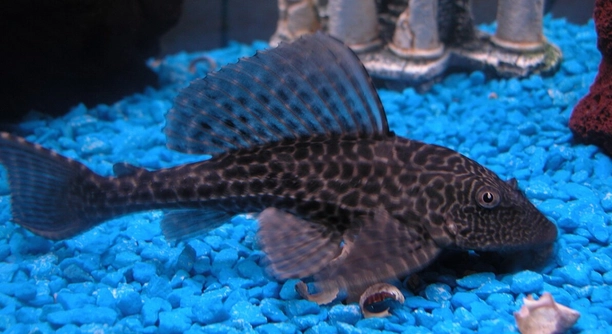
Sometimes, you might notice your pleco floating in the aquarium, leaving you wondering if it’s a cause for concern. This behavior can seem strange, but it’s more common than you might think.
Occasionally, plecos may float due to changes in their buoyancy or due to stress. While this can be normal, prolonged floating could indicate issues like swim bladder disease or poor water conditions, which require attention.
Knowing when a pleco’s floating behavior is normal and when it signals a problem can help you maintain a healthier environment for your fish.
Causes of Pleco Floating
Floating can happen for a variety of reasons. One common cause is the pleco’s swim bladder, which helps maintain buoyancy. If the swim bladder is affected, the pleco might struggle to stay properly positioned in the water. Poor water quality, including imbalances in pH, ammonia, or nitrite levels, can also stress the fish and lead to floating. Additionally, changes in diet or overfeeding can cause bloating, which might interfere with the pleco’s ability to stay grounded.
The pleco’s behavior could also be linked to stress factors like sudden temperature changes or unfamiliar tank mates. These conditions disrupt their comfort and, in turn, their buoyancy. Regular water changes and monitoring of tank conditions will help prevent these issues.
If the floating persists, it’s important to monitor the fish closely and consult a vet if the condition worsens.
Identifying Potential Health Issues
It’s essential to watch for other symptoms. If your pleco is floating upside down or struggling to swim, it could be a sign of a serious health issue like swim bladder disease. This condition often results from an infection or injury.
Keeping track of their diet and making sure they are not overfed can help prevent these types of problems. Additionally, avoiding large fluctuations in water temperature can prevent further stress.
Ensuring that the water remains clean and at an optimal temperature will prevent many of the common conditions that cause floating. Regularly checking for signs of illness will give you a better understanding of the pleco’s overall health.
Managing a Floating Pleco
In most cases, addressing the water conditions and diet should help the pleco recover. Make sure the water is clean, free of harmful chemicals, and at a stable temperature. A proper filtration system and regular water changes can prevent many problems.
If the pleco continues to float despite these adjustments, you can try fasting the fish for a couple of days. This can help if the issue is related to bloating from overfeeding. If necessary, consider isolating the pleco in a quarantine tank with ideal conditions for recovery.
It’s always important to act quickly and keep a close eye on any other signs of illness. If the behavior persists or worsens, a visit to an aquatic vet may be needed for a more thorough diagnosis.
Swim Bladder Disease and How to Treat It
Swim bladder disease is one of the most common causes of floating. It affects the pleco’s ability to maintain proper buoyancy, often causing the fish to float at the surface or remain upside down. The condition can result from infections, injuries, or even poor diet.
Treatment for swim bladder disease often involves adjusting the pleco’s diet. Fasting for a few days can help if the problem is related to overfeeding or bloating. If the condition persists, treating the tank with a medicated solution may be necessary.
In addition to dietary changes, adjusting the water temperature can help ease the stress caused by swim bladder disease. Make sure the water is within the recommended range for plecos. If symptoms don’t improve, it’s important to seek professional advice.
The Role of Diet and Overfeeding
Overfeeding is a common issue that leads to bloating in plecos, which affects their buoyancy. Plecos have a sensitive digestive system, and overfeeding can lead to digestive problems that cause floating. This can also result in the fish becoming sluggish or even more prone to infections.
To prevent this, feed plecos small amounts of food that they can consume within a few minutes. It’s essential to remove any uneaten food to maintain water quality. A varied diet that includes vegetables and high-quality pellets will help prevent digestive issues.
Avoid giving them large meals, especially foods that expand in their stomach. This will help reduce bloating and improve their overall health. If overfeeding has caused the pleco to float, a short fasting period can help.
Stress Factors and How They Impact Floating
Stress is another major factor that can cause floating. Plecos are sensitive to changes in their environment, including sudden temperature fluctuations or changes in tank mates. This stress affects their buoyancy, causing them to float or become lethargic.
To reduce stress, it’s important to maintain a stable environment in the tank. Keep the water temperature consistent, and avoid overcrowding. Introduce new tank mates slowly to ensure that the pleco doesn’t feel threatened. If the pleco is constantly exposed to stress, it can lead to long-term health issues, including floating.
By minimizing stress factors, you’ll help your pleco stay healthy and active, reducing the chances of buoyancy problems. Proper tank maintenance is key to preventing stress-related floating.
Water Quality and Its Effects on Plecos
Water quality plays a significant role in a pleco’s health. Poor water conditions, such as high ammonia or nitrite levels, can cause stress and floating behavior. Regular water testing and maintenance are essential to keeping the pleco comfortable and healthy.
Maintaining a clean tank will prevent the buildup of harmful substances. Regular water changes and proper filtration help prevent water quality issues. Monitoring water parameters can help detect problems early, allowing you to correct any imbalances before they cause stress or illness.
Temperature Fluctuations and Their Impact
Temperature fluctuations can cause significant stress to plecos, leading to abnormal behaviors, including floating. Plecos are tropical fish that require stable temperatures. If the water becomes too warm or too cold, their buoyancy may be affected.
Maintaining a consistent temperature within the recommended range is essential for their well-being. A reliable heater with a thermometer can help regulate the water temperature, ensuring it remains steady and suitable for your pleco. Sudden shifts can cause stress, making it harder for the fish to maintain balance.
Tank Size and Space Availability
An overcrowded tank can contribute to stress and health problems, including floating. Plecos are large fish and need ample space to swim comfortably. A tank that is too small can cause discomfort, leading to buoyancy issues.
Provide enough space for your pleco to move around freely. Overcrowding limits their ability to explore and can cause stress, which negatively impacts their buoyancy. A larger tank ensures that your pleco stays healthy and less prone to floating. Proper tank size helps maintain a balanced environment, supporting the fish’s physical and mental health.
FAQ
Why is my pleco floating at the surface of the tank?
Floating at the surface can indicate that your pleco is having trouble maintaining its buoyancy. This could be due to swim bladder disease, poor water quality, stress, or diet issues. It’s important to check water parameters such as ammonia, nitrites, and pH. Additionally, ensure your pleco isn’t overfed, as bloating from overfeeding can cause floating. If the floating behavior persists, consider isolating your pleco in a quarantine tank with optimal water conditions for recovery.
Can plecos recover from swim bladder disease?
Yes, plecos can recover from swim bladder disease, but it depends on the severity. For mild cases, fasting the pleco for a few days and adjusting its diet can help. If the condition is caused by infection, antibiotics may be necessary. In severe cases, the pleco may require additional treatment or even professional care. Regular monitoring of water conditions, diet adjustments, and stress reduction play a significant role in recovery.
How do I know if my pleco has swim bladder disease?
Signs of swim bladder disease include floating at the surface, difficulty swimming upright, or remaining upside down. If your pleco exhibits these symptoms, it could indicate swim bladder disease. Other symptoms to look for include bloating, lethargy, and poor appetite. If these signs persist, adjusting the tank’s conditions and consulting a vet can help.
Is overfeeding my pleco causing it to float?
Overfeeding is a common issue that can cause bloating in plecos, which might lead to floating. Plecos are bottom-feeding fish and can overeat if food isn’t removed from the tank in a timely manner. Overfeeding leads to digestive issues and can affect the fish’s buoyancy. Feed your pleco small amounts of food that they can consume within a few minutes and avoid leaving uneaten food in the tank. A fasting period may help your pleco recover if bloating is the cause of floating.
How can I prevent my pleco from floating?
To prevent your pleco from floating, maintain optimal water quality with regular water changes and testing. Avoid overfeeding and provide a balanced diet that includes high-quality pellets and vegetables. Keep the water temperature stable and within the appropriate range for plecos. Additionally, make sure your tank isn’t overcrowded, as stress from crowding can lead to buoyancy issues. Reducing stress factors and maintaining a clean, stable environment will help ensure your pleco remains healthy and active.
Can plecos live with other fish?
Yes, plecos can live with other fish, but compatibility depends on the species in the tank. Plecos are generally peaceful and do well with many other species, but they should not be housed with aggressive fish that may bully them. Avoid placing plecos in tanks with smaller fish that might be seen as food. Ensure there’s enough space for all fish to move around without stress. Plecos are also bottom-dwellers, so be mindful of providing space for them to forage.
How often should I change the water for my pleco?
You should change about 20-30% of the water in your pleco’s tank every 1-2 weeks. Regular water changes are essential to keep the water parameters stable and reduce the buildup of toxins such as ammonia and nitrites. If your pleco is exhibiting signs of stress or floating, more frequent water changes may be necessary to ensure the tank’s environment is optimal.
How can I help my pleco recover from stress?
To help your pleco recover from stress, ensure that the water quality is ideal, with stable temperature and appropriate pH levels. If there are aggressive tank mates, consider separating them to reduce stress. Avoid sudden changes in the tank environment, as plecos are sensitive to shifts in water temperature and quality. Provide hiding spots and peaceful surroundings to give your pleco a sense of security. Stress reduction is key in helping your pleco return to normal behavior.
What is the ideal temperature for a pleco tank?
The ideal temperature for a pleco tank typically ranges from 75-80°F (24-27°C). Maintaining a stable temperature within this range helps plecos stay healthy and active. Use a reliable heater and thermometer to monitor and adjust the temperature as needed. Temperatures outside this range can stress your pleco, leading to floating or other health problems.
Final Thoughts
Plecos are resilient fish that can thrive in a well-maintained environment. However, if you notice your pleco floating, it’s important to address the underlying causes, such as swim bladder disease, poor water quality, or overfeeding. By taking a proactive approach, you can help your pleco recover and maintain a healthy, balanced life. Regular monitoring of the water conditions and diet is essential for preventing issues that may cause floating.
Maintaining the right temperature and water quality, providing a varied diet, and avoiding overfeeding are all important factors in ensuring your pleco stays healthy. Stress is another key factor to consider, as it can affect your pleco’s buoyancy. Keeping the tank environment stable and providing enough space for your pleco to swim comfortably will minimize stress and help prevent floating behavior. Keeping an eye on your pleco’s habits can help you catch potential problems early, allowing for quicker intervention.
If your pleco continues to float despite making adjustments, consider consulting an expert or a vet to rule out more serious health issues. Early diagnosis and treatment are key to ensuring the long-term health of your pleco. With a little attention and care, you can help your pleco return to its healthy and active self.

Hello,
If you enjoy the content that we create, please consider saying a "Thank You!" by leaving a tip.
Every little bit helps us continue crafting quality advice that supports the health, happiness, and well-being of pets around the world, for pets of all shapes, sizes, and species.
We really appreciate the kindness and support that you show us!