
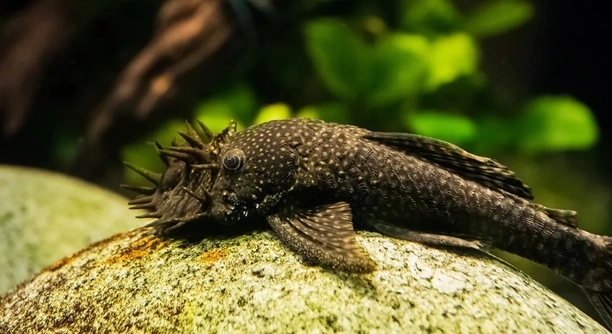
Plecos are popular freshwater fish, known for their algae-eating habits and peaceful nature. However, they may exhibit strange behavior, such as hiding for days. Understanding their hiding habits is key to ensuring their health and well-being.
Plecos may hide for extended periods due to stress, environmental changes, or a need for rest. It’s normal for them to seek out hiding spots to feel safe. However, prolonged hiding could indicate a water quality issue or illness.
Learning about the factors that affect their behavior can help you provide a more suitable environment for your pleco. This knowledge is essential to keep your fish healthy and happy in the long run.
Why Plecos Hide: Common Reasons
Plecos are nocturnal creatures and, by nature, they tend to hide during the day. This is often a normal behavior, especially if they feel secure in their environment. However, there are several factors that could cause them to retreat into hiding more often than usual. Stress is one common reason for hiding. Changes in their environment, such as a new tank mate or even a shift in water conditions, can make them seek refuge. They may also hide when they feel threatened or uncomfortable. Plecos are sensitive to water quality and can hide when the conditions aren’t ideal. It’s important to monitor the water temperature, pH, and ammonia levels regularly to ensure your pleco feels safe and secure in its habitat.
Sometimes, plecos will seek shelter to rest. They are hard-working fish that spend a lot of time cleaning algae. If your pleco has been particularly active, it might just need some downtime in a safe spot.
Understanding the balance of your aquarium environment will help you address any underlying issues. If you’re noticing an unusual pattern of hiding, checking water parameters is a good place to start.
How to Encourage Your Pleco to Feel Safe
Maintaining a stress-free environment is key to a healthy pleco. They appreciate plenty of hiding spots, so ensure there are caves or decorations that provide security.
A good rule of thumb is to minimize disturbances in the tank. Plecos thrive when they feel they have their own space. Avoid tapping on the glass or introducing aggressive tank mates. A peaceful tank is essential for their well-being.
Signs of Stress in Plecos
Plecos may hide more frequently when they’re stressed. Some signs of stress include rapid breathing, lack of appetite, and abnormal swimming behavior. If you notice these symptoms, it’s crucial to investigate further. Check if your pleco is hiding due to stress or something more serious.
Stress is often triggered by poor water quality or incompatible tank mates. Ammonia spikes, low oxygen levels, or overcrowding are common factors. Addressing these issues promptly can help relieve the stress. It’s important to take action quickly, as prolonged stress can weaken the pleco’s immune system and lead to disease.
If you suspect your pleco is stressed, adjust the water conditions. Perform a water change, monitor tank filtration, and ensure your pleco has enough space. You can also consider adding live plants or decorations to offer more hiding places and reduce tension in the tank.
When Plecos Hide Due to Illness
A sick pleco will often hide to recover. Illness can cause them to become lethargic, and they may avoid interacting with the rest of the tank. It’s essential to observe for any other signs of illness, such as discoloration or swollen areas.
If your pleco is consistently hiding and showing signs of illness, check the water conditions and look for visible symptoms like white spots or lesions. Bacterial or fungal infections can cause hiding behavior, so you’ll need to treat them quickly. If you suspect illness, isolate the pleco in a quarantine tank and treat accordingly.
Keep monitoring water quality and make necessary adjustments to prevent further stress. Consult an aquarium specialist for advice on appropriate treatments for your pleco’s specific condition. Addressing the illness promptly will increase the chance of a full recovery.
The Importance of Proper Tank Setup
A proper tank setup plays a huge role in your pleco’s behavior. Ensure the tank has the right size, plenty of hiding spots, and stable water parameters. A tank that meets these needs will help your pleco feel safe and less likely to hide.
Plecos prefer calm, stable environments. A tank that is too small or lacks hiding spots will stress them out. The water should be clean, with consistent temperature and pH levels. Proper filtration also reduces harmful toxins, ensuring your pleco has a healthy, safe space to thrive.
Feeding and Diet Needs
Plecos can become stressed if they are not getting enough food. Providing a balanced diet with algae wafers, vegetables, and occasional protein helps them stay healthy. If they aren’t eating properly, it may lead to hiding and other behavioral issues.
Ensure a varied diet and avoid overfeeding, which can affect water quality. Monitoring their food intake is important, as a poor diet can result in malnutrition or stress. Providing enough food and monitoring your pleco’s eating habits will help them stay active and healthy.
The Role of Water Quality
Water quality is essential to your pleco’s health. Check regularly for ammonia, nitrite, and nitrate levels, as poor water conditions can cause stress and hiding. The ideal water temperature for plecos is between 74-80°F.
Regular water changes and a good filtration system can prevent harmful buildups. Keeping the water clean and balanced is one of the best ways to ensure your pleco feels comfortable. If your pleco is hiding often, it’s a good idea to test the water and make necessary adjustments.
FAQ
Why is my pleco hiding all the time?
Hiding frequently is not always a cause for concern, but if it’s happening constantly, it could indicate stress or discomfort. Plecos are nocturnal creatures, so they naturally hide during the day. However, if this behavior increases, it may be due to poor water quality, water temperature changes, or tank mate conflicts. It’s essential to ensure your pleco has plenty of hiding spots and that the tank environment is stable. If the hiding persists, test the water conditions and check for any visible signs of illness or injury.
How can I tell if my pleco is stressed?
Stress in plecos is often shown by changes in behavior, such as hiding more than usual, lack of appetite, or abnormal swimming patterns. If your pleco is swimming erratically, clinging to the filter, or spending too much time near the surface, these may be signs of stress. Stress can also be caused by water quality issues, such as high ammonia levels or low oxygen. Check the water parameters, reduce any disturbances, and provide a peaceful environment to help relieve stress.
What should I do if my pleco is not eating?
A pleco that’s not eating could be a sign of stress, illness, or an unsuitable tank environment. First, check the water conditions for ammonia spikes, poor filtration, or incorrect temperature. Also, ensure your pleco’s diet is varied and suitable, including algae wafers, vegetables like zucchini, and occasional protein. If the issue persists, consider isolating the pleco in a quarantine tank and observing for signs of illness. Stress from tank mates or overfeeding can also impact their appetite.
How often should I feed my pleco?
Feeding a pleco once a day is generally enough. Overfeeding can lead to poor water quality, which may stress the pleco. Provide a varied diet that includes algae wafers, vegetables like spinach or zucchini, and occasional protein like shrimp or worms. It’s important to remove any uneaten food after a few hours to prevent water contamination. Plecos are bottom feeders, so they will often graze on algae between feedings, but supplementing their diet with extra food is necessary.
Can plecos live with other fish?
Plecos are peaceful bottom-dwellers and can usually live well with other non-aggressive fish. However, they may become territorial or aggressive if they feel crowded or stressed. Larger plecos, such as the common pleco, need more space and should not be kept with smaller fish that may feel threatened. Ensure your tank has plenty of hiding spots and space to accommodate all fish. Avoid keeping plecos with overly aggressive species or fish that may compete for food.
How do I know if my pleco is sick?
If your pleco is sick, it may exhibit signs like lethargy, discoloration, unusual swimming patterns, or open sores. Look for external signs of illness like white spots, fins clamped to the body, or rapid gill movement. A sudden change in behavior, such as hiding excessively or swimming erratically, could also point to an issue. Always test the water for ammonia, nitrites, and pH balance first, as poor water quality can cause symptoms similar to illness. If the pleco’s behavior doesn’t improve after water adjustments, consider isolating it for further observation and treatment.
Is it normal for plecos to be more active at night?
Yes, plecos are primarily nocturnal. They tend to be more active during the night when the lights are off. During the day, they prefer to hide in caves or behind decorations, especially in the presence of bright tank lights. It’s important to observe their behavior during the night when they are more likely to come out and graze on algae or explore. If they seem overly active or stressed at night, it could be a sign of water issues or environmental stressors.
What is the ideal water temperature for plecos?
The ideal water temperature for plecos is between 74°F and 80°F (23°C to 27°C). Keeping the water temperature within this range helps maintain their health and comfort. Water that is too cold or too warm can stress them out, leading to hiding or other abnormal behavior. Use a reliable aquarium heater and thermometer to monitor the temperature regularly. Be sure to keep the water temperature stable, as sudden fluctuations can be harmful to your pleco’s health.
Why is my pleco’s color fading?
Color fading in plecos can be caused by a variety of factors, such as stress, poor water quality, or illness. If the pleco’s color is becoming lighter or dull, it might be a sign of poor environmental conditions or nutritional deficiencies. Ensure that the water parameters are stable, provide a balanced diet, and reduce any potential stressors in the tank. If the color fading continues despite improving conditions, it may be worth consulting an aquarium specialist for further guidance.
How can I help my pleco feel more secure in the tank?
To make your pleco feel more secure, provide plenty of hiding spots, such as caves, driftwood, or plants. Plecos are naturally shy and prefer environments where they can retreat to a safe space. Additionally, try to keep the tank environment stable and peaceful, avoiding sudden changes or loud noises. Limiting aggressive tank mates will also reduce stress. A consistent feeding schedule and proper water quality will help your pleco feel comfortable and reduce the need for hiding.
Final Thoughts
Plecos are generally peaceful and low-maintenance fish, but they can be sensitive to changes in their environment. While it’s normal for them to hide at times, especially during the day or when they’re feeling stressed, excessive hiding may indicate an issue. Whether it’s poor water quality, tank overcrowding, or stress from tank mates, identifying the cause of the behavior is key to resolving it. Regularly checking water parameters, ensuring the tank is appropriately sized, and providing hiding spots are simple steps that can make a big difference in your pleco’s comfort.
Pay attention to your pleco’s eating habits, as a loss of appetite or failure to eat can be another sign of stress or illness. A varied diet is essential for their health, as is maintaining a clean tank. A pleco that refuses to eat might be reacting to poor water conditions or feeling unsafe. Keep an eye out for any other unusual behavior, like unusual swimming patterns or discolored patches on their body. These signs should prompt you to take action and investigate further. If problems persist, it’s always worth isolating your pleco and observing it closely in a separate tank.
Ultimately, ensuring your pleco’s happiness involves a mix of good water quality, a comfortable tank setup, and a stress-free environment. By being attentive to your pleco’s needs and understanding their natural behaviors, you can address any issues that may arise. While it’s normal for plecos to hide, monitoring their health and environment will help ensure they thrive. If you continue to notice hiding or other signs of stress, don’t hesitate to make adjustments or seek advice from an aquarium specialist.

Hello,
If you enjoy the content that we create, please consider saying a "Thank You!" by leaving a tip.
Every little bit helps us continue crafting quality advice that supports the health, happiness, and well-being of pets around the world, for pets of all shapes, sizes, and species.
We really appreciate the kindness and support that you show us!