
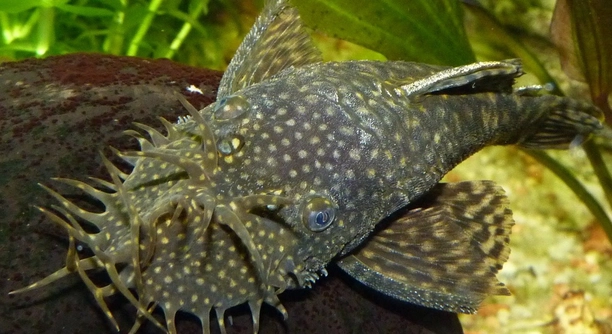
Do your plecos sometimes hang upside down in your tank? It’s a behavior that might leave you wondering whether it’s normal or something to be concerned about. Understanding why this happens can help ensure their well-being.
The act of hanging upside down in plecos is typically not an alarming sign. This behavior can be linked to rest, sleep, or even feeding habits. However, if it becomes frequent or accompanied by other symptoms, further investigation is necessary.
Paying attention to your pleco’s behavior will help you maintain a healthy and comfortable environment for them in your aquarium.
Why Do Plecos Hang Upside Down?
Plecos are known for their unique and interesting behavior, which sometimes includes hanging upside down. This may seem odd, but it is usually harmless. Plecos often use this position while resting or even eating, especially if they are on a surface like the tank glass. They may also hang upside down while hiding in crevices or caves. It’s not unusual for plecos to hang this way for a short time as they feel secure in their environment. If you notice them doing this sporadically, there’s no need to worry. However, prolonged or constant hanging upside down could signal an issue, especially if paired with other signs like lethargy or loss of appetite.
If your pleco occasionally hangs upside down, it’s likely just part of its natural behavior. However, keep an eye on them for any other changes. Prolonged upside-down swimming can sometimes indicate stress or an underlying health issue.
In some cases, plecos may hang upside down while exploring their environment. This position may be a sign that the pleco is searching for food or a comfortable resting place. This action helps them interact with surfaces or food more effectively. While this is generally harmless, consistency in their behavior is key. If your pleco spends most of its time in this position or has difficulty swimming right-side up, it might be time to check the water conditions or consult with an expert to ensure there’s no deeper concern.
Water Conditions and Stress Factors
Water quality plays a significant role in the health of your pleco. If your pleco hangs upside down more often than usual, it could be a sign of water stress. Poor water quality, including improper pH levels, high ammonia, or insufficient oxygen, can lead to unusual behavior. Maintaining good water conditions is essential for pleco health.
Unstable water parameters can directly affect your pleco’s behavior and overall well-being. Ensure regular water changes, monitor temperature and pH levels, and keep the tank clean to prevent stress. When water quality improves, you may notice the behavior returning to normal.
Tank Environment and Pleco Behavior
Plecos are known for their love of hiding in caves or against surfaces, sometimes hanging upside down as they feel secure. A tank that mimics their natural environment encourages more comfortable behavior. Providing hiding spots or caves can help reduce stress, allowing plecos to exhibit more natural habits.
If there’s a lack of places to hide, plecos may become anxious, leading to unusual behaviors like staying upside down for longer periods. Creating an environment with driftwood, rocks, and caves gives plecos a safe space. When plecos feel secure, they are more likely to show their natural behavior. Offering these hiding areas helps reduce stress and ensures they have the proper environment to thrive.
Plecos are nocturnal, meaning they are more active at night. They prefer dark areas to sleep during the day, which is why hanging upside down could be their way of resting in a spot that makes them feel safe. By adding dark spots or hiding places in your tank, you can encourage your pleco to rest naturally, minimizing stress and creating a healthier environment.
Feeding Habits and Their Impact
Feeding habits can also influence how a pleco behaves. Plecos often hang upside down when feeding off surfaces, like glass or decorations. They will sometimes display this behavior if they are looking for algae or scraps of food. Ensuring they have enough to eat may reduce the occurrence of such behaviors.
Providing a varied diet for your pleco is essential. While plecos feed on algae, they also need vegetables like zucchini and leafy greens. A healthy, balanced diet reduces the chances of them constantly searching for food in unusual positions. Ensuring your pleco has access to the right foods can help it feel less stressed and more comfortable in its tank environment.
Health Concerns to Consider
If your pleco spends a significant amount of time hanging upside down, it may indicate an underlying health issue. Swim bladder problems or internal parasites can cause difficulty swimming properly. Monitoring your pleco for other symptoms, such as loss of appetite or bloating, can help identify if it’s a health issue.
Any sudden or persistent behavior change should be addressed promptly. If your pleco is struggling to right itself, it may need medical attention. Consulting with an aquarium specialist or a vet with experience in fish health will ensure your pleco gets the proper care it needs.
Temperature and Oxygen Levels
Temperature fluctuations or low oxygen levels can also affect a pleco’s behavior. If the water is too warm or too cold, it could cause stress. Ensuring stable water temperature and aeration will help maintain optimal conditions. This will allow your pleco to remain healthy and more active.
Maintaining the right temperature and oxygen levels in your tank keeps your pleco comfortable and active. Proper aeration, especially in tanks with low water flow, can ensure the pleco is not stressed by poor oxygen levels. Monitoring these factors regularly is essential for your pleco’s health.
The Importance of Tankmates
Plecos may also show unusual behavior if tankmates are overly aggressive. Stress from being bullied or chased can cause a pleco to hide or hang upside down for safety. Tankmates should be chosen carefully to avoid any issues and maintain a peaceful environment.
FAQ
Is it normal for plecos to hang upside down?
Yes, it can be normal for plecos to hang upside down from time to time, especially when they are resting, searching for food, or hiding. Plecos are nocturnal creatures and often prefer to hang upside down on surfaces like tank glass or decorations. However, if the behavior becomes excessive or is paired with other symptoms like loss of appetite or lethargy, it may signal a problem.
What could cause my pleco to hang upside down all the time?
If your pleco is frequently hanging upside down, it could be related to water quality, tank environment, or health issues. Poor water quality, including improper pH or oxygen levels, can stress a pleco and cause abnormal behaviors. Additionally, swim bladder issues or internal parasites can affect their ability to swim upright. A proper tank environment with enough hiding spots and a stable water condition can reduce this behavior. If symptoms persist, it’s important to consult an aquarium specialist.
How can I improve my pleco’s tank environment?
To improve your pleco’s tank environment, provide hiding spots like caves, rocks, or driftwood. Plecos prefer dark, secure places to rest during the day, so having these features in your tank will help them feel comfortable. Additionally, ensuring stable water conditions—correct pH, temperature, and oxygen levels—will reduce stress. Regular water changes, adequate filtration, and proper aeration are key for a healthy environment.
What should I feed my pleco to prevent odd behavior?
A balanced diet is crucial for your pleco’s health. Plecos are primarily algae eaters, but they also benefit from vegetables like zucchini, spinach, and cucumbers. Additionally, you can offer sinking algae wafers and high-quality pellets. Providing a variety of food types will ensure they’re getting the nutrients they need, which helps maintain overall health and prevents the stress that could lead to unusual behavior.
Could temperature changes affect my pleco’s behavior?
Yes, temperature fluctuations can affect your pleco’s behavior. Plecos are sensitive to extreme temperatures, so keeping the water at a stable range—typically between 74°F and 80°F (23°C to 27°C)—is essential for their well-being. If the water is too hot or cold, it can stress the pleco, leading to unusual behavior, including hanging upside down or lethargy.
What are signs that my pleco is sick?
In addition to unusual swimming behavior like hanging upside down, signs of illness in a pleco include loss of appetite, bloating, difficulty swimming, abnormal skin color or lesions, and clamped fins. If your pleco displays any of these symptoms, it’s important to investigate the water quality, check for parasites, and consider seeking advice from a specialist to address the issue promptly.
Can plecos be stressed by other fish?
Yes, plecos can become stressed by aggressive or overly active tankmates. If other fish are constantly chasing or bullying your pleco, it may seek shelter in unusual places or hang upside down to avoid confrontation. Choosing peaceful tankmates that won’t harass your pleco can help reduce stress and keep your pleco comfortable. Tankmates like other bottom-dwelling fish or peaceful species are usually ideal.
Should I be worried if my pleco is upside down but eating normally?
If your pleco is hanging upside down but still eating normally, it’s likely not a serious concern. Many plecos exhibit this behavior when feeding off tank surfaces. However, if the behavior continues for extended periods or is combined with other signs of illness, it’s a good idea to check water conditions and monitor for any other changes in behavior.
How can I tell if my pleco has a swim bladder problem?
A swim bladder issue may be indicated if your pleco is having difficulty swimming upright or stays in an unusual position, like upside down, for extended periods. Other signs can include bloating, floating at the surface, or sinking to the bottom without control. If you notice these symptoms, it’s important to assess the water quality and consult a veterinarian if necessary. Swim bladder issues are sometimes related to diet or internal infections.
What can I do if my pleco isn’t eating properly?
If your pleco isn’t eating, it could be a sign of stress, illness, or water quality issues. Check the water conditions to ensure they’re within the proper range, and make sure there’s no competition for food. Offer a variety of foods like algae wafers, vegetables, and sinking pellets to tempt your pleco to eat. If the issue persists, it may be necessary to seek professional help to determine the cause.
Do plecos need special care compared to other fish?
Plecos do require some special care due to their size, diet, and unique behavior. They need plenty of space to move around, access to hiding spots, and a tank environment that mimics their natural habitat. Their diet needs to be rich in algae and plant-based foods, and they also need stable water quality. Regular tank maintenance and monitoring of water parameters are crucial for their health.
Is my pleco’s behavior related to age?
As plecos age, they may display different behaviors. Older plecos can become less active or seek out new hiding spots. Hanging upside down may be a sign of them simply looking for comfort or rest. However, age-related changes should not result in drastic shifts in behavior, and any concerns should be addressed by checking water conditions and overall health.
How often should I check my pleco’s tank water?
You should check your pleco’s tank water regularly, ideally once a week. Monitor pH, ammonia, nitrite, and nitrate levels to ensure a stable environment. Perform partial water changes weekly or bi-weekly to maintain optimal water quality. Proper filtration and aeration are key to keeping your pleco healthy and preventing any unusual behavior.
What size tank is best for a pleco?
Plecos need a large tank due to their potential size, especially as they grow. A 75-gallon tank is recommended for most pleco species, as they can grow quite large. Providing plenty of space for swimming and hiding is important for their health and well-being. The tank should also have a proper filtration system to maintain water quality.
Can I have multiple plecos in the same tank?
It’s possible to have multiple plecos in the same tank, but it depends on the species. Some plecos are territorial, especially when they mature, and may fight with each other. It’s important to provide enough space and hiding places to reduce territorial disputes. Some species of plecos are more peaceful, so research your specific type before adding more to your tank.
Final Thoughts
Plecos are fascinating creatures, and their behavior can sometimes raise concerns, especially when they spend time hanging upside down. While this can be a normal part of their natural behavior, it is important to be aware of any other signs that might indicate something is wrong. Plecos often rest in different positions, including upside down, as they search for food or find a comfortable spot. This behavior is typically harmless unless accompanied by other troubling symptoms like lethargy, loss of appetite, or difficulty swimming. Ensuring your pleco has a proper environment is key to maintaining its health and well-being.
Water quality plays a crucial role in the health of any aquarium fish, including plecos. Regular monitoring of water parameters such as pH, temperature, and oxygen levels can prevent many of the issues that lead to abnormal behavior. It’s essential to maintain a stable environment for your pleco, providing adequate filtration, aeration, and hiding places. Changes in water quality can cause stress, leading to unusual behaviors like hanging upside down for prolonged periods. Proper care, including regular water changes, will help prevent these issues and keep your pleco healthy.
If your pleco’s behavior doesn’t improve or worsens despite addressing water quality and environmental factors, it may be time to consult with an aquarium specialist or veterinarian. Health problems like swim bladder disease or internal parasites could be to blame for the unusual behavior. It’s always better to address potential health issues sooner rather than later to ensure the long-term health of your pleco. By staying attentive and making adjustments as needed, you can help your pleco thrive and enjoy a peaceful, active life in your aquarium.

Hello,
If you enjoy the content that we create, please consider saying a "Thank You!" by leaving a tip.
Every little bit helps us continue crafting quality advice that supports the health, happiness, and well-being of pets around the world, for pets of all shapes, sizes, and species.
We really appreciate the kindness and support that you show us!