
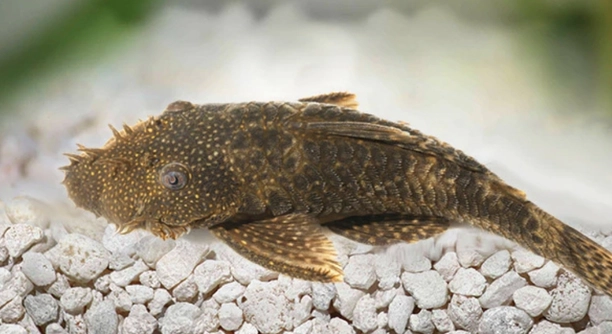
Plecos are fascinating fish with unique behaviors, especially when it comes to their interactions with their aquarium environment. You may have noticed them burrowing into the gravel or digging around the substrate in your tank.
It is normal for plecos to dig into gravel. This behavior is typically a natural instinct that helps them search for food and create hiding spots. However, excessive digging may indicate stress or other environmental factors that need attention.
Understanding the reasons behind this behavior can help ensure your plecos are happy and healthy in their environment. We will explore how you can support your pleco’s natural instincts while maintaining a balanced tank setup.
Why Do Plecos Dig Into Gravel?
Plecos are bottom-dwelling fish, and their natural instincts often lead them to dig around in the gravel of their tank. They use their sensitive barbels (whisker-like organs) to search for food, often sifting through the substrate to find algae, detritus, and small particles they can eat. This behavior helps them stay nourished and comfortable in their environment. Additionally, plecos enjoy creating hiding spots by rearranging the gravel, which makes them feel safer. It’s part of their natural survival instinct.
Although it’s normal, it’s important to note that digging can become excessive if your pleco feels stressed or insecure. If the environment doesn’t feel right to them, they may dig more frequently in search of food or shelter. Regular maintenance of your tank’s substrate and water conditions can help prevent stress and ensure that your pleco behaves naturally.
It’s also worth noting that plecos are known to be nocturnal creatures. This means that if you notice digging mainly during the night, it’s simply a sign of their active nighttime behavior. However, observing them throughout the day will give you a better understanding of their routine.
How to Manage Pleco Digging
The best way to manage pleco digging is by ensuring a stable environment.
First, make sure your tank has plenty of hiding spots and plants. This reduces the chance of your pleco feeling vulnerable. Plecos thrive in tanks with rocks, caves, or other decorations that offer them places to retreat. Proper water quality is crucial too. A pleco’s behavior may change if the water conditions aren’t ideal. Regularly checking and maintaining the pH levels, temperature, and filtration system will go a long way in keeping your pleco calm.
Another tip is to offer a varied diet. In the wild, plecos forage for a wide range of foods, from algae to fallen leaves. In an aquarium, you can provide them with sinking pellets, fresh vegetables, and algae wafers. This can reduce their urge to dig as much since they’re well-fed. If your pleco is constantly searching the substrate for food, it may indicate that they aren’t getting enough nutrients from their current diet.
When Digging Becomes a Problem
Excessive digging may signal underlying issues with your pleco’s environment or health.
If your pleco starts to dig more frequently than usual, it’s worth considering tank conditions. Poor water quality, temperature fluctuations, or a lack of hiding spaces can cause stress. Stress in plecos can lead to changes in behavior, including digging. Another potential cause is inadequate food. Plecos often dig in search of algae or detritus, so if the tank lacks enough of these, they may dig more to find something to eat.
Check your filtration system to ensure it’s working properly, and test your water for pH, ammonia, and nitrate levels. If your pleco is over-digging, it’s time to reassess your setup. Adding more hiding spots, caves, or plants can help your pleco feel more secure. Consider providing extra food sources like algae wafers or fresh vegetables to prevent them from becoming too fixated on the substrate.
Ensuring Healthy Substrate
The type of substrate in your tank plays a key role in your pleco’s behavior.
Plecos generally prefer finer gravel or sand. Coarse gravel can harm their delicate barbels when they dig or sift through it, making them uncomfortable. It may even lead to infections if it scratches their sensitive skin. Fine sand or smooth gravel is safer for them and mimics their natural habitat more closely. Also, fine substrates are easier to clean, preventing debris from accumulating. If your pleco is constantly digging, it may indicate that the substrate isn’t suitable for its needs.
To provide the best conditions for your pleco, invest in a soft, fine substrate. Ensure that it’s deep enough to allow your pleco to dig without discomfort. A layer of sand can also help with water filtration, as it doesn’t trap debris the way coarse gravel can. Keep the tank clean by regularly removing uneaten food and performing water changes. This will keep your pleco’s environment healthy and reduce unnecessary digging.
Signs of Stress in Plecos
Frequent digging can be a sign of stress, but other behaviors may also point to discomfort.
When plecos are stressed, they may dig excessively or hide more than usual. Look for signs like loss of appetite, rapid gill movement, or unusual swimming patterns. Stress can be caused by poor water quality, overcrowding, or inadequate hiding places.
Ensure your pleco has plenty of places to hide and a stable environment to minimize stress. Check your water quality regularly to make sure it is within safe parameters. Healthy plecos are active, eat well, and swim confidently, so any changes to these patterns should be noted.
Managing Tank Mates
Tank mates can have a big impact on your pleco’s behavior.
Plecos are generally peaceful but can become stressed by overly aggressive tank mates. If other fish are constantly disturbing your pleco, it may start digging or hiding more often. Consider the size and temperament of your tank mates. Fish that swim fast or occupy the same bottom space may not be ideal companions for plecos.
Choose tank mates that are peaceful and don’t compete for the same food sources. You can also create separate territories within the tank to give your pleco a safe space to retreat. Be mindful of the behavior of other fish to ensure your pleco’s well-being.
Pleco Diet and Digging
A poor diet may lead to increased digging as your pleco searches for food.
Plecos need a varied diet to stay healthy. If their tank lacks natural algae or detritus, they may start digging through the gravel to find food. This is often a sign that they are not getting enough nutrients. Providing algae wafers, sinking pellets, and fresh vegetables can help meet their nutritional needs.
FAQ
Is it normal for plecos to dig into the gravel?
Yes, it’s normal for plecos to dig into the gravel. They do this to search for food, create hiding spots, or simply explore their environment. Digging is part of their natural behavior, especially since plecos are bottom dwellers. It’s a way for them to feel comfortable and secure. However, if they dig excessively, it may indicate stress or discomfort.
How can I tell if my pleco is stressed?
Signs of stress in plecos can include excessive digging, hiding more than usual, loss of appetite, and erratic swimming patterns. You may also notice your pleco becoming more reclusive or showing signs of aggression. Stress can be caused by poor water quality, overcrowding, or tank mates that disturb them.
Can plecos dig through gravel?
Yes, plecos are capable of digging through gravel. They use their barbels to feel around and sift through the substrate in search of food, detritus, or algae. Fine gravel is usually safe, but very coarse gravel might cause irritation or harm to their barbels.
What type of substrate is best for plecos?
Fine sand or smooth gravel is the best substrate for plecos. It allows them to sift through it easily without causing injury to their barbels or skin. Sand also promotes healthier water quality, as it doesn’t trap debris in the same way coarse gravel can. Ensure that the substrate is deep enough for them to dig comfortably.
Do plecos need a lot of hiding spots?
Yes, plecos enjoy having plenty of hiding spots in their tank. This provides them with a sense of security and a place to retreat when they feel stressed. You can add caves, rocks, or plants to create these hiding spaces. A tank with plenty of hiding spots will reduce digging behavior caused by insecurity.
How often should I feed my pleco?
Plecos should be fed once or twice a day, depending on their size and age. Offer a variety of foods, such as algae wafers, sinking pellets, and fresh vegetables like zucchini or cucumber. A varied diet helps prevent them from over-digging in search of food. Be sure to remove any uneaten food to keep the tank clean.
Why is my pleco always digging?
If your pleco is constantly digging, it could be searching for food, creating a hiding spot, or simply following its natural behavior. However, if the digging seems excessive, it could be due to stress from poor water quality, lack of hiding places, or other environmental factors.
Can plecos dig up plants in the aquarium?
Yes, plecos may dig up plants, especially if they are searching for food or rearranging their environment. If you have live plants in your tank, ensure they are well-rooted and placed in pots to prevent them from being uprooted. Additionally, consider adding more decorations or rocks to satisfy their digging instincts.
What should I do if my pleco digs too much?
If your pleco is digging too much, check the water quality to make sure the pH, temperature, and ammonia levels are within safe ranges. Also, provide more hiding spaces and tank decorations to reduce stress. A varied diet can also help reduce excessive digging. If the behavior persists, consider checking if tank mates are causing stress.
Can plecos live with other fish in the tank?
Plecos are peaceful fish, but they may not always get along with certain tank mates. Aggressive or territorial fish might cause stress, leading to increased digging and hiding. It’s important to choose tank mates that are peaceful and do not compete for the same food sources. Make sure there’s enough space in the tank for everyone to live comfortably.
Is it okay to have plecos in a community tank?
Yes, plecos can live in a community tank, but you should be careful when choosing their tank mates. Plecos generally get along with peaceful fish, but they may not do well with aggressive or fast-swimming species. Avoid placing them with smaller fish that might get bullied or stressed by the pleco.
How can I prevent my pleco from digging too much?
To prevent excessive digging, make sure your pleco’s tank environment is stable and well-maintained. Check water quality regularly, provide adequate hiding spaces, and offer a balanced diet. If the pleco is still digging excessively, try reducing the number of aggressive tank mates or adjusting the substrate.
Do plecos need a lot of space?
Yes, plecos need a large tank with plenty of space to swim and explore. A crowded tank can lead to stress and increased digging. A tank of at least 30 gallons is recommended for a single pleco, but larger tanks are better, especially if you have multiple fish.
How can I tell if my pleco is getting enough food?
If your pleco is eating well and appears healthy, it is likely getting enough food. However, if they are constantly digging in search of food or losing weight, it may indicate that they are not being fed enough. Offering a variety of foods like sinking pellets, algae wafers, and vegetables will help meet their nutritional needs.
Can plecos dig through sand?
Yes, plecos can dig through sand, though it’s less likely to cause harm compared to coarse gravel. Sand mimics their natural environment and allows them to sift through it easily. Just ensure the sand is fine and smooth to avoid scratching their barbels or skin.
Is it safe to keep a pleco with shrimp?
Plecos can live with shrimp, but there are some risks. Plecos are known to occasionally nibble on small or weak shrimp, especially if food is scarce. If you want to keep them together, make sure there’s plenty of food for both the pleco and the shrimp to reduce any predatory behavior.
Final Thoughts
Plecos are fascinating fish, and their natural behaviors, like digging into gravel, are a common part of their aquarium routine. Understanding why they dig can help you create a healthier environment for them. Digging is usually linked to their instinct to search for food, create shelter, or explore their surroundings. It’s important to remember that this is normal behavior, but if it becomes excessive or changes, it may indicate something isn’t quite right in their environment.
To ensure your pleco is happy and healthy, you should focus on maintaining proper water quality, providing enough hiding spots, and offering a balanced diet. A stable tank with the right substrate, like fine sand or smooth gravel, will help your pleco feel safe and reduce unnecessary stress. The more comfortable they are in their space, the less likely they are to dig excessively or exhibit other signs of distress. Keeping an eye on their behavior can give you valuable clues if anything needs to be adjusted.
Plecos are generally peaceful creatures, but they still need a suitable environment to thrive. Tank mates should be chosen carefully, as aggressive or overly active fish can stress out plecos and lead to more digging. Regular tank maintenance, such as cleaning the substrate and monitoring the water conditions, will go a long way in creating a positive atmosphere for your pleco. With a little attention to their needs, you can enjoy watching these unique fish express their natural behaviors in a healthy, stress-free environment.

Hello,
If you enjoy the content that we create, please consider saying a "Thank You!" by leaving a tip.
Every little bit helps us continue crafting quality advice that supports the health, happiness, and well-being of pets around the world, for pets of all shapes, sizes, and species.
We really appreciate the kindness and support that you show us!