
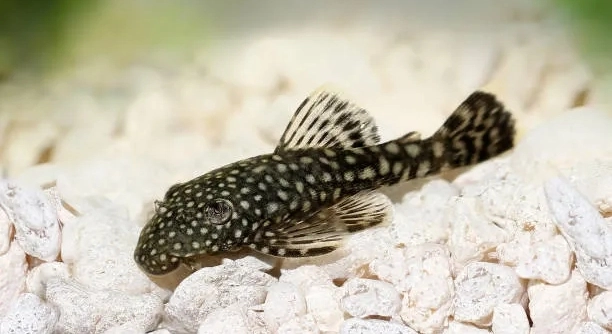
Plecos are popular aquarium fish known for their unique looks and cleaning abilities. If you own one, you may have noticed some changes in their shape over time, and you’re probably wondering if it’s normal.
It is normal for plecos to change shape as they grow, age, or undergo environmental changes. Their size, body shape, and fins may appear different depending on factors like diet, tank size, and stress levels.
Understanding how these factors affect plecos will help you manage their well-being and ensure they stay healthy.
Why Plecos Change Shape
As plecos grow, their bodies can change in noticeable ways. These changes usually happen as they mature from small fry to adults. During their early stages, they are typically smaller with a more compact body, but as they grow, their body stretches and becomes larger. Tank conditions can also cause changes, such as water temperature, diet, and tank size. It’s important to know that some plecos may alter their appearance if they are stressed or if there is a lack of sufficient space in the tank. These shifts can be unsettling, but it’s generally a sign of growth or environmental factors at play.
The size of the tank and the quality of the water are major contributors to changes in plecos’ shape. If the tank is too small, the pleco may not grow properly, and this could impact its body shape.
Plecos need plenty of space and a balanced environment to thrive. A tank that is too crowded or lacks proper filtration can lead to stress, which could affect their appearance. Ensuring a stable water temperature and maintaining proper filtration can help plecos maintain their healthy shape as they grow. Regular water changes are also essential to keep them from experiencing unnecessary stress, which could alter their appearance.
Common Health Issues Impacting Shape
When plecos face health issues, it can sometimes lead to noticeable changes in their shape. Malnutrition, for example, can cause a pleco to lose weight or develop irregular body shapes. If they are not receiving the proper nutrients, they may not grow to their full potential, resulting in a smaller or underdeveloped body.
Parasites or infections can also distort a pleco’s shape. If the fish is suffering from parasites, its body may appear bloated or swollen. In severe cases, internal issues can affect how the pleco moves or swims, making its shape appear different. Regular checks for parasites and infections can prevent these types of problems.
When caring for plecos, it’s vital to pay attention to their diet. A poor or imbalanced diet, lacking essential vitamins and minerals, can contribute to poor growth and a deformed shape. Feeding them a variety of foods, such as algae wafers, vegetables, and occasional protein-rich food, will help maintain their overall health.
Environmental Factors Affecting Pleco Shape
Plecos are sensitive to the environment in which they live. If the tank water isn’t clean or the temperature fluctuates too much, it can stress them out, causing changes in shape. Even small changes in water chemistry can affect their overall health and body structure.
Water quality is one of the most important aspects of a pleco’s environment. Ammonia and nitrite levels should always be kept at zero, as these can cause significant stress, which might lead to a change in appearance. Regular water changes and proper filtration are essential for maintaining a stable environment.
Tank size also plays a major role. A pleco in a cramped space may not grow to its full potential. A larger tank allows the fish to grow properly, keeping its body shape healthy. Giving them enough room to move around helps avoid stress and supports normal growth, so they can develop properly.
Diet and Nutrition’s Role in Shape
The type of food you feed your pleco can influence how it develops. If their diet lacks variety or important nutrients, they may not grow to their full potential. Plecos need a balanced mix of vegetables, protein, and algae to thrive.
A poor diet can cause a pleco to appear underweight or develop a malnourished look. Feeding them algae wafers, zucchini, and other nutrient-rich foods will help promote healthy growth and body shape. Make sure the food is appropriate for their size and age, as a varied diet is key.
Supplying essential vitamins and minerals can prevent nutritional deficiencies that might cause deformities. Consider offering a supplement or specialized food designed to meet the needs of plecos. Their shape and overall health will benefit greatly from proper nutrition.
Stress and Its Impact on Plecos
Stress can significantly affect the shape of a pleco. It can be caused by various factors, including poor water quality, overcrowded tanks, or sudden changes in the environment. Stress can cause plecos to exhibit unusual body shapes or lose weight.
If your pleco is stressed, it might show signs like rapid breathing or hiding more often. Long-term stress can lead to physical changes, including deformities or a lack of proper growth. Maintaining a stable, calm environment will help reduce stress and keep the pleco’s body in good shape.
Tank Mates and Their Influence
Tank mates can play a role in how plecos look. If they are housed with aggressive fish, they may become stressed, affecting their shape. Plecos are generally peaceful, but they need the right companions to thrive.
Aggressive fish can bully plecos, causing them to hide and experience stress. This can affect their growth and body shape. To keep plecos healthy, choose tank mates that are peaceful and compatible with their calm nature. A balanced, harmonious tank environment supports the pleco’s development.
Growth and Development Over Time
As plecos grow, their shape will naturally change, especially in their first few years. During this time, they may grow rapidly, and their body may elongate or become more rounded depending on their species. The rate of growth can vary based on environmental factors, diet, and genetics.
Young plecos often start off with small, compact bodies. Over time, they will begin to show more pronounced features like wider fins and larger sizes. The growth process can be slow, but with proper care, plecos will eventually reach their full size and develop their distinct shape.
FAQ
Is it normal for a pleco to get bigger over time?
Yes, plecos grow as they age. Most species start small but can grow significantly larger, especially if they are well cared for. The size they reach depends on the species and the tank conditions. Regular water changes, appropriate tank size, and a proper diet will ensure they grow at a healthy rate. It’s common for plecos to grow several inches within their first few years of life, so be prepared for their size increase as they mature.
Can water quality affect a pleco’s shape?
Yes, water quality plays a big role in your pleco’s health and appearance. Poor water quality can lead to stress, which might cause your pleco to change shape, either by not growing properly or developing unusual features. High levels of ammonia or nitrites in the water can harm the pleco’s body, resulting in changes like bloating or a lack of proper growth. To keep them healthy, regularly check and maintain your tank’s water parameters, such as pH, ammonia, nitrites, and nitrates.
Do plecos need a lot of space to grow properly?
Plecos require plenty of space to grow to their full potential. A small tank can stunt their growth or cause them to develop improperly. A tank that is at least 50 gallons is recommended for adult plecos, depending on the species. This space allows them to move freely and helps reduce stress, which is important for maintaining a healthy body shape. If you notice your pleco isn’t growing properly, it could be a sign that your tank is too small.
Can plecos change shape if they are stressed?
Yes, stress can cause noticeable changes in a pleco’s shape. When stressed, a pleco may lose weight, develop a sunken or bloated appearance, or stop growing altogether. Stress can be caused by poor water conditions, overcrowded tanks, aggressive tank mates, or sudden changes in their environment. It’s crucial to keep the tank environment stable and peaceful to avoid stress-related shape changes.
What should I feed my pleco to maintain a healthy shape?
To help your pleco maintain a healthy shape, provide a balanced diet with a mix of algae wafers, vegetables (like zucchini and cucumber), and protein-rich foods. Plecos are primarily herbivores, so algae wafers should be their main food, but offering occasional protein sources can support their overall health and growth. A varied diet is key to ensuring they get all the nutrients they need for proper growth and body development.
Can plecos get too big for their tank?
Yes, if a pleco grows too large for the tank, it can lead to stress and even health issues. Overcrowding or being confined to a small space can limit their movement and stunt their growth. If your pleco is getting too large for the tank, consider upgrading to a bigger tank or finding a more suitable environment. Providing adequate space ensures your pleco will grow to its full size and maintain a proper shape.
Are there signs I should look for if my pleco is unhealthy?
Unhealthy plecos may show several signs. If your pleco is not eating or appears lethargic, it could be a sign of poor health. Other warning signs include changes in body shape, such as bloating, thinning, or deformities, as well as abnormal swimming patterns. You might also notice skin lesions, discoloration, or rapid breathing. Regularly monitoring your pleco’s appearance and behavior will help you spot any potential issues early.
Can plecos change shape due to diseases?
Yes, diseases can cause plecos to change shape. For instance, internal parasites, infections, or poor water conditions can cause bloating or loss of body mass. Plecos with health issues may also appear lethargic or stop eating. If you notice these signs, it’s important to address the underlying cause, whether it’s a water quality issue, diet problem, or infection. In some cases, it may be necessary to treat the pleco with medication to prevent further issues.
Do plecos need special care as they grow?
As plecos grow, they do require more care. Larger plecos need more space and better filtration. Additionally, their diet may need adjustments, as they will consume more food as they grow. It’s also important to check the water quality regularly and ensure the temperature is stable. Larger plecos are more sensitive to poor conditions, so monitoring their environment and adjusting care accordingly is essential for their health and shape.
What species of plecos grow the largest?
Some pleco species grow larger than others. The common pleco (Hypostomus plecostomus), for example, can reach up to 24 inches in length. Other large species include the sailfin pleco (Pterygoplichthys gibbiceps) and the giant tiger pleco (Baryancistrus xanthellus), which can also grow quite large. If you have a large pleco, ensure your tank is suitable for their size, and be ready to accommodate their growth.
Final Thoughts
Plecos are fascinating fish with unique characteristics that make them popular in aquariums. It’s normal for them to change shape as they grow, especially when they mature from small juveniles to full-grown adults. Their body shape can also shift due to environmental factors like water quality, diet, and stress. Understanding these factors can help you better care for your pleco and ensure they stay healthy. A pleco’s shape isn’t always a cause for concern, but it’s important to pay attention to their environment and overall health.
As plecos grow, they may change in size and shape depending on their species and tank conditions. For example, some plecos can grow quite large, so providing enough space in the tank is crucial for their well-being. A crowded tank can lead to stress, which might cause them to look underdeveloped or unhealthy. Regularly cleaning the tank, maintaining good water quality, and offering a balanced diet will help ensure that your pleco grows properly and maintains a healthy shape. While plecos are relatively low-maintenance, they do require attention to thrive.
Ultimately, if you notice any significant or unusual changes in your pleco’s shape, it’s a good idea to assess the overall tank environment. Check the water quality, ensure they have enough space, and consider their diet. If any issues persist, it may be necessary to consult a veterinarian with experience in aquatic species. With proper care and attention, your pleco will continue to grow and develop healthily, maintaining a shape that reflects their overall well-being.

Hello,
If you enjoy the content that we create, please consider saying a "Thank You!" by leaving a tip.
Every little bit helps us continue crafting quality advice that supports the health, happiness, and well-being of pets around the world, for pets of all shapes, sizes, and species.
We really appreciate the kindness and support that you show us!