
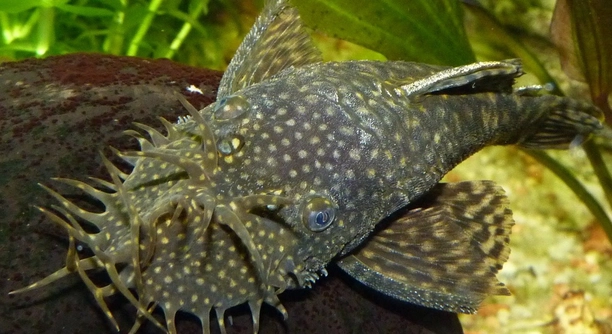
Plecos are popular freshwater fish often admired for their unique appearance and patterns. Many aquarium owners find themselves curious about changes in these patterns over time, wondering if such changes are typical or something to be concerned about.
It is normal for plecos to change their patterns as they grow or adapt to their environment. Factors like age, diet, and tank conditions can all influence these changes. Pattern variations can be harmless, but extreme changes may indicate stress or health issues.
Understanding the reasons behind these changes can help you provide the best care for your pleco. We’ll explore the factors that influence their patterns and how to keep them healthy and happy in your aquarium.
Why Do Plecos Change Their Patterns?
Plecos are known for their ever-evolving patterns, which can change as they grow. As these fish mature, their markings may shift due to natural development. This is completely normal. You might notice the patterns becoming more defined, or in some cases, fading. These changes often happen slowly over time. Additionally, plecos can experience temporary pattern alterations due to environmental shifts or changes in diet. Stress, water quality, or lighting can all contribute to these changes, and while they are not always a concern, they may signal that something in the tank needs adjustment.
Sometimes, plecos can develop darker or lighter shades as a response to their surroundings. These changes can also be tied to the stress levels of the fish. It’s essential to observe your pleco’s behavior to see if there are other signs of distress, like lethargy or refusal to eat.
Changes in patterns can also result from health issues, especially if the fish seems to be losing color. This may be due to poor water quality or an imbalanced diet. Ensuring the tank conditions are optimal and providing a varied, nutritious diet is key to supporting your pleco’s health.
Key Factors That Influence Pleco Pattern Changes
Several factors can influence the way your pleco’s patterns develop. Water temperature, pH levels, and lighting can all play significant roles. In addition, changes in diet and the tank environment can cause their colors to shift over time. Keeping track of these conditions helps maintain their appearance and overall well-being.
Understanding what makes plecos change their patterns will help you take better care of them. From adjusting the lighting to monitoring water conditions, small steps can keep their patterns healthy. Regular water changes and a clean environment can make a noticeable difference in how your pleco looks over time.
Stress and Its Impact on Pleco Patterns
Stress can cause noticeable changes in a pleco’s pattern. Factors such as overcrowding, poor water quality, or aggressive tankmates can trigger stress, which in turn affects their appearance. A stressed pleco might show faded or blotchy patterns as their body reacts to discomfort.
When stress occurs, the pleco’s body may produce less pigment, leading to a loss of color or dullness in their patterns. Stress can also cause physical changes, such as darker spots or irregular markings. It’s essential to monitor the pleco’s environment closely to reduce stress factors. Regular water changes, a balanced diet, and a peaceful tank environment can help keep them calm and healthy.
If stress is prolonged, the pleco may stop feeding or become lethargic. If the tank setup is overcrowded or water parameters are poor, they may try to adapt, but this can often result in visible pattern changes. Ensure that your pleco has enough space to swim freely and that tankmates are non-aggressive.
How Diet Can Influence Pleco Patterns
A varied diet can play a significant role in the appearance of a pleco’s patterns. Plecos are primarily herbivores and thrive on a diet of algae, vegetables, and plant-based food. When their diet is lacking essential nutrients, their color and patterns can be affected. A lack of proper nutrition can lead to a dull appearance.
Supplying your pleco with a balanced diet will help maintain their vibrant markings. Algae wafers, zucchini, spinach, and other plant matter should be regularly offered to ensure they get the necessary nutrients. Avoid overfeeding protein-rich foods, as this can lead to poor health and dullness in their patterns.
In addition to providing fresh vegetables, occasional supplements like vitamin-rich foods can help support their overall health. Maintaining a proper diet helps ensure that your pleco’s patterns stay vibrant and healthy while reducing the chances of any unwanted changes. Healthy fish are better equipped to adapt to environmental shifts without noticeable pattern shifts.
Lighting and Its Role in Pleco Patterns
Lighting can have a direct impact on a pleco’s pattern. Bright, consistent lighting may enhance their colors, while dim lighting can lead to faded patterns. Plecos tend to adapt their appearance based on the light exposure in their environment.
Different plecos react to light differently. Some species may darken in low light or brighten under more intense lighting. It’s important to balance lighting to mimic their natural habitat while preventing stress. Avoid harsh, direct light, as it can disrupt their natural behavior and cause unwanted changes in their patterns.
Water Quality and Pleco Pattern Changes
Water quality is crucial for maintaining a pleco’s health and appearance. Poor water conditions, such as high ammonia or nitrite levels, can stress plecos and cause their patterns to change. Regular water testing is essential to avoid these issues.
A clean and stable tank environment will help your pleco maintain its natural markings. Make sure to use a high-quality filter and perform regular water changes to ensure the levels stay balanced. Consistent monitoring will keep the fish stress-free and prevent unwanted changes in their patterns.
FAQ
Is it normal for plecos to change their color patterns over time?
Yes, it is normal for plecos to change their patterns as they grow and mature. As plecos age, their markings may become more distinct or fade depending on various factors like their environment, diet, and overall health. It is a natural part of their development, though sudden or drastic changes may signal issues like stress or health problems.
Can poor water conditions cause plecos to lose their patterns?
Yes, poor water quality can affect the appearance of plecos. High levels of toxins like ammonia or nitrites can stress the fish, leading to fading or changes in their patterns. Consistent water changes and proper filtration can help maintain water quality and prevent these changes.
Do plecos change patterns due to stress?
Yes, stress can cause plecos to alter their patterns. Stress factors like overcrowding, aggressive tankmates, or fluctuating water temperatures can trigger changes in their appearance. In response to stress, plecos may lose their vibrant patterns or develop darker markings. Reducing stress factors in the tank can help prevent these changes.
How can I prevent my pleco from changing its patterns?
To prevent unwanted changes in your pleco’s patterns, focus on maintaining a stable and stress-free environment. Ensure that water quality is optimal with regular water changes, keep the tank free of toxins, and provide a balanced diet. Additionally, avoid overcrowding and keep aggressive tankmates out of the aquarium.
What should I do if my pleco’s pattern changes drastically?
If you notice drastic changes in your pleco’s pattern, first check the water quality. Poor water conditions can lead to stress and cause noticeable pattern changes. If the water quality is fine, observe the pleco for signs of illness. If it shows signs of lethargy, loss of appetite, or other health issues, consult an aquarium professional or veterinarian.
Can diet influence the color and pattern of a pleco?
Yes, diet plays a significant role in the color and pattern of your pleco. A well-balanced diet that includes algae, vegetables, and occasionally protein can support healthy markings. A lack of essential nutrients, particularly from poor or imbalanced feeding, can result in faded or dull patterns. Offer a variety of foods to maintain their natural colors.
Do plecos change their patterns when they grow?
As plecos grow, their patterns may change, especially when transitioning from juvenile to adult. During this growth period, some plecos may develop more defined markings or larger spots. This is part of their natural development and not usually a cause for concern. However, monitor their health and environment to ensure they stay stress-free.
Can plecos change their patterns based on lighting?
Yes, lighting can affect the appearance of plecos. Bright lighting may make their patterns appear more vibrant, while dim lighting can cause them to look duller. However, too much direct light can stress the pleco, causing their patterns to change or fade. It’s important to maintain proper lighting that mimics their natural environment.
Is it possible for plecos to change their patterns if they are in a new tank?
When plecos are moved to a new tank, they may experience changes in their patterns due to the adjustment process. A new environment can cause stress, which can result in faded or altered markings. Allow the pleco time to acclimate to the new tank, and make sure all water parameters are ideal for their health.
How does the pleco’s species affect its pattern changes?
Different species of plecos may experience different changes in patterns as they grow. For example, some plecos naturally have more prominent markings that change as they mature, while others may retain a more consistent pattern throughout their life. Researching the specific species of pleco you own can help you better understand what to expect regarding pattern changes.
Can plecos develop new patterns as they age?
Yes, as plecos mature, their patterns can evolve. Juvenile plecos may have lighter or more subdued markings that become more defined as they grow. Similarly, adult plecos can develop additional spots or stripes over time. These changes are normal and part of their growth process.
Do plecos lose their patterns if they are sick?
Yes, illness can sometimes cause plecos to lose their patterns. If a pleco is unwell, it may experience changes in color, with patterns fading or becoming more irregular. Illnesses caused by poor water quality or parasites can lead to these changes. If you notice unusual pattern shifts, it’s important to assess the fish’s health and take action accordingly.
Can plecos change their pattern if they are stressed by tankmates?
Yes, aggressive tankmates or overcrowding can stress plecos and lead to changes in their pattern. Plecos that feel threatened or stressed may exhibit darker patterns or faded markings as a way to cope with the situation. To reduce stress, ensure your pleco has ample space and peaceful tankmates.
Should I worry if my pleco’s pattern changes slightly over time?
Slight changes in a pleco’s pattern over time are generally nothing to worry about. As they grow and adjust to their environment, subtle changes in their appearance are normal. However, if the changes are drastic or accompanied by signs of poor health, it’s important to address potential stress or environmental issues.
Final Thoughts
Plecos are fascinating fish that can go through noticeable changes in their patterns as they grow. These changes are often natural and related to their development, environment, or diet. As they mature, their markings may become more defined or shift slightly, which is a normal part of their life cycle. In fact, some changes in patterns are simply the pleco adapting to its surroundings or responding to stressors in the tank. Keeping an eye on your pleco’s health, water quality, and tank environment can ensure that any changes are harmless and part of their normal growth process.
However, not all changes in a pleco’s pattern are purely natural. In some cases, drastic or sudden shifts may be a sign of underlying issues, such as stress or poor water conditions. When you notice these changes, it’s essential to look for other signs of distress, like changes in behavior, loss of appetite, or lethargy. Ensuring that the water quality is optimal, the tank is not overcrowded, and the fish are fed a balanced diet can help prevent unnecessary stress. These simple steps can make a big difference in maintaining your pleco’s health and the overall well-being of your aquarium.
In conclusion, plecos are resilient fish that can adapt to many different environments. Their patterns are part of their charm and are influenced by factors like growth, diet, water quality, and lighting. If you observe your pleco’s patterns changing, it’s usually nothing to worry about, as long as the fish is healthy and the tank environment is stable. Regular maintenance, proper care, and a balanced diet will help ensure that your pleco remains vibrant and happy, with minimal stress and pattern changes. Understanding the reasons behind these changes can help you keep your pleco in the best possible condition, allowing both the fish and the owner to enjoy their time together in the tank.

Hello,
If you enjoy the content that we create, please consider saying a "Thank You!" by leaving a tip.
Every little bit helps us continue crafting quality advice that supports the health, happiness, and well-being of pets around the world, for pets of all shapes, sizes, and species.
We really appreciate the kindness and support that you show us!