
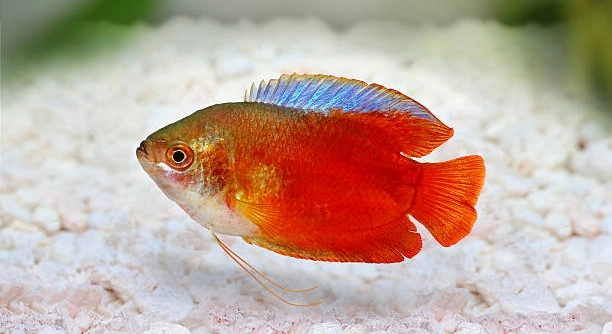
Gouramis are popular freshwater fish known for calm behavior and shifting colors. Many owners notice changes as fish mature, settle into tanks, or react to surroundings, which can feel surprising but is a natural process.
Color changes in gouramis are normal and expected over time. These variations commonly result from age, genetics, stress levels, lighting conditions, diet quality, and social interactions, all of which influence pigment expression and intensity within the skin and scales layers.
Learning why these changes happen helps owners provide better care and maintain stable environments for healthier, more confident gouramis overall.
Natural Reasons Behind Color Changes
Gouramis change color as part of normal biological processes that happen throughout their lives. As they age, pigments within their skin slowly adjust, leading to deeper or lighter shades. Genetics also play a steady role, as some varieties are bred to develop stronger coloration over time. Environmental factors matter as well. Tank lighting can influence how colors appear, making fish seem dull or vibrant depending on brightness and spectrum. Diet is another key factor. Foods rich in carotenoids and balanced nutrients support consistent coloration, while poor diets may result in fading. Social dynamics inside the tank can also affect appearance. When gouramis establish hierarchy or breeding readiness, their colors may intensify naturally. These changes are gradual and usually indicate adaptation rather than concern. Observing patterns over weeks instead of days helps separate normal shifts from sudden issues that require attention. Calm observation supports better long term care decisions for owners.
Most color changes develop slowly and stay within predictable ranges. Gradual shifts are common during growth, breeding periods, or stable tank adjustments. When behavior remains calm and appetite steady, color variation alone rarely signals a problem. Consistent water care helps maintain these healthy visual changes over time for many tanks.
Color shifts can also reflect emotional comfort inside the aquarium. Gouramis often display richer tones when they feel secure and unstressed. Adequate hiding spaces, gentle water flow, and compatible tank mates support this stability. Sudden environmental changes may cause temporary fading, especially after tank moves or cleaning. These reactions usually correct themselves once conditions settle. Maintaining steady temperature, clean water, and routine feeding builds consistency. I have noticed that patience matters more than constant adjustments. Allowing fish time to respond naturally prevents unnecessary interference. Watching daily habits alongside color provides a clearer picture of overall well-being over extended care periods.
When Color Changes Need Attention
Not all color changes should be ignored. Rapid fading or darkening paired with lethargy, appetite loss, or unusual swimming may signal stress. Poor water quality, overcrowding, or sudden temperature shifts often contribute to these noticeable changes. Early observation allows faster corrections before long term harm develops within home aquariums setups.
Health related color changes tend to appear alongside physical or behavioral differences. Clamped fins, rapid breathing, or isolation from tank mates are common warning signs. Infections, parasites, or prolonged stress can interfere with normal pigment regulation. Water parameters play a central role. Elevated ammonia, nitrite, or nitrate levels often cause visible dullness. Regular testing and consistent maintenance reduce these risks. Diet should also be reviewed. Sudden food changes or low quality options may weaken coloration and immune response. I find that simple routines create the most stability. Weekly water checks, gradual adjustments, and observation during feeding offer useful insight. Quarantine procedures for new fish prevent unnecessary exposure. If color changes persist despite stable conditions, consulting an aquatic professional is recommended. Addressing concerns early improves recovery and helps preserve long term health. Balanced care supports both appearance and overall vitality in gouramis. Consistency matters more than perfection. Small daily observations often reveal trends before problems escalate. Keeping records of water tests, feeding, and behavior builds clarity. Over time, these habits reduce stress for both fish and owner while supporting lasting color stability. Reliable care routines create confidence and minimize unexpected changes across different tank environments over many years of ownership periods.
Environmental Factors That Influence Color
Water quality strongly affects gourami coloration over time. Stable temperature, proper filtration, and balanced parameters help pigments remain consistent. Sudden changes often cause temporary fading or darkening. I have seen steady conditions produce calmer fish with more even color expression overall during long term aquarium care routines at home daily.
Lighting plays a major role in how gourami colors appear each day. Bright lights can wash out tones, while dim setups may hide natural vibrancy. Using a consistent light schedule reduces stress and supports stable coloration. Tank size and layout also matter. Crowded spaces increase tension and may dull appearance. Plants, driftwood, and hiding spots help fish feel secure. When gouramis feel safe, their colors often appear richer. I prefer adjusting environments slowly, allowing fish time to respond without pressure. Small changes spaced over days usually bring better results for maintaining visual consistency in home aquariums long term care routines.
Social dynamics inside the tank influence coloration more than many expect. Gouramis establish dominance, which can affect brightness and pattern visibility. Compatible tank mates reduce tension and support balanced behavior. Aggressive species may cause ongoing stress, leading to fading. Feeding routines also play a role. Irregular feeding or competition for food can impact appearance. I try to observe interactions during meals, as behavior shifts are easy to spot then. Adjusting stocking levels or feeding spots can improve harmony. When social balance improves, color stability often follows naturally over time within well maintained aquariums using consistent care habits daily at home.
Supporting Stable Color Through Care
Maintaining stable color starts with consistent daily care habits. Regular water testing prevents silent issues from building. Gentle tank cleaning protects beneficial bacteria. I stick to predictable routines because fish respond well to stability. Sudden changes often do more harm than good. Feeding high quality food at set times supports both health and appearance. Small efforts repeated often create lasting visual balance without constant adjustments or unnecessary interference over long term aquarium care periods home.
Stress reduction is key to preserving natural gourami coloration. Keeping noise, vibrations, and sudden movements near the tank to a minimum helps fish remain calm. Stable placement away from heavy foot traffic makes a difference. I also avoid rapid decor changes, as familiar surroundings build confidence. Monitoring temperature consistency is essential, since fluctuations affect metabolism and pigment display. Quarantine procedures protect established tanks from disruption. New fish should be introduced slowly and thoughtfully. Over time, these practices reduce stress responses that show through color changes. Consistent care builds trust between owner and fish, resulting in calmer behavior and steadier visual appearance. This approach has helped me maintain healthier fish with fewer unexpected visual shifts overall across long term home aquariums using simple consistent care routines.
The Role of Diet in Color Changes
Diet has a direct effect on gourami color strength and consistency. Balanced foods with proper vitamins support pigment development. Poor nutrition often leads to dull tones. I have noticed better color stability when feeding varied, quality options instead of relying on a single food daily over longer care periods consistently.
Overfeeding and inconsistent schedules can also affect appearance. Excess waste harms water quality and stresses fish. Skipped meals may weaken immune response. I aim for small portions at regular times. This approach supports digestion, reduces competition, and helps maintain even coloration over time in stable home aquarium settings long term.
Stress and Its Impact on Color
Stress related color changes often appear quickly and feel sudden. Loud environments, tapping glass, or constant movement nearby can trigger fading. Aggressive tank mates increase tension and reduce confidence. I have learned that calmer surroundings matter. Providing hiding spots allows fish to retreat and reset. Consistent routines lower anxiety. Stable lighting schedules help regulate behavior and appearance. Temperature swings should be avoided whenever possible. Monitoring interactions daily reveals early warning signs. When stress sources are removed, gouramis often regain normal color gradually without additional intervention over several weeks during stable care periods with patience, observation, and minimal changes applied consistently.
Breeding Related Color Changes
Breeding periods can temporarily intensify gourami coloration. Hormonal shifts increase brightness and contrast. These changes usually coincide with nesting behavior or courtship displays. I consider this a healthy sign when paired with normal appetite and activity. Colors typically soften again once breeding behavior settles and routines stabilize within home aquariums.
Why did my gourami suddenly lose its color overnight?
Sudden color loss is often linked to stress rather than long term health problems. Changes in water temperature, lighting, or tank layout can trigger this response. Poor water quality is another common factor, especially ammonia or nitrite spikes. I always test the water first when this happens. If behavior and appetite stay normal, color usually returns once conditions stabilize. Rapid adjustments should be avoided, as they may increase stress instead of helping.
Can gouramis change color as they grow older?
Yes, aging naturally affects coloration. Juvenile gouramis often look paler and develop stronger colors as they mature. In later stages of life, some fading may occur. This process is gradual and usually even across the body. I find that good nutrition and stable environments help maintain color longer, even as fish age. Aging related changes rarely happen suddenly and are usually not paired with behavioral decline.
Does tank lighting really matter for gourami color?
Lighting strongly affects how colors appear. Bright or harsh lighting can make gouramis look washed out, while dim lighting may hide natural tones. A consistent light schedule helps reduce stress. I prefer moderate lighting that mimics natural daylight. Sudden changes in light intensity often cause temporary fading. Keeping lighting stable supports both appearance and daily behavior patterns over time.
Can diet alone cause color fading in gouramis?
Diet plays a large role but is rarely the only factor. Low quality food can reduce pigment support, leading to dull colors over time. A varied diet with proper nutrients supports stronger coloration. I noticed improvement after rotating flakes, pellets, and occasional frozen foods. Consistency matters as much as quality. Sudden food changes may briefly affect appearance until fish adjust.
Is color change a sign of illness in gouramis?
Sometimes, but not always. When color change is paired with clamped fins, lethargy, or appetite loss, illness becomes more likely. External parasites or infections can interfere with normal pigment display. I monitor behavior closely rather than focusing on color alone. If multiple symptoms appear together, isolation and treatment may be needed. Color change by itself does not confirm illness.
Do gouramis change color during breeding periods?
Yes, breeding activity often brings stronger or darker coloration. Hormonal changes increase pigment visibility, especially in males. These shifts usually appear alongside nest building or courtship behavior. I consider this a positive sign when fish remain active and eating well. Once breeding behavior ends, colors often soften again naturally without intervention.
Can stress from tank mates affect gourami color?
Absolutely. Aggressive or overly active tank mates can cause ongoing stress, leading to dull or uneven coloration. Gouramis need calm companions and enough space. I have seen color improve after rearranging tanks or separating incompatible species. Watching interactions during feeding time often reveals tension early. Balanced stocking reduces stress related color changes.
How long does it take for color to return after stress?
Recovery time varies. Minor stress may resolve within days, while more intense issues can take weeks. Consistent care is key. Stable water parameters, predictable routines, and minimal changes support recovery. I try not to rush the process. Gradual improvement is common when underlying causes are addressed properly and patience is maintained.
Can water changes affect gourami color?
Yes, especially if changes are large or sudden. Drastic shifts in temperature or chemistry can cause temporary fading. I stick to smaller, regular water changes to reduce shock. Matching temperature closely helps. When done carefully, water changes support long term color stability rather than disrupting it.
Should I worry if only part of my gourami changes color?
Partial color changes can happen due to dominance behavior, minor injuries, or localized stress. If the area spreads or texture changes appear, closer monitoring is needed. I observe patterns over time rather than reacting immediately. Stable behavior usually means the change is temporary. Persistent uneven coloring may need further investigation.
Final Thoughts
Gouramis changing color over time is something many owners notice sooner or later, and in most cases, it reflects normal adaptation rather than a problem. Color is influenced by many small factors working together, including environment, diet, social balance, and stress levels. When these elements stay stable, color changes tend to be gradual and predictable. I have learned that watching patterns matters more than reacting to a single change. A fish that eats well, swims calmly, and interacts normally is usually doing fine, even if its shade looks different than before. Color alone rarely tells the full story. Paying attention to daily behavior provides more useful insight into overall health and comfort than appearance by itself.
Consistency plays a larger role in long term color stability than constant adjustment. Frequent changes to lighting, decor, feeding routines, or water schedules can cause unnecessary stress, even when intentions are good. Gouramis respond best to steady care that allows them to settle and feel secure. Small, thoughtful improvements made slowly tend to support better outcomes. I find that keeping a simple routine makes it easier to notice real changes when they happen. Regular water testing, balanced feeding, and calm surroundings reduce most issues before they start. When color shifts happen under these conditions, they often resolve naturally without intervention. Patience becomes one of the most useful tools in aquarium care.
Understanding that color change is part of a living process helps set realistic expectations. Fish are not static, and their appearance will shift as they grow, mature, and respond to their surroundings. Some changes may be temporary, while others become permanent over time. Accepting this makes the experience less stressful and more rewarding. Instead of aiming for a fixed look, it helps to focus on providing conditions that support health and stability. When gouramis feel secure, their colors often reflect that balance in subtle ways. Over time, this approach builds confidence as an owner and leads to healthier fish that adapt well within their environment.

Hello,
If you enjoy the content that we create, please consider saying a "Thank You!" by leaving a tip.
Every little bit helps us continue crafting quality advice that supports the health, happiness, and well-being of pets around the world, for pets of all shapes, sizes, and species.
We really appreciate the kindness and support that you show us!