
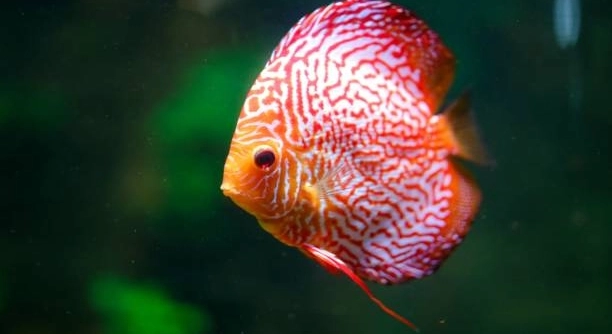
Is your discus fish changing partners in your aquarium? This behavior is seen by many hobbyists and can happen for different reasons. Understanding why discus switch pair partners helps in caring for them better.
It is normal for discus fish to change pair partners occasionally. This behavior can result from environmental factors, social dynamics, or breeding cycles. Changes in tank conditions or compatibility issues often prompt discus to form new pair bonds for better survival and reproduction.
Learning about discus pairing habits can improve your aquarium’s harmony. This article will explain why discus change partners and how to support them during these shifts.
Why Discus Change Pair Partners
Discus fish often change partners because their environment or social situation changes. In an aquarium, discus rely on stable conditions to feel secure. When the water quality shifts or tankmates become aggressive, discus may leave their current partner to find a more compatible one. Sometimes, a discus may not bond well with a particular mate, so it looks for a better match. Breeding is another reason discus switch partners. They may try different mates to improve the chances of successful spawning. Changes in lighting, temperature, or tank layout can also influence their social behavior. These shifts help discus adapt and survive by forming pairs that better fit the current conditions. Understanding these reasons can help hobbyists create a stable and comfortable habitat, reducing unnecessary stress and promoting healthier fish.
This behavior is natural and part of their social structure. Discus are not always loyal to one mate, especially in captivity.
Recognizing signs of partner changes, such as chasing or hiding, allows you to adjust tank conditions. Keeping stable water parameters and providing enough space helps discus form and maintain strong pair bonds. Observing their interactions regularly will let you notice when changes are about to happen. Sometimes separating aggressive fish or rearranging decorations can ease tension. Supporting your discus during these times improves their well-being and encourages healthy breeding. Patience and care go a long way in managing discus partnerships.
How to Support Your Discus During Partner Changes
Discus can be sensitive when they switch partners, so it’s important to keep their environment calm and stable. Avoid sudden changes in water or tank setup during this time.
Providing plenty of hiding spots and maintaining excellent water quality helps discus feel secure. Adding plants or decorations can reduce stress by giving them places to retreat. Feeding a balanced diet supports their health through these social shifts. If you notice aggressive behavior, separating the fish temporarily might be necessary to prevent injury. Regular monitoring is key to catching issues early. By creating a peaceful environment and responding to your discus’ needs, you can help them adjust smoothly to new pairings. This care ensures that your discus remain healthy and comfortable throughout their social changes.
Signs That Discus Are Changing Partners
Discus show clear signs when they are changing partners. These include increased chasing, hiding, or less interest in previous mates. Observing these behaviors early helps manage their social dynamics effectively.
Aggression often rises as discus test new relationships. One fish might chase another more frequently or display flared fins. Sometimes, a discus becomes withdrawn or spends more time hiding behind decorations. Changes in feeding habits can also signal stress from shifting partners. Watching these behaviors closely allows you to adjust the tank environment or separate aggressive individuals if needed. This helps reduce stress and prevent injury during partner changes.
Sometimes discus start building new bubble nests or show increased courtship with different fish. This indicates they are forming a new pair bond. You might notice one discus following another more closely or cleaning its potential mate. These signs mean the fish are ready to breed with a new partner. Supporting this behavior by providing stable conditions encourages successful pairing and breeding in your aquarium.
Impact of Tank Conditions on Pair Changes
Tank conditions have a strong effect on discus pairing behavior. Poor water quality or overcrowding often leads to stress, which triggers partner changes. Stable, clean water and enough space reduce this risk.
Maintaining optimal water parameters is essential to prevent unnecessary partner switching. Discus prefer warm, soft, and slightly acidic water. Regular water changes help keep nitrate and ammonia levels low. Overcrowded tanks increase aggression and competition for mates, causing more frequent pair changes. Providing at least 10 gallons per discus and keeping compatible tankmates supports peaceful social interactions. Adjusting lighting and reducing sudden disturbances also contribute to a calm environment. A well-maintained tank encourages discus to form stable pairs and reduces stress-related behavior. By paying attention to these details, you help your discus thrive and maintain healthy relationships.
How Breeding Cycles Affect Partner Changes
Breeding cycles play a key role in discus partner changes. During breeding, discus may switch partners to improve chances of successful spawning. This is natural behavior linked to reproduction.
Hormonal changes during the breeding season increase social interactions. Discus may test new mates or leave a current partner if conditions aren’t right. This ensures they find the best match for raising healthy offspring.
Managing Aggression During Partner Switches
Aggression can spike when discus change partners. Managing this requires monitoring behavior closely and providing hiding spots to reduce stress.
Separating overly aggressive fish temporarily prevents injuries. Using tank dividers or extra decorations helps create safe spaces. Keeping water quality high supports fish health and calms behavior.
The Role of Tank Size in Partner Stability
Tank size affects discus pair stability. Larger tanks give discus enough space to avoid conflicts and form stronger bonds.
Crowded tanks increase competition and stress, often causing frequent partner changes. Ensuring adequate space helps maintain peaceful pairings and reduces aggressive behaviors.
FAQ
Is it normal for discus to change pair partners frequently?
Yes, it is normal for discus to change partners sometimes. In the wild and in captivity, discus may switch mates to find a better match for breeding or due to social stress. Frequent changes can happen if tank conditions are unstable or if the fish do not feel comfortable with their current partner.
How can I tell if my discus are forming a new pair?
You can notice new pair formations when discus start spending more time together, following each other closely, and showing courtship behaviors like cleaning and nuzzling. They may also build bubble nests together. Watch for reduced aggression between the two fish and more synchronized swimming.
Should I separate discus when they change partners?
Separating discus is only necessary if aggression becomes harmful. Mild chasing is normal during partner changes. However, if chasing leads to injuries or excessive stress, using a divider or temporarily moving one fish to another tank helps protect them. After things calm down, you can reintroduce them gradually.
Can poor water quality cause discus to change partners?
Yes, poor water quality can cause stress that disrupts social bonds. High ammonia, nitrites, or nitrates make discus uncomfortable, which may trigger fights or cause them to leave their partner. Keeping water clean with regular changes and good filtration supports stable pairs and reduces stress.
How important is tank size in discus pairing behavior?
Tank size is very important. Small tanks increase competition and limit space for hiding, which often causes discus to switch partners due to stress. Larger tanks provide room for multiple pairs and reduce aggression. At least 55 gallons is recommended for a small group to encourage stable pair bonds.
Do discus always stay with one partner in the wild?
Discus in the wild do not always stay with one partner. They can switch mates depending on environmental conditions and breeding success. Changing partners helps them adapt to different social or physical situations, improving survival chances.
What can I do to encourage my discus to keep the same partner?
Maintain stable water conditions, provide enough space, and reduce stressors like aggressive tankmates or sudden changes. Adding plenty of hiding spots helps discus feel secure. Feeding a nutritious diet also supports their health and mood, making them less likely to switch partners frequently.
Is it normal for discus to show aggression during partner changes?
Some aggression is normal when discus change partners. They test each other and establish dominance to form a new pair. This behavior usually calms down after the new bond forms. Keep an eye on the fish and intervene only if aggression becomes severe or causes injury.
How long does it take for discus to form a new pair?
Forming a new pair can take days or weeks. It depends on the fish’s personalities, tank environment, and stress levels. Patient observation and maintaining good conditions help the discus settle into their new social structure more quickly.
Can discus have multiple partners at the same time?
Discus generally form one pair at a time, especially when breeding. However, in larger groups or crowded tanks, social dynamics can be more complex, and some fish might interact with multiple potential mates. Providing enough space reduces confusion and encourages stable pairings.
Discus fish are known for their unique social behavior, especially when it comes to pairing with mates. It is normal for discus to change partners from time to time. This behavior happens for many reasons, such as changes in their environment, stress, or natural breeding instincts. When discus feel safe and comfortable, they tend to form more stable pairs. However, if tank conditions are not ideal or if they do not get along well with their current partner, they may look for a better match. Understanding this helps fish keepers provide the best care and environment for their discus.
Keeping the tank clean, well-maintained, and spacious is very important for discus social stability. Poor water quality and overcrowding can increase stress and lead to frequent partner changes. Aggression often rises when discus are uncomfortable or competing for resources. Providing hiding spots and stable water conditions helps reduce tension and encourages discus to settle with their mates. It is also important to watch for signs of stress or aggression and make adjustments if needed. Sometimes separating aggressive fish or rearranging decorations can ease conflicts and support peaceful pair bonds.
Patience and observation are key when dealing with discus partner changes. These fish communicate and establish relationships in their own way, and it takes time for them to adjust to new partners. If you keep their environment calm and stable, discus will likely form healthy and lasting pairs. Supporting their needs through clean water, proper space, and good nutrition helps them stay healthy and happy. By understanding discus behavior and responding thoughtfully, you can create an aquarium where your discus thrive socially and physically.

Hello,
If you enjoy the content that we create, please consider saying a "Thank You!" by leaving a tip.
Every little bit helps us continue crafting quality advice that supports the health, happiness, and well-being of pets around the world, for pets of all shapes, sizes, and species.
We really appreciate the kindness and support that you show us!