
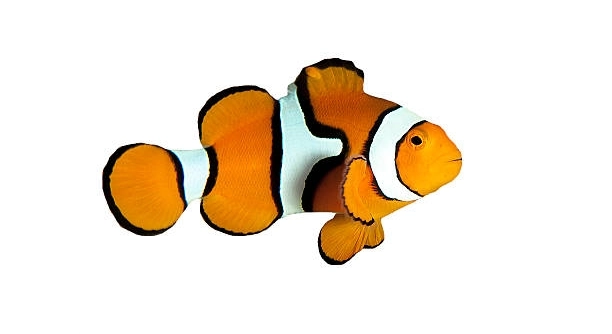
Clownfish are popular in home aquariums, and many owners notice their unique behaviors. One common observation is seeing clownfish resting on the bottom of the tank. This action may cause some concern or curiosity among fish keepers.
It is normal for clownfish to sleep or rest on the bottom of their environment. Clownfish often choose lower areas to rest due to safety and comfort. This behavior reflects natural instincts rather than health issues or stress.
Learning about this behavior can help you better care for your clownfish and feel more confident about their wellbeing. Understanding why they rest on the bottom gives insight into their natural habits and needs.
Why Clownfish Rest on the Bottom
Clownfish often rest on the bottom of the tank because it provides a safe and comfortable spot. In the wild, they find shelter among rocks and coral, so the bottom feels familiar. Resting low also helps them avoid predators and strong currents. When your clownfish settles on the tank floor, it is usually a sign that it feels secure. Sometimes, they pick spots near hiding places or among decorations. This resting behavior is part of their natural routine and not typically a cause for concern. However, sudden or constant bottom resting without movement might signal illness. Observing their overall activity and appetite helps determine if they are healthy. Knowing this behavior makes it easier to provide the right environment for your clownfish, including places to hide and calm water conditions.
Clownfish choose resting spots based on comfort and security, which is why the bottom of the tank is often preferred.
Understanding these resting habits helps you create a better habitat for your clownfish, ensuring their health and happiness.
Signs to Watch for When Clownfish Rest on the Bottom
A clownfish that rests on the bottom occasionally is normal, but persistent inactivity might need attention.
If the fish shows signs like rapid breathing, faded colors, or lack of appetite, it could indicate stress or illness. Poor water quality, tank mates, or illness may cause these changes. Regular tank maintenance and monitoring are important to keep your clownfish healthy. If you notice unusual behavior, testing water parameters and observing the fish closely will help identify problems early. Sometimes, adding more hiding spots or adjusting the tank environment can reduce stress. If symptoms persist, consulting a veterinarian or aquatic specialist is recommended to ensure proper care and treatment. Recognizing the difference between normal resting and signs of distress is key to maintaining a thriving aquarium.
How to Create a Comfortable Environment for Clownfish
Providing a calm, stable environment helps clownfish feel secure and reduces bottom resting caused by stress. Keep water temperature steady between 75–82°F, maintain proper salinity, and perform regular water changes.
Good water quality and plenty of hiding places encourage natural behavior. Decorations like rocks and coral replicas create safe spots for resting. Avoid strong currents, as clownfish prefer gentle water flow. Proper lighting that mimics their natural habitat also supports their well-being. A balanced diet and avoiding overcrowding complete the care routine. When their environment feels right, clownfish tend to rest comfortably without signs of stress or illness.
Monitoring your tank regularly ensures conditions stay ideal. A well-maintained habitat not only supports healthy rest but also encourages activity and vibrant colors in your clownfish.
Feeding Habits and Their Effect on Resting Behavior
Feeding schedules influence clownfish energy levels and rest patterns. Feeding small amounts multiple times a day prevents overeating and promotes regular activity.
Proper nutrition supports overall health and reduces lethargy that can cause excessive resting on the tank bottom. Include a varied diet of high-quality flakes, pellets, and occasional frozen or live food to meet their nutritional needs. Uneaten food should be removed promptly to avoid water quality issues that might stress fish. Healthy clownfish with balanced feeding habits typically show normal resting behavior and active periods throughout the day. Feeding consistency is important to maintain their natural rhythm and encourage normal sleep cycles.
Common Health Issues That Affect Resting Behavior
Illnesses like ich, swim bladder problems, or bacterial infections can cause clownfish to rest unusually on the bottom. Early detection is crucial to prevent worsening conditions.
Stress from poor water quality or aggressive tank mates also impacts resting behavior. Keeping the tank clean and peaceful helps reduce these risks.
Tank Setup Tips for Healthy Clownfish Behavior
Choose a tank size of at least 20 gallons to give clownfish enough space. Use a gentle filtration system to maintain clean water without strong currents. Arrange hiding spots with live rock or decorations to mimic their natural environment. Proper lighting and consistent temperature complete the setup for a healthy tank.
How Lighting Affects Clownfish Resting
Lighting impacts the sleep cycle of clownfish. A consistent day-night cycle helps regulate their resting times and activity levels. Too much light can stress them, while too little may disrupt normal behavior.
When to Seek Professional Help
If your clownfish shows continuous bottom resting combined with loss of appetite or visible illness, professional advice is necessary.
FAQ
Is it normal for clownfish to sleep on the bottom of the tank?
Yes, it is normal for clownfish to rest or sleep on the bottom occasionally. They often choose spots that feel safe and comfortable, like near rocks or decorations. This behavior mimics their natural instincts in the wild, where they rest low among coral and rocks.
How can I tell if my clownfish is resting or sick?
Resting clownfish remain alert and respond to their environment. Sick fish may show signs like faded colors, rapid breathing, or lack of movement. If your clownfish rests on the bottom but is still eating and swimming normally, it is likely resting. Persistent inactivity or other symptoms should prompt closer observation.
What water conditions are best for clownfish health?
Clownfish thrive in saltwater tanks with stable temperatures between 75 and 82°F, proper salinity around 1.020 to 1.025 specific gravity, and clean water with low ammonia and nitrate levels. Regular water changes and good filtration maintain these conditions.
Can stress cause clownfish to rest more than usual?
Yes, stress from poor water quality, aggressive tank mates, or sudden changes in environment can cause clownfish to rest more or stay at the bottom. Reducing stress by improving water quality and providing hiding spaces helps them feel safe and active.
Should I change feeding habits if my clownfish rests a lot?
Adjusting feeding to smaller, more frequent meals can help maintain energy levels and promote normal activity. Overfeeding can lead to lethargy and poor water quality, while underfeeding can weaken fish. A balanced diet with varied food supports good health.
What signs indicate urgent health issues in clownfish?
Signs like constant bottom resting combined with clamped fins, loss of appetite, visible spots, or labored breathing require prompt action. These symptoms may indicate infections or other health problems needing treatment from a professional.
Is tank size important for clownfish behavior?
Yes, a tank of at least 20 gallons provides enough space for clownfish to swim and explore. Smaller tanks may cause stress and limit natural behavior, including resting patterns.
How do hiding spots affect clownfish resting habits?
Hiding spots provide security and comfort, encouraging clownfish to rest naturally. Without enough places to hide, fish may feel exposed and stressed, affecting their resting behavior.
Does lighting impact clownfish sleep?
Consistent lighting with a regular day-night cycle supports normal sleep patterns. Too bright or irregular lighting can disrupt their resting schedule and cause stress.
Can clownfish rest on decorations other than the tank bottom?
Yes, clownfish often rest on rocks, coral, or anemones if available. They choose places that feel safe and allow easy escape from threats.
How often should I check my clownfish’s behavior?
Regular daily observation helps you notice changes in resting or activity that could signal health or environmental issues. Early detection leads to better care.
Are there natural signs that show a clownfish is comfortable in its tank?
Active swimming, bright colors, normal feeding, and occasional resting in safe spots indicate comfort. Calm behavior and interaction with the environment also show good wellbeing.
What should I do if my clownfish rests excessively without other symptoms?
Monitor water quality and tank conditions closely. Ensure proper diet, lighting, and hiding spots. If behavior doesn’t improve, consult an aquatic specialist.
Can other fish affect clownfish resting behavior?
Aggressive or territorial tank mates can stress clownfish, leading to unusual resting or hiding. Keeping compatible species together minimizes stress.
Is it normal for clownfish to rest during the day?
Clownfish may rest or be less active during parts of the day, especially if lighting simulates natural conditions. They are not strictly nocturnal but do have rest periods.
What role does water flow play in clownfish comfort?
Gentle water flow suits clownfish best. Strong currents can tire them and cause stress, affecting resting habits.
How can I improve my clownfish’s tank environment for better rest?
Maintain water quality, provide hiding places, regulate lighting, and keep tank mates peaceful. Regular cleaning and monitoring ensure a stable environment.
Are there specific foods that help clownfish stay healthy and active?
High-quality flakes, pellets, and occasional frozen or live foods like brine shrimp support health. Variety ensures balanced nutrition, which promotes normal behavior.
Is it necessary to quarantine new clownfish before adding them to the tank?
Yes, quarantining new fish helps prevent disease introduction. It ensures your clownfish remain healthy and reduces stress-related resting behavior.
How long do clownfish typically sleep?
Clownfish do not have deep sleep like mammals but rest for several hours, usually at night or during quieter parts of the day. Rest periods vary by individual and environment.
Clownfish resting on the bottom of the tank is generally a normal behavior. It often reflects their natural instinct to find a safe, comfortable place to rest. In the wild, clownfish seek shelter among rocks and coral, so resting low in the environment is familiar and reassuring to them. When you see your clownfish resting on the tank floor, it usually means they feel secure and relaxed. This behavior is not automatically a sign of illness or poor conditions. However, it is important to observe your fish regularly for any other signs that could indicate a health problem or stress, such as changes in appetite, color, or movement.
Creating and maintaining a suitable environment is key to supporting your clownfish’s health and natural behavior. Keeping the water clean and stable, providing plenty of hiding spots, and maintaining proper temperature and lighting help your clownfish feel comfortable. Feeding them a balanced diet in moderate amounts encourages normal activity and prevents lethargy. Clownfish that have the right conditions in their tank tend to rest normally without prolonged periods on the bottom. If your fish begins to rest excessively or shows other signs of distress, it is a good idea to check water quality and tank mates, and to consider consulting a specialist if needed.
Understanding clownfish behavior and their resting habits makes it easier to care for them properly. Resting on the bottom is often a sign of comfort rather than a problem. By observing your fish and maintaining a healthy tank environment, you can help ensure they stay active, healthy, and stress-free. Paying attention to these details allows you to enjoy the company of your clownfish while giving them the best care possible.

Hello,
If you enjoy the content that we create, please consider saying a "Thank You!" by leaving a tip.
Every little bit helps us continue crafting quality advice that supports the health, happiness, and well-being of pets around the world, for pets of all shapes, sizes, and species.
We really appreciate the kindness and support that you show us!