
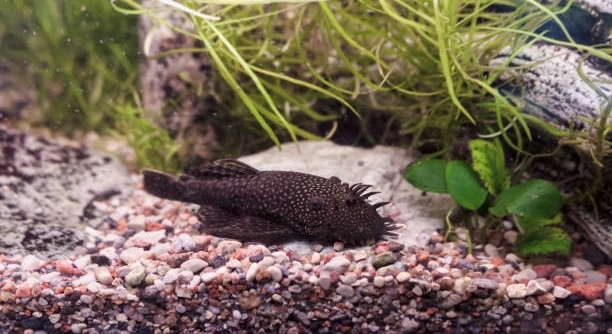
Have you ever walked past your aquarium and noticed your pleco floating oddly at the top of the tank?
Floating behavior in plecos is not considered normal and is often a sign of an underlying health issue. Common causes include swim bladder disorders, digestive problems, or poor water conditions that can affect buoyancy.
Understanding what causes this behavior can help you respond quickly and keep your pleco safe, healthy, and comfortable in its environment.
Why Is My Pleco Floating?
When a pleco starts floating, it’s often linked to a swim bladder disorder. The swim bladder is a small internal organ that helps the fish control its buoyancy. If something affects it—like infection, physical injury, or bloating from overeating—the fish may lose balance and float abnormally. In many cases, poor water quality or a sudden change in tank conditions can also trigger this behavior. Uneaten food and waste build-up can create a toxic environment that puts extra stress on your fish. Some plecos may appear to float after a large meal due to temporary gas buildup, especially if they’ve eaten too quickly or swallowed air while feeding at the surface. If your pleco is stuck floating upside down or struggling to swim properly, that’s a clear sign something is wrong. Keeping a close eye on their behavior and environment is the first step to figuring out what’s happening and what needs to be done.
Look for signs like bloating, lack of appetite, or your pleco hanging near the top for long periods without swimming normally.
A pleco floating due to swim bladder issues may also tilt sideways or seem to bob uncontrollably. These signs often show up suddenly, especially after feeding or water changes.
Taking quick action matters. If poor water conditions are the problem, test your tank water and perform a partial change. If it’s diet-related, try fasting your pleco for a day or two. Feeding blanched vegetables like peas can help with digestion and ease pressure on the swim bladder. Avoid floating pellets or flakes if you think your pleco is swallowing too much air. Instead, go for sinking foods that stay on the bottom. If you suspect infection, observe your fish carefully and look for signs like red streaks, ulcers, or abnormal waste. In those cases, a vet or experienced aquarist may recommend antibiotics or other treatments. While not all cases are serious, floating should never be ignored. Small changes can make a big difference when caught early.
How to Help a Floating Pleco
Start by testing the water quality to rule out environmental causes like ammonia spikes or low oxygen levels.
If the water tests come back normal, consider adjusting your pleco’s diet. Feed smaller portions and offer more fiber-rich foods like zucchini, peas, or cucumber. Avoid overfeeding and reduce foods that float. Switch to sinking wafers to prevent them from gulping air. If you’ve made diet changes and there’s no improvement, fasting your pleco for 24–48 hours can help clear mild digestive problems. Make sure the tank is well-aerated and the filter is working properly. Observe if your pleco seems distressed or stays upside down—this may need more urgent attention. Medicated baths or isolation tanks can be helpful in some cases, especially if infection is suspected. Most importantly, keep a close eye on your pleco’s behavior and act quickly if things worsen. Preventing future problems comes down to consistent feeding routines, clean water, and offering a balanced diet that supports proper digestion and swim function.
Can a Floating Pleco Still Eat?
A pleco that’s floating may still eat, but that doesn’t always mean everything is fine. If the issue is mild or temporary, it might continue to eat normally. But if the problem worsens, appetite usually drops.
If your pleco is floating but still eating, keep a close eye on how much and how often it eats. You might notice it struggling to reach food or having trouble staying at the bottom where it usually feeds. This can lead to stress and discomfort, even if it seems interested in food. Try feeding it sinking vegetables or soft pellets to make it easier to reach food without swallowing air. Watching your pleco during feeding time can give helpful clues. If it’s eating less than usual, or seems to chew and spit out food often, it could be a sign that the problem is growing worse.
Even if your pleco eats, floating may still be a sign of something that needs attention. Eating doesn’t always mean it’s healthy. Some plecos will keep eating out of instinct, even while feeling unwell. If your fish is floating and eating but still acting strange—like swimming in circles or flipping—there could be a bigger issue with digestion or internal organs. A small blockage in the gut or inflammation can cause pressure on the swim bladder, leading to floating while eating continues. Keeping a feeding schedule and offering gentle, easy-to-digest food can reduce stress and help recovery. Watch for long-term changes, not just short-term behavior.
When to Worry About a Floating Pleco
If your pleco has been floating for more than a day, shows signs of distress, or is not swimming normally, it’s time to take action. Bloating, flipping, or a curved spine may mean the issue is more serious.
In more severe cases, floating is linked to infections or internal organ issues. This includes bacterial infections affecting the swim bladder or digestive tract. Plecos with serious swim problems may isolate themselves or stop eating entirely. A bent posture, clamped fins, or cloudy eyes can also signal declining health. Check water parameters right away—especially ammonia and nitrite levels. Poor water makes any illness worse. If there’s no improvement after adjusting diet and water conditions, it may be time to contact an aquatic vet or experienced fishkeeper. Early action gives your pleco the best chance to recover. Waiting too long can lead to permanent damage or a much harder recovery process.
Common Mistakes That Can Make Things Worse
Feeding floating foods too often can make your pleco swallow air, which may lead to floating. Overfeeding in general causes bloating and digestive stress, especially if the tank is not cleaned regularly.
Skipping water changes or using untreated tap water can mess with tank stability. This can quickly affect your pleco’s health, especially if ammonia or nitrites rise too high.
Tips to Prevent Future Floating Issues
Offer your pleco a balanced diet with fiber-rich vegetables like zucchini, peas, and spinach. Stick to sinking foods that stay at the bottom to avoid air intake during feeding. Feed small portions once a day and avoid overfeeding. Clean the tank regularly, and do partial water changes weekly to keep ammonia and nitrate levels in check. Monitor water temperature and pH to make sure they stay stable. Sudden changes can shock your pleco and cause physical stress. A peaceful tank with good hiding spots also reduces stress, helping your pleco stay healthy overall.
Final Thought on Floating Plecos
Floating behavior should always be taken seriously. Early attention and a few simple changes can often help your pleco recover and stay healthy.
FAQ
Can plecos float temporarily after eating?
Yes, some plecos may float for a short time after eating, especially if they swallow air with floating foods. This is usually not serious and goes away on its own within a few hours. To help avoid it, stick to sinking food options and feed in small amounts. If the floating happens often or lasts longer, it may point to digestive issues or something more serious that needs attention.
What is swim bladder disorder, and how does it affect plecos?
Swim bladder disorder affects a fish’s ability to control its balance and movement. In plecos, it can cause them to float, tilt, or have trouble swimming straight. It’s often caused by bloating, infections, or injury. A pleco with swim bladder issues may look swollen, float upside down, or have difficulty reaching the tank bottom. Treating it usually includes adjusting the diet, improving water quality, and sometimes using special treatments if an infection is involved. Acting early helps prevent it from getting worse.
Can poor water quality cause a pleco to float?
Yes, bad water quality is one of the main reasons plecos develop health problems, including floating. High ammonia or nitrite levels can damage internal organs and lead to swim bladder issues. Sudden changes in temperature or pH can also stress your fish and affect their behavior. Test your water often, do regular partial water changes, and clean the filter as needed. Clean, stable water is the best way to keep your pleco healthy and swimming normally.
Is it normal for a pleco to rest still at the top of the tank?
No, plecos usually prefer staying near the bottom where they can hide or feed. If you see your pleco floating or resting near the top for long periods, something might be off. It could be gas buildup, swim bladder trouble, or low oxygen levels. Check the water conditions, observe feeding habits, and make sure there’s enough aeration. If it keeps happening, take a closer look at diet and behavior to catch any issues early.
Can a bloated pleco recover without medication?
In mild cases, yes. A bloated pleco caused by overeating or swallowing air may recover with a short fasting period and a change in diet. Feeding peeled, cooked peas can help clear out the digestive system. Make sure the tank is clean, and stick to foods that sink. If the bloating doesn’t go down or if other symptoms appear, it may be time to seek help or consider treatments. Early changes can make a big difference.
Should I separate a floating pleco from other fish?
If your pleco is floating but still eating and behaving normally, you may not need to separate it right away. However, if it shows signs of distress, illness, or if other fish are picking on it, it’s safer to move it to a separate tank. This makes it easier to monitor feeding, behavior, and apply treatment if needed. A hospital tank with clean water and minimal stress can help speed up recovery.
Do plecos float when they are dying?
Floating can be a sign of serious health problems in a pleco, especially if it’s paired with symptoms like loss of appetite, pale color, or strange swimming. It doesn’t always mean the fish is dying, but it should never be ignored. If your pleco is floating for days, not eating, and showing other signs of illness, it’s important to act fast. Improving water conditions, changing diet, or getting help from a vet may be needed.
How long should I wait before treating a floating pleco?
If your pleco has been floating for more than 24 hours, and you’ve already checked the water and feeding habits, it’s time to act. Try fasting the fish, offering easier-to-digest foods like peas, and doing a water change. If the floating continues or gets worse, consider isolating the fish or using treatments. The earlier you respond, the better the outcome for your pleco.
Final Thoughts
Seeing your pleco float in the tank can be surprising, especially if it happens suddenly. While some floating can be harmless and pass quickly, it’s usually a sign that something needs attention. Plecos are bottom-dwelling fish by nature. When they spend time at the top or float uncontrollably, it usually means something isn’t right with their body or their environment. Swim bladder issues, poor diet, or water quality problems are often to blame. The good news is that many of these issues can be fixed with a few simple changes, especially if you catch them early.
Paying attention to feeding habits and tank conditions is one of the easiest ways to prevent floating. Feeding your pleco a balanced diet of sinking foods and vegetables helps avoid bloating and gas. Cleaning the tank often and testing the water regularly also reduces the chances of swim bladder problems. These small actions go a long way in keeping your fish healthy. If your pleco starts floating, acting quickly with gentle steps like fasting or offering blanched peas can make a real difference. It may feel worrying at first, but most cases improve once the cause is found and corrected.
Remember, not all floating means a serious illness—but it should never be ignored. Watch for other signs like loss of appetite, curved posture, or isolation from the rest of the tank. If you notice more than one symptom or the behavior continues, it’s okay to reach out for help from someone experienced. Owning a pleco means checking in on them now and then, keeping their space clean, and making sure they get the right kind of food. With some care and consistency, your pleco can stay comfortable and active for years. Floating may look strange, but in many cases, it’s just your fish letting you know it needs a little help.

Hello,
If you enjoy the content that we create, please consider saying a "Thank You!" by leaving a tip.
Every little bit helps us continue crafting quality advice that supports the health, happiness, and well-being of pets around the world, for pets of all shapes, sizes, and species.
We really appreciate the kindness and support that you show us!