
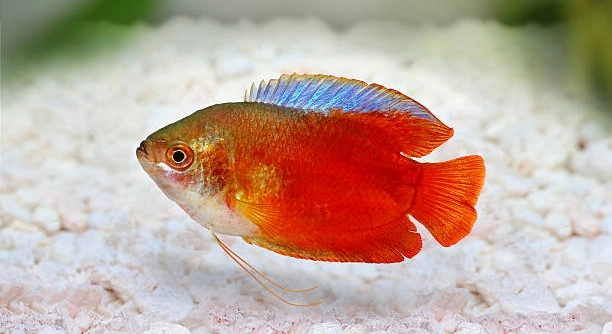
Is your gourami spending most of the day tucked away in its hiding spots? Many fish owners notice this behavior and wonder whether it is a normal part of their pet’s routine or something more concerning.
Gouramis hiding for extended periods is generally normal and can be attributed to natural instincts, stress reduction, or environmental factors. Ensuring proper tank conditions, compatible tank mates, and adequate hiding places supports their well-being and reduces excessive hiding behavior.
Understanding why your gourami retreats can help you create a more comfortable and balanced aquarium environment for your pet to thrive.
Common Reasons Gouramis Hide
Gouramis may hide for several reasons, most of which are linked to their natural instincts or environmental needs. Stress is a major factor, often caused by sudden changes in the tank, aggressive tank mates, or overcrowding. Providing enough space and hiding spots helps reduce anxiety. Water quality is equally important. High ammonia, nitrite, or nitrate levels can make your fish retreat into corners or behind plants. Temperature fluctuations also play a role. Gouramis prefer stable, warm water, and sudden drops or spikes can cause them to seek shelter. Illness or injury is another reason for hiding. If your fish is lethargic or showing unusual swimming patterns, it may be unwell. Even normal behavior can involve hiding, as gouramis naturally seek quiet spaces to rest or observe their surroundings. Offering plants, caves, and floating decorations allows them to feel secure while still exploring their environment.
Consistent monitoring of water and tank conditions often resolves most hiding behavior quickly.
Keeping your gourami comfortable involves creating a calm tank with proper lighting, plants, and decorations. Balanced feeding and compatible tank mates also encourage them to be more active.
When Hiding Indicates a Problem
Extended hiding may signal stress, poor water conditions, or illness. Immediate action can prevent further health decline.
Stress-related hiding often arises from incompatible tank mates or sudden environmental changes. Gouramis are sensitive to loud noises, strong water currents, and rapid light changes. Illness can show subtle signs like color fading, clamped fins, or reduced appetite. Observing these behaviors early allows for timely treatment. Water quality must be tested regularly. High levels of ammonia, nitrites, or nitrates are harmful and lead to prolonged hiding. Adjusting temperature to a stable range also reduces stress. Overcrowded tanks limit swimming space and increase anxiety, so ensuring adequate space is essential. Providing ample hiding spots allows gouramis to feel secure while exploring when comfortable. Regular feeding schedules and avoiding sudden diet changes support their health. Paying attention to behavior patterns over time helps distinguish normal hiding from warning signs of deeper issues, allowing for appropriate corrective measures to maintain a healthy tank.
Creating a Comfortable Environment
Providing plenty of hiding spots helps gouramis feel safe and reduces stress. Plants, caves, and floating decorations allow them to retreat when needed while still exploring the tank.
A balanced tank setup is essential. Plants not only provide shelter but also improve water quality by absorbing nitrates. Floating plants help reduce light intensity, creating a natural feel for your gourami. Decorations such as small caves or tunnels give them places to rest and observe their surroundings safely. Ensure these hiding spots are spread throughout the tank so your fish can choose where to feel most secure. Proper spacing and placement also prevent territorial disputes between tank mates, which can increase hiding behavior. By maintaining stable water conditions, regular cleaning, and adequate feeding, you create a supportive environment that encourages natural activity without constant stress.
Adjusting water parameters is equally important. Maintaining a stable temperature, proper pH, and clean water helps your gourami stay healthy and more active. Consistent tank care reduces prolonged hiding behavior, making your fish more confident and interactive over time.
Feeding and Interaction Tips
A regular feeding schedule encourages gouramis to come out of hiding and engage with their environment.
Feeding at consistent times helps your gourami anticipate meals and reduces anxiety. Offer a varied diet, including flakes, pellets, and occasional live or frozen foods, to meet nutritional needs. Avoid overfeeding, as leftover food can harm water quality. Interacting gently by observing without tapping on the glass or creating sudden movements also helps them feel safe. Using feeding tools like tweezers for live foods allows your fish to engage naturally while exploring. Gradually, your gourami will become more comfortable venturing out from hiding spots to eat and interact, building confidence and reducing stress. Maintaining a calm, predictable routine encourages a healthy balance between hiding and active behavior, supporting overall well-being in your tank.
Understanding Gourami Behavior
Gouramis are naturally shy and enjoy secluded spots. Hiding helps them feel secure and reduces stress in a busy tank environment.
They may retreat more often when introducing new tank mates or rearranging decorations. Providing stable surroundings encourages confidence and gradual exploration over time.
Monitoring Health Signs
Changes in hiding patterns can indicate health issues. Watch for signs like faded colors, clamped fins, or sluggish movement. These may signal stress, poor water conditions, or illness. Early detection allows for timely adjustments or treatment to keep your gourami healthy and active.
Tank Setup Considerations
Proper tank size and layout influence hiding behavior. Overcrowding or lack of hiding spaces increases stress and encourages prolonged hiding.
Creating multiple resting and retreat areas ensures your gourami feels secure while exploring the tank. Spacing decorations and plants strategically supports natural behavior and reduces territorial disputes.
FAQ
Is it normal for a gourami to hide all day?
Yes, it is normal for gouramis to spend significant time hiding. They are naturally shy fish and feel safer in secluded areas. Hiding reduces stress and allows them to observe their surroundings without feeling threatened. Proper hiding spots, stable water conditions, and compatible tank mates help maintain this behavior as healthy.
What are the main reasons my gourami hides constantly?
Stress, poor water quality, illness, or aggressive tank mates are the primary reasons. Sudden changes in light, temperature, or tank layout can also trigger hiding. Providing plants, caves, and floating decorations helps your fish feel secure while reducing unnecessary stress. Regular water testing ensures a healthy environment.
How do I know if hiding is a problem?
If your gourami hides continuously and shows signs like faded colors, clamped fins, loss of appetite, or erratic swimming, it could indicate stress or illness. Consistent observation and attention to water quality, tank mates, and diet are necessary to detect potential problems early.
Can tank mates affect hiding behavior?
Yes, aggressive or overly active fish can stress gouramis and make them retreat more often. Choosing peaceful tank mates and ensuring enough space reduces competition for territory and promotes comfort. Even normally compatible fish may trigger hiding if the tank is overcrowded.
Does tank size matter for hiding?
Absolutely. A cramped tank limits swimming space and increases anxiety, causing gouramis to hide more. A larger tank with multiple hiding spots allows them to explore safely while maintaining security. Plants, caves, and tunnels improve comfort and reduce stress.
How can I encourage my gourami to be more active?
Consistent feeding schedules, gentle interaction, and stable environmental conditions encourage exploration. Offering varied foods like flakes, pellets, or occasional live or frozen foods can stimulate natural foraging behavior and help your gourami venture out of hiding.
Is hiding linked to breeding behavior?
Yes, male gouramis may hide when building bubble nests or preparing for spawning. They often choose secluded areas for nest construction and will retreat until the female is ready to interact. Providing floating plants and calm spaces supports this natural behavior without causing stress.
Does water temperature affect hiding?
Temperature fluctuations can increase hiding behavior. Gouramis prefer stable, warm water. Sudden drops or spikes in temperature make them seek shelter. Regular monitoring and using heaters or thermostats to maintain a consistent temperature ensures comfort and activity.
Can hiding indicate illness?
Extended hiding combined with lethargy, rapid breathing, or unusual swimming patterns may signal illness. Early signs include clamped fins, discoloration, or loss of appetite. Prompt water testing, observation, and possible treatment help prevent worsening conditions.
How often should I check my gourami while it hides?
Frequent observation without disturbing the tank is ideal. Monitoring from a distance ensures your fish is healthy and behaving normally. Avoid tapping the glass or making sudden movements, as these actions increase stress and encourage hiding.
Are floating plants beneficial for hiding behavior?
Yes, floating plants reduce light intensity and provide cover, creating a natural, secure environment. They help gouramis feel less exposed and encourage more balanced activity, reducing excessive hiding while supporting mental and physical well-being.
Can diet influence hiding?
A poor or inconsistent diet may increase stress and hiding. Feeding a varied, balanced diet on a regular schedule promotes confidence and activity. Avoid overfeeding, as uneaten food can deteriorate water quality, indirectly affecting your gourami’s comfort and willingness to explore.
What should I do if my gourami hides more than usual?
Check water quality, temperature, tank mates, and decorations first. Look for signs of illness or stress. Adjust conditions as needed, provide additional hiding spots, and maintain a calm, consistent environment to encourage normal activity. Observation and patience are key to restoring balance.
How long is it normal for a gourami to hide each day?
Many gouramis naturally spend a large portion of the day in hiding, especially during resting periods or after feeding. As long as they occasionally swim, eat, and interact with their environment, this behavior is generally normal and healthy.
Can lighting affect hiding behavior?
Bright or fluctuating light can make gouramis feel exposed. Dimmer lighting or shaded areas created by plants and decorations encourage them to explore while still feeling secure. Gradual adjustments prevent stress and support natural behavior.
Does age affect hiding tendencies?
Younger gouramis may hide more as they adapt to their environment, while older fish may prefer familiar hiding spots. Providing consistent conditions and safe spaces supports both juveniles and adults in expressing natural behaviors without excessive stress.
Are there signs that a gourami is stressed while hiding?
Rapid gill movement, erratic swimming, clamped fins, and faded coloration indicate stress. Even if the fish stays hidden, these signs suggest environmental or social factors need adjustment to maintain well-being.
How important is tank decoration for hiding behavior?
Decorations are crucial. Caves, tunnels, and plants allow gouramis to feel secure. Multiple hiding areas distributed across the tank prevent territorial conflicts and give your fish the option to retreat safely, promoting a calmer, healthier environment.
Can I handle my gourami while it is hiding?
Handling is not recommended. Gouramis are delicate and hiding indicates they feel threatened. Disturbing them can increase stress, lead to injury, or worsen hiding tendencies. Observing quietly is the best approach for maintaining comfort and health.
Is hiding more common in certain gourami species?
Yes, dwarf gouramis and pearl gouramis are naturally more timid and prone to hiding than larger or more active species. Understanding the temperament of your specific species helps provide the right environment and reduces unnecessary stress.
Does water flow affect hiding?
Strong currents can make gouramis seek shelter. They prefer gentle water flow that mimics natural conditions. Adjusting filtration and positioning decorations to reduce strong currents encourages them to explore more freely while staying safe.
How can I differentiate normal hiding from problematic behavior?
Normal hiding involves occasional activity, feeding, and interaction with the environment. Problematic behavior includes prolonged inactivity, loss of appetite, color changes, or abnormal swimming. Monitoring patterns over time helps identify potential issues and ensures your gourami remains healthy and stress-free.
Are there ways to reduce hiding without stressing the fish?
Yes, provide consistent care, gentle feeding, varied hiding spots, and stable water conditions. Avoid sudden changes, overcrowding, or aggressive tank mates. Gradual environmental improvements encourage confidence and balanced activity while respecting natural instincts.
What role does tank maintenance play in hiding behavior?
Regular cleaning, water testing, and filter maintenance prevent stress and poor water quality. A well-maintained tank creates a stable, comfortable environment that reduces excessive hiding and supports overall health, allowing your gourami to explore confidently.
Can interaction with humans affect hiding?
Yes, frequent tapping or sudden movements can increase hiding. Quiet observation and gentle routines help gouramis feel safe. Over time, they may become more comfortable and venture out without fear, balancing hiding and active behavior naturally.
How do I support a newly introduced gourami?
Provide plenty of hiding spots, stable water conditions, and minimal disturbance. New gouramis often hide while adjusting. Gradually introducing tank mates and maintaining a calm environment encourages exploration and reduces stress-related hiding.
Is it normal for gouramis to hide at certain times of the day?
Yes, gouramis may hide more during bright light periods or resting phases. They naturally seek shelter during these times, emerging to feed or interact when conditions feel safe and comfortable.
Gouramis are naturally shy fish that rely on hiding to feel safe and secure. This behavior is normal and serves as a way for them to observe their environment while minimizing stress. Many gouramis spend a large portion of the day tucked away in plants, caves, or other decorations, and this is a natural part of their routine. Providing a well-planned tank with multiple hiding spots allows your fish to retreat when needed while still having the freedom to explore. Over time, a stable environment encourages them to balance hiding with periods of activity.
It is important to pay attention to water quality and tank conditions when considering hiding behavior. Poor water conditions, sudden temperature fluctuations, or strong currents can make gouramis feel threatened, increasing the amount of time they spend hiding. Maintaining consistent temperature, regular water changes, and proper filtration helps create a calm and healthy environment. Tank size and decoration placement also play a key role. Providing plants, caves, and floating decorations allows your gourami to feel secure without feeling confined. Proper spacing and gentle lighting support natural behavior and reduce unnecessary stress, ensuring your fish remains healthy and active over time.
Observing your gourami’s behavior is essential to distinguishing normal hiding from signs of stress or illness. If your fish continues to hide but shows normal swimming, eating, and interaction patterns, it is generally not a cause for concern. However, prolonged hiding combined with clamped fins, faded colors, or lack of appetite may indicate a problem. Consistent observation, gentle interaction, and a well-maintained environment are key to supporting your gourami’s health. By offering hiding spots, stable conditions, and proper care, you can help your fish feel comfortable, reduce unnecessary stress, and promote a balanced lifestyle in the tank. This approach ensures your gourami thrives while maintaining its natural instincts and peaceful behavior.

Hello,
If you enjoy the content that we create, please consider saying a "Thank You!" by leaving a tip.
Every little bit helps us continue crafting quality advice that supports the health, happiness, and well-being of pets around the world, for pets of all shapes, sizes, and species.
We really appreciate the kindness and support that you show us!