
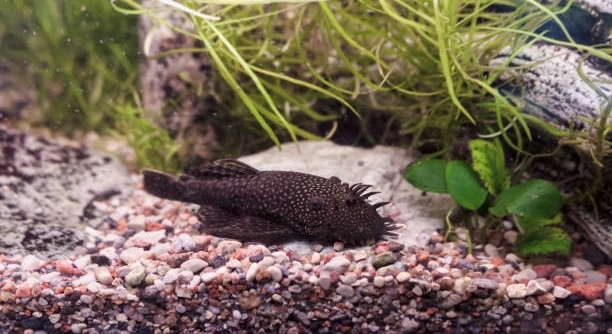
Plecos are popular aquarium fish known for their algae-eating habits, but sometimes they engage in other activities. One common behavior is eating fish waste, raising questions about its impact on their health and well-being.
Plecos eating fish poop is not inherently harmful to them. As scavengers, they naturally consume detritus in their environment, including feces. While this behavior may seem unappealing, it is a part of their normal diet in the wild, contributing to a cleaner tank.
However, there are certain factors to consider to ensure your plecos stay healthy.
Why Do Plecos Eat Fish Poop?
Plecos are often seen eating the waste in their tanks, which may look unpleasant to some, but it’s part of their natural behavior. In the wild, they scavenge the bottoms of rivers and lakes, consuming leftover food and waste from other creatures. This behavior helps keep their environment clean by preventing detritus from building up.
While it might seem gross, it’s important to understand that plecos are opportunistic feeders. They consume whatever is available in their habitat, including fish poop. This doesn’t usually harm them, as their digestive system is adapted to handle such waste. In fact, it’s normal for plecos to be drawn to any organic matter that decomposes in the tank.
However, if your plecos are eating too much fish poop, it could indicate a larger issue with your aquarium’s maintenance. Consistently dirty tanks can lead to poor water quality, which affects the health of all the fish living there. Keeping a clean environment is key for their well-being.
Is It a Sign of an Unhealthy Tank?
A pleco eating waste could be a signal that the tank isn’t being cleaned properly. In a healthy aquarium, there should be minimal organic waste left in the water, as it would be broken down by beneficial bacteria or consumed by the plecos and other cleaners.
Maintaining your tank’s cleanliness will prevent excess waste buildup and help keep the plecos from relying too heavily on consuming fish feces. Proper water changes, filtration, and regular cleaning are crucial for creating a healthy and balanced aquarium.
Potential Risks of Fish Poop Consumption
Plecos eating fish poop can sometimes lead to health issues. If the waste contains harmful bacteria or parasites, it could make your pleco sick. This is especially a concern in overstocked tanks where the risk of contamination is higher.
To reduce the risks, ensure the tank is regularly cleaned and the water is changed. Keep an eye on your plecos for any signs of illness, such as loss of appetite, lethargy, or abnormal behavior. A well-maintained tank minimizes the chances of waste carrying harmful pathogens. Proper filtration and water quality management are key in preventing these risks.
Plecos rely on the natural cleaning process to maintain a healthy environment, but their health can also be affected by the cleanliness of their surroundings. If waste builds up too much, it may contain harmful substances like ammonia or nitrates that could compromise your pleco’s immune system. Regular water testing can help detect problems early.
How to Maintain a Clean Tank
To avoid your plecos from eating fish poop, focus on regular tank maintenance. Ensure the filtration system is working properly and clean it as needed. Perform water changes regularly to remove excess waste from the tank.
A good rule of thumb is to replace 20-30% of the tank water every week. This helps dilute any harmful substances that may build up in the water and provides fresh water for the plecos and other fish. Removing any leftover food after feeding can also reduce waste and prevent uneaten food from decaying in the tank.
How to Encourage Plecos to Stop Eating Fish Poop
If you want to stop your plecos from eating fish poop, ensure there’s minimal waste in the tank. Use a vacuum to clean the substrate and remove debris. Adding more live plants can also help absorb excess nutrients that contribute to waste buildup.
Another way to prevent this behavior is to ensure your plecos are getting enough food. Provide a balanced diet that includes algae wafers and other appropriate supplements. This way, they’re less likely to resort to scavenging for fish poop, and it helps them stay healthier in the long run.
The Importance of a Balanced Diet for Plecos
Plecos are primarily algae eaters but need a balanced diet for optimal health. In addition to algae, provide high-quality sinking pellets, vegetables, and occasional protein-rich foods like shrimp or worms. A varied diet ensures they get all the necessary nutrients.
Feeding plecos regularly can also prevent them from seeking out fish waste. When they have enough to eat, they’re less likely to scavenge for leftovers. It’s important to avoid overfeeding, though, as excess food can lead to water quality issues. Monitor their eating habits to ensure they’re receiving a healthy and balanced diet.
How to Monitor Tank Health
Regular monitoring of your tank’s health is essential for maintaining a clean environment. Test the water quality weekly, checking for ammonia, nitrites, and nitrates. Proper filtration is crucial for keeping harmful substances at bay. Additionally, keep track of your plecos’ behavior to spot any signs of illness early.
FAQ
Is it safe for plecos to eat fish poop?
Plecos eating fish poop is generally safe, as they are natural scavengers. In the wild, they consume detritus, including fish waste, as part of their diet. However, there are risks if the waste contains harmful bacteria or parasites. It’s essential to maintain a clean tank to minimize these risks. Regular water changes, proper filtration, and substrate cleaning will help keep your plecos healthy and prevent any potential health issues from contaminated waste.
Do plecos need to eat fish poop to survive?
No, plecos do not need to eat fish poop to survive. While they may naturally consume waste in their environment, their primary diet should consist of algae, plant matter, and occasional protein sources. A varied diet ensures they receive the nutrients needed for optimal health. If your plecos are eating fish poop excessively, it might be a sign that their diet is lacking or their tank cleanliness needs attention.
Can eating fish poop make plecos sick?
Yes, eating fish poop can make plecos sick if the waste contains harmful bacteria, parasites, or toxins. Dirty tanks with a high concentration of waste increase the likelihood of contamination, which could lead to digestive or other health issues in plecos. Ensuring regular tank cleaning and monitoring water quality is crucial to prevent any potential health problems.
How can I stop my pleco from eating fish poop?
To stop your pleco from eating fish poop, focus on keeping the tank clean and ensuring they are properly fed. Remove leftover food promptly and vacuum the substrate regularly to prevent waste buildup. A balanced diet that includes algae wafers, fresh vegetables, and protein-rich foods will keep your pleco satisfied and less likely to scavenge for fish waste. Adequate filtration and frequent water changes also help maintain a healthy environment, reducing the need for plecos to eat waste.
What should I feed my pleco to prevent them from eating fish poop?
To prevent your pleco from eating fish poop, provide a well-rounded diet that includes algae wafers, sinking pellets, fresh vegetables like zucchini or cucumber, and occasional protein like shrimp or worms. A healthy and balanced diet ensures your pleco gets all the nutrients they need, reducing their urge to scavenge for waste.
Do plecos clean the tank by eating fish poop?
While plecos help clean the tank by eating algae and debris, they do not perform a full cleaning job by eating fish poop. Their scavenging behavior does contribute to reducing waste, but it is not enough to maintain a clean tank on its own. You will still need to regularly clean the tank, remove uneaten food, and perform water changes to ensure a healthy environment for your fish.
How often should I clean my tank if I have plecos?
If you have plecos, you should clean your tank at least once a week. Perform partial water changes (about 20-30% of the tank’s volume) and vacuum the substrate to remove any organic waste. Clean the filter regularly to ensure it’s functioning efficiently. In addition to this routine cleaning, check the water parameters (ammonia, nitrites, nitrates) weekly to ensure your plecos and other tank inhabitants stay healthy.
Can plecos eat too much algae or waste?
Yes, plecos can eat too much algae or waste, which may lead to overconsumption of certain substances that could affect their health. For example, consuming excessive algae might lead to digestive issues, and relying too much on waste can cause them to ingest harmful pathogens. Providing a balanced diet, along with regular tank maintenance, will help ensure your pleco doesn’t overeat algae or fish poop and stays healthy.
Is it normal for plecos to eat fish poop daily?
It’s normal for plecos to consume fish poop occasionally, but it shouldn’t be a daily occurrence. If your pleco is eating fish poop all the time, it may indicate a tank cleanliness issue or an unbalanced diet. Regular cleaning and providing a well-rounded diet for your pleco will help discourage this behavior. If you notice your pleco eating waste excessively, it’s a good idea to check the water quality and adjust their feeding schedule.
How can I improve the water quality in my tank for plecos?
To improve the water quality for your plecos, ensure your filtration system is working properly and clean it regularly. Perform routine water changes (20-30% of the tank volume) to dilute harmful substances like nitrates and ammonia. Test the water regularly for ammonia, nitrites, and nitrates, and make sure the pH and temperature are within the optimal range for plecos. Adding live plants can also help absorb excess nutrients and improve water quality naturally.
Can plecos live with other fish that eat poop?
Yes, plecos can live with other fish that may also eat waste, as long as the tank is large enough and has proper filtration. However, it’s essential to ensure that the tank is properly maintained to prevent overaccumulation of waste, which could harm all the fish in the tank. Regular cleaning, water changes, and monitoring of all fish’s behavior are crucial in a community tank. Ensure that each fish species has its own space and access to the necessary food sources.
What other tank mates are good for plecos?
Plecos are generally peaceful fish and can live well with a variety of tank mates, such as tetras, gouramis, and other community fish. It’s important to choose fish that are not aggressive and that thrive in similar water conditions. Avoid housing plecos with smaller fish that may become stressed or harmed by the pleco’s size or behavior. Always consider the size of the tank and the space each fish needs to ensure everyone is comfortable.
How can I tell if my pleco is sick from eating poop?
Signs that your pleco may be sick from eating fish poop include lethargy, loss of appetite, abnormal swimming behavior, or bloating. If you notice any of these symptoms, it’s important to check the water quality immediately and assess the cleanliness of the tank. If the pleco’s condition doesn’t improve, it’s best to consult a veterinarian who specializes in fish care for further advice. Regularly monitoring your pleco’s health and the tank conditions will help catch any issues early.
Final Thoughts
Plecos are natural scavengers, and while it’s common for them to eat fish poop, it’s important to maintain a healthy tank environment. While eating fish waste might not harm them directly, the buildup of waste in the tank can introduce harmful bacteria or parasites that could affect your pleco’s health. Regular cleaning, water changes, and proper filtration are essential in preventing the accumulation of waste that might encourage plecos to eat it. Ensuring your tank stays clean reduces the risks that come with this behavior, helping your plecos stay healthy in the long run.
It’s also crucial to provide your pleco with a balanced diet. By offering a variety of foods like algae wafers, sinking pellets, fresh vegetables, and occasional protein sources, you can ensure your pleco gets the nutrients it needs to stay healthy. When plecos are well-fed and have access to the right foods, they’re less likely to scavenge for fish waste. This reduces the chances of them eating fish poop regularly and minimizes the potential risks that come with it. Ensuring their diet is balanced helps maintain their overall health and behavior.
Ultimately, while eating fish poop is a normal part of a pleco’s behavior, it’s up to you as the tank owner to make sure that it doesn’t become a consistent issue. By maintaining good water quality, providing the right food, and regularly cleaning the tank, you can prevent problems before they arise. Keeping your plecos well-fed and their environment clean will go a long way in making sure they thrive, so they don’t have to rely on fish waste as part of their diet.

Hello,
If you enjoy the content that we create, please consider saying a "Thank You!" by leaving a tip.
Every little bit helps us continue crafting quality advice that supports the health, happiness, and well-being of pets around the world, for pets of all shapes, sizes, and species.
We really appreciate the kindness and support that you show us!