
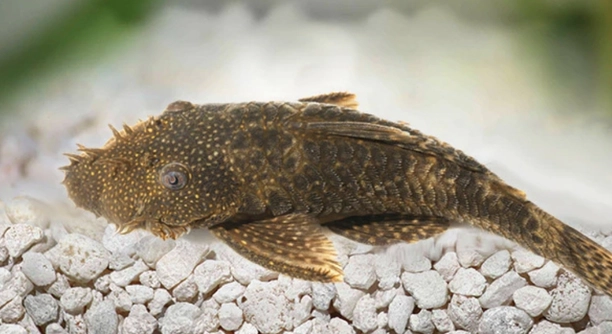
Is your pleco spending most of its time hiding or staying still, making you wonder if it’s okay for it to be so inactive?
Plecos are nocturnal fish, meaning they are most active at night. Sleeping or resting during the day is typical behavior and usually not a cause for concern unless other symptoms, like loss of appetite, are present.
There are a few important things to understand about pleco behavior and how to tell the difference between normal rest and a potential problem.
Understanding Pleco Behavior During the Day
Plecos are known for being shy and mostly active when the lights go out. During the daytime, they prefer to stay hidden, often wedged behind tank decorations or inside caves. This is normal and should not be confused with sickness or laziness. Their behavior is strongly influenced by their natural instincts, which tell them to avoid bright light and stay safe during the day. It’s important to provide them with proper hiding spots so they can feel secure. If your pleco appears inactive but perks up at night, it’s likely behaving as expected. Some plecos might move around briefly during the day, especially when food is offered, but they generally save their energy for nighttime. Don’t worry if you rarely see your pleco swimming around when the sun is out. Just keep an eye on its body condition and feeding habits to ensure it’s healthy and thriving in its tank.
Signs of normal behavior include healthy fins, no signs of stress, and occasional movement during feeding times.
If your pleco isn’t eating or shows signs of damage to its fins or skin, it could point to a health concern.
What You Can Do to Support a Healthy Pleco
Create a calm and comfortable space for your pleco by adding driftwood, caves, and plants to mimic its natural hiding places.
Lighting plays a big role in your pleco’s behavior. Too much brightness can cause it to stay hidden even longer, while a more dimly lit tank can encourage some gentle movement during the day. If you notice that your pleco never comes out at all, even at night, check your water conditions. Ammonia, nitrite, and nitrate levels should be in safe ranges, and the water temperature should match the needs of the species you have. Overcrowding and aggressive tank mates can also cause stress, making the pleco stay hidden more than usual. If you’re concerned, try feeding it some blanched zucchini or algae wafers after lights go out and watch for activity. Observing small changes in behavior can help you decide if anything needs to be adjusted. A calm environment, clean water, and the right food will help keep your pleco healthy and active—just on its own schedule.
Common Misunderstandings About Pleco Activity
Many people assume plecos are lazy or sick just because they don’t move much during the day. This misunderstanding often leads to unnecessary worry or changes in tank setup that aren’t needed.
Plecos are naturally nocturnal, which means they are wired to be more active when it’s dark. When lights are on, they rest or hide to feel safe. This isn’t unusual or bad—it’s just how they are. Mistaking this natural behavior for illness can cause confusion. As long as your pleco is eating well, has a healthy appearance, and becomes active at night, there’s usually no reason for concern. Watch its habits over time to better understand what’s normal for your fish. Each pleco can have slightly different patterns, depending on its age, environment, and species. The more you observe, the easier it gets to tell the difference between normal rest and something that needs attention.
Sometimes, owners expect plecos to behave like other aquarium fish. This leads to comparing them unfairly, especially if other fish are always swimming and interacting. Plecos have their own way of doing things. They may even stay in one spot for hours without moving, which is still normal. Giving them space and time helps build a healthier tank environment overall.
When to Be Concerned
If your pleco stops eating, shows pale or torn skin, or floats oddly, it may be time to check the tank conditions more closely.
Changes in behavior like constant hiding without nighttime movement, clamped fins, or rapid breathing can be signs of stress or illness. One of the most common causes of stress in plecos is poor water quality. Test your tank for ammonia, nitrites, and nitrates. Dirty water, wrong temperatures, or aggressive tank mates can cause your pleco to withdraw more than usual. Look closely at feeding habits—if your pleco ignores food for more than a few days, that’s not typical. Make sure it’s getting enough algae or vegetable matter. In some cases, parasites or infections may be involved. If nothing improves after adjusting the environment, it may help to consult an aquarium vet. Keeping a calm, stable tank and monitoring changes early can prevent small issues from turning into bigger ones.
How Light and Environment Affect Activity
A brightly lit tank can cause your pleco to hide more during the day. Use dim lighting or floating plants to soften the brightness.
A peaceful tank setup with hiding spots helps reduce stress. Driftwood, caves, and low noise levels create a space where your pleco feels safe.
Feeding Habits and Timing
Plecos usually eat at night, so offer food like algae wafers, cucumber, or zucchini after the lights go out. If food disappears overnight, that’s a good sign it’s eating. Overfeeding or offering food during the day may go unnoticed. Make sure the food reaches the bottom where plecos feed. Keep an eye on its belly and overall body shape—sunken areas can suggest it’s not eating enough. A healthy pleco should look full but not bloated. Consistent feeding and observing when it eats will give you a clearer picture of its overall health.
Final Thought for This Section
Even though they seem inactive, plecos have their own natural rhythm. Respecting that rhythm keeps them healthy and stress-free.
FAQ
Is it normal for my pleco to stay still all day?
Yes, it is completely normal for plecos to be inactive during the day. These fish are naturally nocturnal, so they tend to rest or hide when the lights are on. As long as your pleco becomes active at night and shows no signs of illness, there’s no cause for concern. However, if you notice other symptoms like changes in appetite or behavior, it could be worth investigating further. Providing plenty of hiding spots and making sure the tank is clean can help keep your pleco comfortable and stress-free.
What signs indicate that my pleco is sick?
If your pleco is sick, you might notice changes in its appearance or behavior. Common signs include pale or discolored skin, torn fins, odd swimming patterns (such as floating sideways), or rapid breathing. It may also stop eating or become lethargic, even at night. If your pleco is hiding all the time and refusing food, check water conditions for imbalances or contaminants. Stress from aggressive tank mates or poor water quality can lead to illness, so making sure your pleco’s environment is stable is essential.
How can I tell if my pleco is eating enough?
Plecos are primarily herbivores, feeding on algae, vegetables, and specially designed fish food. You can tell if your pleco is eating enough by watching its feeding habits. If food disappears from the tank, it’s a good sign that your pleco is eating. Additionally, check its body—if it looks well-fed without being overly bloated, that’s usually a good sign. If it’s not eating, try offering different foods, like blanched zucchini or algae wafers. If the food is ignored, the tank conditions might need to be adjusted.
Should I be worried if my pleco hides all the time?
It’s normal for plecos to hide, especially during the day when they are resting. However, if your pleco is hiding all the time, even at night when it should be more active, it could be a sign of stress or illness. Check the water quality to ensure there are no harmful levels of ammonia, nitrites, or nitrates. Stress can also come from other aggressive tank mates, so make sure the environment is peaceful. As long as your pleco comes out to eat and doesn’t show signs of illness, its hiding habits may just be its way of staying comfortable.
How often should I feed my pleco?
Plecos should be fed once a day, but it’s important to provide food that suits their diet. Offer algae wafers, vegetables like zucchini, and occasional pieces of driftwood. Some plecos may graze on natural algae in the tank, but supplemental feeding is necessary to ensure they’re getting enough nutrition. If you’re unsure whether your pleco is eating enough, you can offer food before lights go out and check for signs of hunger. Avoid overfeeding, as uneaten food can pollute the tank.
What should I do if my pleco isn’t eating?
If your pleco isn’t eating, first ensure that the water conditions are ideal. Poor water quality can lead to stress and loss of appetite. Next, check if the food you’re offering is suitable—some plecos prefer specific foods like algae wafers or blanched vegetables. If it refuses food for a few days, try feeding at night when it’s most active. If your pleco still isn’t eating and shows signs of illness, consider consulting an aquarium vet to rule out disease or parasites.
Can my pleco live with other fish?
Plecos are generally peaceful and can live with many other species. However, avoid placing them with overly aggressive fish or those that might bully them. Plecos are bottom dwellers and often do best with tank mates that occupy different areas of the tank. They can be housed with other peaceful fish like tetras, guppies, or even other plecos, provided there’s enough space and hiding spots. Watch out for territorial behavior, especially in smaller tanks, where plecos may feel stressed.
How can I help my pleco feel more comfortable?
To make your pleco feel comfortable, provide hiding spots like caves, driftwood, and plants. Plecos like to feel secure, so giving them places to retreat to during the day will reduce stress. Keep the water clean and well-maintained, as plecos are sensitive to poor water quality. Also, make sure the tank is large enough for your pleco’s size. A cramped space can cause stress and hinder natural behavior. Regular water changes, appropriate tank mates, and dim lighting can all contribute to a more relaxed pleco.
Why is my pleco scraping on the tank walls?
If your pleco is scraping on the tank walls, it’s likely trying to graze on algae. Plecos are natural algae eaters and will spend a lot of time scrubbing surfaces for food. This behavior is normal and part of their feeding habits. If you notice that the tank walls are clean, it could mean that your pleco is not getting enough algae in its diet. In such cases, offering algae wafers, blanched vegetables, or driftwood can help supplement its diet and prevent it from relying solely on tank surfaces.
Final Thoughts
Understanding your pleco’s behavior is essential to providing the best care for it. While it may seem inactive during the day, this is normal for plecos since they are nocturnal. They naturally prefer to rest or hide when the lights are on and become more active when it’s dark. This doesn’t mean that they are sick or stressed. As long as your pleco comes out to eat and shows no signs of illness, such as pale skin, torn fins, or unusual swimming, there’s usually no reason for concern. Observing your pleco’s natural patterns over time will help you learn what is normal for it and allow you to spot any changes that might signal a problem.
A key factor in keeping your pleco healthy is providing a comfortable and safe environment. Plecos like to have plenty of hiding spots, such as caves, plants, or driftwood, to feel secure. This helps them stay stress-free and avoid becoming overly shy or hiding all the time. Tank conditions are also important. Maintaining proper water quality by checking ammonia, nitrite, and nitrate levels can make a huge difference in your pleco’s well-being. Regular water changes and a stable temperature will help your pleco thrive. You should also make sure your pleco has a balanced diet, including algae wafers and vegetables like zucchini, to keep it well-fed and healthy.
Lastly, it’s important to remember that plecos are individual creatures. Each one may have its own personality and specific needs. Some may be more active during the day, while others will remain hidden most of the time. The key to successful pleco care is patience and observation. Watch your pleco’s behavior over time and adjust the tank environment if needed. If you notice any signs of illness or if your pleco is not eating, it’s important to act quickly to address the issue. With proper care, your pleco will live a healthy and happy life, and you’ll have the joy of watching it thrive in its own unique way.

Hello,
If you enjoy the content that we create, please consider saying a "Thank You!" by leaving a tip.
Every little bit helps us continue crafting quality advice that supports the health, happiness, and well-being of pets around the world, for pets of all shapes, sizes, and species.
We really appreciate the kindness and support that you show us!