
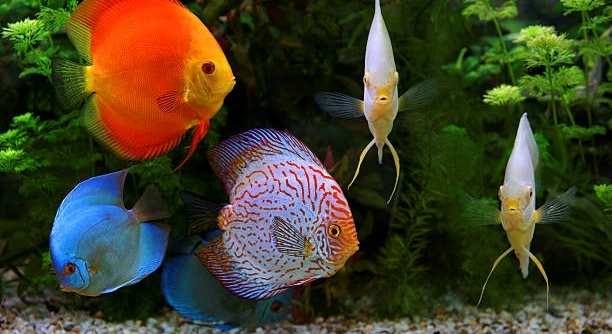
Are your discus fish constantly laying eggs, making you wonder if something might be off in their tank or routine?
Discus spawning too often can indicate environmental stress or hormonal imbalance, especially if fry do not survive. While frequent spawning is natural for healthy pairs, repeated unsuccessful attempts may signal underlying issues in water conditions or diet.
Understanding why your discus are spawning often can help you maintain their health and improve breeding success in your aquarium.
Why Discus Might Be Spawning Too Often
Discus fish may spawn frequently due to stable water conditions, good nutrition, and a strong pair bond. These are all signs of a healthy tank, but excessive spawning without fry survival might suggest something is missing. Poor egg development, fungus, or aggressive tank mates can disrupt the breeding cycle. Over time, this can cause stress for the breeding pair. If water parameters fluctuate or if there’s too much tank traffic, it can confuse the pair and lead to repeated, failed attempts. Feeding a balanced diet and keeping the tank calm can improve success rates. Frequent spawning isn’t always harmful, but consistent failure may wear out the fish or damage their fins. Keep an eye on their behavior, and try to provide rest periods between spawns. A slight change in lighting, water hardness, or temperature can also affect their cycle. Breeding tanks should remain quiet and undisturbed during egg development.
Frequent spawning is sometimes encouraged by soft water and warmer temperatures, both of which mimic natural breeding conditions.
If your discus keep spawning but the fry never survive, it could signal issues like poor nutrition, fluctuating pH levels, or low oxygen. Check your tank equipment, clean regularly, and test the water often. Improving tank stability makes a big difference. A protein-rich diet also helps. Consistent lighting, quiet surroundings, and quality food encourage the pair to stay healthy between spawns. In some cases, separating the pair temporarily helps reduce stress and gives them time to recover. Observing the pair’s patterns closely is key—some fish may just need more time to become better parents. If spawning continues without results, you can gently interrupt the cycle to prevent exhaustion. Adjusting the water temperature by a degree or two, increasing oxygen flow, and adding live plants may calm their environment and promote healthier behavior overall.
How to Support Healthy Spawning
If your discus pair is spawning often, they may need extra support to stay healthy and active through each cycle.
Providing a breeding tank helps control the environment. Use a sponge filter, heater, and bare bottom to make cleaning easy. Keep water temperature between 82–86°F and maintain slightly acidic water. Feed high-protein foods like bloodworms and beef heart. Change 25–50% of the water every day or two to maintain cleanliness and keep stress low. Avoid sudden movements or noises near the tank. If the pair eats their eggs, it’s normal in early breeding attempts. You can try placing a mesh guard over the spawning surface. If they continue to fail, separate the pair for a week. This can refresh their bond and give them time to rest. Keep the lights dim and consistent. Over time, a healthy pair will learn and improve. Stay patient and support them with steady care and a quiet space. This increases the chances of raising healthy fry.
Managing Stress and Rest Periods
Too much spawning without rest can leave discus fish tired and stressed. Stress weakens their immune system, making them more likely to get sick or act aggressively toward each other or their tank mates.
To manage this, give them a break between spawns by slightly raising the water temperature or adding more plants to limit visual contact. Separating the pair for a week or two also helps. Stress-free fish are more likely to produce strong eggs and raise fry successfully. Watch for torn fins, dull colors, or hiding—these may be signs they need rest. Reducing light, softening the water, and improving tank layout can calm them. Avoid moving tank décor or doing large water changes when they’re breeding. Make sure filtration is quiet and doesn’t cause too much flow near the spawning site. Stability encourages better results and reduces anxiety in the pair over time.
Stressed fish tend to lose interest in parenting or may even eat the eggs. To avoid this, offer a more relaxed environment and stick to a routine. Feed them small amounts often instead of large meals. This reduces waste and helps them digest better. Avoid housing them with aggressive or active fish, as this increases tension. If the pair looks overly tired, stop encouraging breeding. Let them rest, eat well, and regain energy. When they spawn again, they’ll be more prepared to care for the eggs. Careful observation helps you understand their pace and avoid overbreeding. Balancing spawning with periods of rest supports their health in the long run.
Adjusting Tank Conditions for Better Results
Changes in tank setup can help reduce constant spawning. Slight adjustments in water hardness, lighting, or layout affect breeding behavior without harming the fish. A more stable and comfortable tank will improve their overall condition and make spawning more successful.
Start by testing pH and hardness regularly. Discus prefer slightly acidic water, around pH 6.5. Use driftwood or peat to naturally lower pH. Keep lighting soft and avoid frequent changes. Rearranging tank layout too often can confuse the pair. Instead, choose a layout that offers hiding spots and privacy. Limit noise and foot traffic near the tank. Ensure the temperature stays within the ideal range, and monitor nitrate levels weekly. High nitrates can reduce fertility and stress the fish. Use gentle filtration and remove uneaten food quickly. Feeding high-quality, varied food improves egg quality. If they lay eggs but don’t guard them, consider isolating the pair in a separate breeding tank. Create conditions that match their natural environment as closely as possible.
When to Interrupt the Spawning Cycle
If discus are spawning too often with no success, it’s okay to interrupt the cycle. Raise the temperature slightly, change the lighting schedule, or separate the pair for a short time to reduce spawning triggers.
Interrupting the cycle gives the fish time to recover. This helps prevent exhaustion, stress, and physical wear. It also improves future spawning results by allowing the pair to regain strength and reduce hormonal imbalances.
Recognizing Breeding Fatigue
Breeding fatigue shows through dull colors, frayed fins, less activity, or avoiding each other. These signs mean they’re tired and need a break. Give them time off from breeding by separating them or changing water conditions slightly to discourage spawning.
Feeding Tips for Breeding Discus
Offer high-protein foods like beef heart, blackworms, or quality pellets. Feed smaller amounts two to three times daily. This keeps their energy up and supports egg development. Avoid overfeeding, as leftover food can harm water quality and stress the pair during breeding.
FAQ
Is it harmful if my discus keep spawning but never raise fry?
Frequent spawning without fry survival isn’t usually harmful right away, but over time it can wear out the pair. Failed breeding attempts may lead to stress, physical damage, or loss of energy. It’s important to watch for signs of fatigue like torn fins, poor color, or changes in behavior. If you notice these, allow time for rest. Provide stable water conditions, a good diet, and a calm tank environment. Breeding takes energy, and without breaks, the fish can struggle to stay healthy. If no fry survive after multiple spawns, adjust tank conditions or give the pair a break.
How often is too often for discus to spawn?
Healthy discus may spawn every 7 to 10 days under ideal conditions. While this can be normal for an experienced breeding pair, frequent spawning without success may indicate stress or unsuitable conditions. If your pair is spawning back-to-back and showing signs of exhaustion or aggression, it’s too often. Frequent failed attempts can also signal that something is wrong in the tank, like poor water quality, improper diet, or too much disturbance. A good rule is to allow rest between cycles. If needed, break the cycle by separating the pair for a short time and letting them recover.
Should I separate the discus pair if they keep spawning?
Yes, sometimes separating the pair is helpful. If they’re spawning too frequently without success or showing signs of stress, giving them a break can improve their health. Use a divider or place one fish in another tank for a week or two. This helps reduce stress and gives their bodies time to recover. When reunited, they may breed more successfully. Separating also prevents fin damage, aggression, or exhaustion that can result from repeated failed attempts. Make sure both tanks remain stable, warm, and clean during this break period.
Can spawning behavior be triggered by tank conditions?
Yes, spawning is often influenced by water temperature, softness, pH, and lighting. Warmer, softer, and slightly acidic water can trigger breeding. Discus also respond to routine feedings and calm surroundings. If you notice repeated spawning, check if the tank conditions match their natural breeding environment. Slight changes like cooler water or dimmer lights can reduce breeding activity. On the other hand, a stable, comfortable tank may encourage healthy spawning. If spawning becomes too frequent, make small adjustments to lighting, temperature, or diet to slow it down.
What should I feed my discus during breeding?
Feed high-protein foods like bloodworms, brine shrimp, and quality discus pellets. Beef heart mixes are also popular for breeders. Offer small portions two or three times a day, and avoid overfeeding. Uneaten food affects water quality, which can harm eggs. Protein-rich foods support egg development and energy for breeding behavior. Adding variety helps ensure the pair gets all necessary nutrients. Keep food fresh and rinse live foods when possible. Clean the tank after each feeding to maintain stable water conditions.
How can I tell if my discus pair is ready to breed?
Look for signs like cleaning flat surfaces, tail-slapping, lip-locking, and staying close to each other. They may darken in color or fan their fins more often. When ready, one or both fish will begin cleaning a spawning site. Shortly after, the female lays eggs and the male follows to fertilize them. If these behaviors repeat frequently but fry never hatch, there may be water or diet issues. Not all pairs succeed immediately. Young or inexperienced pairs may need time to learn. Offer support through stable conditions and patience.
Why do my discus eat their eggs?
This is common, especially with young or stressed pairs. They may feel unsafe or unsure how to care for eggs. Poor water conditions, noise, or bright lights can also cause this. Inexperience plays a big role—many pairs need several attempts before learning proper parenting behavior. To reduce egg loss, keep the tank calm and quiet. Dim lighting, add tank covers if needed, and avoid cleaning during breeding. Some aquarists use breeding cones with mesh to protect eggs. As the pair gains confidence, they often stop eating the eggs.
Should I let my discus rest after failed spawns?
Yes, rest is very important. After repeated failed spawns, the pair should be allowed to relax and regain strength. Spawning takes energy, and without rest, they may become stressed or sick. Give them time off by separating them or changing water conditions to discourage breeding. During rest, feed them well and keep the tank stable. Once their colors and behavior return to normal, they’ll be in a better state to try again. Resting between spawns supports long-term health and better results when breeding resumes.
Final Thoughts
Keeping discus healthy during repeated spawning takes attention, patience, and balance. While frequent spawning may seem like a sign of success, it can lead to stress if the pair does not rest or if fry do not survive. In many cases, this behavior is caused by ideal tank conditions such as soft water, steady temperature, and a calm environment. However, if breeding happens too often without results, it may point to an imbalance in diet, water quality, or stress levels. Over time, this can affect the fish’s health. That’s why it’s important to support them with the right care and, when needed, allow time for recovery.
Taking small steps like adjusting light, softening water changes, or adding a short separation period can help your discus regain energy. These changes give the fish time to rest and lower stress without disrupting their overall well-being. Stable tank conditions, a protein-rich diet, and a quiet environment go a long way in improving breeding outcomes. Observing their behavior closely helps you understand when they’re ready to breed again or when they need a break. Avoiding aggressive tank mates and limiting tank traffic also keeps the breeding pair calmer and more focused. Healthy breeding does not mean constant spawning—it means balanced, thoughtful care that supports the fish over time.
In the end, not every spawn needs to lead to fry. It’s okay to let your discus pair bond, practice parenting, and grow stronger before raising a successful batch. Rushed or repeated breeding without rest can cause damage to their health. Watch for warning signs like poor appetite, hiding, or torn fins. These signs show they may need a break from spawning. With gentle changes, regular monitoring, and a calm environment, your discus can remain healthy and have a better chance at successful breeding in the future. Supporting their natural behavior without forcing the process is the best way to care for them. Patience and consistency are key to creating a safe, healthy home for your fish.

Hello,
If you enjoy the content that we create, please consider saying a "Thank You!" by leaving a tip.
Every little bit helps us continue crafting quality advice that supports the health, happiness, and well-being of pets around the world, for pets of all shapes, sizes, and species.
We really appreciate the kindness and support that you show us!