
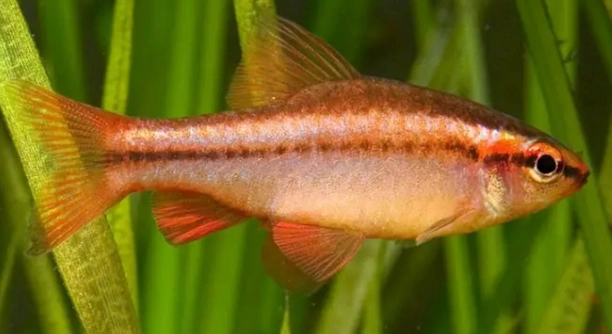
Cherry barbs are small, colorful fish that many aquarium owners enjoy keeping. As with any species, it’s important to provide an environment that suits their needs. The size of the tank plays a critical role in their well-being.
A 10-gallon tank may be sufficient for a small group of cherry barbs, but it is generally considered on the smaller end for long-term health. They require ample space to swim and thrive, especially as they grow.
Understanding the importance of tank size will help ensure that your cherry barbs live a healthy and happy life.
Tank Size and Space for Cherry Barbs
When deciding on the right tank size for cherry barbs, it’s crucial to remember that these fish are active and enjoy swimming. A 10-gallon tank might accommodate a small group, but it’s important to consider their natural behavior. They thrive in environments with ample space to explore and swim freely. A crowded tank can lead to stress, affecting their health and longevity. While a 10-gallon tank can work for a limited number of fish, it’s recommended to opt for a larger tank for a more stable environment. This gives them room to swim and reduces the buildup of harmful waste.
A slightly bigger tank provides a more balanced aquatic ecosystem. It’s easier to maintain water quality, and the fish can establish territories without constantly bumping into each other. For a group of cherry barbs, a 20-gallon tank would be ideal.
Keeping a cherry barb tank in check requires regular water changes and monitoring the water’s condition. A bigger tank not only supports the fish but also makes upkeep easier, ensuring the fish stay healthy.
Water Quality and Filtration
Water quality is as important as the tank size when it comes to cherry barbs. Keeping the water clean is crucial for their survival.
Cherry barbs require a filtration system that keeps the water clean and oxygenated. Regular water changes, around 25-30% weekly, will help maintain a healthy environment. Clean water helps reduce the risk of diseases and stress. Filtration also helps maintain a stable temperature, which is essential for their overall health.
A reliable filter system will keep your tank clear of excess waste, and installing a heater ensures the temperature remains steady. Cherry barbs thrive in slightly warmer water, around 75-80°F. A consistent water quality combined with the proper tank size ensures they can live happily and thrive for years.
Tank Mates for Cherry Barbs
Cherry barbs are peaceful fish that do well with other calm species. Avoid placing aggressive or overly territorial fish in the same tank. Ideal companions include other small fish, such as tetras or rasboras, which share similar water requirements and temperament.
When choosing tank mates, consider their size and behavior. Avoid large fish that could stress out or bully the cherry barbs. Also, be mindful of aggressive species like bettas, which may not get along well. A peaceful community setup ensures everyone has enough space, leading to a healthier aquarium.
It’s also important to monitor interactions, as even peaceful fish can sometimes display territorial behavior, especially in smaller tanks. Regular observation allows you to step in early if any issues arise. Keeping a harmonious tank will reduce stress and make the environment more enjoyable for all the fish. Providing a balance between species can help avoid competition for food and space.
Feeding Cherry Barbs
Cherry barbs are not particularly picky eaters, but their diet should be balanced. A mix of high-quality flakes and occasional live or frozen food will keep them healthy and active.
These fish enjoy a variety of food, including shrimp, bloodworms, and brine shrimp. Providing different types of food ensures they receive a range of nutrients, which supports their vibrant colors and active lifestyle. Overfeeding should be avoided, as excess food can lead to poor water quality and health issues.
Maintaining a consistent feeding schedule is also important. Feeding them small amounts multiple times a day helps prevent overfeeding and keeps them satisfied. This approach also ensures their digestive system runs smoothly. A varied diet is essential for their health, promoting both physical appearance and well-being.
Cherry Barb Behavior
Cherry barbs are generally calm and social fish. They enjoy being in groups, where they feel more secure and show their vibrant colors. Without companions, they may become shy and stressed. The more, the better—keep them in schools of at least five to ensure they feel comfortable.
In a larger group, cherry barbs tend to display more natural behavior, including swimming together and exploring the tank. They are not known for aggressive behavior but can sometimes be territorial, especially around food. Their peaceful nature makes them ideal for community tanks with other non-aggressive species.
Temperature and Lighting
Cherry barbs prefer slightly warm water with a stable temperature between 75-80°F. Avoid sudden temperature fluctuations, as they can stress the fish. A heater helps maintain this temperature range, ensuring they are comfortable year-round.
In terms of lighting, cherry barbs appreciate a normal day/night cycle. Avoid bright, harsh lighting, which can stress them out. A gentle light promotes healthy growth of live plants, which, in turn, benefits the fish. Keep the lighting natural to mimic their natural environment, which is low to medium in intensity.
Tank Setup and Decoration
For a tank that suits cherry barbs, include plenty of plants and hiding spots. They like to explore but also need places to retreat to when they feel threatened. Use a mix of floating and rooted plants to create a more natural environment.
The substrate can be fine gravel or soft sand, both of which are easy to clean and won’t hurt their delicate fins. Providing decor such as driftwood and rocks will enhance the tank’s appeal and offer additional hiding spaces. Keep the decor simple and avoid sharp edges, which can cause injuries.
FAQ
Are cherry barbs hardy fish?
Yes, cherry barbs are relatively hardy and can adapt to a range of water conditions, as long as the water quality is kept high. They are less prone to diseases compared to other fish, making them a good choice for beginners. Regular water changes and proper filtration can help maintain their health.
Do cherry barbs need a filter?
Yes, a filter is essential for maintaining clean water in your aquarium. Cherry barbs produce waste like any other fish, and without proper filtration, harmful toxins can build up quickly. A filter helps remove these toxins and keeps the water oxygenated, which is crucial for their health. It also prevents the growth of harmful bacteria.
What should I feed cherry barbs?
Cherry barbs will eat a variety of foods, including high-quality flakes, pellets, and frozen or live foods like brine shrimp, bloodworms, or daphnia. It’s best to provide a balanced diet, offering different foods to ensure they receive all the necessary nutrients. They tend to be opportunistic feeders, so avoid overfeeding to prevent poor water quality.
Can cherry barbs live with bettas?
It is not recommended to keep cherry barbs with bettas, as bettas can be territorial and aggressive, especially towards other fish with long fins. While cherry barbs are peaceful, their vibrant colors may trigger aggression from the betta. It’s better to keep them with other non-aggressive species like tetras or rasboras.
How many cherry barbs should be kept together?
Cherry barbs do best in schools of at least five or more. Keeping them in groups allows them to feel secure and display their natural social behaviors. When kept alone or in very small groups, they may become stressed and shy. A larger group will reduce stress and promote better overall health.
What size tank is best for cherry barbs?
A 10-gallon tank can be used for a small group of cherry barbs, but a 20-gallon tank is ideal for a more stable environment. Larger tanks allow for better water quality, more swimming space, and easier maintenance. A bigger tank also reduces the risk of territorial behavior and overcrowding.
Are cherry barbs active swimmers?
Yes, cherry barbs are active swimmers. They enjoy exploring the tank, swimming in open areas, and interacting with other fish. A larger tank with plenty of plants and hiding spots will allow them to engage in their natural behaviors. Their active swimming helps maintain good health, so it’s important to provide enough space for them to move freely.
Do cherry barbs jump out of the tank?
Cherry barbs are not known for being big jumpers, but like any fish, they can jump if they feel threatened or if the water quality is poor. It’s important to cover your tank with a lid or mesh to prevent any fish from escaping. This also helps maintain water temperature and humidity inside the tank.
What water conditions do cherry barbs prefer?
Cherry barbs thrive in slightly acidic to neutral water with a pH between 6.5 and 7.5. They also prefer soft to moderately hard water. Temperature-wise, they do best in water ranging from 75°F to 80°F. Regularly checking the water parameters ensures they are kept in optimal conditions, which supports their overall health.
How long do cherry barbs live?
Cherry barbs have an average lifespan of around 3 to 5 years, though with proper care, some can live longer. Maintaining a stable environment, a healthy diet, and good water quality can help extend their lifespan. Regular tank maintenance is crucial for preventing diseases and ensuring they live a long, happy life.
Are cherry barbs good for beginners?
Yes, cherry barbs are an excellent choice for beginner aquarium owners. They are hardy, peaceful, and relatively easy to care for. With simple requirements, such as stable water conditions, a balanced diet, and proper tank mates, cherry barbs make a great starting point for someone new to fishkeeping. However, regular monitoring of water quality and tank parameters is still necessary for their health.
Final Thoughts
Cherry barbs are a great addition to many home aquariums. They are peaceful, colorful, and easy to care for, making them a perfect choice for both beginners and more experienced fish keepers. With their small size and calm temperament, they can be kept in a variety of setups, from community tanks to smaller setups. Their simple care requirements, such as maintaining clean water, providing a balanced diet, and ensuring a stable temperature, make them a low-maintenance option. By offering them a well-maintained environment, you can enjoy watching their natural behaviors and vibrant colors for years.
While cherry barbs are generally easy to care for, it’s important to keep in mind that they do best in schools. Keeping them in groups of five or more will help reduce stress and allow them to display their social behaviors. Their peaceful nature makes them great companions for other non-aggressive fish, but it’s important to choose the right tank mates. Aggressive species or overly territorial fish should be avoided, as they may cause stress or injury to your cherry barbs. By providing a well-planned tank setup, you can create a harmonious environment where all the fish can thrive.
In conclusion, cherry barbs are a versatile and low-maintenance species that can thrive in a variety of aquarium settings. Their calm demeanor, vibrant colors, and social nature make them an excellent choice for anyone looking to add lively fish to their tank. By paying attention to their basic needs, such as water quality, tank size, and diet, you can ensure they stay healthy and active. With the right care, cherry barbs can live long and healthy lives, providing beauty and enjoyment to any aquarium.

Hello,
If you enjoy the content that we create, please consider saying a "Thank You!" by leaving a tip.
Every little bit helps us continue crafting quality advice that supports the health, happiness, and well-being of pets around the world, for pets of all shapes, sizes, and species.
We really appreciate the kindness and support that you show us!