
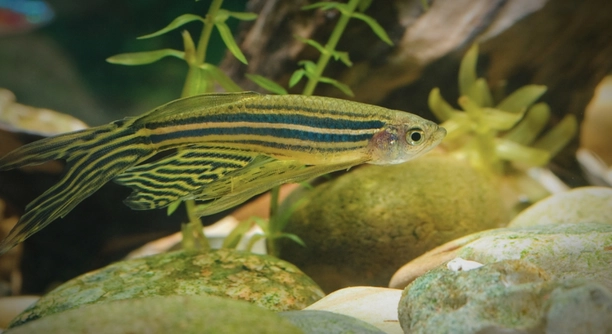
Do your zebra danios seem restless or uncomfortable even though your tank setup appears complete and functional? Small changes can make a big difference in how these lively fish behave and interact with their surroundings.
Floating plants help create a natural, shaded environment that mimics zebra danios’ wild habitat. These plants reduce light intensity, offer hiding spaces, and ease stress, promoting healthier behavior and greater comfort in a community tank.
Adding the right plants can improve tank balance and make your zebra danios feel more secure in their aquatic space.
Benefits of Floating Plants for Zebra Danios
Floating plants offer a simple way to make zebra danios feel more at ease. These fish come from streams and rivers with plenty of surface cover. Adding floating plants gives them familiar shelter and helps reduce stress. The shade helps calm their activity, especially when tank lighting is bright. Plants like duckweed, frogbit, and water lettuce are easy to manage and multiply quickly. They also absorb excess nutrients, which can help improve water quality. Zebra danios tend to be more active and show better color when their environment feels secure. Floating plants break up the line of sight, which is useful in group tanks where chasing can occur. Creating a more natural feel in your aquarium encourages natural behaviors. Plus, it keeps them engaged without overstimulating them. With better shelter and more stable water, zebra danios tend to thrive.
Floating plants do more than decorate. They serve as natural tools for stress relief, shade, and shelter.
If your zebra danios are darting around or hiding constantly, floating plants may provide the calm they need. Observing them swim near the surface or interact with shaded areas is a sign they feel more comfortable. This small change can support better long-term health and daily behavior.
Choosing and Maintaining Floating Plants
Select plants that grow easily and suit your tank size. Avoid those that grow too fast or block all light.
Frogbit and water lettuce are ideal for beginner tanks. They offer large leaves for shade and float without much care. Duckweed is smaller and spreads fast, covering the surface quickly. While it’s effective at creating cover, it may need thinning to avoid blocking light entirely. When using floating plants, aim for a balance—enough to reduce brightness but not so much that they affect oxygen levels or limit access to the surface. Light surface movement helps prevent buildup and keeps roots healthy. Trimming plants regularly keeps them from overtaking your setup. During maintenance, check for dead leaves and remove them. These plants also absorb nitrates, which can help maintain cleaner water. Just remember, if you’re using a filter with a strong flow, plants may get pushed to the edges. A floating ring or gentle sponge filter can help keep them in place while maintaining water flow.
Setting Up Your Tank for Floating Plants
Make sure your tank lighting isn’t too strong, as floating plants prefer moderate light. Too much intensity can burn their leaves. Keep water movement low at the surface to prevent plants from being pushed around or damaged by strong currents.
Use a soft sponge filter or baffle the flow on stronger filters to reduce surface disturbance. This helps plants stay in place and keeps their roots from breaking off. Avoid letting plants cover the entire surface, as this can block oxygen exchange. Leave open areas so fish can reach the top freely. Floating plants don’t need planting, so just place them gently on the water surface. Trim back overgrowth each week to maintain light access and prevent crowding. If the roots get too long, you can also trim them carefully. Healthy floating plants help maintain better water balance and give your zebra danios a more peaceful habitat.
Try to avoid overcrowding the surface. Too many plants can block feeding access and reduce oxygen exchange, especially at night. Spacing out your floating plants allows light to reach lower parts of the tank and helps avoid sudden changes in oxygen levels. It also makes maintenance easier in the long run.
Observing Zebra Danio Behavior with Plants
Once you’ve added floating plants, pay attention to your zebra danios. You’ll likely notice them darting near the surface more calmly or weaving through shaded areas with more ease. Their movement becomes smoother, and their color may appear richer and more consistent.
Zebra danios feel more secure when they can choose between open swimming space and shaded cover. With floating plants, they can avoid direct light and reduce signs of stress like hiding or nipping. In groups, the plants also help reduce aggressive chasing by breaking up lines of sight. If you see your fish exploring calmly and staying active throughout the day, it’s a good sign that the setup is working. Adding plants also gives them a more stimulating environment, which helps reduce boredom and encourages natural behaviors. Keep monitoring their energy levels and interactions—they’ll usually show you how comfortable they are just by how they move.
Common Mistakes to Avoid
Avoid letting floating plants block too much light from reaching your tank. This can affect other plants below and reduce oxygen exchange. Thin out fast-growing species regularly to maintain a healthy balance for both plants and fish.
Don’t ignore buildup on plant roots. Detritus can get trapped and affect water quality. Gently rinse roots during water changes to keep them clean and flowing freely. Watch for signs of decay or browning leaves, and remove them quickly to prevent rot from spreading in the tank.
Best Floating Plant Options for Beginners
Frogbit is a solid choice for beginners. It floats easily, provides good shade, and its roots hang just low enough to offer shelter without crowding. Water lettuce is another great pick, especially for larger tanks. Its broad leaves provide generous cover, but it needs occasional thinning. Duckweed is the easiest to grow but spreads very quickly and can overwhelm a tank if left unchecked. For small setups, salvinia is a gentle option that floats quietly and doesn’t demand much care. Try a few types to see what fits your tank best, and don’t be afraid to remove any that aren’t thriving or growing too fast.
Final Tips for Success
Keep an eye on light, trim your plants often, and watch how your fish respond. Small changes really do help.
FAQ
Do floating plants really help zebra danios feel safer?
Yes, they do. Floating plants provide cover near the water’s surface, which gives zebra danios a sense of security. These fish are naturally active and curious, but they also benefit from areas where they can retreat or hide. The shaded spaces help reduce stress, especially in brightly lit tanks or when other fish are present. When danios feel safer, they tend to swim more freely, show better colors, and interact more naturally with one another. The floating cover acts like a soft ceiling that helps them feel protected without needing to hide completely.
Can floating plants mess with my filter or equipment?
They can if you’re not careful. Floating plants may drift into filter intakes or outflows, especially if the water current is strong. This can block water flow or cause the plants to break apart. To avoid this, use a pre-filter sponge on your intake or adjust the direction of the flow to push water sideways rather than up. You can also use a floating plant corral—something like a small floating ring—to keep them in one section of the tank. This helps them stay in place and keeps equipment running smoothly.
Which floating plants are easiest to maintain?
Duckweed is the easiest to grow, but it spreads too fast for some tanks. Salvinia is a bit slower and manageable, making it great for beginners. Frogbit and water lettuce are also beginner-friendly, but they need more trimming to prevent crowding. If you’re just starting out, try salvinia or frogbit. These plants offer the right mix of cover and ease of care. Avoid red-root floaters or more sensitive types until you’re familiar with your tank’s needs. Starting simple helps you get used to trimming and watching how the plants grow.
Do floating plants affect oxygen levels in the tank?
They can—both positively and negatively. During the day, floating plants produce oxygen through photosynthesis, which helps improve water quality. However, at night, they use oxygen like any other plant. If too many floating plants cover the surface, they can block air exchange and lower oxygen levels, especially in tanks without good water movement. The key is balance. Don’t let them take over the entire top of the tank. Keep about 30–50% of the surface open so gas exchange stays healthy and the fish always have access to the surface.
How do I stop floating plants from blocking all the light?
Trimming is important. Remove older leaves weekly and thin out crowded areas. If you notice your tank getting darker or bottom plants struggling, it’s time to remove some of the floaters. You can also group them in a corner using a floating ring or section made of airline tubing. That way, light still gets through, and the plants stay where you want them. Keeping a section of open surface helps you avoid uneven lighting and supports healthier growth for everything in your tank.
Will zebra danios eat floating plants?
Not usually. Zebra danios are more likely to nibble on the small critters or algae that may live on the plants, but they rarely eat the plants themselves. You may see them swimming around the roots or poking through the leaves, but it’s more about curiosity or hunting tiny organisms than feeding on the plants. Just keep an eye on things. If you ever notice damage, it’s more likely from water flow or decay than from the fish.
How do I clean floating plants without damaging them?
Use gentle handling. During water changes, you can scoop them out with a small container or net and rinse them in tank water—not tap water, which can shock them. Remove any yellowed or browning leaves by pinching them off gently. Rinse off any buildup on the roots by swishing the plants in a container of old tank water. Return them carefully to the surface once the tank is refilled. Avoid rubbing or squeezing them, as they bruise easily.
Can floating plants lower nitrates in the tank?
Yes, they can help. Floating plants absorb excess nutrients from the water, including nitrates. Fast-growing plants like duckweed or frogbit are especially good at this. They compete with algae for those nutrients, which also helps keep the water clearer and reduces algae blooms. While they won’t replace regular water changes, floating plants can definitely support better balance in your tank. Just remember that as they grow and absorb nutrients, they need trimming and thinning to keep everything working smoothly.
Final Thoughts
Floating plants can offer several benefits when keeping zebra danios, especially when it comes to comfort and stress reduction. These plants create a soft, shaded area near the water surface that helps danios feel secure. In community tanks, this extra cover can make a big difference in how your fish behave. Instead of hiding or staying near the bottom, danios are more likely to swim freely and explore. Their natural energy and group behavior become more noticeable when they’re not feeling stressed or exposed. Floating plants give them a way to move between open space and shelter, which fits their active nature.
Aside from comfort, floating plants help improve tank conditions. They absorb nitrates and other nutrients, which supports water quality and helps control algae. While they can’t replace filters or water changes, they work well as an added layer of support. They also offer a place for tiny aquatic organisms to grow, which zebra danios may enjoy picking at during the day. These plants don’t need to be difficult to manage, either. With regular trimming and attention to water flow, they stay neat and healthy. Using a floating ring or sectioning off a corner of the tank helps you control where the plants grow, without letting them take over.
If you’re thinking of adding floating plants to your tank, it’s best to start simple. Choose a plant like salvinia or frogbit, and watch how it responds to your setup. Monitor how your zebra danios react too—they may start schooling more or show brighter colors. Keep the surface about half open so oxygen levels stay balanced, especially if you don’t use an air stone or strong filter. Floating plants can become a regular part of your maintenance routine once you’re used to their pace of growth. They offer beauty, support better tank health, and most of all, they give your fish the sense of safety they need to thrive. With a little care, these plants can make your aquarium not just look better, but also feel better for the fish living inside it.

Hello,
If you enjoy the content that we create, please consider saying a "Thank You!" by leaving a tip.
Every little bit helps us continue crafting quality advice that supports the health, happiness, and well-being of pets around the world, for pets of all shapes, sizes, and species.
We really appreciate the kindness and support that you show us!