
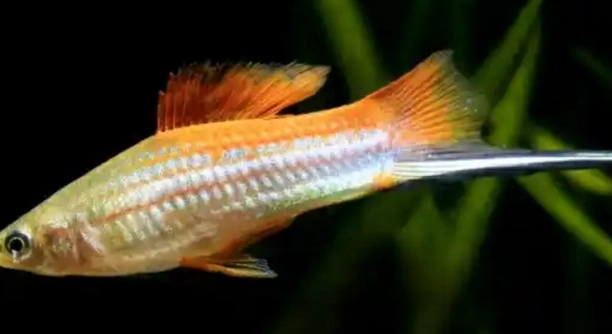
Trimming plants in a Swordtail tank is a vital task for maintaining both the plants’ health and the aquarium’s overall balance. Proper trimming ensures the plants stay healthy while contributing to the aesthetic appeal of the tank.
Trimming plants in a Swordtail tank involves regularly removing dead or overgrown foliage to prevent decay. Proper trimming promotes healthy plant growth, improves water quality, and ensures the plants do not overtake the tank or harm other inhabitants.
Trimming plants effectively will not only benefit the health of your aquarium but also keep the tank looking clean and vibrant.
Why Trimming Your Swordtail Tank Plants is Important
Trimming plants in your Swordtail tank is essential to ensure they don’t overgrow and interfere with the overall health of your aquarium. Overgrown plants can block light, which may impact the growth of other plants and hinder fish movement. Removing dead or dying leaves also helps to maintain clean water by preventing decay. Regular trimming allows for better water circulation and keeps the tank looking neat and aesthetically pleasing. It is important to remember that plants, like any living thing, require attention to thrive.
Plants that are left untrimmed can also lead to an unhealthy ecosystem for your Swordtails. Excessive plant growth can result in decreased oxygen levels, which may harm fish. This is especially problematic in a tank where plants are meant to provide shelter and oxygen. Regularly removing unwanted or overgrown plant matter supports a balanced environment, giving fish enough space to swim and forage freely.
The right trimming routine contributes to a healthier tank, with better water quality and a visually appealing layout. Trimming keeps your Swordtail tank in balance, creating a stable, thriving aquatic habitat.
Tools You’ll Need for Trimming Plants
Before getting started, ensure you have the right tools for the task. Using scissors or aquatic plant trimmers will make the process smoother and more efficient. The proper equipment ensures clean cuts and prevents damage to the plants.
You can use specialized aquarium scissors to trim plants with precision. This will allow you to remove dead or overgrown leaves without harming the healthy parts of the plant. For larger plants, a pair of sharp pruning shears may be necessary. Keeping your tools clean is essential to avoid introducing bacteria into the tank, which could harm your fish.
A proper maintenance routine not only keeps your plants healthy but also ensures the Swordtail tank remains a safe and visually pleasing environment. With the right tools and care, trimming plants becomes a quick, efficient process that benefits both plants and fish alike.
When to Trim Your Swordtail Tank Plants
It’s important to trim your plants regularly, especially if they start blocking the light or growing too large. Typically, trimming every 2 to 4 weeks ensures the plants stay manageable. Keep an eye on the growth rate of each plant species and trim when necessary.
Don’t wait until plants have become unruly before you trim. Regular trimming helps to maintain optimal conditions for both plants and fish. By cutting back excess growth early, you prevent potential issues like reduced oxygen levels and overcrowding. If plants are left unchecked, they can quickly become a nuisance in the tank.
Timely trimming also supports healthier plant growth. When you remove dead or dying leaves, the remaining healthy parts have more access to nutrients and light. Over time, plants become more robust and easier to manage with this ongoing care routine. A well-maintained tank is always a better environment for Swordtails.
How to Trim Different Types of Plants
Different types of plants in your Swordtail tank require different trimming approaches. Stem plants should be trimmed by cutting them just above the base to encourage new growth. Rooted plants should have their dead or decaying leaves removed gently.
For stem plants, it’s important to avoid cutting too low, as this could damage the plant’s base. Instead, trim from the top to control their height and promote bushier growth. For floating plants, simply remove excess stems or leaves that might hinder water flow or block light from reaching submerged plants.
If you have plants that have spread across the substrate, pull them up carefully and trim the roots. Trimming encourages growth in specific areas and prevents one section of the tank from becoming too dense. Proper plant care is vital for maintaining a balanced ecosystem in the tank.
Common Mistakes to Avoid While Trimming
One mistake to avoid is cutting too much at once. It’s better to trim a little bit over time than to remove too much, which can shock the plants. Always assess the plant’s health before deciding how much to trim.
Another common mistake is using dull tools, which can damage the plants. Make sure your scissors or trimmers are sharp to ensure clean cuts. Using blunt tools can cause injury to the plants, making it harder for them to recover and grow back properly.
How to Trim Rooted Plants
When trimming rooted plants, start by gently pulling up any excess growth. Trim the roots carefully to avoid damaging the plant. After trimming, replant the sections that are still healthy.
Rooted plants require more care when trimming since their roots are essential for absorbing nutrients. If you’re cutting the roots back too much, it could affect the plant’s ability to grow. Regular trimming of the roots ensures the plant remains manageable while allowing space for new growth to thrive.
FAQ
How often should I trim my Swordtail tank plants?
It’s best to trim your plants every 2 to 4 weeks, depending on the growth rate. Some plants may need trimming more frequently, while others grow slower and can be trimmed less often. Regular maintenance helps keep plants healthy and the tank visually appealing.
What tools should I use for trimming plants in a Swordtail tank?
The best tools for trimming are sharp, specialized aquarium scissors or trimmers. These tools are designed to make clean cuts, which is important for promoting healthy growth. If you have larger plants, you may need pruning shears to manage the size of the foliage.
Can I trim plants in my Swordtail tank all at once?
It’s better to trim plants gradually rather than all at once. Trimming too much at one time can shock the plants and disrupt the ecosystem. Trim small sections every couple of weeks to keep the plants manageable and healthy, and avoid overwhelming them.
Should I remove dead leaves from plants?
Yes, you should remove any dead or decaying leaves. Dead leaves can pollute the water, leading to poor water quality, which affects both the plants and the fish. By removing dead leaves, you maintain a cleaner environment and encourage new growth.
Can I trim floating plants the same way as rooted plants?
Floating plants require a different trimming approach. For floating plants, you only need to remove excess stems or leaves that interfere with water flow or light penetration. Rooted plants, on the other hand, need careful root trimming and should be cut from the base for optimal health.
What’s the best way to trim stem plants?
For stem plants, trim the tops to prevent them from growing too tall. Cutting just above the base helps encourage new growth and keeps the plant bushy. If you cut too low, it can harm the plant, so always leave some healthy growth at the base.
Is it necessary to trim plants even if they look fine?
Even if plants appear healthy, trimming is still necessary. Over time, plants will grow too large and may block light or reduce oxygen levels in the tank. Regular trimming ensures the plants don’t overtake the tank and allows for continued healthy growth.
What should I do with the trimmings after I cut them?
Trimmings should be removed from the tank as they can decay and lower water quality. You can compost the plant matter or dispose of it properly. Keeping the tank clean of plant debris helps maintain a healthy environment for your Swordtails.
How do I know when it’s time to trim my plants?
If your plants are blocking light or growing too large for the tank, it’s time to trim. You should also trim when you notice any dead or decaying leaves, as they can contribute to poor water quality. Regular observation will help you determine when trimming is needed.
Can trimming plants harm my Swordtail tank?
Trimming plants in moderation should not harm the tank. However, trimming too much at once or cutting in a way that damages the plants can cause stress and disrupt the tank’s balance. Always use sharp, clean tools and trim with care to avoid harming your plants and fish.
Do I need to trim plants if I have a low-maintenance tank?
Even in a low-maintenance tank, trimming is still essential. Plants in any tank will grow, and without proper care, they can become overgrown, leading to poor water quality and other issues. Keeping the plants trimmed ensures that they remain healthy without taking over the tank.
Should I trim my plants before or after a water change?
It’s best to trim your plants before a water change. Trimming can stir up debris, so changing the water afterward will help clear the tank and remove any plant matter. This way, you ensure the water stays clean and fresh for your Swordtails.
How do I prevent overgrowth in my Swordtail tank?
To prevent overgrowth, regularly trim your plants and monitor their growth. Some plants may need to be trimmed more frequently, while others are slower-growing. Ensure the plants receive adequate light without overcrowding other parts of the tank. Proper spacing and trimming are key to controlling growth.
Are there any plants I should avoid trimming too much?
Some plants, like slow-growing or delicate species, may not handle heavy trimming well. Avoid cutting too much of these plants, as it can stress them. Instead, trim carefully and only remove parts that are dead or excessively overgrown. Always consider the growth pattern of each species.
How do I trim plants without disturbing the Swordtails?
When trimming plants, do it slowly and carefully to avoid disturbing your Swordtails. Fish may become stressed if they are suddenly surrounded by debris. You can also trim plants in small sections to minimize disruptions. Ensure the fish have enough space to swim while you work on the plants.
What happens if I don’t trim my plants regularly?
Without regular trimming, plants can become overgrown, blocking light and reducing oxygen levels. Overgrown plants can also cause problems with water circulation, leading to poor water quality. This imbalance can affect the health of both the plants and the fish in your tank.
Final Thoughts
Maintaining a well-trimmed plant system in your Swordtail tank is essential for both plant and fish health. Regular trimming not only keeps the plants from growing too large but also ensures that the water quality remains optimal. By removing dead leaves and excess growth, you allow the plants to thrive without overcrowding the tank. This also helps maintain good water flow, which is crucial for the overall balance of the ecosystem. Keeping the plants manageable improves the aesthetic appeal of your tank and makes it easier to care for.
When trimming, always use clean, sharp tools to avoid damaging the plants. Whether trimming stem plants, rooted plants, or floating plants, each requires a different approach. By trimming small sections regularly, you can avoid large cuts that might shock the plants. It’s important to also remove plant matter from the tank after trimming, as decaying leaves can lead to poor water quality. Keeping a consistent trimming schedule will help your plants grow strong and healthy while preventing potential problems like excessive algae growth or stagnant water.
Taking the time to properly care for your plants in a Swordtail tank not only benefits the plants but also creates a healthier environment for your fish. Healthy plants provide oxygen, help filter the water, and create a natural, balanced habitat for your Swordtails. With regular trimming, you can ensure that your tank remains visually appealing and functionally sound. Even if your tank is low maintenance, plant care should not be overlooked, as it plays a key role in creating a sustainable and thriving aquatic environment.

Hello,
If you enjoy the content that we create, please consider saying a "Thank You!" by leaving a tip.
Every little bit helps us continue crafting quality advice that supports the health, happiness, and well-being of pets around the world, for pets of all shapes, sizes, and species.
We really appreciate the kindness and support that you show us!