
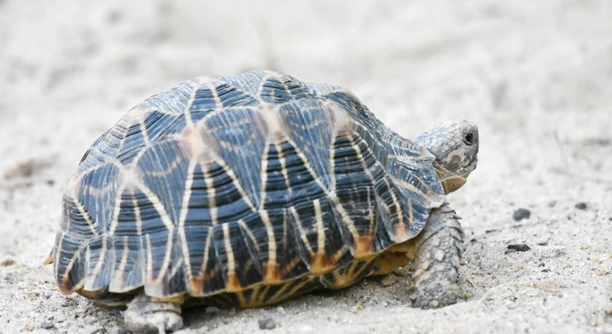
Parasites can be a concern for Indian Star Tortoises, affecting their health and well-being. Understanding how to treat them is essential for keeping your tortoise healthy and happy. This article explores methods for effective parasite treatment.
The treatment of parasites in Indian Star Tortoises typically involves medication, proper hygiene, and changes in diet. Various approaches, such as deworming and environmental management, help control infestations. Regular veterinary care is vital for effective treatment and prevention.
Maintaining a proper treatment plan will help prevent future issues and ensure your tortoise stays healthy for years to come.
Common Parasites in Indian Star Tortoises
Indian Star Tortoises can be affected by several types of parasites, including internal ones like roundworms and external ones like ticks. Internal parasites often cause symptoms like weight loss, lethargy, or changes in behavior. External parasites, like mites or ticks, may irritate the skin and cause discomfort. Identifying the type of parasite is essential for effective treatment.
Parasites can also affect your tortoise’s digestive system, leading to poor nutrient absorption and unhealthy weight loss. If untreated, these issues can become severe, leading to long-term health problems. Regular check-ups with a veterinarian are essential for identifying these issues early.
If you notice signs of parasitic infection, prompt action is necessary. By recognizing symptoms early and choosing the right treatment options, you can prevent more serious complications. Remember, a healthy tortoise thrives in a clean, parasite-free environment.
Methods to Prevent Parasites
Prevention is crucial in keeping your tortoise healthy.
Ensuring your tortoise’s habitat is clean and dry, along with regularly changing bedding, helps reduce parasite risks. Providing a balanced diet and maintaining proper humidity levels will also improve your tortoise’s immune system, making them less likely to become infected.
Deworming Treatments
Deworming is a common and effective way to treat internal parasites in Indian Star Tortoises.
A veterinarian will prescribe deworming medication, which is usually given orally or via injection. It works by eliminating roundworms, tapeworms, and other common internal parasites. Be sure to follow the prescribed dosage carefully to avoid complications.
After administering the deworming treatment, monitor your tortoise for any signs of discomfort or side effects. It may take a few days for the medication to fully take effect. Regular deworming every few months is recommended for long-term health.
Environmental Management
Keeping your tortoise’s environment clean plays a key role in parasite prevention.
Regularly disinfecting the enclosure and changing the bedding is essential to remove any potential parasites. Use safe, non-toxic cleaning products that will not harm your tortoise. Additionally, avoid using outdoor soil, as it may carry parasites from other animals. Maintaining proper humidity and temperature levels will also discourage parasite growth.
A clean habitat reduces the risk of parasites thriving in the enclosure. By ensuring that your tortoise has a hygienic and comfortable environment, you provide it with the best chance of staying healthy. Regular cleaning should become part of your routine.
Medicinal Treatment
For severe infestations, your tortoise may need stronger medications.
Your vet may prescribe an anti-parasitic drug that targets specific parasites like coccidia or tapeworms. These medications are typically given over several days or weeks, depending on the type of parasite. Always follow the recommended dosage and schedule.
Medicinal treatment helps target specific types of parasites, ensuring your tortoise receives proper care. Regular veterinary check-ups will ensure that you address any lingering issues. Without treatment, parasites may cause lasting damage, so early intervention is key.
Proper Diet
A healthy diet boosts your tortoise’s immunity.
Feeding your tortoise a varied diet with enough fiber and calcium helps keep its immune system strong. Proper nutrition can prevent parasites from taking hold. Be sure to offer fresh vegetables, fruits, and high-quality pellets designed for tortoises. A well-balanced diet supports overall health and parasite resistance.
Quarantine New Tortoises
Quarantining new tortoises prevents parasite spread.
If you’re introducing a new tortoise to your collection, it’s important to keep it isolated for at least 30 days. This period allows you to monitor for any signs of parasites. Quarantining also gives your new pet time to acclimate to its new environment without the risk of infecting others.
FAQ
What are the signs of a parasitic infection in Indian Star Tortoises?
Signs of parasitic infection can include weight loss, lethargy, changes in appetite, and diarrhea. External parasites like mites or ticks may cause visible irritation or skin lesions. If your tortoise seems less active or its shell is looking unhealthy, it could be a sign of a parasite infestation.
How do I know if my tortoise needs deworming?
If your tortoise shows signs of gastrointestinal issues, such as diarrhea or bloating, it may need deworming. Other indicators include lethargy or sudden changes in behavior. If you suspect a parasitic infection, take your tortoise to the vet for a proper diagnosis and treatment plan.
Can Indian Star Tortoises get parasites from other pets?
Yes, tortoises can contract parasites from other animals, especially if they share the same living space. Keeping your tortoise away from other pets, like dogs or reptiles, that may carry parasites is important. If introducing new animals to your household, quarantine them for a period of time to monitor for any signs of illness.
How often should I clean my tortoise’s habitat?
Your tortoise’s habitat should be cleaned regularly, at least once a week. This involves changing bedding, disinfecting surfaces, and removing any uneaten food or waste. Keeping the habitat clean reduces the risk of parasites and promotes overall health. Regular cleaning is essential for preventing infestations.
Can parasites affect my tortoise’s shell?
Yes, some parasites, like mites, can cause irritation or damage to the shell. This can lead to scarring or the development of fungal infections if left untreated. Keeping your tortoise’s environment clean and using appropriate treatments for parasites can help prevent shell damage.
Is it safe to use natural remedies to treat parasites in my tortoise?
While some natural remedies may offer mild relief, they are not a substitute for professional veterinary care. Over-the-counter or home treatments can be ineffective and even harmful to your tortoise. Always consult a veterinarian before using any alternative treatments to ensure they’re safe and effective.
How long does it take for deworming treatments to work?
Deworming treatments usually take a few days to show results, but it can take up to two weeks for the medication to fully eliminate the parasites. During this time, it’s essential to monitor your tortoise’s behavior and appetite closely. If symptoms persist, consult your veterinarian for further evaluation.
Can parasites be prevented altogether?
While it’s difficult to eliminate all risks, maintaining a clean habitat, proper diet, and regular veterinary care significantly reduces the chances of parasite infestations. Quarantining new tortoises and being cautious when introducing new items into the enclosure will also help prevent the spread of parasites.
Is it necessary to consult a vet if I suspect parasites?
Yes, it’s essential to consult a veterinarian if you suspect your tortoise has parasites. A vet can diagnose the exact type of parasite and recommend the appropriate treatment. Self-diagnosing or treating your tortoise without professional advice can lead to further complications.
What should I do if I see mites on my tortoise?
If you notice mites on your tortoise, it’s important to act quickly. Remove your tortoise from the affected environment, clean the enclosure thoroughly, and consult your veterinarian for appropriate treatments. Mites can cause irritation and discomfort, and early treatment is key to preventing severe issues.
Final Thoughts
Parasites are a common issue in Indian Star Tortoises, but with proper care and attention, they can be managed effectively. The key to prevention lies in maintaining a clean environment, offering a well-balanced diet, and monitoring for any signs of illness. Regular check-ups with a veterinarian are also essential to ensure that your tortoise remains healthy and free from parasites. It’s important to be proactive, as parasites can cause long-term damage if left untreated.
Treating parasites in Indian Star Tortoises is not a one-time effort. Ongoing care, such as deworming and environmental management, will help prevent reoccurrence. If your tortoise shows any signs of parasitic infection, such as changes in appetite, behavior, or skin condition, seeking veterinary care promptly is crucial. Medications prescribed by your vet, along with proper hygiene, will support your tortoise in recovering and maintaining good health.
Taking steps to prevent and treat parasites will ensure that your Indian Star Tortoise thrives. Regularly cleaning the enclosure, providing a healthy diet, and managing any potential parasite exposure are simple ways to support their health. It’s also important to remain vigilant about any changes in behavior or physical appearance. By staying informed and taking action when necessary, you can ensure your tortoise stays comfortable and happy for years to come.

Hello,
If you enjoy the content that we create, please consider saying a "Thank You!" by leaving a tip.
Every little bit helps us continue crafting quality advice that supports the health, happiness, and well-being of pets around the world, for pets of all shapes, sizes, and species.
We really appreciate the kindness and support that you show us!