
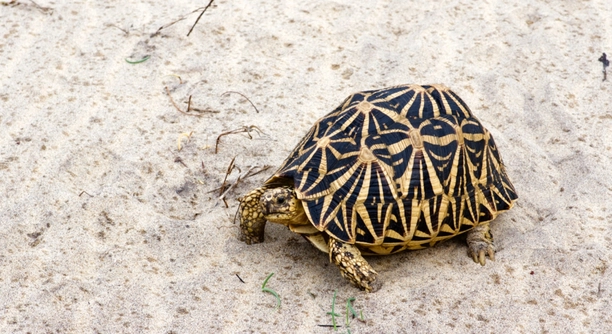
Minor injuries can happen to your Indian Star Tortoise, whether from bumps, scratches, or accidents. Knowing how to treat them effectively is key to keeping your tortoise healthy and happy.
To treat minor injuries in Indian Star Tortoises, gently clean the wound with warm water, then apply an antiseptic suitable for reptiles. Always monitor the injury for signs of infection and consult a vet if necessary.
By following simple steps, you can help your tortoise recover quickly and prevent complications. Keep reading to learn more about caring for your tortoise after an injury.
How to Identify Minor Injuries in Indian Star Tortoises
Minor injuries in Indian Star Tortoises can happen due to a variety of reasons, like accidental falls, fights with other animals, or rough surfaces in their enclosure. Identifying these injuries early can make a significant difference in your tortoise’s recovery. Look for signs like limping, scratches, swelling, or a change in behavior, such as reduced appetite or lethargy. It’s important to pay attention to any abnormality in their movement or appearance. The sooner you spot the injury, the quicker you can provide treatment and prevent further complications.
If you notice that your tortoise is hiding more than usual or has difficulty moving, these can also indicate an injury. A minor injury, if not treated properly, may lead to infections or worse, so it’s vital to act promptly.
After identifying the injury, the next step is to gently assess its severity. This will help determine if immediate medical attention is required or if you can treat it at home. Clean the area thoroughly and observe it for any unusual changes.
First Aid for Minor Injuries
When treating minor injuries, the first step is to clean the affected area. Use lukewarm water and a soft cloth to gently remove dirt and debris. It’s crucial to avoid harsh chemicals or soaps that could irritate the tortoise’s skin.
After cleaning, apply a mild antiseptic solution safe for reptiles. This helps prevent infection and keeps the wound from getting worse. If you notice any swelling or unusual discharge, it may indicate an infection, which will require attention from a veterinarian.
In the case of a deep wound or something that won’t stop bleeding, it’s best to seek professional care. A vet can provide more specific treatments like stitches or prescribe antibiotics to prevent infection. Keeping your tortoise in a clean, quiet area while it heals will promote faster recovery. It’s also helpful to monitor its diet to make sure it’s eating well to support healing.
When to Seek Professional Help
While minor injuries can often be treated at home, there are certain situations where seeking a vet’s advice is crucial. If you notice excessive bleeding, a deep wound, or signs of an infection like pus or unusual swelling, immediate veterinary care is necessary. Additionally, if your tortoise stops eating or behaves unusually for more than a day, it may be a sign of a more serious issue.
Veterinarians experienced in reptile care can give the best advice and treatment, ensuring that the injury heals without complications. It’s always better to be safe than sorry, so don’t hesitate to seek help if you’re unsure about the severity of the injury.
A vet can also provide helpful tips for improving your tortoise’s living conditions, reducing the risk of future injuries. Regular check-ups are also a good idea, especially if your tortoise is older or has had previous injuries. These visits ensure that any potential problems are caught early.
Tips for Preventing Injuries
Preventing injuries in your tortoise is always better than dealing with one. Start by creating a safe, secure environment in its enclosure. Ensure that the flooring is not too rough or sharp, as this can cause damage to your tortoise’s shell or skin.
Avoid overcrowding the enclosure with other animals, as this can lead to territorial fights and accidental harm. If you have more than one tortoise, provide enough space for each one to move around freely without risk of bumping into each other.
Another important factor is providing your tortoise with an environment that mimics its natural habitat. This means offering hiding spots, proper lighting, and a suitable temperature to reduce stress, which can contribute to accidents. Regularly inspect the enclosure for hazards such as loose objects, sharp edges, or obstacles that could cause injury.
Taking these preventive steps can significantly reduce the risk of minor injuries, helping your tortoise stay healthy and safe. Regular monitoring of your tortoise’s health is also essential in spotting early signs of injury or distress.
How to Clean Minor Injuries
Cleaning a minor injury is crucial to prevent infection. Start by using lukewarm water and a soft cloth. Gently wipe around the injury to remove any dirt or debris. Avoid using any soap or harsh chemicals, as they can irritate your tortoise’s skin.
After cleaning the wound, ensure that it is fully dry before applying any treatment. Moisture can create an environment where bacteria can thrive. You can use a soft, dry towel or let the area air dry. It’s important to be gentle throughout the process to avoid causing more stress to your tortoise.
Once dry, you can apply an appropriate antiseptic for reptiles. Make sure it’s safe for tortoises and free from harmful chemicals. Always follow the directions on the product to avoid overuse, which can irritate the wound. A clean and dry injury is the first step in promoting fast healing.
How to Apply Antiseptic
After cleaning, apply an antiseptic solution suitable for reptiles. Make sure the solution is mild and non-toxic. Apply a small amount directly to the injury using a clean cotton swab or your fingers, depending on your tortoise’s comfort level.
Be careful not to over-apply the antiseptic. A thin layer is all that’s needed to protect the wound from infection. Once applied, avoid touching the wound directly to prevent introducing bacteria. If the wound is in a location that’s hard to reach, you can use a clean bandage to protect it.
Monitor the injury over the following days to ensure it remains clean. If you notice any swelling or change in the wound’s appearance, it may be a sign that the infection has spread. In such cases, consult a vet immediately to address the problem.
Keeping Your Tortoise Comfortable
Keeping your tortoise comfortable while it heals is important for a quicker recovery. Create a quiet, stress-free environment. Minimize handling and make sure its enclosure is safe and clean, so it doesn’t further aggravate the injury.
Make sure the enclosure temperature is at the proper range for your tortoise. A comfortable temperature will help boost its immune system and speed up healing. If you notice that your tortoise is not eating, consider offering food that is easy to consume and highly nutritious.
It’s also essential to make sure the tortoise has access to clean water at all times. Hydration plays a vital role in the healing process, so make sure your tortoise is drinking regularly. Keep an eye on its behavior to ensure it is staying comfortable and recovering well.
Preventing Infection
To prevent infection, always clean the injury before applying any treatment. Use a mild antiseptic to ensure the wound is disinfected. Keep the injury dry, and avoid touching it with dirty hands to reduce bacteria exposure. A clean environment is key to preventing complications.
Check the injury regularly for signs of infection, such as redness, swelling, or discharge. If any of these symptoms appear, seek veterinary care right away. Additionally, avoid using harsh chemicals or irritants around the injury, as these can delay healing or cause further harm.
The Role of Diet in Healing
A proper diet plays a significant role in recovery. Offer your tortoise fresh, high-quality foods that provide the necessary vitamins and minerals for healing. Include leafy greens and occasional fruits, but avoid high-calcium foods if the tortoise has a kidney problem or other medical condition.
Make sure to provide fresh water regularly. This keeps the tortoise hydrated and helps prevent dehydration, which can slow down healing. Balanced nutrition supports the immune system, allowing your tortoise to fight off infections and recover faster. Be patient and avoid rushing the healing process by changing its diet abruptly.
Monitoring Progress
Continue to monitor your tortoise’s injury closely. If it heals well, it should show no signs of infection, and the swelling should decrease over time. It’s important to check for any changes in behavior, as lethargy or decreased appetite may indicate a problem.
If the wound has not improved or worsens over time, contact a vet. Any signs of discomfort should be addressed quickly to avoid complications. Regular checks can give you peace of mind, knowing that your tortoise is recovering properly and staying healthy.
FAQ
How do I know if my tortoise’s injury is serious?
If your tortoise is showing signs of severe pain, such as excessive bleeding, deep wounds, or noticeable swelling, it may be a serious injury. Additionally, if your tortoise becomes lethargic, refuses to eat, or appears disoriented, these are red flags. In such cases, you should contact a vet immediately. If the injury is minor, cleaning and monitoring it closely should help it heal. Always trust your instincts—if you’re unsure, it’s best to seek professional care.
Can I use regular human antiseptic on my tortoise?
No, you should avoid using human antiseptics on your tortoise. Many products contain alcohol or other ingredients that can be harmful to reptiles. Instead, use an antiseptic specifically formulated for reptiles, which you can find at pet stores or online. These products are safer and help prevent infections without causing harm to your tortoise’s skin.
What should I do if my tortoise refuses to eat after an injury?
It’s common for tortoises to lose their appetite after an injury, as they may be stressed or in pain. However, if the refusal to eat continues for more than a couple of days, it could indicate a more serious problem, such as infection or internal injury. Offer softer foods, like mashed greens, to encourage eating. If the problem persists, contact a vet to rule out underlying issues.
How can I help my tortoise recover faster?
Provide your tortoise with a clean and quiet environment to help it recover. Avoid handling it too much, as this can stress it out and delay healing. Ensure that its enclosure is free from hazards, and maintain the proper temperature and humidity levels to support its immune system. Offer a well-balanced diet to aid the healing process. Regularly check the wound for signs of infection and keep the area clean and dry.
Is it normal for my tortoise to be more lethargic after an injury?
Yes, it’s normal for tortoises to become more lethargic after an injury. This could be due to pain, stress, or the body focusing on healing. However, if lethargy continues for more than a few days, or if your tortoise isn’t eating, drinking, or moving around, it could indicate an issue that requires veterinary attention. Always keep an eye on your tortoise’s behavior to ensure it’s recovering as expected.
How long does it take for a minor injury to heal?
The healing time for minor injuries in tortoises can vary depending on the severity of the injury and the overall health of the animal. Small wounds might take a few days to a week to heal, while deeper injuries may take two to three weeks or longer. During this time, it’s crucial to monitor the injury for signs of infection and provide proper care to promote healing. Keep your tortoise’s environment calm and clean to aid the recovery process.
Can I bandage my tortoise’s injury?
While you can bandage a tortoise’s injury, it’s important to do so carefully. If the injury is in an area that is hard to reach or is constantly exposed to dirt, a bandage can help protect it. Use a soft, breathable bandage and ensure it’s not too tight, as this could restrict circulation. Change the bandage regularly and ensure that the wound stays dry and clean. If you’re unsure whether to use a bandage, consult a vet for guidance.
What type of food should I offer my tortoise during recovery?
During recovery, your tortoise needs food that provides the necessary nutrients to promote healing. Offer a variety of leafy greens, such as collard greens, dandelion greens, and kale. You can also include small amounts of fruit like strawberries or melon, but avoid too much sugar. Make sure the food is fresh and clean, and avoid feeding it any spoiled or moldy items. If your tortoise has trouble eating, consider offering softer foods or hand-feeding to ensure it gets the nutrition it needs.
Should I change my tortoise’s environment while it heals?
Yes, it’s essential to adjust your tortoise’s environment during its recovery. Keep the enclosure clean and free from sharp objects or other animals that might cause further harm. Make sure the temperature and humidity are optimal for healing—if the environment is too cold or too hot, it can slow down the healing process. Provide hiding spots so your tortoise feels secure and minimize handling to reduce stress.
How can I tell if the injury is infected?
Signs of infection in tortoises include increased swelling, redness, pus, or a foul odor from the wound. If the injury doesn’t seem to be healing, or if your tortoise’s behavior changes (becoming more lethargic or refusing food), this could be a sign of infection. Infections can spread quickly, so it’s crucial to contact a vet as soon as you notice these symptoms. Prompt treatment can help prevent further complications.
Final Thoughts
Caring for an injured Indian Star Tortoise requires attention and patience. While minor injuries can often be treated at home, it’s important to stay vigilant and keep an eye on the wound for any signs of infection or complications. Regularly cleaning the injury, applying the right antiseptic, and maintaining a clean environment are key steps in ensuring the tortoise heals properly. Providing a calm and comfortable space, along with a well-balanced diet, will support its recovery process.
If the injury seems more serious or doesn’t improve with home care, it’s always better to consult a veterinarian. A professional can offer the best advice and treatment options, preventing any long-term damage. Signs like excessive swelling, discharge, or refusal to eat should not be ignored, as these could indicate a more severe issue. The quicker you address any concerns, the better the outcome will likely be for your tortoise.
Overall, the health and well-being of your Indian Star Tortoise depend on how you handle these situations. By being proactive and responsive, you can ensure that your tortoise recovers smoothly and lives a happy, healthy life. Regular check-ups and proper care go a long way in preventing injuries, but when they do happen, a calm and caring approach is the best way to support their healing.

Hello,
If you enjoy the content that we create, please consider saying a "Thank You!" by leaving a tip.
Every little bit helps us continue crafting quality advice that supports the health, happiness, and well-being of pets around the world, for pets of all shapes, sizes, and species.
We really appreciate the kindness and support that you show us!