
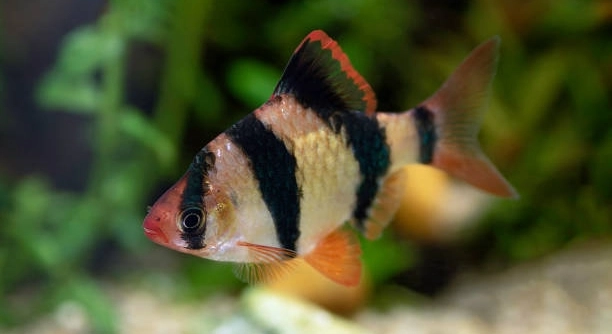
Many aquarium owners enjoy keeping tiger barbs because of their vibrant colors and lively behavior. However, fin rot is a common problem that can affect these fish. Knowing how to spot and treat fin rot early is important for their health.
Fin rot in tiger barbs is a bacterial infection that damages the fins, often caused by poor water quality or injury. Treatment involves improving water conditions, using antibacterial medication, and maintaining a clean tank environment to help the fish recover.
Learning how to properly care for your tiger barbs can prevent fin rot and keep your aquarium healthy and beautiful. This article will guide you through the essential steps to treat and avoid this condition.
Causes of Fin Rot in Tiger Barbs
Fin rot usually happens when the tank water isn’t clean enough or when the fish get hurt. Poor water quality weakens their immune system, making it easier for bacteria to attack. Stress from overcrowding or sudden changes in temperature can also make tiger barbs more vulnerable. Sometimes, small injuries from rough decorations or aggressive tank mates start the infection. When fins begin to fray or turn black and white, it’s often a sign that fin rot is setting in. Keeping the water clean and stable is key to preventing this. Regular water changes and checking tank conditions help reduce the risk. It’s also important to watch how your fish interact, as fights can cause injuries leading to fin rot. Knowing these causes makes it easier to act fast and protect your fish before the infection spreads.
Bacteria thrive in dirty water, so good tank maintenance is essential for keeping fin rot away from your tiger barbs.
Keeping your tank clean means doing regular water changes and testing water quality. Avoid overcrowding, and make sure the decorations are smooth without sharp edges. Proper filtration and a stable environment help keep your fish healthy and less prone to infection.
Treating Fin Rot in Tiger Barbs
Treating fin rot starts with improving the tank environment. Change 25-50% of the water and clean the substrate to remove waste. Use a water conditioner to remove harmful chemicals like chlorine. Adding antibacterial medication made for fish helps fight the infection directly. Follow the instructions on the medicine carefully, as overdosing can harm your fish. Keep the tank temperature stable between 74-79°F (23-26°C) to reduce stress. Remove any aggressive fish that may cause injuries. Feeding your tiger barbs nutritious food supports their immune system during recovery. Monitor your fish daily for changes and continue treatment until the fins look healthy again. Prevention and early action are the best ways to protect your tiger barbs from fin rot.
If the infection is advanced, you might need to isolate the affected fish in a hospital tank to give proper care without stress or risk of spreading the disease.
Good care, patience, and attention to water quality will help your tiger barbs heal and stay strong after fin rot treatment.
Signs of Fin Rot in Tiger Barbs
Fin rot starts with small changes like frayed or ragged fin edges. The fins may look dull, discolored, or have white or black spots. As it worsens, fins shrink or look shredded. Behavior changes like lethargy or loss of appetite can also happen.
Early signs are subtle and easy to miss, so regular observation is important. Look closely at the fins for any unusual color changes or damage. Healthy fins should be smooth and vibrant. Noticing symptoms early allows for faster treatment, preventing severe damage and improving recovery chances. Fin rot can spread quickly if ignored.
If left untreated, the infection can reach the body, causing ulcers and severe health problems. Prompt action prevents these serious issues and helps maintain your fish’s well-being.
Preventing Fin Rot in Tiger Barbs
Keeping your tank clean is the best way to prevent fin rot. Regular water changes remove harmful bacteria and toxins. Maintaining stable water temperature and quality reduces stress for your fish. Avoid overcrowding, as it increases aggression and injuries. Providing a balanced diet supports your tiger barbs’ immune system. Check decorations for sharp edges that can cause fin damage. Quarantine new fish before adding them to the tank to prevent introducing infections. Preventive care helps keep your fish healthy and reduces the chance of fin rot developing. Consistent tank maintenance is a small effort that pays off in healthier fish.
Water Quality Management
Regular water testing is essential for keeping your tank healthy. Checking pH, ammonia, nitrite, and nitrate levels helps catch problems early. Aim for stable parameters to avoid stressing your tiger barbs. Clean water reduces bacteria that cause fin rot and supports fish recovery.
Performing partial water changes weekly is effective. Replace 25-50% of the tank water with fresh, dechlorinated water. This keeps toxins low and maintains good oxygen levels. Avoid sudden large changes, which can shock your fish and make fin rot worse.
Using Medication Safely
Choose antibacterial treatments designed for fin rot in freshwater fish. Follow the dosage instructions exactly to prevent harming your fish or beneficial bacteria. Stop feeding during treatment if advised, to improve medication efficiency. Continue treatment until signs of infection fully disappear, usually for 7-10 days.
Monitor your fish closely during treatment. If symptoms worsen, reassess water conditions and medication type. Combining medication with good tank care leads to the best results.
Nutrition Support
Feeding a balanced diet helps tiger barbs fight infections. High-quality flakes or pellets with added vitamins strengthen their immune systems. Supplement with occasional live or frozen foods like bloodworms or brine shrimp for extra nutrients.
Healthy fish recover faster and resist diseases better. Avoid overfeeding, which can pollute the tank and encourage bacteria growth.
FAQ
How quickly can fin rot spread in tiger barbs?
Fin rot can spread quite fast, sometimes within a few days if conditions are poor. Dirty water and stress speed up the infection. Early detection and treatment are key to stopping the spread before it causes severe damage to the fins or body.
Can fin rot heal on its own without medication?
Mild cases may improve if the tank water is very clean and stable. However, most fin rot infections need antibacterial treatment to fully clear. Relying on water changes alone can delay recovery and allow the infection to worsen.
Is fin rot contagious to other fish?
Yes, fin rot bacteria can spread from one fish to another, especially in crowded tanks. Keeping the water clean and isolating infected fish helps prevent spreading. Quarantining new fish also reduces the risk of introducing diseases.
What water parameters should I maintain to prevent fin rot?
Keep pH between 6.5 and 7.5, ammonia and nitrite at 0 ppm, and nitrate below 20 ppm. Stable temperature between 74-79°F (23-26°C) is important. Regular testing and water changes help maintain these safe levels.
Can injuries from tank decorations cause fin rot?
Yes, sharp or rough decorations can tear fins, allowing bacteria to enter and cause infection. Choose smooth, fish-safe decorations and check for any hazards before placing them in the tank.
How long does treatment for fin rot usually take?
Treatment typically lasts 7 to 10 days, but severe cases may take longer. Continue medication until all symptoms are gone and fins look healthy. Stopping early can cause the infection to return.
Should I isolate infected fish during treatment?
Isolating sick fish can reduce stress and prevent spreading infection to others. A separate hospital tank makes it easier to control medication and monitor recovery closely.
What foods help tiger barbs recover from fin rot?
High-quality flakes or pellets with vitamins support immune health. Adding live or frozen foods like bloodworms or brine shrimp boosts nutrition and helps speed recovery.
Can poor diet cause fin rot?
A poor diet weakens the immune system, making fish more vulnerable to infections like fin rot. Feeding a balanced, nutritious diet reduces this risk significantly.
Are there natural remedies for fin rot?
Some aquarists use salt baths or aquarium salt to help fight bacteria. While salt can support treatment, it should not replace antibacterial medication, especially in serious cases.
How do I know if fin rot is getting worse?
If fins continue to shrink, discolor, or develop holes despite treatment, the infection is worsening. Behavioral signs like lethargy or loss of appetite also indicate stress or advanced disease.
Can fin rot return after treatment?
Yes, if water quality declines or stress returns, fin rot can come back. Maintaining a clean, stable tank and proper care prevents relapse.
Is it safe to use medication with live plants?
Some medications may harm live plants. Check product instructions before use. If necessary, remove plants during treatment and reintroduce them afterward.
What should I do if fin rot spreads to the body?
If infection reaches the body, it becomes more serious and may require stronger medications or veterinary advice. Early treatment is important to avoid this stage.
Can stress alone cause fin rot?
Stress weakens the immune system, making fish more susceptible to infections. Causes include poor water quality, overcrowding, temperature swings, and aggressive tank mates.
These answers cover the common concerns about fin rot in tiger barbs and provide practical advice to keep your fish healthy and strong.
Fin rot is a common problem for tiger barbs, but it can be managed with the right care. Paying attention to water quality is the most important step in both preventing and treating this disease. Regular water changes, testing, and cleaning help keep the environment safe for your fish. When the water is clean and stable, tiger barbs stay healthier and are less likely to get infections like fin rot. It is important to watch your fish closely for any signs of fin damage or unusual behavior, as early detection can make treatment easier and more effective.
Treating fin rot requires a combination of good tank maintenance and the proper use of medication. Improving water conditions should always come first, along with isolating sick fish if possible. Using antibacterial treatments as directed helps fight the infection quickly. It is also helpful to provide nutritious food that supports the fish’s immune system. Recovery may take time, so patience and consistent care are key. Avoid stopping treatment early, even if the fish looks better, because the infection can return if not fully cleared. Maintaining a calm and stress-free environment helps the fish heal faster.
Preventing fin rot is better than treating it. Keeping your tank clean, avoiding overcrowding, and choosing safe decorations reduce the chance of injury and infection. Feeding a balanced diet and monitoring the tank conditions regularly are important habits. Quarantining new fish before adding them to the main tank prevents introducing diseases. By following these simple but effective steps, you can help your tiger barbs live long, healthy lives with beautiful fins. Remember, taking care of your fish’s environment and health goes a long way toward avoiding problems like fin rot.

Hello,
If you enjoy the content that we create, please consider saying a "Thank You!" by leaving a tip.
Every little bit helps us continue crafting quality advice that supports the health, happiness, and well-being of pets around the world, for pets of all shapes, sizes, and species.
We really appreciate the kindness and support that you show us!