
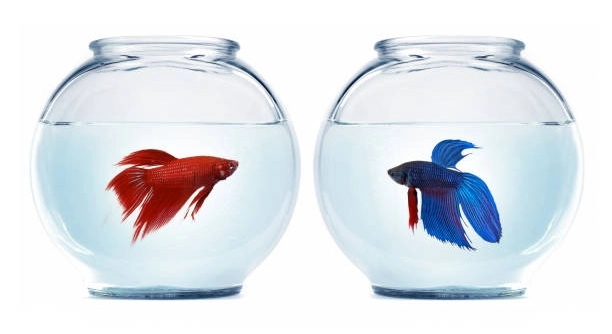
Betta fish are popular pets, but they can sometimes develop fin rot, which can lead to serious health issues. Understanding how to treat this condition is crucial for maintaining your Betta’s well-being and appearance.
Fin rot is a common bacterial infection that affects the fins and tail of Betta fish. It is often caused by poor water quality, stress, or injury. Prompt treatment is essential to prevent the spread of infection and ensure your Betta’s recovery.
With the right approach, you can treat fin rot and restore your Betta’s health. Here are seven effective methods to help your fish recover and stay happy.
1. Maintain Clean Water Quality
The most important factor in preventing and treating fin rot is ensuring your Betta’s environment is clean. Regular water changes help remove toxins and bacteria that can lead to infection. The ideal water temperature for Betta fish is between 76°F and 81°F. Make sure to check the pH level regularly, as water that is too acidic or alkaline can stress your Betta, making them more vulnerable to disease.
Maintaining water quality can also prevent stress, which is a major factor in developing fin rot. A clean tank, with proper filtration, ensures the water remains fresh and free from harmful substances.
If your Betta’s tank has been neglected for a while, consider doing a partial water change of around 25-30% every few days. This will help remove the build-up of toxins and harmful bacteria, allowing your Betta a healthier environment to thrive in.
2. Isolate Your Betta
When you notice signs of fin rot, it’s essential to isolate your Betta in a separate quarantine tank. This will prevent the spread of the infection to any other fish you may have. A separate tank allows you to monitor your Betta’s condition closely without interference from other tank mates.
Isolation helps reduce stress, which can aid in the healing process. Additionally, it ensures the infected Betta doesn’t transmit the infection to other fish. Quarantining is a critical step for targeted treatment.
A quarantine tank should be simple, with only a filter, a heater, and a soft substrate. Avoid adding decorations that might stress your Betta. Keep the water in the quarantine tank at the same temperature and pH level as the main tank to reduce shock. By giving your Betta a stress-free environment, healing becomes much more achievable.
3. Use Antibiotics or Medications
If the fin rot appears severe, it’s time to use antibiotics or other fish-safe medications. Products like Melafix or Primafix are effective for treating bacterial infections and can speed up the healing process. These medications are usually available at most pet stores or online.
When applying medication, always follow the instructions carefully. Overuse can be harmful to your Betta, so make sure to stick to the recommended dosage and treatment duration.
In addition to antibiotics, adding aquarium salt can help reduce bacteria growth and promote healing. Be sure to dissolve the salt completely and monitor your Betta’s response to it. Some Betta fish might react poorly to salt, so be observant during the treatment period.
4. Improve Your Betta’s Diet
A nutritious diet helps boost your Betta’s immune system and speeds up recovery from fin rot. Offer high-quality pellets, frozen or live food, like brine shrimp or daphnia, to ensure they get the necessary nutrients.
Avoid overfeeding, as uneaten food can contaminate the water, worsening water quality. By providing a balanced diet, you’ll help your Betta maintain strong health. A well-fed Betta is better equipped to fight off infections and heal faster.
Supplements like spirulina or vitamin-enriched food can also support your Betta’s immune system. These add extra nutrients that help them stay strong while recovering. Just make sure to stick to a regular feeding schedule and remove excess food to avoid water contamination.
5. Monitor Your Betta’s Health
Keep a close eye on your Betta’s condition throughout the treatment process. Look for any signs of improvement, such as new growth on the fins or a reduction in discoloration.
If you notice no improvement after several days of treatment, it might be time to try a different approach. Adjusting water parameters, changing medications, or adding more salt can sometimes yield better results.
It’s also important to monitor your Betta’s behavior. If they start hiding or swimming less, it could be a sign that they are stressed or not responding well to treatment. In these cases, remove any potential stress factors from their environment, such as bright lights or noisy surroundings.
6. Remove Infected Fins
Trim the infected parts of your Betta’s fins carefully to prevent the bacteria from spreading further. Use sterilized scissors to remove any frayed or damaged tissue.
Be sure not to trim too much. The goal is to remove only the infected areas. It’s essential to keep the trimming process as sterile as possible to avoid introducing more bacteria.
Removing infected tissue also helps speed up the healing process and allows healthy tissue to grow back more quickly. Just ensure that the Betta is in a stress-free environment afterward.
7. Maintain Proper Tank Conditions
Ensure that your Betta’s tank has proper filtration and regular water changes to keep the environment stable.
Poor water conditions can cause fin rot to worsen, so it’s crucial to stay consistent with maintenance. A stable tank environment allows your Betta to recover effectively.
FAQ
What causes fin rot in Betta fish?
Fin rot is primarily caused by poor water quality, stress, and bacterial infections. When water conditions are not ideal—such as improper temperature, pH levels, or excess waste—Betta fish become more susceptible to bacteria. Injuries from fighting or rough objects in the tank can also lead to fin rot. Poor diet and stress from overcrowding or frequent tank changes contribute to a weakened immune system, making fish more vulnerable.
Can fin rot spread to other fish?
Yes, fin rot is contagious and can spread to other fish in the same tank, especially if they share the same water. That’s why isolating the affected Betta is crucial to prevent it from spreading. Keeping your tank clean, maintaining proper water parameters, and treating all affected fish can help stop the infection from spreading.
How do I know if my Betta has fin rot?
Signs of fin rot include frayed, discolored, or shredded fins. You might notice the edges of the fins turning white or black. The tail and fins may also appear shorter or deteriorated. If left untreated, fin rot can lead to more severe tissue damage. Look for lethargy, loss of appetite, and hiding behavior, as these are also signs of illness.
Is fin rot curable?
Yes, fin rot is treatable, especially if caught early. The key is to address the underlying causes, such as poor water quality or stress. With the right treatment, your Betta can recover fully. Treatments such as antibiotics, aquarium salt, and proper tank maintenance can help heal the infection and prevent future outbreaks.
How long does it take for Betta fish to recover from fin rot?
Recovery time depends on the severity of the fin rot and how quickly you begin treatment. In mild cases, recovery can take around 1-2 weeks, while more severe cases may take 3-4 weeks. Consistency with water changes, medications, and proper care will speed up the healing process.
Can Betta fish regrow their fins after fin rot?
Yes, Betta fish can regrow their fins if treated properly. However, the new growth may not be as vibrant or full as the original fins. With time, and once the infection is under control, the fins will regenerate. It’s important to monitor the healing process and maintain a clean, stable environment to encourage regrowth.
Should I use salt for fin rot treatment?
Yes, aquarium salt can be beneficial when treating fin rot. It helps reduce bacterial growth, soothes irritated fins, and promotes healing. Add the recommended amount to the quarantine tank to avoid further infection. Make sure to dissolve it completely and monitor your Betta closely to avoid overuse, as some fish can be sensitive to salt.
Can stress cause fin rot in Betta fish?
Stress is a significant factor that can contribute to the development of fin rot. Stress weakens the immune system, making Betta fish more prone to infections. Common stress factors include poor water quality, overcrowding, aggressive tank mates, and sudden environmental changes. Reducing stress by maintaining a stable tank environment and a consistent feeding schedule can help prevent fin rot.
What is the best treatment for fin rot in Betta fish?
The best treatment for fin rot involves a combination of improving water quality, isolating the affected Betta, using antibiotics or medications, and maintaining a proper diet. Ensure the water temperature is stable and the tank is clean. Medications like Melafix or Primafix can help treat bacterial infections. Be sure to follow dosage instructions carefully for effective results.
Can I use antibiotics to treat fin rot?
Yes, antibiotics are effective for treating fin rot caused by bacterial infections. Medications like erythromycin, tetracycline, or products like Melafix can help fight the bacteria causing the infection. It’s important to follow the recommended dosage and treatment schedule. Always isolate your Betta in a quarantine tank to avoid affecting other fish.
Do I need to remove decorations or gravel during treatment?
It’s a good idea to remove any sharp decorations or rough gravel that could cause injury to your Betta during the treatment process. These objects can worsen fin rot if they tear or scrape the fins. Smooth surfaces and soft plants are safer for the Betta while healing. You can leave the basic decorations in place, but make sure the tank environment is as stress-free as possible.
How often should I change the water during treatment?
During treatment, it’s essential to change the water regularly—about 25-30% every 2-3 days. This helps remove harmful toxins and keeps the water clean for your Betta. Ensure the water is at the right temperature and properly treated before changing it. Avoid large water changes as they can shock your Betta and hinder recovery.
Can fin rot affect Betta fish in cold water?
Yes, Betta fish are tropical fish and prefer warm water temperatures between 76°F and 81°F. Cold water can weaken their immune system, making them more susceptible to infections like fin rot. Ensure the tank is heated correctly to provide the best environment for your Betta to prevent illness.
Is fin rot contagious to other types of fish?
Fin rot can spread to other species in the same tank, especially those with compromised immune systems or open wounds. If you have multiple fish, it’s best to isolate the infected Betta immediately. By taking proper precautions and treating the Betta in isolation, you can help prevent the spread of fin rot to other fish.
How do I prevent fin rot from happening again?
To prevent fin rot in the future, focus on maintaining good water quality, reducing stress, and providing a proper diet. Regular water changes, proper filtration, and tank maintenance are key to preventing bacterial infections. Make sure your Betta has a stress-free environment and avoid overcrowding. A stable tank with the right parameters will reduce the risk of fin rot.
Final Thoughts
Taking care of a Betta fish with fin rot requires attention to detail and quick action. The most important step is recognizing the problem early. Fin rot can progress rapidly, so it’s essential to start treatment as soon as you notice signs of infection. By improving water quality, isolating the affected Betta, and providing the right medications, you can significantly increase the chances of a full recovery. Monitoring the environment and making necessary adjustments helps prevent further complications and allows the Betta to heal faster.
In addition to treatment, maintaining a healthy tank environment is key to preventing future issues. A stable water temperature, proper filtration, and regular water changes are crucial for your Betta’s overall health. Stress is another major factor in developing fin rot, so ensuring your Betta has a calm and secure space will go a long way in keeping them healthy. Avoid overcrowding the tank and be mindful of any aggressive tank mates. A low-stress environment will support your Betta’s immune system, making it more resistant to infections like fin rot.
Lastly, patience and consistency are essential during the recovery process. Depending on the severity of the fin rot, it may take a few weeks for your Betta to fully recover. During this time, continue with regular water changes, apply any prescribed treatments, and keep the tank conditions stable. While healing can take time, with proper care, most Betta fish can recover fully from fin rot. By taking the right steps to maintain a clean tank and stress-free environment, you can help ensure that your Betta remains happy and healthy in the long term.

Hello,
If you enjoy the content that we create, please consider saying a "Thank You!" by leaving a tip.
Every little bit helps us continue crafting quality advice that supports the health, happiness, and well-being of pets around the world, for pets of all shapes, sizes, and species.
We really appreciate the kindness and support that you show us!