
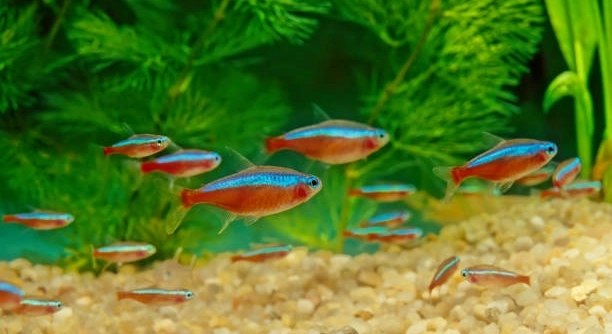
Neon Tetras are popular fish in home aquariums, known for their vibrant colors and peaceful nature. However, like all pets, they can fall ill, and it’s important to know how to care for them when they do.
When treating a sick Neon Tetra, the first step is to identify the symptoms of illness, such as changes in behavior, appearance, or swimming patterns. A clean and stable environment, along with proper medication, is key to their recovery.
By following the right steps, you can help your Neon Tetra recover quickly and prevent future health issues. We’ll go over the essential tips to ensure their well-being.
Understanding Neon Tetra Health Issues
Neon Tetras are generally hardy, but like all fish, they can sometimes face health issues. They can suffer from common diseases like fin rot, dropsy, or ich, each showing different signs. It’s important to regularly observe their behavior and physical condition to catch early signs of sickness. Healthy Tetras typically swim actively, have clear eyes, and show vibrant coloring. If these signs change, the fish might be unwell. Stress from water quality, temperature changes, or poor diet can also lead to illness. It’s essential to maintain a stable and clean tank environment to prevent these issues.
The health of your Neon Tetra is closely linked to the environment they live in. Ensuring proper tank conditions and a balanced diet can go a long way in preventing diseases.
When you spot something off with your Neon Tetra, such as lethargy, faded color, or irregular swimming, it’s crucial to address it quickly. Identifying the signs early can help save your fish and prevent more severe health problems down the line.
Maintaining Clean Tank Conditions
A clean tank is the foundation of good fish health. Regular water changes, cleaning the filter, and monitoring water parameters like temperature, pH, and ammonia levels are essential. Neon Tetras thrive in water that is soft to slightly acidic, with a temperature between 72°F and 78°F. Overcrowding or dirty water can lead to stress, making fish more susceptible to diseases. Always test your water regularly to ensure it’s within safe levels for your fish.
It’s crucial to also clean any decorations and substrate in the tank. Algae buildup can harm the water quality, making it harder for your Tetras to stay healthy.
Taking these preventive measures reduces the risk of infections and helps keep your Neon Tetras in their best shape. Consistently maintaining the tank can prevent a wide range of health problems and support their well-being in the long run. If you notice any issues with the tank’s cleanliness or water quality, address them promptly.
Identifying Common Neon Tetra Diseases
Neon Tetras are prone to several diseases, including ich, fin rot, and dropsy. The first sign of illness often shows in their swimming patterns or physical appearance. Ich causes white spots on the body, while fin rot makes the fins appear frayed or discolored. Dropsy leads to bloating and abnormal swelling. Recognizing these symptoms early can help you treat your fish before the condition worsens.
Once you notice something off, it’s important to isolate the affected fish in a separate quarantine tank if possible. This helps prevent the spread of disease to other fish. Treating the illness promptly with the right medication can also speed up recovery.
Regularly monitoring your Neon Tetras for unusual behavior or physical changes will help keep them healthy. Maintaining a good routine of tank maintenance and water quality testing is essential in preventing these diseases from taking hold in the first place. If you catch a problem early, the chances of a successful recovery are much higher.
Proper Diet for Neon Tetras
Neon Tetras are omnivores, meaning they need a balanced diet of plant-based and protein-rich foods. High-quality flakes, pellets, and occasional live or frozen foods like brine shrimp or bloodworms are ideal. Overfeeding can lead to poor water quality and health issues. A varied diet supports their immune system and enhances their natural coloring.
While flakes and pellets are convenient, providing live or frozen food can be beneficial for their health. These foods more closely resemble what they would eat in the wild and provide a boost to their diet. However, be sure to remove any uneaten food after a few minutes to prevent it from polluting the tank.
The right nutrition helps prevent malnutrition and supports strong immune systems. A proper diet can also reduce the likelihood of infections, as a well-fed fish is less susceptible to stress and illness. Balance is key when feeding your Neon Tetras, so avoid overfeeding and choose a mix of foods that suit their needs.
Treating Waterborne Illnesses
Waterborne illnesses, like ich or velvet, spread quickly in an aquarium. These diseases are often caused by poor water conditions, and they can be treated with medication designed for specific parasites. Keep your fish isolated in a quarantine tank while treating them to prevent spreading the illness.
Always follow the instructions on the medication carefully. Overuse or incorrect dosing can harm the fish or affect the tank’s ecosystem. Be patient, as waterborne diseases can take a few days to fully treat. Regular water changes and good filtration will also help reduce the chances of future outbreaks.
The Role of Temperature in Recovery
Temperature plays a vital role in your Neon Tetra’s recovery. For many illnesses, slightly increasing the water temperature can speed up the healing process. A warmer environment helps the fish metabolize treatments more effectively. However, avoid drastic temperature changes, as this can cause additional stress.
Gradually raise the temperature by a few degrees, ensuring it stays within the ideal range of 76°F to 78°F. Keep an eye on the fish during this time to see if their condition improves. Always monitor the tank’s temperature with a reliable thermometer.
Preventing Stress in Neon Tetras
Stress is one of the biggest factors contributing to illness in Neon Tetras. Overcrowding, sudden water changes, and poor tank mates can cause undue stress. To prevent this, ensure your tank has plenty of hiding spots and is not too crowded.
A peaceful environment helps the fish feel secure, reducing the chances of illness. Choosing compatible tank mates, such as peaceful shrimp or snails, can also prevent stress.
FAQ
What are the most common signs that my Neon Tetra is sick?
The most common signs of illness in Neon Tetras include faded colors, unusual swimming patterns, lethargy, loss of appetite, or abnormal growths on the body. Additionally, if you see white spots (like in ich), frayed fins (indicating fin rot), or swelling (dropsy), your fish may be unwell. Keep an eye on changes in behavior or appearance, as these are usually the first indicators of a problem.
How can I treat my Neon Tetra for ich?
To treat ich, you need to raise the temperature of the water slightly and add an anti-ich medication. Start by increasing the water temperature to about 78°F, but avoid sudden changes. Medication will help target the parasite causing the ich. Make sure to isolate the affected fish in a separate tank to prevent the disease from spreading. Follow the medication’s instructions carefully for the best results.
Can I treat Neon Tetras for fin rot at home?
Yes, fin rot can usually be treated at home. First, isolate the infected fish in a quarantine tank to prevent the spread of bacteria. Next, perform a partial water change and make sure the water quality is optimal. Use an antibacterial medication designed for fin rot, and ensure the water temperature is appropriate. If the rot is severe, it may take a while for the fins to heal, but with good care, they should regenerate.
How do I prevent Neon Tetras from getting sick?
Preventing illness in Neon Tetras starts with maintaining good tank conditions. Ensure the water quality is pristine by performing regular water changes, using a reliable filter, and testing the water for harmful substances like ammonia, nitrites, and nitrates. Avoid overcrowding, keep the tank free of sharp objects, and provide a varied diet. Regularly monitor the behavior and appearance of your fish, and address any issues promptly.
How often should I change the water in my Neon Tetra tank?
It’s best to change about 25-30% of the water in your Neon Tetra tank every 1-2 weeks. This helps maintain a stable environment and removes toxins like ammonia and nitrate. If your tank is overstocked or has poor filtration, you may need to increase the frequency of water changes. Always check the water parameters before and after each change.
Is my Neon Tetra’s color fading a sign of illness?
Yes, fading color can be a sign that your Neon Tetra is stressed, sick, or not receiving proper care. Stress factors, such as poor water quality, incompatible tank mates, or overfeeding, can cause a fish to lose its vibrant colors. Illnesses like parasites or internal infections can also lead to color loss. If the fading persists, consider checking your fish’s environment and look for other signs of illness.
What should I feed my sick Neon Tetra?
When your Neon Tetra is sick, you should provide easily digestible food, such as high-quality flakes or pellets. For added nutrition, you can feed them live or frozen foods like brine shrimp or bloodworms. Avoid overfeeding, as uneaten food can pollute the water, worsening the situation. If your fish refuses to eat, try offering small portions or switching to a different type of food. Some fish may prefer certain foods when they’re not feeling well.
Can Neon Tetras live with other species of fish?
Yes, Neon Tetras are peaceful and can live with a variety of other fish, especially small, non-aggressive species. Good tank mates include Corydoras catfish, shrimp, and small peaceful species like guppies or mollies. Avoid keeping them with larger or aggressive fish, as they might stress or harm the Tetras. Always research potential tank mates to ensure compatibility before introducing new fish.
How do I know if my Neon Tetra is stressed?
Stressed Neon Tetras may exhibit abnormal behavior like hiding, erratic swimming, or staying at the surface. They may also lose their color or stop eating. Stress in Neon Tetras can be caused by overcrowding, sudden water changes, or aggressive tank mates. To reduce stress, ensure the tank has adequate space, hiding spots, and stable water conditions.
What temperature is ideal for Neon Tetras?
Neon Tetras thrive in water temperatures between 72°F and 78°F. If the temperature drops below 70°F, the fish may become stressed and more susceptible to disease. Ensure that your tank’s heater maintains a consistent temperature within this range, as sudden fluctuations can lead to illness or stress. Always monitor the water temperature with a reliable thermometer.
How can I prevent my Neon Tetras from getting parasites?
To prevent parasites, it’s crucial to maintain good water quality and reduce stress factors in the tank. Quarantine new fish before introducing them to your main tank to avoid bringing in parasites. Regularly clean the tank and test the water parameters to ensure they are within safe ranges. Additionally, avoid overfeeding and provide a varied diet to strengthen your fish’s immune system.
Final Thoughts
Caring for Neon Tetras requires attention to detail and a commitment to maintaining a healthy tank environment. These fish are relatively hardy, but like all pets, they need the right care to thrive. Keeping the water clean, providing a balanced diet, and ensuring the tank is stress-free are key to their health. When they do fall ill, it’s important to act quickly by identifying symptoms early and isolating the affected fish. The sooner you address health issues, the better the chances of a successful recovery.
If your Neon Tetra is sick, it’s essential to understand the illness and choose the right treatment. Diseases like ich, fin rot, and dropsy can often be managed with appropriate medications and proper tank conditions. But remember, prevention is always better than treatment. By keeping a close eye on water quality, maintaining a stable environment, and avoiding overcrowding, you can minimize the risks of your Tetras getting sick. Regularly monitoring their behavior and appearance can help spot early signs of illness and prevent bigger problems later on.
Overall, Neon Tetras can live long, healthy lives with the proper care. While they can face health challenges, knowing what to do when they get sick makes a big difference in their recovery. By following these tips and maintaining good aquarium practices, your Tetras will have the best chance to stay healthy and happy. With the right environment, diet, and attention to their well-being, you can enjoy watching your Neon Tetras thrive for years to come.

Hello,
If you enjoy the content that we create, please consider saying a "Thank You!" by leaving a tip.
Every little bit helps us continue crafting quality advice that supports the health, happiness, and well-being of pets around the world, for pets of all shapes, sizes, and species.
We really appreciate the kindness and support that you show us!