
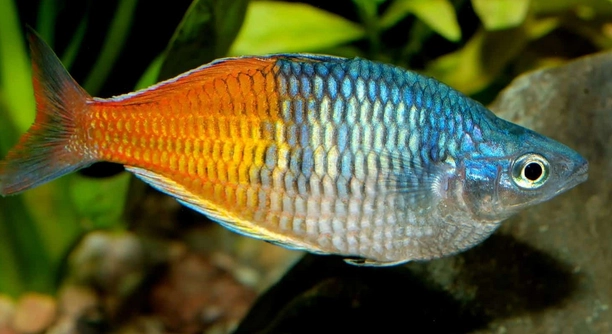
Traveling with fish can be a challenge, especially when ensuring their safety and comfort. If you own rainbow fish, understanding the best practices for transport is key to maintaining their well-being during the journey.
To travel with rainbow fish safely, ensure the fish are placed in an appropriate transport container with clean, oxygenated water. Use a well-sealed bag or portable aquarium, and maintain a stable water temperature throughout the trip.
With proper preparation, your rainbow fish will have a smooth and stress-free journey. Continue reading to learn more about the ideal conditions and techniques for traveling with your colorful companions.
Preparing Your Rainbow Fish for Travel
When preparing your rainbow fish for transport, it’s important to consider their specific needs. These fish are sensitive to changes in their environment, so keeping them calm and comfortable during the move is essential. Start by setting up a proper transport container. A sturdy, leak-proof bag or small portable aquarium works best. Fill it with water from their home tank, as sudden changes in water conditions can cause stress. Make sure the water temperature is stable and close to the temperature in their tank.
Next, check the water quality. Since fish produce waste even in small quantities, it’s a good idea to add an oxygen source to keep the water fresh. You can use an air pump or simply make sure the container is not overfilled, allowing room for oxygen exchange. Avoid feeding your rainbow fish right before the trip, as uneaten food can contaminate the water.
These preparations will help keep your fish healthy and calm throughout the move, ensuring they arrive in good condition.
Keeping the Right Temperature
Temperature regulation is key to ensuring your rainbow fish’s well-being.
Rainbow fish are sensitive to extreme temperature changes. During transport, their environment should remain stable, ideally within the same range they’re used to in their tank. You can use insulated containers or a heat pack if the temperature is too cold.
Choosing the Right Transport Container
When selecting a transport container, size matters. Choose a container that’s large enough for your fish to swim comfortably, but not too large that the water becomes unstable. A small, secure bag or a portable aquarium will work best. Avoid using containers with sharp edges or openings that could harm the fish.
Make sure the container has enough water to cover the fish, but leave some room at the top for oxygen exchange. This helps prevent stress and allows the fish to breathe easily during transport. If you’re using a plastic bag, be sure it is tightly sealed to avoid any leaks. It’s a good idea to double-bag the fish for added security and to prevent accidents.
Investing in a reliable, properly-sized transport container ensures your rainbow fish stay safe and comfortable while being moved from one place to another.
Water Quality During Transport
Maintaining water quality is critical for your rainbow fish’s health. Without the right conditions, even short trips can stress your fish. Before setting off, check the water’s pH, ammonia, and nitrate levels. Make sure they are within the normal range to prevent toxic buildup.
If you’re traveling for a longer period, consider adding a water conditioner or a small filtration system to help maintain cleanliness. Avoid feeding your fish a few hours before travel to prevent waste from contaminating the water. A clean environment reduces the chance of stress and keeps your fish healthy.
You should also monitor the water temperature throughout the trip. Even small fluctuations can affect the fish’s comfort and overall health, so it’s important to regularly check and adjust if needed.
Handling the Fish During Transport
When handling your rainbow fish, always be gentle. Avoid excessive movement or jolting, as sudden shifts can stress them out. If you’re using a bag, hold it securely to prevent it from tipping over. Try to keep the transport container stable to minimize disturbances.
Rainbow fish are delicate and easily stressed, so handling them with care is essential for their well-being. Transporting them in a calm, controlled manner ensures they stay healthy and avoid injury. Minimizing movement will also prevent water quality from degrading quickly. Keep them as undisturbed as possible.
Securing the Fish in the Car
While traveling by car, secure the transport container in a stable spot to prevent it from rolling around. Use a seatbelt to hold the container in place, or position it in an area where it won’t shift during sudden stops. The goal is to avoid any jostling.
Ensure the car is at a comfortable temperature for the fish, neither too hot nor too cold. It’s also important to avoid placing the container in direct sunlight or near air vents, which can cause temperature swings. Consistent conditions help the fish stay calm.
Monitoring the Fish During Travel
Constantly check on your fish while traveling. Keep an eye on the water clarity and temperature. If the water starts getting cloudy or warm, take steps to correct it. A quick stop can give you the chance to adjust the conditions if needed.
Make sure to avoid stressful situations such as loud noises or rapid temperature changes. These can affect the fish’s stress levels and overall health. Monitoring the transport environment ensures that your rainbow fish stay comfortable during the entire trip.
FAQ
How long can rainbow fish safely be transported?
Rainbow fish can typically be transported for up to 24 hours if conditions are ideal. However, the shorter the trip, the better. Prolonged transport can cause stress, even if the water quality and temperature are well-maintained. If you’re planning a longer trip, make sure to check on your fish frequently and keep the water conditions stable.
Can I transport rainbow fish in a plastic bag?
Yes, you can transport rainbow fish in a plastic bag, but make sure it is appropriately sized. The bag should not be too large or too small. You want enough water for the fish to move around, but not so much that the water becomes unstable. It’s a good idea to double-bag the fish for extra security and to prevent any leaks during transport.
How do I ensure the water temperature stays stable during travel?
To maintain the water temperature, use an insulated container or wrap the transport bag with a towel or blanket. If you’re traveling in cold weather, consider using a heat pack designed for aquarium use. Just make sure the heat pack doesn’t directly touch the fish. For warmer conditions, keep the fish away from direct sunlight or areas where heat could build up, such as near car vents.
Should I feed my rainbow fish before transport?
It’s best not to feed your rainbow fish for about 12-24 hours before transport. Feeding right before the trip can lead to uneaten food, which may affect water quality and cause stress. Allowing them to fast will help minimize waste and ensure the water stays cleaner during travel.
How can I keep the water clean during transport?
To keep the water clean, avoid overfilling the transport container. Only add enough water to cover the fish while leaving room for oxygen exchange. If possible, use a small portable filtration system or an oxygen source. You can also add an aquarium water conditioner to help keep the water clear and fresh for longer.
Is it safe to use an air pump during transport?
Yes, an air pump can help provide oxygen during transport, especially if you’re traveling for a long period. However, make sure the pump is suitable for use in a car or portable environment. You don’t want to risk the pump malfunctioning, which could affect the water’s oxygen levels.
Can I use a cooler to transport rainbow fish?
Using a cooler can be an effective way to maintain a consistent temperature during transport, especially in extreme weather conditions. However, make sure the cooler is well-ventilated to allow for oxygen exchange. The cooler should also be insulated but not too tight, as your fish still need airflow to breathe.
How do I prevent rainbow fish from becoming stressed during transport?
To reduce stress, keep the environment as stable as possible. Avoid loud noises, sudden temperature changes, or rough movements. If you’re transporting them for a long time, check on the fish regularly to make sure the water temperature and quality are within ideal ranges. You can also keep the transport container in a dark, quiet area to help keep them calm.
What should I do if my rainbow fish looks sick during transport?
If you notice that your rainbow fish is showing signs of stress, such as rapid breathing, discoloration, or floating at the top or bottom of the container, stop and assess the situation. Check the water quality and temperature. If needed, change some of the water or adjust the environment to ensure it is stable. If the situation worsens, it may be best to contact a veterinarian or an expert in fish care.
Can rainbow fish travel by air?
Rainbow fish can travel by air, but it’s important to prepare accordingly. Use a secure, oxygenated container to ensure they can breathe during the flight. If possible, speak with the airline in advance to ensure the fish will be treated properly and that their transport conditions will meet the necessary standards for animal travel.
How can I tell if my rainbow fish is too stressed during transport?
Signs of stress in rainbow fish include rapid gill movement, erratic swimming, or sitting at the bottom or top of the container. You might also see them flashing (scratching against surfaces), breathing heavily, or showing signs of discoloration. If any of these symptoms appear, try to stabilize the water quality and temperature, and minimize any disturbances.
Do I need to acclimate my rainbow fish after transport?
Yes, acclimating your rainbow fish is important after transport. Once you reach your destination, allow them to adjust gradually to the new environment. You can do this by slowly mixing the transport water with the water in their new tank over a period of 20-30 minutes. This helps them adjust to differences in temperature and water quality.
Final Thoughts
Transporting rainbow fish can be a delicate process, but with the right preparation, it’s entirely manageable. The key to ensuring their safety during travel is creating a stable environment. Whether you’re using a bag or a portable aquarium, make sure the water quality is maintained, and the temperature remains consistent. Don’t forget to keep the fish in a secure spot to minimize stress. With a little attention to detail, your rainbow fish can travel safely and comfortably.
When it comes to the duration of travel, shorter trips are always preferred. Extended periods can cause more stress, even with the best preparations. Keeping the trip as brief as possible is ideal. If a longer journey is necessary, be sure to check on your fish frequently, especially if you’re traveling for several hours or more. Monitoring the water quality and temperature throughout the trip helps prevent any issues from developing. It’s also a good idea to minimize external disruptions like loud noises or sudden movements, as this can add to the stress.
Remember, the health and well-being of your rainbow fish are the top priorities during transport. Proper handling, stable conditions, and minimal stress will ensure they arrive at their destination in good condition. Even if you are transporting them for a short time, giving attention to their needs along the way can make a significant difference in their overall health. With these tips in mind, you’ll be able to take your rainbow fish wherever they need to go with confidence.

Hello,
If you enjoy the content that we create, please consider saying a "Thank You!" by leaving a tip.
Every little bit helps us continue crafting quality advice that supports the health, happiness, and well-being of pets around the world, for pets of all shapes, sizes, and species.
We really appreciate the kindness and support that you show us!