
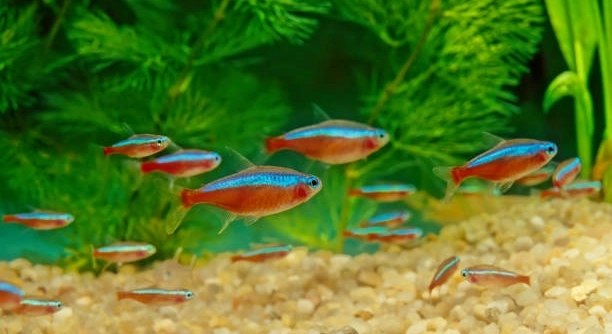
Transporting Tetras can be challenging if you want to keep them healthy and stress-free during the move. Many people struggle to find the right balance between safety and comfort for these delicate fish. Proper preparation is key to avoiding harm.
The best approach to transport Tetras safely involves using a secure, oxygenated container with clean water at the right temperature. Minimizing handling, avoiding sudden temperature changes, and limiting travel time all reduce stress and prevent injury during transit.
Following these proven tips will help ensure your Tetras arrive calm and unharmed. Keeping them comfortable throughout the journey is essential for their well-being.
Preparing the Right Container
Choosing the right container is the first step to transporting Tetras safely. A sturdy plastic bag or a small, sealed aquarium container works well. Make sure the container is clean and free of chemicals or residues. Fill it with water from the tank where the Tetras currently live, as this helps reduce stress. Add enough water to allow the fish to swim comfortably but avoid overfilling to prevent spills. Oxygen is important, so leave some air space or use an oxygen tablet if the trip will be longer. Seal the container tightly but gently to avoid harming the fish. If you’re using a plastic bag, double-bag it to prevent leaks. Label the container to avoid confusion if you’re transporting multiple fish. A well-prepared container keeps the Tetras safe and stable during transport, ensuring they stay healthy until you move them to their new home.
Transport containers need to be sturdy and secure to prevent leaks or damage.
Keeping your container secure and oxygenated helps reduce stress and maintains stable water conditions for your Tetras.
Temperature Control During Transport
Maintaining a stable temperature is essential for the health of your Tetras while transporting them. Sudden temperature changes can cause shock and weaken their immune system. Keep the container insulated by using a cooler or wrapping it in towels. This helps maintain a consistent temperature and protects the fish from extreme heat or cold. Avoid placing the container in direct sunlight or near heating or cooling vents. If the travel time is long, check the water temperature periodically and adjust insulation as needed. It’s also helpful to transport during cooler parts of the day when temperatures are more stable. A controlled temperature environment helps your Tetras stay calm and reduces the risk of illness. By paying attention to temperature, you are supporting the fish’s well-being throughout the move and preparing them for a smooth transition to their new tank.
Minimizing Stress for Your Tetras
Reducing stress during transport is crucial for the health of your Tetras. Keep noise and movement to a minimum to avoid frightening them. Handle the container carefully and avoid sudden stops or sharp turns.
Stress weakens fish and makes them more prone to illness. Covering the container with a dark cloth can help keep the fish calm by limiting visual distractions. Avoid tapping on the container or opening it unnecessarily during the trip. If possible, maintain a quiet and stable environment around the transport area. These small efforts create a less stressful experience for your Tetras.
Additionally, avoid feeding your fish for at least 24 hours before transport. This reduces waste buildup in the container and lessens the chance of water quality issues. After transport, give your Tetras time to settle in a quiet, stable environment before feeding again. Minimizing stress at every step helps keep your fish healthy and happy.
Acclimating Tetras After Transport
Slow acclimation helps your Tetras adjust to their new tank environment. Start by floating the sealed transport container in the aquarium for 15 to 20 minutes. This equalizes water temperature.
After temperature adjustment, gradually add small amounts of the new tank water to the transport container over 30 to 60 minutes. This helps your fish get used to the new water chemistry. Avoid rushing this process, as sudden changes can cause shock.
Once acclimated, gently release your Tetras into the tank. Avoid dumping the transport water into the aquarium to prevent introducing contaminants. Give the fish time to settle before turning on strong lights or filters. Proper acclimation supports a smooth transition and reduces health risks.
Handling Tetras During Transport
Handle your Tetras with care to avoid injury. Use gentle movements and avoid shaking the container. This reduces physical stress and prevents damage to their delicate fins.
Avoid touching the fish directly. Using a soft net when necessary helps minimize harm and keeps them safe throughout the process.
Choosing the Right Transport Time
Transporting your Tetras during cooler parts of the day helps maintain a stable temperature. Early mornings or late afternoons are ideal. Avoid midday heat or nighttime cold, which can cause stress.
Monitoring Water Quality
Keep an eye on water quality during transport. Test for ammonia and other toxins if possible. Poor water quality can harm your fish quickly.
Securing Transport Containers
Make sure the containers are tightly sealed. Secure lids prevent leaks and accidental spills, keeping your fish safe and the environment stable during transport.
FAQ
How long can Tetras safely stay in transport containers?
Tetras can generally stay in transport containers for up to 6 hours without significant risk if conditions are stable. For trips longer than that, it’s important to ensure adequate oxygen and temperature control. Prolonged transport increases stress and risk of poor water quality, so keep travel time as short as possible.
What type of water should I use in the transport container?
Always use water from your Tetras’ original tank to fill the transport container. This keeps water parameters familiar and reduces stress. If that’s not possible, use dechlorinated water with similar temperature and pH. Avoid tap water with untreated chemicals, which can harm your fish.
Should I feed Tetras before transport?
It’s best to avoid feeding your Tetras 24 hours before transport. Fish produce waste during digestion, which can quickly degrade water quality in a small container. Skipping food helps maintain cleaner water and lowers stress levels during the trip.
Can I use air pumps during transport?
For longer transports, small battery-operated air pumps or oxygen tablets can help keep oxygen levels stable. However, ensure the device doesn’t create strong water currents, as this can stress the fish. For short trips, just leaving air space in the container is usually enough.
Is it safe to transport Tetras in a plastic bag?
Yes, plastic bags are a common and effective way to transport Tetras, especially for short distances. Use two bags, one inside the other, to prevent leaks. Make sure the bags are sealed tightly and provide enough air space for oxygen.
How do I prevent temperature shock when moving Tetras to a new tank?
Float the sealed transport container in the new tank water for 15 to 20 minutes to equalize temperature. Slowly add small amounts of tank water to the container over 30 to 60 minutes to adjust water chemistry before releasing the fish.
What signs of stress should I watch for after transport?
Look for erratic swimming, gasping at the surface, hiding, or loss of appetite. These are common stress signs. Keep the tank environment calm, avoid sudden changes, and monitor water quality to support recovery.
Can I transport Tetras with other fish?
Transporting different species together is possible but not ideal. Different fish may have varying water requirements or behavior that causes stress or aggression. If you must transport mixed species, ensure the container is large enough and monitor closely for signs of conflict.
How do I clean the transport container after use?
Rinse the container with warm water and avoid using soaps or chemicals, which can leave harmful residues. Let it air dry before storing. Regular cleaning prevents buildup of harmful bacteria and keeps the container safe for future use.
Is it okay to transport Tetras without water?
No, transporting Tetras without water is unsafe and can quickly cause severe stress or death. They need water to breathe and maintain their bodily functions. Always use water-filled containers for transport.
What is the best way to secure the transport container in a vehicle?
Place the container on a flat, stable surface away from direct sunlight or vents. Use non-slip mats or towels to prevent sliding. Secure the container to avoid sudden movements or tipping during travel. Gentle driving helps protect the fish from shocks.
How soon can I feed Tetras after transport?
Wait at least 24 hours before feeding to allow the fish to acclimate and reduce stress. Feeding too soon may cause additional stress or poor water quality. Start with small, easy-to-digest portions once they appear calm and active.
Transporting Tetras safely requires careful planning and attention to detail. Every step, from choosing the right container to acclimating the fish afterward, plays an important role in keeping them healthy. It is essential to provide a stable environment during transport, including proper oxygen, clean water, and temperature control. Taking these basic precautions helps reduce stress and the risk of injury or illness. While moving fish can feel challenging, following simple guidelines makes the process manageable and increases the chances of a smooth transition for your Tetras.
A key part of successful transport is minimizing stress for the fish. Stress can weaken their immune system and make them vulnerable to disease. Handling the fish gently, keeping the transport container secure, and avoiding sudden changes in temperature or water quality all contribute to a calmer experience. It is also important to avoid feeding the fish before transport and to allow time for recovery once they reach their new home. These steps support their overall well-being and help the Tetras adapt more easily to their new environment.
Overall, transporting Tetras safely is about being prepared and patient. Careful attention to water quality, temperature, and fish behavior makes a significant difference. Taking the time to follow proven tips can ensure your Tetras arrive healthy and ready to thrive. By respecting their needs during transport and acclimation, you support their long-term health and happiness in their new tank. This approach makes the whole process less stressful for both you and your fish.

Hello,
If you enjoy the content that we create, please consider saying a "Thank You!" by leaving a tip.
Every little bit helps us continue crafting quality advice that supports the health, happiness, and well-being of pets around the world, for pets of all shapes, sizes, and species.
We really appreciate the kindness and support that you show us!