
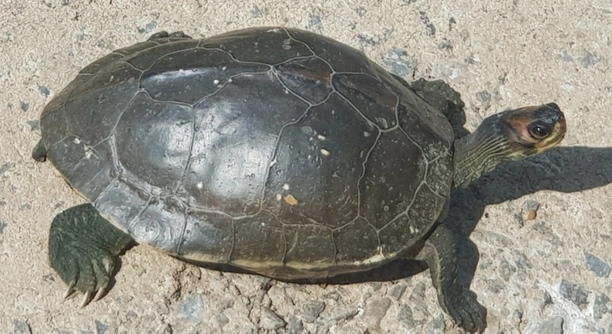
Transporting an Indian Roofed Tortoise safely is essential for its well-being during travel. Whether it’s a short trip or a long journey, ensuring your pet’s comfort and safety requires careful planning. Here are some tips.
The best way to transport an Indian Roofed Tortoise safely is by placing it in a secure, well-ventilated carrier. Ensure the carrier is spacious enough to allow movement but not too large, as excessive space can lead to stress.
By following these tips, you can ensure a safe and comfortable journey for your tortoise, no matter where you’re headed.
Choosing the Right Carrier for Your Tortoise
When transporting your Indian Roofed Tortoise, selecting the right carrier is crucial for their comfort and safety. A well-ventilated, secure carrier will keep them from stress while allowing easy monitoring during the trip. The carrier should be large enough for them to move around but small enough to prevent unnecessary movement. Avoid using carriers with smooth surfaces, as they can make the tortoise slide around. Also, ensure the carrier is made from durable materials to withstand possible bumps during travel. For extra comfort, add soft bedding like shredded newspaper or towels. This helps absorb any moisture and provides a comfortable surface.
Choosing the correct size is essential. If the carrier is too big, your tortoise might feel insecure. If it’s too small, they could feel cramped, which can increase their stress levels. It’s important to strike a balance between size and comfort to keep them safe.
Once you’ve found the right carrier, check the lid or door to make sure it’s properly secured. A tortoise might try to push out, especially if it feels uncomfortable or threatened. Always double-check the locking mechanism before setting off.
Preparing for the Trip
Prepare your tortoise by ensuring it’s calm before placing it into the carrier. Avoid feeding them immediately before travel to prevent motion sickness.
The environment inside the carrier should reflect their natural habitat as closely as possible. Keep the temperature comfortable, as extreme heat or cold can affect your tortoise’s health. If you’re traveling a long distance, consider using a small heat pack to maintain the proper warmth.
Keeping Your Tortoise Safe During Travel
Ensure the carrier remains secure at all times. Avoid placing heavy objects on top of the carrier, as this could damage it and potentially harm your tortoise. Handle the carrier gently to prevent sudden movements. If you need to carry it, make sure you hold it from the bottom to avoid jarring impacts.
During travel, be mindful of the temperature inside the vehicle. Too much heat can cause dehydration, while cold temperatures can lower their body temperature, leading to stress or illness. It’s essential to monitor the temperature closely and adjust accordingly.
Frequent stops for checking on your tortoise can make them feel more secure. If traveling by car, avoid placing the carrier in direct sunlight or near air conditioning vents. The temperature fluctuations can stress your tortoise and make the trip more uncomfortable. Keep a steady pace when driving and avoid abrupt stops or sharp turns to ensure a smooth ride.
Hydration and Nutrition
Keeping your tortoise hydrated during travel is important for their well-being. If you’re traveling for a long period, provide water in a shallow dish inside the carrier. This allows them to drink without spilling the water. However, be cautious of leaks, as it may create a wet environment, which could be uncomfortable for your pet.
Consider packing a small amount of food for the trip. Offering a light snack can help your tortoise feel more comfortable, but avoid feeding them too much right before or during the trip. Overfeeding could lead to digestive issues or stress. Stick to their usual diet, and avoid introducing new foods, as unfamiliar food can cause stomach upset during travel. If you’re on a long trip, feeding them once or twice may be necessary.
Monitoring Your Tortoise’s Behavior
Keep a close eye on your tortoise during the trip. If you notice signs of stress, such as excessive movement or rapid breathing, try to calm the environment by reducing noise or vibrations. Always stop for breaks to check on their well-being.
If your tortoise becomes very stressed, it could lead to health issues, such as dehydration or lethargy. Giving them a moment to rest in a quiet space can help alleviate their discomfort. Keep the carrier covered with a towel or cloth to block out light and noise, creating a more peaceful atmosphere.
Choosing the Right Travel Time
Traveling during cooler times of the day can help your tortoise stay comfortable. Early mornings or evenings are ideal, as temperatures tend to be more stable and less stressful for your pet. Avoid traveling during the hottest parts of the day, especially in summer.
By planning travel during cooler times, you reduce the risk of overheating, which can be dangerous for your tortoise. Traveling at night can also minimize road traffic and distractions, making the trip smoother and less stressful for both you and your pet.
Post-Travel Care
Once you’ve reached your destination, immediately check the environment. Ensure the space is safe and secure for your tortoise to explore. Offer water and food if necessary. Allow your tortoise time to settle into its new surroundings before letting them roam freely.
FAQ
What should I do if my tortoise is too stressed during travel?
If your tortoise becomes stressed, try to minimize external factors that could cause anxiety, such as loud noises or sudden movements. Stop periodically to check on your tortoise and give them time to calm down. If they seem overly stressed, you can cover the carrier with a cloth to reduce visual stimuli. Avoid opening the carrier frequently as this can cause more distress. Ensure the temperature remains stable to prevent further discomfort. In extreme cases, consult a veterinarian about potential stress-related issues.
How long can I transport my tortoise without a break?
It’s best to stop every 2-3 hours during longer trips to ensure your tortoise remains comfortable. Offering a break allows them to drink water and reduces the risk of dehydration. A break also gives you a chance to monitor their behavior and ensure the carrier is secure. Although tortoises are relatively hardy, extended periods of confinement without breaks can lead to stress or discomfort. Frequent stops, even if brief, help maintain a stable environment for your pet.
Can I feed my tortoise during the trip?
Feeding your tortoise during the trip is possible, but it’s important not to overfeed them. You can offer small amounts of food, but avoid feeding them right before or during travel to reduce the risk of motion sickness or digestive issues. Stick to their usual diet and avoid introducing new foods that may upset their stomach. If the trip is short, you can wait until after you arrive at your destination to offer food. A light snack, like a small piece of lettuce or some fruit, can help comfort them if necessary.
Is it safe to travel with a baby tortoise?
Baby tortoises are more fragile than adults, so extra care is needed during travel. Keep them in a secure, smaller carrier to limit movement. Baby tortoises are more sensitive to temperature fluctuations, so ensure the environment stays warm and consistent. Avoid placing the carrier in direct sunlight or too close to air conditioning vents. For longer trips, use heat packs to regulate the temperature inside the carrier. Additionally, monitor your baby tortoise closely for signs of stress, dehydration, or discomfort, as they may be more vulnerable.
How can I prevent my tortoise from getting dehydrated during travel?
Dehydration is a common concern when transporting tortoises. To keep your tortoise hydrated, provide a shallow dish of water inside the carrier. If you’re traveling by car, stop every couple of hours to allow your tortoise to drink. You can also offer moist food like leafy greens to help with hydration. Make sure the carrier remains well-ventilated and not too hot, as extreme temperatures can increase the risk of dehydration. Keeping the environment cool and stable is crucial for maintaining proper hydration levels.
Should I travel with my tortoise during extreme weather conditions?
Traveling with your tortoise during extreme weather conditions, such as extreme heat or cold, is not recommended. Both high and low temperatures can cause significant stress or even harm to your tortoise. If you must travel during such conditions, ensure the carrier is properly insulated to maintain a stable temperature inside. Consider using a heat pack for cold weather or an ice pack for hot weather, but never place them directly on the tortoise. Always check the weather forecast and plan your travel for a time when conditions are more moderate.
Can I use a plastic container as a carrier for my tortoise?
Plastic containers can work as carriers, but you must ensure they are well-ventilated and large enough for your tortoise to move comfortably. The container should have secure latches or a locking mechanism to prevent accidental opening during travel. Avoid using plastic containers that are too small, as this can increase stress and discomfort for your tortoise. Also, ensure the container doesn’t have sharp edges that could harm them. Adding bedding like newspaper or towels will provide extra comfort and help absorb moisture.
Is it okay to let my tortoise roam freely in the car?
Letting your tortoise roam freely in the car is not a safe option. It can be dangerous for both your pet and other passengers. Your tortoise could get injured if there’s a sudden stop, or they could wander into areas where they could be harmed. A secure carrier is the safest option to prevent any accidents. The carrier will also protect them from sudden temperature changes, vibrations, and any other potential hazards in the car. Keeping your tortoise secure ensures they remain safe throughout the trip.
What type of bedding should I use in the carrier?
For bedding, soft materials like shredded newspaper, towels, or soft fabric work well. These provide cushioning and comfort for your tortoise, reducing the chance of injury from sudden movements. Avoid using bedding that could be harmful, such as cedar or pine shavings, as they can release harmful oils that are toxic to reptiles. Ensure the bedding is absorbent, as it will help keep the carrier dry and clean. Change the bedding regularly to maintain a hygienic environment for your tortoise.
How do I know if my tortoise is too hot or too cold during travel?
Signs that your tortoise is too hot include excessive panting, rapid breathing, or lethargy. If your tortoise becomes overheated, move them to a cooler environment immediately. On the other hand, if your tortoise is too cold, they may become sluggish or inactive. A cool tortoise may also retract into its shell. To prevent these issues, make sure the temperature in the carrier remains stable. Keep the carrier away from direct sunlight or air conditioning vents to avoid temperature extremes. Regularly check the environment to ensure it stays within the ideal range for your tortoise’s health.
Final Thoughts
Transporting an Indian Roofed Tortoise requires careful planning and attention to detail to ensure their safety and comfort. The key to a smooth trip is maintaining a stable environment for your tortoise. This means controlling the temperature, limiting stress, and stopping frequently to check on their well-being. Keeping them hydrated and offering breaks is essential to avoid any discomfort during the journey. Make sure your tortoise’s carrier is spacious, secure, and well-ventilated to prevent any issues during travel.
It’s also important to be mindful of the external conditions during the trip. Avoid traveling during extreme weather, as hot or cold temperatures can negatively impact your tortoise’s health. Instead, aim for times of the day when temperatures are more moderate. Plan your travel route and take note of the locations where you can stop to give your tortoise a break. By choosing the right time and making frequent stops, you can help reduce any stress or discomfort for your tortoise.
By following these tips and being attentive to your tortoise’s needs, you can help make the trip as comfortable as possible for them. Whether you’re traveling for a short or long distance, careful preparation will ensure that your tortoise arrives safely at their destination. Remember to always keep their well-being in mind and adjust your plans as necessary to keep them comfortable throughout the trip.

Hello,
If you enjoy the content that we create, please consider saying a "Thank You!" by leaving a tip.
Every little bit helps us continue crafting quality advice that supports the health, happiness, and well-being of pets around the world, for pets of all shapes, sizes, and species.
We really appreciate the kindness and support that you show us!