
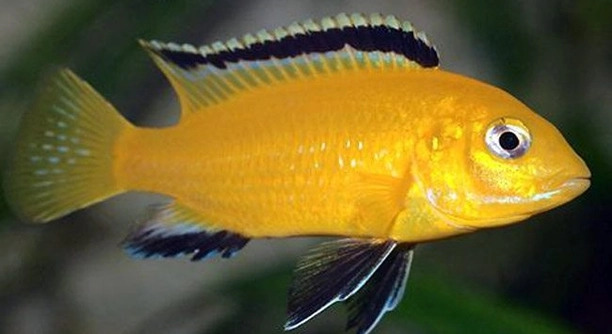
Transporting African cichlids requires care and attention to ensure their safety. These colorful fish are sensitive to changes in their environment and need proper handling. Knowing the right steps can help keep them healthy during the journey.
The safest method to transport African cichlids involves using clean, oxygenated water in secure containers, minimizing stress by maintaining stable temperatures, and avoiding overcrowding. Proper preparation and gentle handling reduce the risk of injury and illness.
Understanding how to protect your fish during transport helps guarantee they arrive healthy and ready to thrive. This article will guide you through essential tips and best practices for safe travel.
Preparing for Transport
Before moving your African cichlids, it is important to gather all necessary supplies. You will need a sturdy container, like a plastic bag or a small aquarium, clean water from their tank, an oxygen source if possible, and a way to regulate temperature. Using water from their current habitat reduces stress since the water chemistry is familiar to them. Avoid feeding the fish at least 12 hours before transport to reduce waste buildup in the container. Secure the container tightly to prevent leaks and limit movement inside. Keeping the environment stable during transport helps reduce stress and potential injuries. Preparing everything in advance can make the process smoother and safer for your fish.
Transporting fish without proper preparation increases their risk of shock and illness. Taking time to prepare creates a safer environment and promotes their well-being during transport.
Having a well-planned setup allows you to focus on careful handling and temperature control during transport. These small steps can greatly improve your fish’s comfort and survival.
Handling and Temperature Control
Maintaining a steady temperature is crucial when moving African cichlids. Sudden changes in temperature can cause shock and weaken their immune system. Use insulated containers or add heat packs if the weather is cold, but be careful to avoid overheating. When handling the fish, avoid rough movements and loud noises. Minimize the time they spend outside their regular tank to reduce stress and avoid oxygen depletion. Gently placing them into the transport container and keeping it stable during transit helps prevent injury.
Keeping conditions steady and handling fish gently will improve their chances of arriving healthy and calm. Proper temperature control and careful handling are key to safe transport.
The right temperature range for most African cichlids is between 74 and 82 degrees Fahrenheit. Using insulated containers keeps this temperature steady even in changing weather. Avoid shaking or dropping the container. Keep the transport area quiet to reduce stress. If you must travel a long distance, consider oxygenating the water with a portable air pump. Once you reach your destination, slowly acclimate the fish to the new tank water to prevent shock. Following these steps ensures a smoother adjustment period and reduces health risks after transport.
Choosing the Right Container
Using the right container is essential for safe transport. It should be sturdy, leak-proof, and large enough for the fish to move comfortably. Plastic bags with thick walls or small plastic tubs work well.
Plastic bags are popular because they are lightweight and disposable. Fill the bag with water from the fish’s tank, leaving enough air space for oxygen. Double-bagging adds extra security against leaks. Use rubber bands or clips to seal the bags tightly. If you plan a longer trip, consider using small plastic tubs with lids to reduce movement inside. These containers are reusable and more stable. Make sure the container fits well in your transport carrier to avoid tipping.
Avoid overcrowding the container as it can increase stress and reduce oxygen levels. Transporting a few fish per container helps maintain water quality and prevents injury. If you have multiple fish, use several containers instead of crowding one. Always label containers clearly if you use more than one to keep track during transport. Proper container choice protects your fish and keeps the process organized.
Acclimating African Cichlids After Transport
Acclimating your African cichlids is important to help them adjust to the new environment. Slowly mix the new tank water with the transport water over a period of at least 30 minutes. This reduces shock caused by differences in temperature, pH, and other water parameters.
Start by floating the sealed container or bag in the tank to equalize temperature. Open the container carefully and add small amounts of tank water every 5-10 minutes. Avoid adding the transport water to the tank, as it may contain waste or contaminants. Use a net to transfer the fish gently into the new tank rather than pouring water from the bag. Watch the fish closely for signs of stress or illness over the next few days. Proper acclimation helps ensure their health and encourages them to settle in quickly.
Minimizing Stress During Transport
Reducing stress is key to keeping African cichlids healthy. Keep the transport container in a dark, quiet place to calm the fish. Avoid sudden movements and loud noises during handling.
Limiting exposure to bright light helps reduce their activity and stress levels. Covering the container with a towel or cloth can provide a sense of security and calm.
Monitoring Water Quality
Water quality can quickly decline during transport. Ammonia and waste build up as fish produce toxins, which can harm them if not managed.
Using water conditioners before transport helps neutralize harmful substances. Changing the water or using activated carbon filters after arrival can improve water conditions. Maintaining good water quality prevents health issues during and after transport.
Handling Emergencies
In case of emergencies, act quickly but calmly. If a leak or spill occurs, transfer fish to a backup container with prepared water.
Keep spare supplies on hand to handle unexpected problems. Being prepared ensures your fish remain safe even if complications arise.
Avoid Overfeeding Before Transport
Feeding fish right before transport can cause waste buildup and poor water quality. It’s best to stop feeding them at least 12 hours before moving.
This simple step helps keep the water cleaner and reduces stress during transport.
FAQ
How long can African cichlids be safely transported?
African cichlids can usually be transported safely for up to 24 hours if conditions are carefully controlled. This includes maintaining stable temperatures, sufficient oxygen, and clean water. For longer periods, oxygenating the water or using specialized equipment becomes necessary to reduce stress and avoid health risks.
What type of water should I use for transporting African cichlids?
Use water from the fish’s current tank for transport. This water has the right temperature and chemical balance the fish are used to. If tank water is not available, use dechlorinated water that matches the temperature and pH of their tank as closely as possible.
Is it necessary to add oxygen to the transport container?
Adding oxygen is highly recommended for trips longer than a couple of hours. Oxygen supports the fish’s breathing and reduces stress. Small portable air pumps or oxygen tablets can be used to maintain oxygen levels during transport.
Can I transport multiple cichlids in one container?
It’s better to avoid overcrowding. Transporting a few fish per container helps maintain water quality and prevents injuries. Overcrowding increases stress and wastes build up faster, which can harm your fish. Use separate containers if you have many fish.
Should I feed my cichlids before transport?
It’s best to stop feeding at least 12 hours before transport. Feeding right before moving can cause excess waste in the container, leading to poor water quality and increased stress for the fish during transport.
How do I acclimate cichlids after transport?
Float the sealed transport container in the new tank to equalize temperature. Slowly add small amounts of new tank water every 5 to 10 minutes over 30 minutes. Use a net to gently transfer fish into the tank, avoiding pouring transport water in. This gradual process helps prevent shock.
What if the transport container leaks?
Have a backup container ready. If a leak happens, quickly and calmly transfer the fish into the spare container with prepared water. Being prepared helps avoid panic and reduces risks to your fish’s health.
How can I reduce stress during transport?
Keep the container in a quiet, dark place and limit movement. Covering the container with a towel can help reduce light and give the fish a sense of security. Avoid loud noises and sudden jerks while handling.
What temperature should be maintained during transport?
African cichlids thrive between 74 and 82 degrees Fahrenheit. Use insulated containers or heat packs in cold weather to keep temperature steady. Avoid extreme temperature swings, as this can cause shock and weaken their immune system.
Can I use regular plastic bags for transport?
Yes, thick plastic bags are common and effective for short trips. Fill the bag partially with water and leave air space for oxygen. Double-bagging helps prevent leaks. For longer trips, more rigid containers may be better for stability and oxygen control.
How do I keep the water clean during transport?
Use clean water from their tank and avoid feeding before transport. For trips over a few hours, adding water conditioners can help neutralize toxins. Changing water right after transport also supports the fish’s health.
Is it safe to transport fish in a car?
Transporting fish in a car is common and safe when done carefully. Keep containers secure to avoid tipping or shaking. Control temperature with insulated carriers or blankets. Drive smoothly and avoid sudden stops to reduce stress.
What should I do if my fish show signs of stress after transport?
Signs include heavy breathing, clamped fins, or lethargy. Check water quality and temperature immediately. Perform a partial water change if needed, and keep the tank environment calm and stable. If symptoms persist, consult a vet or experienced aquarist.
Can African cichlids be transported by air?
Air transport requires special permits and packaging. Fish need oxygenated containers, stable temperatures, and protection from pressure changes. If you plan air transport, use professional services experienced in live fish shipping to ensure safety.
How do I prepare the transport container the night before?
Prepare by filling containers with clean, temperature-matched water. Add conditioners and oxygen if needed. Avoid feeding fish just before transport. Secure lids or seal bags tightly. Double-check that all supplies are ready for smooth handling.
These frequently asked questions cover key concerns when transporting African cichlids. Following these practical tips helps ensure your fish stay safe and healthy throughout the process.
Transporting African cichlids safely requires careful planning and attention to detail. These fish are sensitive to changes in their environment, so preparing properly before the move is very important. Using clean water from their current tank, choosing the right containers, and maintaining stable temperatures all help reduce stress. Handling the fish gently and avoiding overcrowding during transport can prevent injury and illness. Taking these basic steps can make a big difference in keeping your cichlids healthy.
Acclimating the fish after transport is another key step. Slowly introducing them to their new tank water helps prevent shock caused by differences in temperature or water chemistry. Using a net to transfer the fish instead of pouring water from the transport container helps avoid adding any waste or harmful substances into the tank. Watching your fish closely for a few days after the move ensures you can spot any signs of stress or illness early and respond quickly. Proper acclimation supports a smooth transition and helps your cichlids settle comfortably into their new home.
In the end, safe transport is about minimizing risks and providing a calm, stable environment for your African cichlids. Preparing well, keeping conditions steady, and handling your fish with care are simple but effective ways to protect their health. By following these guidelines, you can feel confident that your cichlids will arrive safely and adjust well. Moving fish can be stressful, but with the right approach, it becomes a manageable process that supports their long-term well-being.

Hello,
If you enjoy the content that we create, please consider saying a "Thank You!" by leaving a tip.
Every little bit helps us continue crafting quality advice that supports the health, happiness, and well-being of pets around the world, for pets of all shapes, sizes, and species.
We really appreciate the kindness and support that you show us!