
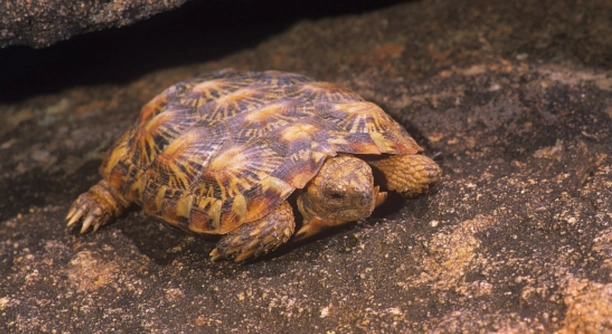
Pancake tortoises are unique creatures that require patience and care when interacting with them. Training them to eat from your hand is a rewarding process that helps build trust between you and your pet.
To train your pancake tortoise to eat from your hand, start by offering food regularly and allowing it to become familiar with your presence. Gradually move the food closer to your hand to encourage it to take the food directly from your fingers.
Understanding the process of hand-feeding your pancake tortoise is essential for building a trusting bond. With the right techniques, you can encourage your tortoise to feel more comfortable and secure in its environment.
Setting the Right Environment
Creating a comfortable and safe space for your pancake tortoise is the first step in building trust. Make sure the habitat is clean, quiet, and stress-free. Tortoises are sensitive to changes in their surroundings, so avoid sudden loud noises or movements that could startle them. Placing your tortoise in a secluded area away from other pets or distractions will help it feel secure and more likely to approach you when it’s time for feeding.
Allow the tortoise time to settle into its environment. Over time, it will begin to associate you with food and comfort. Avoid rushing the process or forcing the tortoise to interact with you before it’s ready. Patience is key.
Be consistent in how and when you feed the tortoise. Keeping a regular feeding schedule helps your tortoise know when to expect food, making it easier for you to build that trusting connection. With the right environment, your tortoise will begin to feel more relaxed around you and start approaching for food.
Understanding Your Tortoise’s Behavior
The tortoise’s natural behavior plays a big role in the training process. Some tortoises are more cautious than others and may take longer to trust humans. It’s important to recognize when the tortoise is ready for interaction. Watch for signs such as the tortoise moving towards you or sniffing around your hand.
While training your tortoise, avoid making fast movements or grabbing it. Instead, offer the food gently and allow the tortoise to come to you at its own pace. This approach reduces the risk of scaring the tortoise and helps it feel more comfortable.
Feeding time should remain calm and consistent. If the tortoise seems hesitant, wait for it to relax before offering food again. It may take several tries, but patience and understanding will lead to success.
Offering the Right Food
Choosing the right food is essential to encouraging your tortoise to eat from your hand. Make sure the food is fresh and appropriate for its diet. Common options include leafy greens like dandelion greens, collard greens, and kale. Variety is key, so mix it up occasionally to keep the tortoise interested.
Place the food close to your hand, but don’t force the tortoise to eat from you right away. Let it sniff and inspect the food at its own pace. Over time, it will begin to associate you with the food it enjoys. Avoid overfeeding, as too much food can make it less motivated to come to you.
Hand-feeding is not just about the food; it’s about building trust and creating positive experiences for your tortoise. Offering food consistently, without startling it, helps strengthen your bond. Eventually, the tortoise will begin to eagerly take the food directly from your fingers, enjoying the connection.
Consistency is Key
Consistency helps your tortoise understand when and how food will be offered. Try to feed your tortoise at the same time each day, so it starts anticipating your presence. The more reliable you are, the more comfortable your tortoise will feel.
If you feed your tortoise at a consistent time, it will learn to expect food at certain moments. Gradually, it will grow accustomed to you and feel more willing to take food directly from your hand. Be patient—this process can take a few weeks, but consistency will pay off in the end.
Additionally, don’t skip feedings or change the routine too often. The more stable the feeding time, the less likely the tortoise will feel stressed. Maintaining a calm, regular pattern helps your tortoise feel safe and confident enough to eat from your hand.
Patience and Time
Training a pancake tortoise to eat from your hand requires patience. Rushing the process can make the tortoise feel unsafe, so it’s crucial to let it take its time. Each tortoise is different, so some may take longer to trust you than others.
Allow your tortoise to move at its own pace. If it doesn’t eat from your hand right away, that’s okay. Simply continue offering food regularly and let it get comfortable with your presence. The key is not to force the interaction but to allow it to happen naturally over time.
Hand-Feeding Techniques
To encourage your tortoise, use your fingers gently when offering food. Hold the food firmly but not too tight. If the tortoise is hesitant, move the food slowly toward it so it can see and smell it clearly. Gradually, the tortoise will associate your hand with the food it enjoys.
Avoid sudden movements, as these can startle the tortoise. The more calm and relaxed you are during feedings, the more likely your tortoise will approach. Over time, it will begin to take food directly from your hand without hesitation, building trust between you.
Avoid Overfeeding
Overfeeding your tortoise can reduce its desire to eat from your hand. If it’s full or too comfortable, it may not be as motivated to seek out food from you. Keep track of its regular feeding schedule and avoid offering extra snacks.
FAQ
How long will it take for my pancake tortoise to eat from my hand?
The time it takes for your pancake tortoise to eat from your hand can vary depending on its personality and past experiences. Some tortoises may take only a few days, while others could take several weeks. Patience is key in this process, and it’s important not to rush the tortoise. Consistent and calm feeding times will help, as the tortoise learns to associate you with food and comfort. The more relaxed the environment, the more quickly your tortoise will gain trust.
What should I do if my tortoise seems scared or refuses to eat from my hand?
If your tortoise appears scared or refuses to eat from your hand, don’t force the interaction. Give it some space and allow it to become more comfortable with your presence. Sometimes, tortoises take longer to trust humans, especially if they are new to your care. Keep offering food regularly but without pressuring it. Make sure the environment is calm and quiet, as stress can make it harder for your tortoise to feel secure. Over time, it will come around when it feels safe.
Can I feed my pancake tortoise treats?
While treats can be offered occasionally, they should not replace your tortoise’s main diet. Stick to a variety of leafy greens, grasses, and other vegetation that are appropriate for its species. Treats such as fruit can be given, but only in moderation. Overfeeding treats can lead to health issues like obesity, which can impact your tortoise’s overall well-being. It’s best to focus on offering a balanced diet, with treats as a rare addition.
What is the best time to feed my pancake tortoise?
Feed your pancake tortoise at the same time every day to establish a routine. This helps it get used to your presence and anticipate feeding time. Early morning or late afternoon are typically good times for feeding, as tortoises are most active during these periods. Avoid feeding at night, as tortoises are generally less active in the dark. Consistency in feeding times also helps build trust between you and your tortoise.
Can I hand-feed my tortoise every day?
Hand-feeding every day is fine as long as you are offering the right amount of food and not overfeeding. Make sure you’re providing a variety of appropriate foods, such as leafy greens, and avoid feeding too much in one sitting. It’s important to keep the feeding portions balanced to prevent obesity. By hand-feeding regularly, you can continue strengthening the bond with your tortoise, but ensure it remains a healthy feeding routine.
What if my pancake tortoise is not eating?
If your pancake tortoise is not eating, it could be due to a variety of factors, such as stress, illness, or an improper diet. First, check the environment—make sure the habitat is warm and secure. If the tortoise is new to its surroundings, it may need more time to adjust. If it’s still not eating after a few days, consider consulting a veterinarian to rule out any health issues. Sometimes, changes in diet or habitat conditions can cause a loss of appetite, but with proper care, it should return to eating normally.
Should I offer my tortoise water when hand-feeding?
Water should always be available for your tortoise, but it’s generally not necessary to offer it during hand-feeding. Pancake tortoises will drink water when they feel the need, but they get most of their hydration from the food they eat. Make sure their water bowl is always clean and easily accessible. If you notice that your tortoise seems dehydrated, you can gently offer water, but usually, hydration is something they will manage on their own.
How can I tell if my pancake tortoise is happy?
A happy pancake tortoise will show several signs of contentment, such as eating regularly, moving around its habitat, and interacting with its environment. If your tortoise is comfortable and healthy, it will display active behavior, such as foraging or exploring. You may also notice it becoming more trusting and less shy over time, especially if you’ve been training it to eat from your hand. A lack of movement or reluctance to eat could signal stress or health problems, so it’s essential to monitor these signs.
What should I do if my pancake tortoise bites me?
If your pancake tortoise bites you, it’s not likely to be aggressive. Tortoises generally bite out of curiosity or confusion, especially if they mistake your fingers for food. If this happens, simply remove your hand calmly and avoid reacting with sudden movements. Over time, your tortoise will learn to recognize that your fingers are not food. Be patient and continue offering food gently, and it will eventually become accustomed to your hand.
Can my pancake tortoise eat other types of food, like pellets or meat?
Pancake tortoises are herbivores and should not be fed meat or animal products. Stick to a diet of leafy greens, grasses, and a variety of plant-based foods. Commercial tortoise pellets can be used as a supplement, but they should not make up the majority of the diet. Ensure that any food you offer is safe and suitable for its species. A healthy, plant-based diet is essential for your tortoise’s long-term health.
Final Thoughts
Training a pancake tortoise to eat from your hand is a rewarding process, but it requires patience and consistency. It’s important to remember that every tortoise is different, so some may take longer to trust you than others. Understanding your tortoise’s behavior and being calm around it will help build a connection over time. Avoid rushing or forcing the interaction, as this can cause stress for the tortoise and delay the process. Instead, let it come to you when it feels ready, and allow it to take its time getting used to you and the idea of hand-feeding.
The key to success is to offer the right food and to create a calm, predictable environment. Pancake tortoises thrive on routine, and keeping feeding times consistent will help them feel secure. It’s also important to remember that hand-feeding isn’t just about giving your tortoise food; it’s about building trust and making sure it feels safe in your presence. Over time, with patience and consistency, your tortoise will begin to associate you with a positive experience. This bond will not only make hand-feeding easier but also improve the overall relationship between you and your pet.
Finally, don’t forget the importance of keeping your tortoise’s health in mind throughout this process. Offer a balanced diet of leafy greens and safe vegetables, and avoid overfeeding. Make sure your tortoise has access to fresh water and a proper habitat. If your tortoise is not eating or shows signs of distress, it’s important to consult with a veterinarian to ensure it’s healthy. With the right care, patience, and attention, your pancake tortoise will eventually trust you enough to eat from your hand and form a stronger bond with you.

Hello,
If you enjoy the content that we create, please consider saying a "Thank You!" by leaving a tip.
Every little bit helps us continue crafting quality advice that supports the health, happiness, and well-being of pets around the world, for pets of all shapes, sizes, and species.
We really appreciate the kindness and support that you show us!