
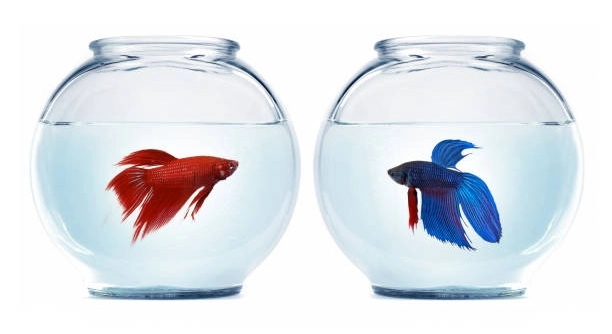
Training a Betta fish can be a fun and rewarding experience. These colorful and intelligent creatures respond well to consistent training methods. With the right techniques, you can bond with your Betta and improve its quality of life.
To train a Betta fish, start by understanding their natural behaviors and instincts. Focus on positive reinforcement, using food rewards to encourage desired actions. Consistency and patience are key in ensuring effective training over time.
Learning how to train your Betta fish opens up opportunities for interaction and enrichment. We will explore seven simple methods that will help you build a stronger connection with your aquatic companion.
Understanding Betta Fish Behavior
Betta fish are naturally curious and territorial. In the wild, they are known to defend their space, making them both bold and intelligent creatures. Understanding these natural tendencies helps when training them. They can learn routines, recognize their owner, and even respond to specific cues. While Betta fish don’t have the same learning capacity as mammals, they still show remarkable ability to adapt, especially with positive reinforcement techniques.
Their behavior may sometimes seem unpredictable, but with consistency, you’ll notice patterns. Betta fish react well to light and movement, often becoming more active when they sense their owner nearby. They also have a keen sense of timing, which is useful in training sessions that involve rewards. Learning to read these signals will help you build a connection with your Betta and ensure effective training.
By observing your Betta’s body language, you can tell when it’s interested in learning or when it’s feeling stressed. Keeping training sessions short and fun will help avoid overwhelming them.
Using Food as a Reward
Food is one of the most powerful motivators when training Betta fish. They respond well to treats like frozen bloodworms or pellets. Offering food as a reward reinforces desired behavior.
Start by offering food when your Betta shows interest in the task you want to train them for. Over time, your Betta will learn to associate the action with the reward. It’s important to be patient, as Betta fish may take some time to make these connections. Keep in mind, though, that food should never be used as a bribe but rather as an incentive for good behavior.
Consistency is key with food rewards. Gradually increase the difficulty of tasks as your Betta becomes more responsive to training. You can also pair the reward with specific gestures or commands to further enhance their learning.
Creating a Safe and Comfortable Environment
The environment plays a big role in how well your Betta can be trained. A calm, clean tank with minimal distractions will make your Betta feel secure and more willing to learn. Make sure the water temperature is ideal for your Betta to stay active and healthy. A stressful environment can lead to poor training results.
Keeping the tank clean will not only improve your Betta’s health but also help reduce stress, which is crucial when working on behavior training. Stress can prevent your Betta from learning effectively, so it’s important to maintain a peaceful space for them to thrive in.
Take into account the layout of the tank. Avoid overcrowding with decorations and leave enough space for your Betta to swim freely. Betta fish can be territorial, so creating a comfortable and private space will give them the confidence to engage with you during training sessions.
Using a Target Stick for Training
A target stick is an effective tool to train Betta fish. It helps guide them through specific actions like swimming to a particular spot. Simply place the stick in front of your Betta and gently move it to encourage movement toward it.
By using a target stick, you can teach your Betta fish various tricks like swimming through hoops or following the stick in a pattern. Start slow by moving the stick close to them and rewarding the desired action with food. Over time, your Betta will learn to associate the target stick with positive outcomes, making them more responsive during training.
The key to success with a target stick is to keep sessions short and consistent. Your Betta should always be motivated by the reward, so use treats sparingly to prevent overfeeding. With practice, your Betta will start following the target stick, creating a fun and engaging training experience.
Introducing Simple Tricks
Once your Betta has become comfortable with basic training, it’s time to introduce simple tricks. Start with something easy, like teaching them to swim through a hoop or circle an object. Keep each training session brief, lasting no more than a few minutes, and reward them immediately after the action.
Begin by guiding them slowly with your target stick or gently moving an object like a small hoop near their tank. Encourage them to interact with it by moving it closer to them and rewarding them when they show interest or make a move toward it. Over time, you can gradually make the trick more complex.
Patience is key when teaching your Betta new tricks. While it may take time for them to understand, repetition will help them catch on. Stick to one trick at a time, ensuring they grasp it before moving on to the next challenge.
Timing and Consistency
Timing is crucial when training your Betta. Reward them immediately after they complete the desired action so they can make the connection between the task and the reward. Consistency in training sessions is essential.
Try to train your Betta at the same time each day to establish a routine. This helps them anticipate training sessions, making them more willing to engage. Don’t overdo it, though—short, consistent sessions are more effective than long, exhausting ones. Stick to a pattern of rewards, and your Betta will catch on quickly.
Positive Reinforcement
Positive reinforcement is the best way to train your Betta fish. Always reward the behavior you want to encourage, whether through food or praise.
Using positive reinforcement helps strengthen the bond between you and your Betta while also ensuring they learn the right behaviors. Over time, they will associate specific actions with positive outcomes, making training more effective.
Patience is Key
Training a Betta fish requires patience. They won’t learn everything immediately, and it’s important not to rush the process.
Give your Betta plenty of time to understand what you’re asking. Stay consistent with your rewards and expectations. If they don’t perform the trick perfectly, that’s okay—keep trying. Your Betta will improve over time.
FAQ
How long does it take to train a Betta fish?
Training a Betta fish can take anywhere from a few days to a few weeks, depending on the complexity of the trick and the consistency of your efforts. Bettas typically learn quickly with positive reinforcement, especially if you keep training sessions short and rewarding. Simple behaviors, like following a target stick, might take just a few days of daily training. However, more complex tricks could take several weeks. Patience and consistency are key, so try not to rush the process.
What are the best treats for training a Betta fish?
Betta fish generally respond well to protein-rich treats like frozen or freeze-dried bloodworms, brine shrimp, or daphnia. These treats are nutritious and can help motivate your Betta during training sessions. Pellets specifically designed for Betta fish can also be used, but variety is important to keep them interested. Always ensure the treats you offer are appropriate for your Betta’s diet and avoid overfeeding, as it can lead to health issues. It’s best to offer treats in moderation to avoid bloating or digestive problems.
Can Betta fish learn more than one trick?
Yes, Betta fish are capable of learning multiple tricks, but it’s important to teach them one trick at a time. Start with a simple trick, like swimming to a target stick, and once they’ve mastered that, move on to something more advanced, such as jumping through a hoop. Repetition and consistency are vital. As your Betta becomes more accustomed to training, they may be able to handle more complex tasks. Keep training sessions brief to avoid overwhelming your Betta.
Can I train my Betta fish without a target stick?
While a target stick can be very helpful for guiding your Betta, it’s not absolutely necessary. You can use your fingers, a small object, or even the flow of water to guide your Betta. The key is to have a clear signal or prompt that your Betta can recognize. As with any training, patience is important. You’ll need to be consistent with your movements and rewards so your Betta can learn the desired behavior. Using a target stick simply makes the process more structured and easier for both you and your Betta.
How do I stop my Betta fish from being shy during training?
If your Betta is shy or hesitant, it’s important to create a comfortable environment before starting training. Make sure their tank is clean, and that the water temperature is stable. If your Betta seems stressed, it’s best to hold off on training until they feel safe. Betta fish often take time to adjust to new surroundings, so give them a few days to settle in. You can try sitting quietly near their tank before starting training to help them get used to your presence. Over time, your Betta will likely become more confident and comfortable with training.
Should I use a tank divider when training my Betta?
Using a tank divider can help in some cases, especially if you have more than one Betta or other fish that may cause stress. Dividers create a separate space for your Betta, allowing them to focus on training without distractions from other fish. If your Betta seems to become territorial or distracted during training, a tank divider may help them concentrate better. However, if your Betta is already in a stress-free environment with no distractions, a divider may not be necessary. Always observe your Betta’s behavior to determine if it’s needed.
Can I train my Betta fish outside of their tank?
Yes, you can train your Betta fish outside of their tank, but it should only be done in a safe, controlled environment. You might consider using a separate container or bowl that is large enough for them to swim freely. Make sure the water temperature is suitable, and that there are no risks of them jumping out or getting hurt. Training outside their tank may help your Betta focus better, but it’s essential to ensure they feel comfortable and safe. Always return them to their tank after training to prevent stress.
What signs show that my Betta fish is stressed during training?
Signs of stress in Betta fish can include erratic swimming, rapid gill movement, hiding, loss of appetite, or discoloration. If you notice any of these signs during training, it’s best to stop the session immediately. Stress can prevent your Betta from learning effectively, and prolonged stress can lead to health problems. Create a calm environment with minimal distractions, and make sure training sessions are not too long. Pay close attention to their body language, and if they seem overwhelmed, give them a break and resume training later.
How often should I train my Betta fish?
Training should be done regularly but not excessively. Ideally, aim for training sessions once or twice a day, keeping them no longer than 5–10 minutes each. This helps prevent over-stimulation and keeps your Betta engaged without causing stress. Consistent training, even in short bursts, will be more effective than long, sporadic sessions. If your Betta seems fatigued or uninterested, take a break and try again later. Regular but brief training helps reinforce behaviors while ensuring that your Betta stays motivated and happy.
Can my Betta fish recognize me?
Yes, Betta fish can recognize their owners over time. They often respond to familiar faces and even movements, learning to associate you with food and care. Betta fish are intelligent and can distinguish between different people. To help your Betta recognize you, try interacting with them daily. Speak softly near their tank, and offer food at the same times each day. They may even come to the front of the tank when they see you, expecting a treat. The bond formed during training helps strengthen this recognition.
Final Thoughts
Training your Betta fish can be a rewarding experience for both you and your pet. Although they may not have the same learning capacity as some other animals, Betta fish are still quite intelligent and can pick up on certain behaviors with the right approach. It’s important to remember that every Betta is different, and some may learn faster than others. By using patience, consistency, and positive reinforcement, you can teach your Betta a variety of simple tricks that will enhance your bond with them.
The environment you create for your Betta is also crucial to their success in training. A calm, comfortable tank with stable water conditions will allow your Betta to feel safe and focused during training sessions. Stress can significantly impact a Betta’s ability to learn, so ensuring their surroundings are peaceful and secure is just as important as the training methods themselves. Keeping sessions short and rewarding will help maintain their interest, making training a positive experience for both you and your Betta.
In the end, training a Betta fish is about building a connection and understanding their unique needs and behaviors. While not all Betta fish will be able to perform complex tricks, most can still learn simple tasks that will enrich their lives and yours. With time, you’ll learn what works best for your Betta, and you’ll enjoy watching them engage in new activities. Be patient and have fun with the process, and you’ll find that your Betta can be an even more interactive and enjoyable companion.

Hello,
If you enjoy the content that we create, please consider saying a "Thank You!" by leaving a tip.
Every little bit helps us continue crafting quality advice that supports the health, happiness, and well-being of pets around the world, for pets of all shapes, sizes, and species.
We really appreciate the kindness and support that you show us!