
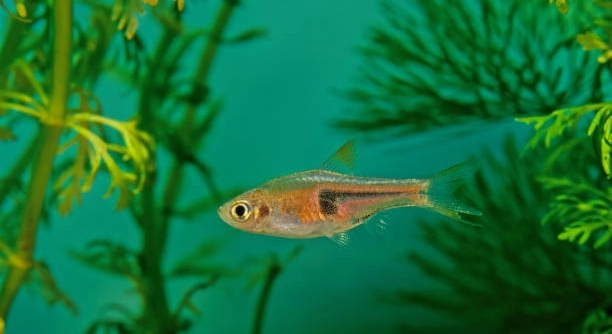
Training Rasbora fish to eat from your hand can be a rewarding experience for any aquarium enthusiast. These small, active fish are known for their quick movements, making hand-feeding a gentle challenge. With patience, you can build trust and enjoy closer interactions with your Rasbora.
The process of training Rasbora to eat from the hand involves gradual acclimation to your presence, consistent feeding routines, and using small, easily digestible food to encourage acceptance. This method requires repeated exposure and minimal sudden movements to reduce stress.
Learning these techniques will help create a calm environment for your Rasbora. The following steps outline how to approach hand-feeding with care and consistency.
Preparing Your Rasbora for Hand Feeding
Before starting hand feeding, it is important to make sure your Rasbora are comfortable with their environment. Maintain a stable tank temperature between 72 and 78°F and ensure water quality is high by performing regular water changes. Healthy fish are more likely to respond positively to hand feeding. Begin by feeding your Rasbora near your hand in the tank without touching them. This helps the fish associate your presence with food. Use small, floating flakes or finely crushed pellets that they can easily consume. Consistency is key—feed them at the same time each day to establish routine. Avoid sudden movements to prevent startling the fish. Over several days, you can gradually move your hand closer while offering food, allowing the Rasbora to get used to eating near you before trying to feed from your hand directly.
Allowing your Rasbora to become familiar with your hand reduces stress and encourages trust.
With patience and steady progress, Rasbora will begin to recognize your hand as a food source. This gradual introduction helps build their confidence. Avoid rushing the process; some fish may take longer to adapt. If they retreat or appear frightened, step back and slow the approach. Keeping movements slow and calm makes them more willing to come close. Feeding from the hand will become easier as they feel safer. Always observe their behavior and adjust your approach accordingly to maintain a positive experience for the fish.
Step-by-Step Hand Feeding Technique
Start by placing a small amount of food on your palm and gently resting your hand near the water’s surface. Keep your hand steady and wait for the fish to approach. Avoid quick motions that may scare them. Repeat this process several times a day for best results.
Begin by holding food in your palm just above the water and stay still. Gradually lower your hand so the Rasbora can eat directly from your fingers. Offering food this way encourages interaction and builds trust over time. It is important to remain patient and consistent with these sessions. Use only small portions to prevent overfeeding and keep water clean. By keeping sessions brief and regular, your Rasbora will slowly become accustomed to hand feeding without stress. This technique requires quiet and calm to succeed.
Hand feeding Rasbora is a gradual process. At first, the fish may be hesitant and keep their distance. To encourage them, try feeding at the same time each day to build a predictable routine. Slowly move your hand closer only when they seem comfortable. Avoid forcing contact, as this may cause stress. Observe their body language—if they swim calmly toward your hand, continue; if they dart away, pause and try again later. Regular short sessions are more effective than longer, infrequent ones. With time, your Rasbora will learn to take food gently from your fingers, strengthening your connection. This method enhances the overall care experience and allows you to enjoy closer observation of your fish.
Common Challenges When Hand Feeding Rasbora
Rasbora can be shy and quick, making hand feeding a test of patience. They may avoid your hand initially or dart away suddenly. This behavior is natural and should not be forced.
When Rasbora are nervous, it helps to slow down your movements and feed in a calm environment. Avoid sudden changes near the tank, such as loud noises or bright lights, which can increase their stress. Sometimes, they may mistake your hand for a threat. Consistent gentle feeding sessions will reduce their fear over time. It is important to keep sessions short to avoid overwhelming them. If fish scatter, pause the training and resume later when they seem relaxed. With time, they will start associating your hand with food rather than danger.
Some Rasbora may take longer to adjust than others. Observe each fish’s behavior and progress at their own pace. Use small, frequent feedings to encourage interest without causing stress. Maintaining a regular feeding schedule helps them anticipate food and builds trust. If a fish is still reluctant after several attempts, try using more enticing food like live or frozen brine shrimp. This can motivate them to approach. Avoid forcing interaction to keep the experience positive and stress-free.
Benefits of Hand Feeding Rasbora
Hand feeding improves the bond between you and your fish. It creates a more engaging and interactive aquarium experience. Feeding directly from your hand also allows closer observation of your Rasbora’s health.
Beyond interaction, hand feeding can help monitor fish behavior and appetite closely. It makes it easier to notice any signs of illness or distress early. The practice encourages Rasbora to come to the front of the tank, making daily care and tank cleaning simpler. It also reduces stress compared to using feeding tools that might startle the fish. Establishing this routine adds enjoyment to fish care and makes your aquarium feel more alive. Overall, hand feeding enhances both the welfare of the fish and the keeper’s connection to them.
Choosing the Right Food for Hand Feeding
Small, easy-to-eat foods work best for hand feeding Rasbora. Flakes, micro pellets, and finely crushed food are ideal options. Live or frozen foods like brine shrimp can also encourage feeding from the hand.
Using appropriate food ensures the fish can quickly recognize and accept it. Avoid large or hard-to-eat pieces that might scare or frustrate them.
Creating a Calm Feeding Environment
A quiet, calm room helps reduce Rasbora stress during hand feeding. Minimize loud noises and sudden movements around the tank. Soft lighting can also make fish feel more comfortable and willing to approach.
Keeping the environment peaceful improves success rates and makes training smoother.
Monitoring Fish Behavior
Observe your Rasbora closely during feeding. Calm, curious movements indicate they are becoming comfortable. Rapid darting or hiding suggests stress or fear. Adjust your approach based on their reactions to maintain trust.
Consistent positive interaction helps them feel safe and more willing to eat from your hand.
When to Stop Training Sessions
Keep training sessions brief, usually five to ten minutes. Ending sessions before fish lose interest or become stressed maintains a positive experience. Regular short sessions work better than long, infrequent ones.
Stopping at the right time supports gradual progress and reduces anxiety.
FAQ
How long does it take to train Rasbora to eat from the hand?
Training time varies depending on the individual fish and consistency of feeding sessions. Some Rasbora may start accepting food from your hand within a week, while others might take several weeks or more. Patience and gentle, regular practice are essential to build trust without causing stress.
Is hand feeding safe for Rasbora?
Yes, hand feeding is safe when done carefully. Avoid sudden movements and use small amounts of food to prevent overfeeding. Always wash your hands thoroughly before placing them in the tank to avoid introducing harmful chemicals. Keeping sessions short and calm ensures a stress-free experience for the fish.
What type of food should I use for hand feeding?
Small, soft foods like flakes, micro pellets, or finely crushed pellets work best. Live or frozen foods such as brine shrimp or daphnia can also encourage your Rasbora to feed from your hand. The key is to use food that is easy to see and quick to eat, making it easier for the fish to associate your hand with feeding.
Can all Rasbora species be trained to eat from the hand?
Most small Rasbora species respond well to hand feeding, especially those with social and curious behaviors. However, some species may be more timid and require longer training. It depends on their natural temperament and the environment you provide. Consistent, patient training increases the chance of success across different species.
What if my Rasbora won’t come near my hand?
If the fish stay away, slow your approach and spend more time feeding near your hand without touching the water. Avoid sudden movements and loud noises around the tank. Gradually bring your hand closer during feeding sessions over several days or weeks. Patience is crucial, as forcing interaction may cause stress.
How often should I do hand feeding sessions?
Short, daily sessions of five to ten minutes are ideal. Frequent, consistent sessions help the fish build a routine and reduce fear. Avoid long or infrequent sessions, as these can overwhelm the fish or slow their progress. Regular feeding times also support better trust and recognition.
Can hand feeding cause health problems for Rasbora?
When done correctly, hand feeding should not cause health issues. Overfeeding or poor water quality can lead to problems, so feed small amounts and maintain regular tank cleaning. Using clean hands and proper food helps prevent contamination. Monitoring your fish for signs of illness during training is important.
Should I wash my hands before feeding?
Yes, washing your hands thoroughly is recommended to remove lotions, soaps, or residues that could harm the fish. Use plain water without chemicals or soaps. Clean hands protect the tank’s water quality and keep your Rasbora safe during hand feeding.
What are signs that my Rasbora is stressed during hand feeding?
Signs include rapid swimming away from your hand, hiding, clamped fins, or loss of appetite. If you notice these behaviors, pause the training and give the fish time to relax. Reduce the length of sessions and avoid quick movements to help them feel more secure.
Can hand feeding improve my relationship with my fish?
Yes, hand feeding promotes trust and interaction, making your care routine more enjoyable. It allows you to observe your Rasbora closely and respond quickly to their needs. This connection enriches both the fish’s welfare and your experience as a caretaker.
Training Rasbora to eat from your hand takes time and patience. It is important to approach the process calmly and consistently. Each fish reacts differently, so some may take longer to feel comfortable. Rushing the training or forcing contact can cause stress and slow progress. By feeding near your hand regularly and moving slowly, you help the fish associate your presence with food. This builds trust, making hand feeding possible. Keeping the tank environment stable and comfortable also supports your efforts. Healthy fish are more likely to respond positively and learn this behavior.
Successful hand feeding creates a closer connection between you and your Rasbora. It allows you to observe them up close and monitor their health more easily. When fish come to eat from your hand, it shows they feel safe and calm in their environment. This interaction can make daily care more enjoyable and rewarding. The routine of gentle, short feeding sessions keeps the fish comfortable and willing to engage. Even if some Rasbora remain shy, consistent practice benefits both their well-being and your experience as their caretaker.
Overall, patience, consistency, and gentle movements are key to training Rasbora to eat from your hand. Using small, suitable food and maintaining a quiet environment helps reduce their stress. It is important to watch their behavior and adjust your approach if needed. Hand feeding may take weeks or longer, but the effort is worth it for the improved bond and enjoyment. Remember that every fish learns at its own pace, and respecting their comfort will lead to the best results. This simple process adds value to caring for Rasbora and enhances your aquarium experience.

Hello,
If you enjoy the content that we create, please consider saying a "Thank You!" by leaving a tip.
Every little bit helps us continue crafting quality advice that supports the health, happiness, and well-being of pets around the world, for pets of all shapes, sizes, and species.
We really appreciate the kindness and support that you show us!